KI-gestützte prädiktive Simulation für Beschallungssysteme
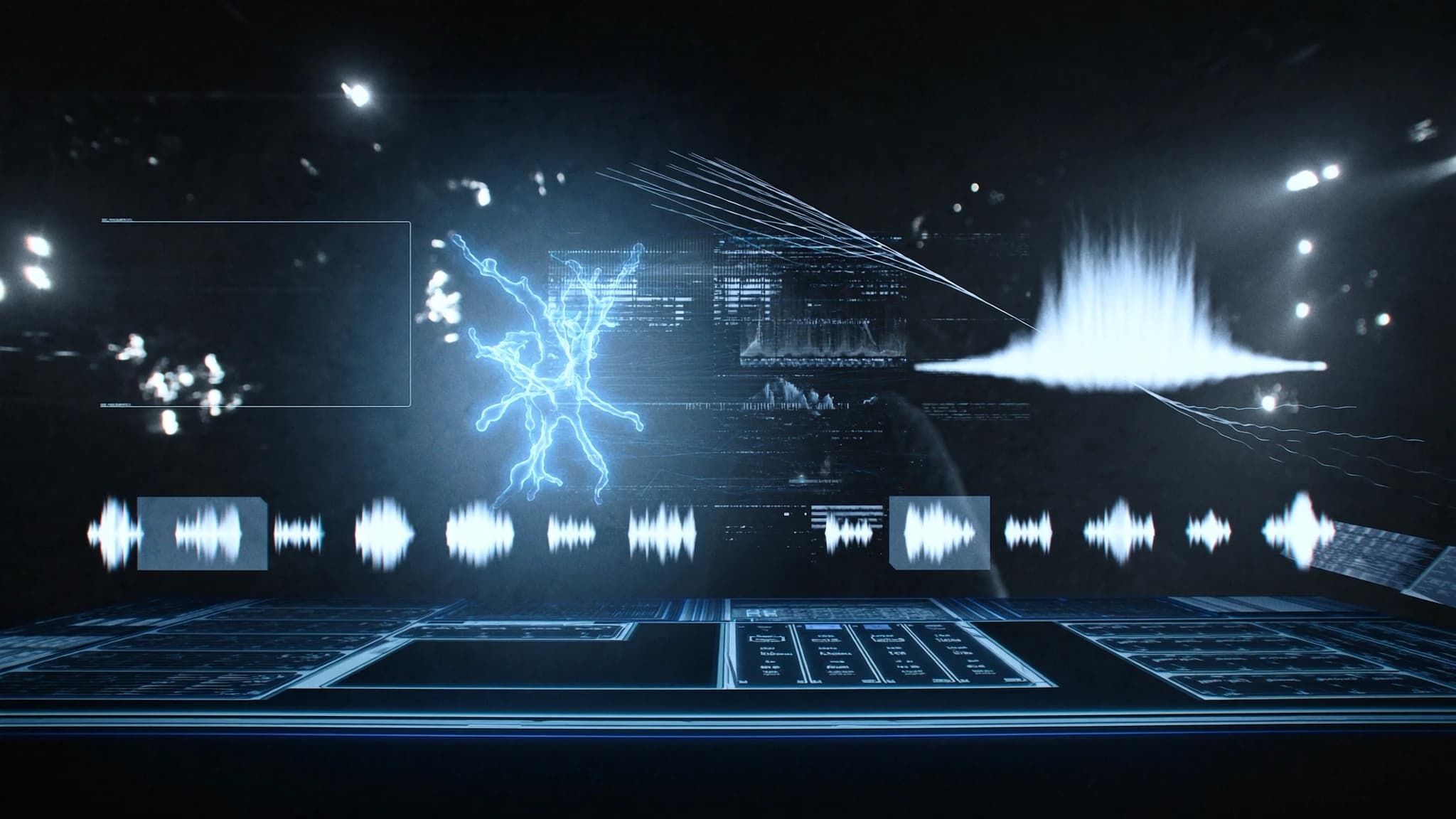
In der professionellen Beschallung ist Zuverlässigkeit kein nachträglicher Gedanke, sie wird von Grund auf eingeplant. SSOUNDS nutzt KI-gestützte prädiktive Simulation, um Headroom, thermische Last und Array-Verhalten zu belastungstesten, bevor ein einziger Lautsprecher ausgeliefert oder geflogen wird, und stellt so sicher, dass jedes System unter realen Bedingungen konsistente, ausfallsichere Leistung liefert.
Wichtigste Punkte
- KI-gestützte prädiktive Simulation belastungstestet Headroom, thermische Last und Array-Verhalten, bevor Hardware gebaut oder geflogen wird.
- Maschinelle Lernmodelle, die auf realen Daten trainiert wurden, bieten genauere Ausfallvorhersagen als traditionelle statische Berechnungen.
- Thermische Simulation ermöglicht dynamisches DSP-Management, das Leistungskompression verhindert und die Treiberlebensdauer verlängert.
- Array-Verhaltensmodellierung optimiert gleichzeitig Abdeckung und mechanische Sicherheit.
- Simulationsergebnisse sind in das DSP und die Dokumentation jedes Systems eingebettet, was schnellere Inbetriebnahme und Rider-Konformität ermöglicht.
- Kontinuierliches Lernen aus Felddaten stellt sicher, dass SSOUNDS-Systeme im Laufe der Zeit zuverlässiger werden.
Warum prädiktive Simulation für Live-Sound wichtig ist
Herkömmliches Systemdesign stützt sich auf statische Berechnungen und empirische Faustregeln. Diese Methoden können zwar funktionale Ergebnisse liefern, lassen aber oft verborgene Fehlermargen, insbesondere wenn Systeme in großen Veranstaltungsorten, bei Open-Air-Festivals oder im Touring-Betrieb an ihre Grenzen gebracht werden. Eine geringfügige Fehlkalkulation von Headroom oder Wärmeabfuhr kann zu Verstärker-Clipping, Treiberkompression oder sogar zu einem katastrophalen Ausfall mitten in der Show führen.
KI-gestützte Simulation verändert dieses Paradigma. Durch die Modellierung Tausender Betriebsszenarien, einschließlich variierender Umgebungstemperaturen, Signal-Crest-Faktoren und Array-Konfigurationen, können Ingenieure Schwachstellen identifizieren, bevor Hardware festgelegt wird. SSOUNDS verwendet maschinelle Lernalgorithmen, die auf realen Messdaten trainiert wurden, um vorherzusagen, wie sich jede Komponente unter Belastung verhält, vom Temperaturanstieg der Schwingspule bis zum kumulativen SPL über die Publikumsebene.
Headroom-Belastungstests mit KI
Headroom ist der Puffer zwischen dem nominalen Betriebspegel und dem Systemausfall. Im konventionellen Design wird der Headroom oft mit Worst-Case-Annahmen geschätzt, die zu konservativ sein können (Verschwendung von Verstärkerleistung) oder zu optimistisch (Risiko von Schäden). Die KI-Simulation von SSOUNDS modelliert dynamisch die Beziehung zwischen Eingangssignal, Verstärker-Rail-Spannung und Treiber-Hubgrenzen über Frequenz und Zeit.
Die Simulation speist reales Programmmaterial ein, einschließlich transienter Signale mit hohem Crest-Faktor von Kick-Drums oder Gesangsspitzen, und überwacht die elektrische und mechanische Reaktion des Systems. Sie identifiziert den genauen Punkt, an dem der Verstärker zu clippen beginnt oder der Treiber seine lineare Hubgrenze erreicht, sodass Ingenieure präzise Limiter-Schwellenwerte und Gain-Strukturen festlegen können. Dies stellt sicher, dass jeder dB Headroom nutzbar ist, ohne die Sicherheit zu beeinträchtigen.
Vorhersage und Management thermischer Last
Wärme ist der stille Feind der Lautsprecherzuverlässigkeit. Wenn sich Schwingspulen erwärmen, steigt ihr Widerstand, was zu Leistungskompression führt, einer Verringerung der Ausgangsleistung, die bei längerem Hoch-SPL-Betrieb 3 dB überschreiten kann. Herkömmliche Thermomodellierung verwendet vereinfachte Lumped-Element-Modelle, die reale Konvektions- und Strahlungseffekte oft nicht erfassen.
SSOUNDS setzt KI-gesteuerte Finite-Elemente-Analyse ein, die den Wärmefluss durch die gesamte Lautsprecherbaugruppe simuliert: Schwingspule, Magnetspalt, Korb und Gehäuse. Das Modell berücksichtigt Umgebungstemperatur, Luftfeuchtigkeit und Luftstrom durch die Membranbewegung. Es sagt die Zeit bis zum thermischen Gleichgewicht und die resultierende Leistungskompressionskurve voraus, sodass das DSP dynamisches EQ oder Verstärkungsreduzierung anwenden kann, bevor der Treiber überhitzt. Dieses proaktive Thermomanagement verlängert die Lebensdauer der Komponenten und erhält eine konsistente Klangqualität während einer gesamten Aufführung.
Array-Verhalten: Abdeckung, Kopplung und mechanische Belastung
Line Arrays und Punktquellen-Cluster zeigen komplexe akustische und mechanische Wechselwirkungen, die mit einfachen Formeln schwer vorherzusagen sind. KI-Simulation modelliert die vollständige Wellenfrontausbreitung und berücksichtigt gegenseitige Kopplung zwischen Gehäusen, Grenzflächenreflexionen und Publikumsabsorption. Sie sagt die SPL-Verteilung, die Gleichmäßigkeit des Frequenzgangs und die Phasenkohärenz über den Abdeckungsbereich mit hoher Genauigkeit voraus.
Über die Akustik hinaus bewertet die Simulation auch mechanische Belastungen von Rigging-Hardware und Gehäusestrukturen. Durch die Modellierung von Windlasten (für Open-Air-Einsätze), dynamischen Kräften durch Subwoofer-Bewegung und statischer Gewichtsverteilung stellt SSOUNDS sicher, dass jedes geflogene Array Sicherheitsstandards erfüllt, ohne überdimensioniert zu sein. Die KI kann optimale Splay-Winkel, Trim-Höhen und Ground-Stack-Konfigurationen empfehlen, um die Belastung zu minimieren und gleichzeitig die Abdeckung zu maximieren.
Von der Simulation zum Einsatz: Zuverlässigkeit durch Design
Das ultimative Ziel der KI-gestützten prädiktiven Simulation ist nicht nur, Ausfälle zu vermeiden, sondern Leistung zu garantieren. SSOUNDS integriert Simulationsergebnisse direkt in die DSP-Presets und Verstärkerkonfigurationen des Systems. Jedes ausgelieferte System trägt ein digitales 'Geburtszertifikat', das seinen simulierten Headroom, thermische Grenzwerte und Array-Verhalten aufzeichnet, sodass Ingenieure vor Ort überprüfen können, ob das eingesetzte System dem Design entspricht.
Dieser Ansatz reduziert die Inbetriebnahmezeit, eliminiert Vermutungen und bietet eine dokumentierte Sicherheitsmarge, die bei Rider-Konformität oder Versicherungskontexten referenziert werden kann. Für Touring-Produktionen können die Simulationsdaten verwendet werden, um Backup-Systeme vorzukonfigurieren und Load-in-Logistik zu planen, sodass das Publikum selbst unter anspruchsvollsten Bedingungen ununterbrochenen High-Fidelity-Sound erlebt.
Die Zukunft: Kontinuierliches Lernen und adaptive Systeme
Die KI-Modelle von SSOUNDS sind nicht statisch, sie verbessern sich mit jedem Einsatz. Felddaten aus realen Shows (Temperaturprotokolle, Verstärker-Telemetrie, DSP-Fehlerberichte) werden anonymisiert und in den Trainingsdatensatz zurückgeführt, wodurch die Genauigkeit der Simulation im Laufe der Zeit verfeinert wird. Dies schafft einen positiven Kreislauf, in dem jedes System intelligenter und zuverlässiger wird als das vorherige.
Für die Zukunft entwickelt SSOUNDS adaptives DSP, das Systemparameter in Echtzeit basierend auf Sensor-Feedback anpassen kann, ein geschlossenes Regelungssystem, das optimalen Headroom und thermisches Gleichgewicht ohne menschliches Eingreifen aufrechterhält. Dies repräsentiert die nächste Grenze der Zuverlässigkeit durch Design, bei der das System sich ändernde Bedingungen antizipiert und kompensiert, bevor sie zu Problemen werden.
Häufige Fragen
Wie unterscheidet sich KI-Simulation von herkömmlicher akustischer Vorhersagesoftware?
Herkömmliche Software stützt sich auf analytische Modelle mit festen Parametern, während KI-Simulation maschinelles Lernen nutzt, das auf empirischen Daten trainiert wurde, um nichtlineare Verhaltensweisen wie thermische Kompression und mechanische Ermüdung zu erfassen, was zu genaueren Vorhersagen unter realen Bedingungen führt.
Kann KI-Simulation garantieren, dass ein System unter extremen Bedingungen nicht ausfällt?
Keine Simulation kann 100%ige Zuverlässigkeit garantieren, aber KI-gesteuerte Belastungstests identifizieren Ausfallmodi, die oft übersehen werden, und ermöglichen es Ingenieuren, robuste Sicherheitsmargen zu dimensionieren. SSOUNDS-Systeme werden getestet, um typische Touring-Anforderungen zu übertreffen.
Sind die Simulationsdaten für Endnutzer zugänglich?
Ja, jedes SSOUNDS-System wird mit einem digitalen Bericht geliefert, der die wichtigsten Simulationsergebnisse (Headroom, thermische Grenzwerte, Array-Verhalten) zusammenfasst und zur Systemverifizierung und Rider-Konformität verwendet werden kann.
Ersetzt KI-Simulation das System-Tuning vor Ort?
Nein, sie ergänzt sie. Die Simulation liefert einen zuverlässigen Ausgangspunkt und eine Sicherheitsbasis, aber Messungen und Tuning vor Ort bleiben unerlässlich, um sich an die spezifische Akustik des Veranstaltungsorts anzupassen.
Wie verbessert thermische Simulation die Subwoofer-Leistung?
Subwoofer erzeugen aufgrund des hohen Leistungsbedarfs erhebliche Wärme. KI-Thermomodellierung sagt den Temperaturanstieg der Schwingspule und die Leistungskompression voraus, sodass das DSP Verstärkungsreduzierung oder EQ-Anpassungen anwenden kann, um eine konsistente Tieftonausgabe aufrechtzuerhalten.
System aufbauen oder aufrüsten?
SSOUNDS entwickelt und fertigt professionelle PA weltweit, vom einzelnen Raum bis zur Stadiongröße.