サウンドシステムのためのAI予測シミュレーション
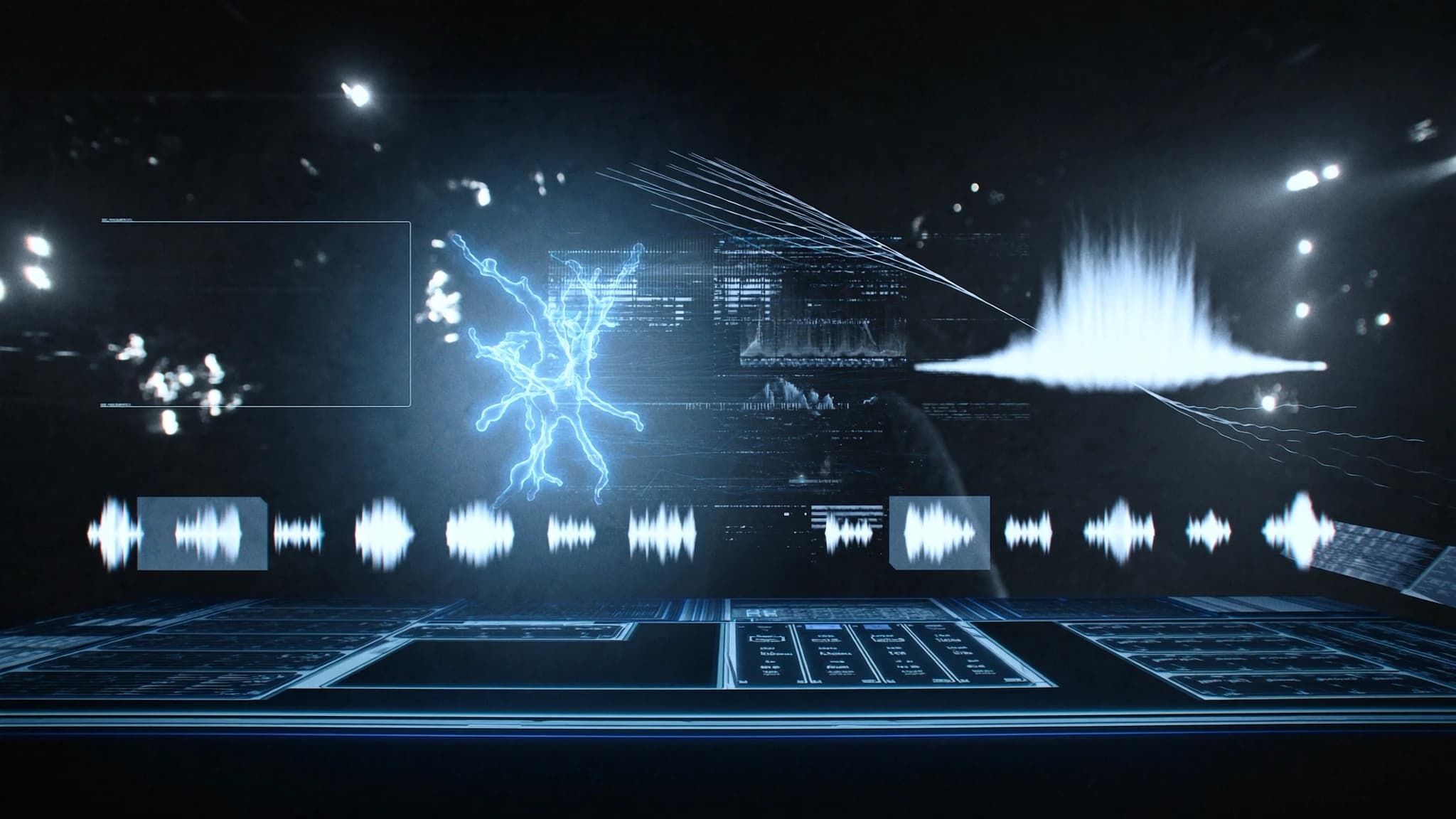
プロフェッショナルな音響補強において、信頼性は後付けのものではなく、根本から設計されるものです。SSOUNDSはAI支援による予測シミュレーションを活用し、1台のラウドスピーカーが出荷またはフライされる前にヘッドルーム、熱負荷、アレイ挙動をストレステストし、すべてのシステムが実世界の条件下で一貫したフェイルセーフ性能を発揮することを保証します。
主なポイント
- AI予測シミュレーションは、ハードウェアが製造またはフライされる前にヘッドルーム、熱負荷、アレイ挙動をストレステストします。
- 実世界データで訓練された機械学習モデルは、従来の静的計算よりも正確な故障予測を提供します。
- 熱シミュレーションは、パワー圧縮を防ぎドライバー寿命を延ばす動的DSP管理を可能にします。
- アレイ挙動モデリングは、カバレッジと機械的安全性を同時に最適化します。
- シミュレーション結果は各システムのDSPとドキュメントに埋め込まれ、迅速なコミッショニングとライダー準拠を可能にします。
- フィールドデータからの継続的学習により、SSOUNDSシステムは時間の経過とともに信頼性が向上します。
ライブサウンドにおいて予測シミュレーションが重要な理由
従来のシステム設計は静的計算と経験則に依存しています。これらの方法は機能的な結果を生み出すことができますが、特に大規模会場、屋外フェスティバル、ツアー環境でシステムが限界まで押し上げられる場合、しばしば隠れた誤差マージンを残します。ヘッドルームや熱放散のわずかな誤計算は、アンプのクリッピング、ドライバーの圧縮、さらにはショー中の致命的な故障につながる可能性があります。
AI支援シミュレーションはこのパラダイムを変えます。さまざまな周囲温度、信号クレストファクター、アレイ構成を含む数千の運用シナリオをモデル化することで、エンジニアはハードウェアを確定する前に弱点を特定できます。SSOUNDSは実世界の測定データで訓練された機械学習アルゴリズムを使用し、ボイスコイルの温度上昇から観客平面全体の累積SPLまで、すべてのコンポーネントがストレス下でどのように動作するかを予測します。
AIによるヘッドルームのストレステスト
ヘッドルームは公称動作レベルとシステム故障の間のバッファーです。従来の設計では、ヘッドルームはしばしば最悪のケースの仮定を用いて推定され、保守的すぎる(アンプ電力を無駄にする)か、楽観的すぎる(損傷のリスクがある)可能性があります。SSOUNDSのAIシミュレーションは、入力信号、アンプのレール電圧、ドライバーのエクスカーション限界の関係を周波数と時間にわたって動的にモデル化します。
シミュレーションは、キックドラムやボーカルのピークからの高いクレストファクターのトランジェントを含む実世界のプログラム素材を注入し、システムの電気的および機械的応答を監視します。アンプがクリッピングを開始する、またはドライバーが線形エクスカーション限界に達する正確なポイントを特定し、エンジニアが正確なリミッター閾値とゲイン構造を設定できるようにします。これにより、安全性を損なうことなく、すべてのdBのヘッドルームが使用可能になります。
熱負荷の予測と管理
熱はラウドスピーカーの信頼性の静かな敵です。ボイスコイルが加熱すると抵抗が増加し、パワー圧縮を引き起こします。これは長時間の高SPL運用で3 dBを超える出力低下となる可能性があります。従来の熱モデリングは簡略化された集中定数モデルを使用し、実世界の対流と放射効果を捉えられないことがよくあります。
SSOUNDSは、ボイスコイル、磁気ギャップ、バスケット、エンクロージャーを含むラウドスピーカーアセンブリ全体を通る熱流をシミュレートするAI駆動の有限要素解析を採用しています。モデルは周囲温度、湿度、コーンの動きによる気流を考慮します。熱平衡に達する時間と結果として生じるパワー圧縮曲線を予測し、DSPがドライバーが過熱する前に動的EQやゲイン低減を適用できるようにします。この proactive な熱管理はコンポーネントの寿命を延ばし、パフォーマンス全体を通して一貫した音質を維持します。
アレイ挙動:カバレッジ、カップリング、機械的ストレス
ラインアレイとポイントソースクラスターは、単純な公式では予測が難しい複雑な音響的および機械的相互作用を示します。AIシミュレーションは、キャビネット間の相互結合、境界反射、観客の吸音を考慮して、波面伝播全体をモデル化します。カバレッジエリア全体のSPL分布、周波数応答の均一性、位相コヒーレンスを高精度で予測します。
音響に加えて、シミュレーションはリギングハードウェアとエンクロージャー構造にかかる機械的ストレスも評価します。風荷重(屋外展開用)、サブウーファーの動きによる動的力、静的重量分布をモデル化することで、SSOUNDSはすべてのフライアレイが過剰設計することなく安全基準を満たすことを保証します。AIは、ストレスを最小化しながらカバレッジを最大化するために、最適なスプレイ角度、トリム高さ、グラウンドスタック構成を推奨できます。
シミュレーションから展開へ:設計による信頼性
AI予測シミュレーションの最終目標は、故障を避けることだけでなく、性能を保証することです。SSOUNDSはシミュレーション結果をシステムのDSPプリセットとアンプ構成に直接統合します。出荷される各システムには、シミュレートされたヘッドルーム、熱限界、アレイ挙動を記録したデジタル「出生証明書」が付属し、現場のエンジニアが展開されたシステムが設計意図と一致することを確認できます。
このアプローチはコミッショニング時間を短縮し、推測を排除し、ライダー準拠や保険の文脈で参照できる文書化された安全マージンを提供します。ツアープロダクションでは、シミュレーションデータを使用してバックアップシステムを事前構成し、ロードイン物流を計画できるため、最も要求の厳しい条件下でも、観客は中断のない高忠実度サウンドを体験できます。
未来:継続的学習と適応型システム
SSOUNDSのAIモデルは静的ではなく、展開ごとに改善されます。実際のショーからのフィールドデータ(温度ログ、アンプテレメトリ、DSPエラーレポート)は匿名化され、トレーニングセットにフィードバックされ、時間の経過とともにシミュレーションの精度を洗練します。これにより、各システムが前回よりも賢く信頼性が高くなる好循環が生まれます。
今後を見据えて、SSOUNDSはセンサーフィードバックに基づいてシステムパラメータをリアルタイムで調整できる適応型DSPを開発しています。これは、人間の介入なしに最適なヘッドルームと熱バランスを維持する閉ループ制御システムです。これは、システムが問題になる前に変化する条件を予測して補正する、設計による信頼性の次のフロンティアを表しています。
よくある質問
AIシミュレーションは従来の音響予測ソフトウェアとどう違うのですか?
従来のソフトウェアは固定パラメータを持つ解析モデルに依存していますが、AIシミュレーションは実測データで訓練された機械学習を用いて、熱圧縮や機械的疲労といった非線形挙動を捉え、より正確な実世界予測を実現します。
AIシミュレーションは極限状態でシステムが故障しないことを保証できますか?
100%の信頼性を保証できるシミュレーションはありませんが、AI駆動のストレステストは見落とされがちな故障モードを特定し、エンジニアが堅牢な安全マージンを設計できるようにします。SSOUNDSのシステムは、一般的なツアーの要求を超えるようテストされています。
シミュレーションデータはエンドユーザーが利用できますか?
はい。各SSOUNDSシステムには、主要なシミュレーション結果(ヘッドルーム、熱限界、アレイ挙動)をまとめたデジタルレポートが付属しており、システム検証やライダー準拠に使用できます。
AIシミュレーションは現場でのシステムチューニングを置き換えますか?
いいえ、補完するものです。シミュレーションは信頼できる出発点と安全基準を提供しますが、特定の会場の音響に適応するためには、現場での測定とチューニングが依然として不可欠です。
熱シミュレーションはサブウーファーの性能をどのように向上させますか?
サブウーファーは高い電力要求のために多大な熱を発生します。AI熱モデリングはボイスコイルの温度上昇とパワー圧縮を予測し、DSPがゲイン低減やEQ調整を適用して一貫した低周波出力を維持できるようにします。
システムの構築やアップグレードをお考えですか?
SSOUNDSは、単一の部屋からスタジアム規模まで、プロ用PAを世界中で設計・製造しています。