ライブプロダクションにおけるSSOUNDSスピーカーの使用方法
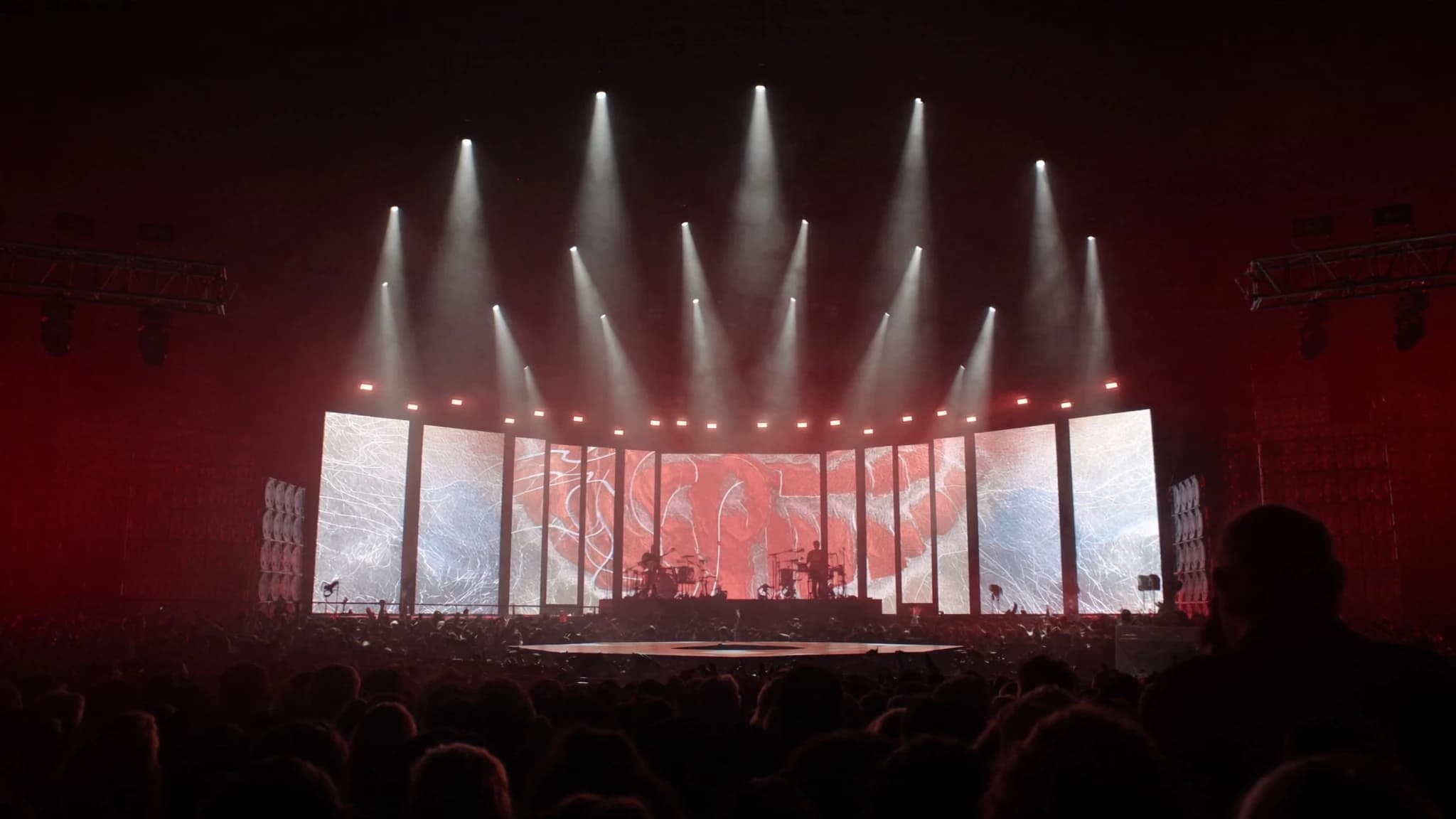
フェスティバルのメインステージから企業の基調講演ホールまで、SSOUNDSラウドスピーカーシステムは、最も要求の厳しいライブプロダクション環境で一貫した高忠実度のサウンドを提供するように設計されています。このガイドでは、SSOUNDSラインアレイ、サブウーファー、ポイントソースキャビネット、ステージモニター、アンプ、DSPが、ツアー、フェスティバル、礼拝、企業プロダクションでどのように展開されるかを説明し、FOH、モニター、ディレイリング、およびより広範なAVLエコシステムとの統合をカバーします。
主なポイント
- SSOUNDSラインアレイは、フェスティバルのメインステージや大規模なツアープロダクションに一貫したカバレッジと高いSPLを提供します。
- サブウーファーは、制御された低域インパクトとステージランブルの低減のために、カーディオイドまたはエンドファイアアレイで展開されます。
- ポイントソーススピーカーは、大小の会場でフロントフィル、サイドフィル、ディレイアプリケーションに柔軟性を提供します。
- ステージモニターは、ツアーやフェスティバル環境で明確なパフォーマーモニタリングのために高いSPLと低歪みを提供します。
- アンプとDSPは、リモート制御とシームレスなコンソール統合のためにネットワーキングプロトコル(Dante、AES67)と統合されています。
- SSOUNDSシステムは、企業の会議室からフェスティバルのメインステージまでスケールし、各展開に最適化されたDSPプリセットを備えています。
ラインアレイ:大規模カバレッジのバックボーン
SSOUNDSラインアレイシステムは、一貫したカバレッジと高いSPLが重要なツアーやフェスティバルのメインステージ向けに設計されています。モジュール式のリギングと最適化されたウェーブガイド形状により、困難な屋外環境でも迅速な展開と予測可能なパターン制御が可能です。エンジニアは、投射距離と観客の形状に応じてさまざまな長さのアレイを吊り下げ、会場ごとにアレイ間の角度を調整して干渉を最小限に抑え、前から後ろまで均一な周波数応答を確保できます。
実際には、典型的なフェスティバルのメインステージでは、片側あたり12〜16キャビネットの左右アレイを使用し、極端な幅に対応するためにサイドハングやアウトフィルを補完します。SSOUNDSラインアレイは、大規模なフェスティバル会場のディレイリングとしても使用され、時間整合されたクラスターがステージから遠い観客の明瞭度を維持します。各アレイ構成に特化して調整されたシステムのDSPプリセットは、すべてのカバレッジゾーンで位相コヒーレンスと一貫した音調バランスを確保します。
サブウーファー:インパクトと拡張性の提供
SSOUNDSサブウーファーは、スピードや明瞭さを犠牲にすることなく、クリーンで強力な低周波拡張を提供するように設計されています。ライブプロダクションでは、通常、カーディオイドまたはエンドファイアアレイで展開され、後方へのエネルギーを制御し、ステージのランブルを低減します。これは、隣接するステージが干渉を引き起こす可能性がある放送やフェスティバル環境で特に重要です。
ツアープロダクションでは、SSOUNDSサブはステージ前方にグラウンドスタックするか、ラインアレイと一緒に吊り下げて、より均一な低域分布を実現できます。DSPには、メインアレイとのクロスオーバーポイントと位相整合を最適化する専用のサブウーファープリセットが含まれており、シームレスな統合を確保します。低周波のインパクトを制御する必要がある企業イベントでは、SSOUNDSサブを分散クラスターで構成して、部屋を圧倒することなく強固な基盤を提供できます。
ポイントソーススピーカー:フィルとフロントフィルの柔軟性
SSOUNDSポイントソーススピーカーは、コンパクトで高出力のキャビネットが必要なフロントフィル、サイドフィル、ディレイアプリケーションに使用されます。回転可能なホーンと複数のリギングオプションにより、スタンドに置いたり、吊り下げたり、ステージ下に取り付けたりできます。フェスティバル設定では、ポイントソースキャビネットは、ラインアレイの垂直パターンが届かない可能性がある最初の数列をカバーする近距離フィルとして機能することがよくあります。
企業プロダクションでは、ポイントソーススピーカーは、小規模な部屋のメインPAとして、または大規模なボールルームのディレイとして頻繁に展開されます。一貫した極性応答と高い最大SPLにより、音声補強に適しており、低プロファイル設計が舞台装置に溶け込みます。SSOUNDSポイントソースキャビネットは、フェスティバルステージのドラムフィルやサイドフィルとしても使用され、ミュージシャンやフロントオブハウス位置に追加のカバレッジを提供します。
ステージモニター:パフォーマーのための精度
SSOUNDSステージモニターは、低歪みで高いSPLを提供し、パフォーマーにミックスの明確で正確なリファレンスを提供するように作られています。ウェッジ形状と複数のリギングポイントにより、さまざまな角度で配置でき、DSPには近距離リスニング用に位相と周波数応答を最適化するモニター専用プリセットが含まれています。
ツアープロダクションでは、SSOUNDSモニターはステレオまたはモノウェッジ構成で使用されることが多く、リードボーカル、楽器、バッキングトラック用に別々のミックスがあります。スペースが限られているフェスティバルステージでは、コンパクトなモニターキャビネットを視線を遮ることなく配置できます。モニターの堅牢な構造と保護グリルはツアーの過酷さに耐え、複数のショーにわたる一貫したパフォーマンスにより再調整の必要性が減ります。
アンプとDSP:サウンドの背後にあるインテリジェントなパワー
SSOUNDSアンプは、高効率と低歪みでラウドスピーカーシステムを駆動するために専用に設計されています。各アンプチャンネルは、クロスオーバー、EQ、リミッティング、ディレイを処理する専用DSPとペアになっており、特定のキャビネットモデルとアレイ構成用に事前構成されています。これにより、会場やオペレーターに関係なく、すべてのSSOUNDSシステムが予測可能に動作します。
DSPには、温度、電流、電圧を監視して損傷を防ぎながら出力を最大化する高度な保護アルゴリズムも含まれています。大規模なプロダクションでは、複数のアンプが制御プロトコル(AES67やDanteなど)を介してネットワーク化され、リモート監視と制御が可能です。エンジニアは、タブレットやラップトップからレベルを調整し、チャンネルをミュートし、システムステータスを表示できるため、セットアップとトラブルシューティングが合理化されます。アンプの軽量でラックマウント可能な設計は、ツアーラックに最適です。
より広範なAVLエコシステムとの統合
SSOUNDSシステムは、業界標準のコンソール、プロセッシング機器、ネットワーキングプロトコルとシームレスに統合するように設計されています。FOHおよびモニターポジションでは、DSPはアナログ、AES3、またはDante入力を受け入れることができ、デジタルミキシングコンソールに直接接続できます。これにより、外部コンバーターが不要になり、レイテンシが削減されます。
大規模なプロダクションでは、SSOUNDSシステムは、照明、ビデオ、自動化を含むより大きなAVLネットワークの一部になることができます。DSPのディレイとアライメントツールにより、ビデオウォールや分散オーディオゾーンとの正確な時間整合が可能になり、サウンドと映像が同期したままになります。企業イベントでは、SSOUNDSシステムは、自動レベル調整とソース切り替えのためにルームコントロールシステムと統合されることがよくあります。DSPの柔軟性により、エンジニアは、音声のみ、音楽再生、フルコンサートモードなど、さまざまなショーシナリオ用のカスタムプリセットを作成できます。
プロダクションタイプ別の展開例
ツアーでは、SSOUNDSシステムは通常、電動トラスまたはグラウンドサポートタワーから吊り下げられ、予測ソフトウェアを使用して会場ごとにアレイが構成されます。フェスティバルのメインステージでは、ラインアレイ、サブ、フロントフィルの組み合わせがよく使用され、大観衆のためにディレイタワーが間隔を置いて配置されます。礼拝プロダクションでは、SSOUNDSシステムは常設または半常設で設置されることが多く、ラインアレイは聖堂に吊り下げられ、ポイントソーススピーカーはバルコニー下やオーバーフローエリアに使用されます。
企業プロダクションは、SSOUNDSのスケーラビリティの恩恵を受けます。単一のポイントソースペアで会議室をカバーでき、フルラインアレイシステムで基調講演ホールを処理できます。DSPが複数のプリセットを保存できるため、異なるイベントタイプ間の迅速な切り替えが可能です。すべての場合において、SSOUNDSエンジニアはプロダクションチームと協力して、カバレッジ、SPL、美的要件を満たすシステムを設計し、サウンドがそれ自体に注意を引くことなく体験を強化するようにします。
よくある質問
異なる会場サイズに合わせてSSOUNDSラインアレイはどのように構成されますか?
アレイの長さとスプレイ角度は、会場の寸法、観客のカバレッジ、目標SPLに基づいて予測ソフトウェアを使用して計算されます。エンジニアは、片側あたりのキャビネット数とキャビネット間の角度を調整して、均一なカバレッジを確保し、干渉を回避します。
SSOUNDSサブウーファーはラインアレイと一緒に吊り下げられますか?
はい、SSOUNDSサブウーファーはラインアレイと一緒に吊り下げて、特に地上スペースが限られている会場で、より均一な低周波分布を実現できます。DSPには、位相コヒーレンスを維持するための吊り下げサブ構成用のプリセットが含まれています。
SSOUNDSアンプはどのネットワークプロトコルをサポートしていますか?
SSOUNDSアンプは、オーディオ伝送用にDanteとAES67をサポートし、リモート監視と構成用の独自の制御ネットワークもサポートしています。これにより、デジタルコンソールやAVLネットワークとの統合が可能になります。
SSOUNDSモニターはサイレントステージ設定に適していますか?
はい、SSOUNDSモニターは、イヤモニが主要なサイレントステージ設定で使用できますが、フロアモニターを好むパフォーマー向けに高品質のウェッジオプションも提供します。DSPプリセットは、近距離リスニング用に最適化されています。
SSOUNDSは複数のショーにわたるシステムの一貫性をどのように確保していますか?
各SSOUNDSキャビネットは工場で校正され、DSPプリセットは特定の構成にロックされています。これにより、同じリギングと設定がショーごとに同一の結果を生み出し、セットアップ時間とばらつきを削減します。
システムの構築やアップグレードをお考えですか?
SSOUNDSは、単一の部屋からスタジアム規模まで、プロ用PAを世界中で設計・製造しています。