SPL、ヘッドルーム、ダイナミックレンジを理解する
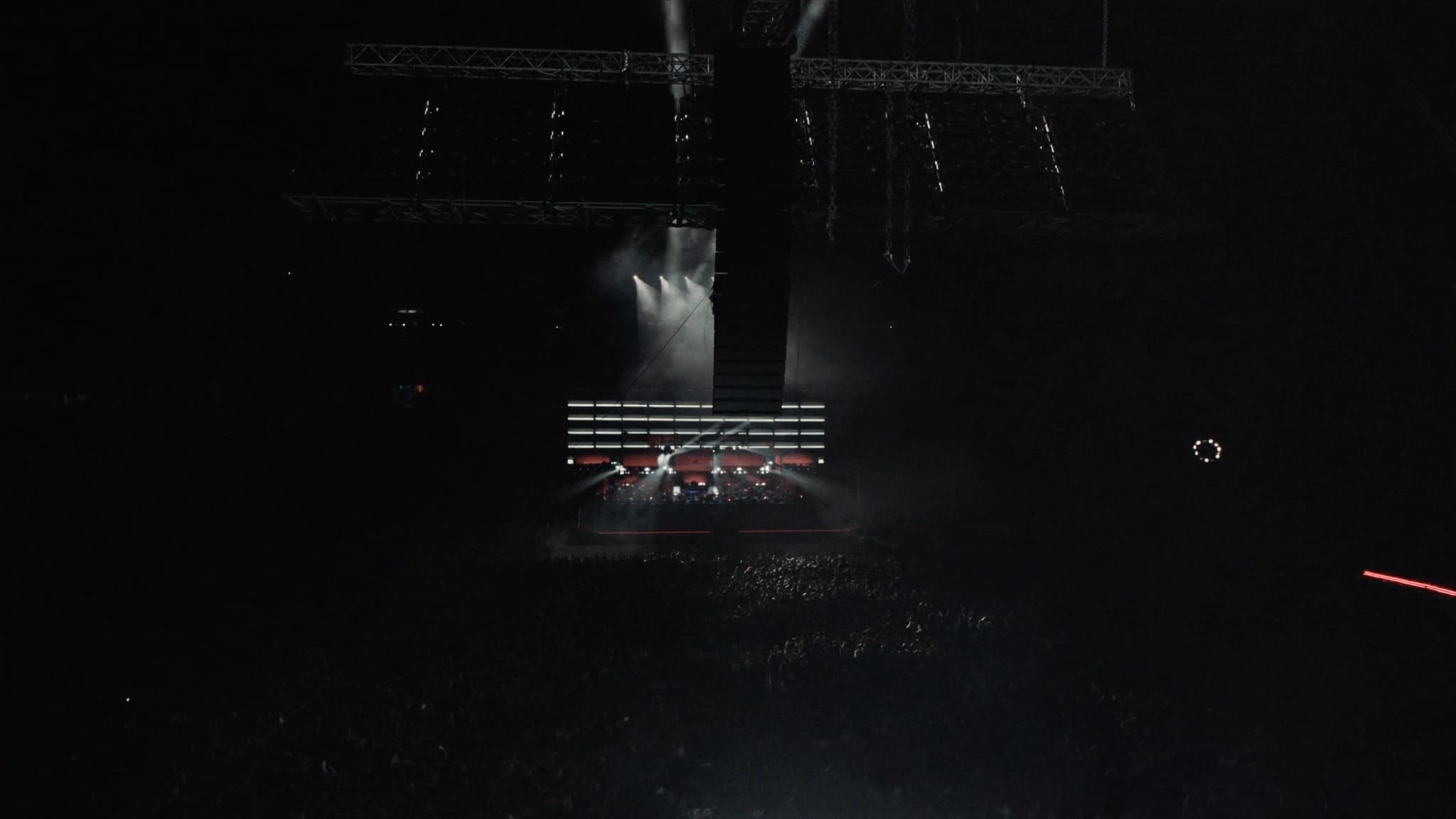
プロオーディオにおいて、SPL、ヘッドルーム、ダイナミックレンジは、システムがクリーンでパワフルなサウンドを届ける能力を定義する3つの柱です。多くのユーザーは最大SPLだけに注目しますが、真のパフォーマンスはこれらの指標がどのように相互作用するかを理解することにあります。SSOUNDSでは、エンジニアリング哲学としてヘッドルームとダイナミックな整合性を優先し、ささやきから轟音まで、あらゆるパフォーマンスが歪みなく再現されることを保証しています。このガイドでは、ラウドネスの背後にある数値を解き明かし、実世界の条件に対応できる十分なヘッドルームを持つシステムを設計する方法を説明します。
主なポイント
- SPLはラウドネスを測定しますが、ヘッドルームとダイナミックレンジが音質とシステムの信頼性を決定します。
- ヘッドルームは公称レベルと歪みの間の安全マージンであり、ライブサウンドには6~10 dBが推奨されます。
- ダイナミックレンジはノイズフロアから最大クリーン出力までの幅であり、広いほどディテールが保たれます。
- システムは平均SPLだけでなく、ピークSPLにヘッドルームを加えて設計してください。
- SSOUNDSのアンプとDSPは、ドライバーを保護しながらヘッドルームを最大化するように設計されています。
- 適切なシステム設計(アレイ構成、サブウーファー配置)は、実効ヘッドルームを増加させることができます。
SPLとは? ラウドネスの基礎
音圧レベル(SPL)はデシベル(dB)で測定され、基準しきい値(通常20 µPa、人間の聴覚のしきい値)に対する音の強度を定量化します。ライブサウンドでは、60 dB(通常の会話)から140 dB以上(至近距離のジェットエンジン)に及ぶSPL値を扱います。プロ用PAシステムは、1メートル地点で130~145 dBピークSPLで日常的に動作します。
しかし、SPLは線形スケールではありません。3 dBの増加は音響エネルギーの倍増を表し、10 dBの増加は約2倍のラウドネスとして知覚されます。この対数的性質は、高いSPLを達成するには指数関数的に多くのアンプパワーとドライバー振幅が必要であることを意味します。例えば、120 dBから130 dBへの増加には10倍のパワーが必要です。SSOUNDSのラインアレイは、最小限のパワーコンプレッションで高いSPLを提供し、持続的なレベルでも一貫した出力を保証するように設計されています。
ヘッドルーム:クリーンなサウンドのための安全マージン
ヘッドルームは、システムの公称動作レベルと歪みが生じる前の最大能力との差です。通常、dBで表されます。6 dBのヘッドルームを持つシステムは、平均レベルより4倍強力なトランジェントピークをクリッピングなしで処理できます。ライブサウンドでは、音楽やスピーチにはRMSレベルをはるかに超えるダイナミックピークが含まれるため、ヘッドルームが重要です。
SSOUNDSは、これらのトランジェントに対応するため、公称より10~12 dB上の余裕あるヘッドルームでアンプとDSPを設計しています。これにより、突然のクレッシェンドやキックドラムのヒットでも、システムはクリーンで歪みなく保たれます。不十分なヘッドルームはクリッピングを引き起こし、耳障りなだけでなくドライバーを損傷する可能性があります。当社のパワーアンプは、コンポーネントを保護しながらヘッドルームを維持する高度なリミッティングを備えています。
ダイナミックレンジ:静から動への幅
ダイナミックレンジは、可能な最大出力(歪みなし)とシステムのノイズフロアとの比です。dBで測定されます。高いダイナミックレンジは、繊細なディテールと雷鳴のようなピークの両方を再現できることを意味します。プロ用PAシステムでは、110~120 dBのダイナミックレンジが一般的です。ノイズフロアには、電子機器からの自己ノイズ、環境ノイズ、ドライバーからの熱ノイズが含まれます。
SSOUNDSは、低ノイズプリアンプ、高解像度DSP(96 kHz/24ビット)、熱圧縮を最小限に抑える効率的なトランスデューサ設計により、広いダイナミックレンジを実現しています。例えば、当社のサブウーファーは115 dBを超えるダイナミックレンジを持ち、最も静かなピアノの音から最も爆発的なインパクトまで、低レベルのディテールをマスクすることなく深い低音を届けます。
ヘッドルームのための設計:実践的な考慮事項
PAシステムを設計する際、ヘッドルームは平均だけでなく、イベントのピークSPL要件に基づいて計算すべきです。よくある間違いは、必要なSPLをぎりぎり満たすシステムを指定し、ヘッドルームをゼロにすることです。これにより歪みやドライバー故障の可能性が生じます。安全な経験則は、予想されるピークSPLより6~10 dB上のヘッドルームで設計することです。
例えば、コンサートがミックス位置で125 dBピークSPLを必要とする場合、システムは131~135 dBピークに対応できる必要があります。SSOUNDSのラインアレイは、負荷を分散するために片側に複数のキャビネットを配置して運用されることが多く、個々のドライバー振幅と熱ストレスを低減します。さらに、適切なサブウーファー統合(カーディオイドアレイ、エンドファイア構成)は、必要な場所にエネルギーを集中させ、破壊的干渉を減らすことでヘッドルームを増加させることができます。
ヘッドルーム管理におけるアンプとDSPの役割
アンプはヘッドルームの原動力です。SSOUNDSのアンプは、高い電流能力を持つスイッチモード電源を使用し、低下することなく持続的なパワーを供給します。当社のDSPには、安全ネットとして機能するマルチバンドリミッターが含まれ、過振幅と熱過負荷を防ぎながら出力を最大化します。リミッターは特定のトランスデューサの熱的および機械的限界に合わせて校正され、システムが損傷なく最大安全レベルで動作できることを保証します。
さらに、DSPは精密なイコライゼーションを可能にし、過剰なヘッドルームの必要性を減らすことができます。共振ピーク(例:低中域)をカットすることで、システムはより少ないパワーでより大きな音を出せます。SSOUNDSのプリセットは、各キャビネット構成に最適化され、SPL、カバレッジ、ヘッドルームのバランスを取っています。
実世界への影響:ヘッドルームが重要な理由
ライブイベントでは、条件は予測不能です。ボーカリストが突然叫んだり、ギターソロが予期せずピークに達したり、観客からの環境ノイズが上昇したりするかもしれません。不十分なヘッドルームのシステムはクリッピングし、可聴歪みや機器の損傷を引き起こす可能性があります。さらに悪いことに、クリッピングはツイーターにストレスを与える高周波高調波を生成し、故障につながることがあります。
SSOUNDSのシステムは、アフリカの屋外フェスティバルからヨーロッパの屋内アリーナまで、厳しい環境での信頼性のために構築されています。当社のエンジニアは、極端なトランジェント(例:キックドラム、シンバルクラッシュ)を含むプログラム素材でシステムをテストし、ヘッドルームが十分であることを確認します。その結果、どのレベルでもクリーンに聞こえるシステムが実現し、サウンドエンジニアは恐れることなくフェーダーを押し上げることができます。
SPL、ヘッドルーム、ダイナミックレンジの測定と指定
PAシステムを比較する際は、ピークSPL定格(連続だけでなく)を確認し、測定条件(例:1メートル、自由音場、半空間)について尋ねてください。ヘッドルームは、連続定格とピーク定格の差によって暗示されることがよくあります。ダイナミックレンジは、最大ピークSPLとノイズフロア(A特性または無補正)の比として指定すべきです。
SSOUNDSは、連続およびピークSPL、アンプパワー、DSPレイテンシーを含むすべての製品の詳細な仕様を提供しています。会場のヘッドルーム要件をモデル化するには、SPL予測ソフトウェア(EASEや当社独自のSSOUNDS ArrayCalcなど)の使用をお勧めします。覚えておいてください。低音量でクリーンに聞こえるシステムは、ヘッドルームに余裕があれば、高音量でさらに良く聞こえます。
よくある質問
連続SPLとピークSPLの違いは何ですか?
連続SPLは時間経過における平均レベルであり、ピークSPLは瞬間的な最大レベルです。ヘッドルームはその差です。例えば、連続130 dB、ピーク140 dBと定格されたシステムは10 dBのヘッドルームを持ちます。
ライブコンサートにはどのくらいのヘッドルームが必要ですか?
最低6 dBが推奨されますが、予測不能なピークには10 dBがより安全です。SSOUNDSはあらゆるトランジェントに対応するため、10~12 dBのヘッドルームでシステムを設計しています。
スピーカーを増やしてヘッドルームを増やすことはできますか?
はい、キャビネットを増やすとドライバーあたりの負荷が減り、振幅と熱ストレスが低下するため、実質的にヘッドルームが増加します。ただし、干渉を避けるため適切なアレイ構成が不可欠です。
システムのダイナミックレンジが低くなる原因は何ですか?
高いノイズフロア(アンプ、ドライバーの自己ノイズ、または環境ノイズによる)と限られた最大SPL(パワーコンプレッションや熱限界による)がダイナミックレンジを減少させます。SSOUNDSは低ノイズ部品と効率的な冷却を使用し、広いダイナミックレンジを維持します。
DSPはヘッドルームにどのように役立ちますか?
DSPは精密なリミッティングとイコライゼーションを可能にします。リミッターは過振幅と過熱を防ぎ、EQは電力を浪費する共振ピークを低減できます。SSOUNDSのプリセットは、各キャビネットのSPLとヘッドルームのバランスを最適化するように調整されています。
システムの構築やアップグレードをお考えですか?
SSOUNDSは、単一の部屋からスタジアム規模まで、プロ用PAを世界中で設計・製造しています。