AI DJ와 자동 믹싱: 라이브 사운드의 미래를 이끄는 기술
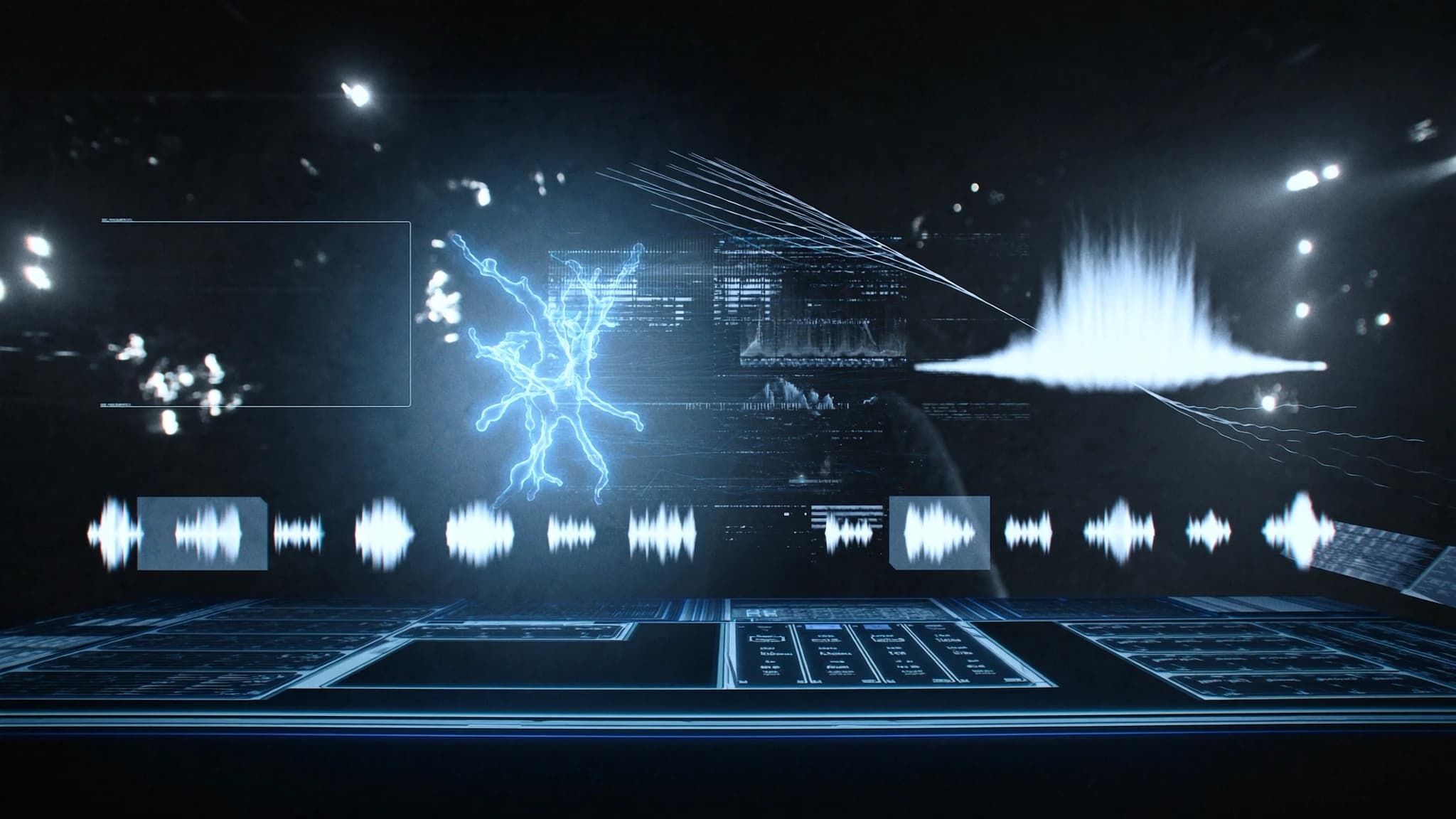
AI DJ와 자동 믹싱 기술은 라이브 사운드 산업에 새로운 패러다임을 제시하고 있습니다. 이 가이드에서는 이 기술이 어떻게 공연과 이벤트의 사운드 품질을 혁신하는지, 그리고 프로 오디오 전문가들이 이를 어떻게 활용할 수 있는지 살펴봅니다.
핵심 요약
- AI DJ와 자동 믹싱은 라이브 사운드의 효율성과 일관성을 크게 향상시킵니다.
- AI 기술은 인간의 창의성을 대체하는 것이 아니라 보완하는 도구로 활용되어야 합니다.
- 자동 믹싱은 실시간으로 레벨, EQ, 다이내믹스를 최적화하여 피드백과 잡음을 줄입니다.
- AI는 사운드 시스템의 커버리지 최적화와 예측 유지보수에도 활용될 수 있습니다.
- 전문 엔지니어의 감독과 개입은 여전히 필수적이며, AI는 그들의 역량을 극대화하는 역할을 합니다.
- SSOUNDS는 AI 기반 기술을 통해 시스템 설계부터 운영까지 전 과정에서 최적의 사운드를 제공합니다.
AI DJ와 자동 믹싱의 등장 배경
라이브 공연과 이벤트에서 사운드 엔지니어의 역할은 그 어느 때보다 중요해졌습니다. 관객은 완벽한 음질과 몰입감을 기대하며, 이에 따라 복잡한 사운드 시스템을 실시간으로 최적화하는 기술이 필요해졌습니다. AI DJ와 자동 믹싱은 이러한 요구에 대응하기 위해 등장했습니다.
AI DJ는 인공지능이 음악의 템포, 에너지, 장르를 분석하여 자동으로 트랙을 선택하고 매끄럽게 전환하는 시스템입니다. 자동 믹싱은 마이크와 악기 신호를 실시간으로 분석하여 레벨, 이퀄라이제이션, 다이내믹스를 자동으로 조정하는 기술입니다. 이 두 기술은 라이브 사운드의 효율성과 일관성을 크게 향상시킵니다.
AI DJ의 작동 원리와 장점
AI DJ는 음악 라이브러리를 분석하여 각 트랙의 BPM, 키, 에너지 레벨, 무드 등의 메타데이터를 추출합니다. 이를 기반으로 현재 재생 중인 곡과 조화를 이루는 다음 곡을 선택하고, 비트매칭과 하모닉 믹싱을 자동으로 수행합니다. 이는 DJ의 창의성을 대체하는 것이 아니라, 반복적이고 기술적인 작업을 보조하여 DJ가 더 창의적인 믹싱에 집중할 수 있게 합니다.
또한 AI DJ는 라이브 환경에서 즉각적인 반응을 제공합니다. 예를 들어, 관객의 반응을 분석하여 에너지가 떨어질 때 템포를 높이거나, 특정 장르로 전환하는 등의 적응형 플레이리스트를 생성할 수 있습니다. 이는 특히 대규모 페스티벌이나 클럽에서 관객의 몰입도를 극대화하는 데 유용합니다.
자동 믹싱: 실시간 사운드 최적화
자동 믹싱 기술은 여러 입력 신호를 분석하여 각 채널의 레벨, 주파수 밸런스, 다이내믹스를 자동으로 조정합니다. 예를 들어, 토크쇼나 패널 토론에서 여러 마이크가 동시에 사용될 때, 자동 믹싱은 말하는 사람의 마이크를 자동으로 강조하고 나머지는 낮추어 피드백과 잡음을 최소화합니다.
SSOUNDS는 이러한 자동 믹싱 기술을 자사의 DSP 및 앰프 시스템에 통합하여, 사용자가 복잡한 설정 없이도 최적의 사운드를 얻을 수 있도록 지원합니다. SSOUNDS의 시스템은 AI 기반 알고리즘을 통해 실시간으로 음장을 분석하고, 스피커 출력을 조정하여 공간의 음향 특성에 맞게 사운드를 최적화합니다.
라이브 사운드에서의 AI 활용 사례
라이브 공연에서 AI는 단순히 믹싱을 자동화하는 것을 넘어, 사운드 시스템의 전반적인 성능을 향상시키는 데 사용됩니다. 예를 들어, AI는 스피커의 커버리지 패턴을 분석하여 청중이 고르게 사운드를 들을 수 있도록 지연 시간과 레벨을 조정할 수 있습니다. 이는 특히 복잡한 실내 공연장이나 야외 스테이지에서 중요합니다.
또한 AI는 장비 고장을 예측하는 데도 활용됩니다. 센서 데이터를 분석하여 스피커 드라이버의 이상 징후를 조기에 감지하고, 유지보수 일정을 최적화하여 공연 중 장애를 방지할 수 있습니다. SSOUNDS는 이러한 예측 유지보수 기능을 자사의 시스템에 적용하여, 공연의 신뢰성을 높이고 있습니다.
AI DJ와 자동 믹싱의 한계와 도전 과제
AI DJ와 자동 믹싱은 많은 장점을 제공하지만, 완벽하지는 않습니다. AI는 인간의 감성과 직관을 완전히 대체할 수 없으며, 특히 예술적인 해석이 필요한 장르에서는 한계가 있습니다. 예를 들어, 재즈나 실험 음악에서의 즉흥적인 연주는 AI가 예측하기 어렵습니다.
또한 자동 믹싱은 라이브 환경의 변수, 예를 들어 관객 소음이나 갑작스러운 피드백을 완벽히 처리하지 못할 수 있습니다. 따라서 전문 사운드 엔지니어의 감독과 개입이 여전히 필요합니다. SSOUNDS는 이러한 한계를 인식하고, AI 기술을 보조 도구로 활용하여 엔지니어의 역량을 극대화하는 방향으로 시스템을 설계합니다.
SSOUNDS의 접근 방식: 인간과 AI의 협업
SSOUNDS는 AI 기술을 도입할 때, 인간의 창의성과 판단력을 대체하는 것이 아니라 보완하는 방향으로 접근합니다. 자사의 DSP 및 앰프 시스템은 AI 기반 자동 믹싱 기능을 제공하지만, 엔지니어가 언제든지 수동으로 개입할 수 있는 유연성을 유지합니다.
또한 SSOUNDS는 AI를 활용한 사운드 시뮬레이션을 통해 시스템 설계 단계에서부터 최적의 스피커 배치와 설정을 제안합니다. 이는 현장에서의 시행착오를 줄이고, 설치 시간을 단축하며, 최종 사운드 품질을 향상시킵니다. SSOUNDS는 기술과 인간의 협업을 통해 라이브 사운드의 새로운 기준을 제시합니다.
자주 묻는 질문
AI DJ가 인간 DJ를 완전히 대체할 수 있나요?
AI DJ는 반복적이고 기술적인 작업을 자동화하여 인간 DJ가 더 창의적인 믹싱에 집중할 수 있게 돕습니다. 그러나 인간의 감성과 즉흥적인 판단은 여전히 중요하며, 완전한 대체는 어렵습니다.
자동 믹싱은 어떤 상황에서 가장 유용한가요?
자동 믹싱은 여러 마이크가 동시에 사용되는 토크쇼, 패널 토론, 컨퍼런스 등에서 특히 유용합니다. 말하는 사람을 자동으로 감지하여 레벨을 조정하고, 피드백과 잡음을 최소화합니다.
AI 기술을 도입하면 사운드 엔지니어의 역할이 줄어드나요?
오히려 AI는 엔지니어가 더 복잡한 문제에 집중할 수 있도록 도와줍니다. AI가 반복적인 작업을 처리하는 동안 엔지니어는 창의적인 사운드 디자인과 문제 해결에 집중할 수 있습니다.
SSOUNDS 시스템에서 AI는 어떻게 활용되나요?
SSOUNDS는 AI 기반 자동 믹싱과 사운드 시뮬레이션을 제공합니다. 자동 믹싱은 실시간으로 사운드를 최적화하고, 시뮬레이션은 시스템 설계 단계에서 최적의 배치와 설정을 제안합니다.
AI DJ와 자동 믹싱 기술은 어떤 장비가 필요한가요?
AI DJ는 소프트웨어와 호환되는 DJ 컨트롤러나 컴퓨터가 필요하며, 자동 믹싱은 DSP 및 네트워크 오디오 기능을 갖춘 믹서나 프로세서가 필요합니다. SSOUNDS 시스템은 이러한 기능을 통합 제공합니다.
시스템을 새로 구축하거나 업그레이드하시나요?
SSOUNDS는 단일 공간부터 스타디움 규모까지, 전 세계에서 전문 PA 시스템을 설계하고 제작합니다.