AI Music Production and Live Performance

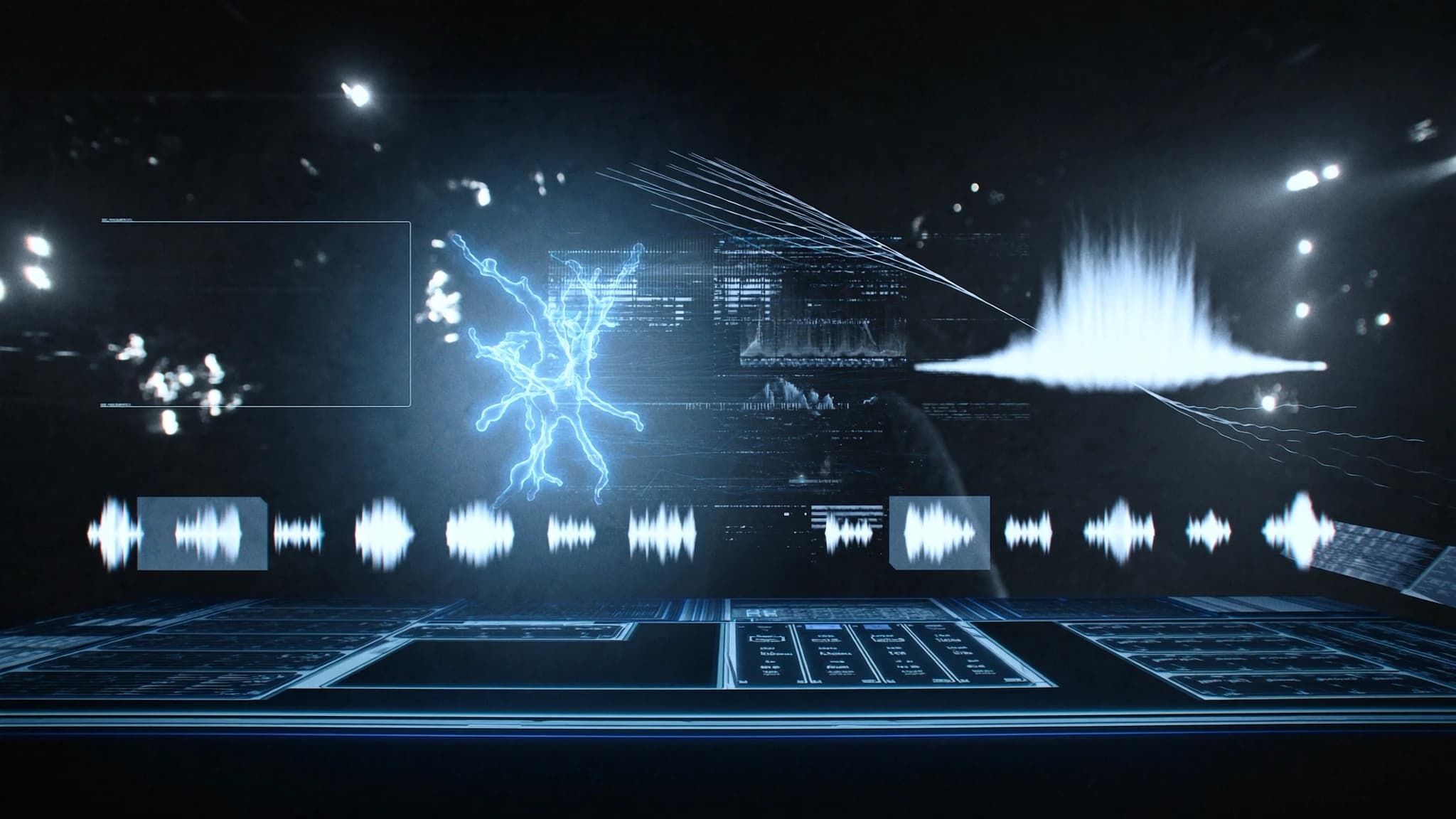
Artificial intelligence is reshaping music creation and live performance, offering tools that generate, arrange, and manipulate sound in real time. As AI becomes more integrated into workflows, a critical debate emerges: is AI a creative partner or a threat to human artistry? This guide explores the current landscape of AI music production, its impact on live shows, and how professionals can harness these tools without losing artistic integrity.
Key takeaways
- AI tools can generate and arrange music, but human curation is essential for emotional depth and artistic intent.
- Real-time AI manipulation in live performance offers new expressive possibilities, but should be used judiciously.
- The artist-vs-tool debate is nuanced; AI is a powerful assistant, not a replacement for human creativity.
- Hybrid workflows that combine AI generation with human refinement yield the best results.
- AI-driven DSP in PA systems can optimize sound quality, letting performers focus on their craft.
- The future of AI in music is collaborative, with systems that learn and adapt to individual artists.
AI in Music Creation: From Generation to Arrangement
AI-powered platforms like OpenAI's MuseNet, Google's Magenta, and commercial tools such as LANDR and Amper Music can generate melodies, harmonies, and full arrangements from simple prompts. These systems use machine learning trained on vast datasets of existing music to produce stylistically coherent outputs. For producers, AI can accelerate ideation, suggest chord progressions, or create backing tracks, freeing up time for creative refinement.
However, the quality of AI-generated music often lacks the emotional nuance and intentionality of human composition. SSOUNDS engineers note that while AI can handle repetitive tasks, the artistic decisions—timbre, dynamics, spatial placement—still require human ears. The best results come from hybrid workflows where AI provides raw material that the artist shapes and polishes.
Real-Time AI Manipulation in Live Performance
Live performance is seeing a surge in AI tools for real-time audio manipulation. Plugins like iZotope's VocalSynth, Antares Auto-Tune, and more experimental tools such as Google's NSynth Super allow performers to transform vocals, instruments, and effects on the fly. AI can analyze incoming audio and apply harmonization, pitch correction, or timbral shifts in milliseconds, enabling new expressive possibilities.
For sound reinforcement, AI-driven DSP is becoming common. SSOUNDS integrates machine learning into its loudspeaker presets to optimize coverage and intelligibility based on room acoustics. This ensures that AI-enhanced performances sound clear and balanced, even in challenging venues. The key is that AI handles the technical heavy lifting, allowing artists to focus on performance.
The Artist-vs-Tool Debate: Creativity or Crutch?
Critics argue that AI risks homogenizing music, as algorithms favor statistically common patterns. There is concern that over-reliance on AI could diminish the role of human intuition and risk-taking that defines great art. Proponents counter that AI is simply another instrument—like the synthesizer or sampler—that expands the palette of possibilities.
The most compelling perspective is that AI is a tool, not a replacement. SSOUNDS believes that technology should amplify human creativity, not substitute it. In live sound, AI can automate complex system tuning, but the engineer's ear and artistic vision remain irreplaceable. The debate ultimately comes down to how we define authorship and authenticity in an age of algorithmic assistance.
Practical Workflows for AI-Assisted Music Production
To integrate AI effectively, start with generative tools for inspiration: feed a prompt to an AI composer to get a rough sketch, then arrange and produce it in your DAW. Use AI mastering services like LANDR for quick preliminary masters, but always do final adjustments by ear. For arrangement, AI can analyze your track and suggest structural changes, but you decide what serves the song.
In live performance, use AI effects sparingly and with intention. A vocal harmonizer can add depth, but constant processing can feel gimmicky. SSOUNDS recommends testing AI-driven effects during soundcheck to ensure they interact well with the PA system. Real-time AI should enhance, not overwhelm, the natural performance.
The Future: AI as Collaborative Partner
As AI evolves, we will likely see more seamless integration where AI learns an artist's style and offers personalized suggestions. Already, tools like AIVA compose for film scores, and OpenAI's Jukebox can generate songs in specific genres. The next frontier is interactive AI that responds to live audience feedback or improvises alongside musicians.
For live sound, AI could eventually predict and prevent feedback, automatically adjust EQ based on crowd noise, or even mix monitors in real time. SSOUNDS is exploring how machine learning can enhance system performance without sacrificing the engineer's control. The goal is a symbiotic relationship where AI handles complexity and humans handle creativity.
Frequently asked
Can AI replace human musicians in live performance?
Not entirely. AI can generate parts or effects, but live performance relies on human expression, spontaneity, and connection with the audience. AI is best used as a tool to augment, not replace, musicians.
What are the best AI tools for music production?
Popular tools include LANDR for mastering, Amper Music for composition, and iZotope's Neutron for mixing assistance. The best choice depends on your workflow—experiment to find what complements your creative process.
Does AI-generated music have copyright issues?
Yes, copyright law is still evolving. Generally, works created solely by AI may not be copyrightable. However, if a human makes significant creative contributions, the resulting work can be protected. Always check the terms of the AI tool you use.
How can I use AI in live sound without compromising quality?
Use AI for system optimization (e.g., automatic EQ or feedback suppression) but rely on your ears for final adjustments. Test AI effects thoroughly during rehearsal. SSOUNDS systems are designed to integrate AI-driven DSP while maintaining full manual override.
Will AI make audio engineers obsolete?
No. AI can automate repetitive tasks like tuning or metering, but creative decisions, troubleshooting, and adapting to unique venue challenges require human expertise. AI will change the role, not eliminate it.
Building or upgrading a system?
SSOUNDS engineers and manufactures professional PA worldwide — from a single room to stadium scale.