라이브 사운드를 위한 최적의 네트워크 토폴로지
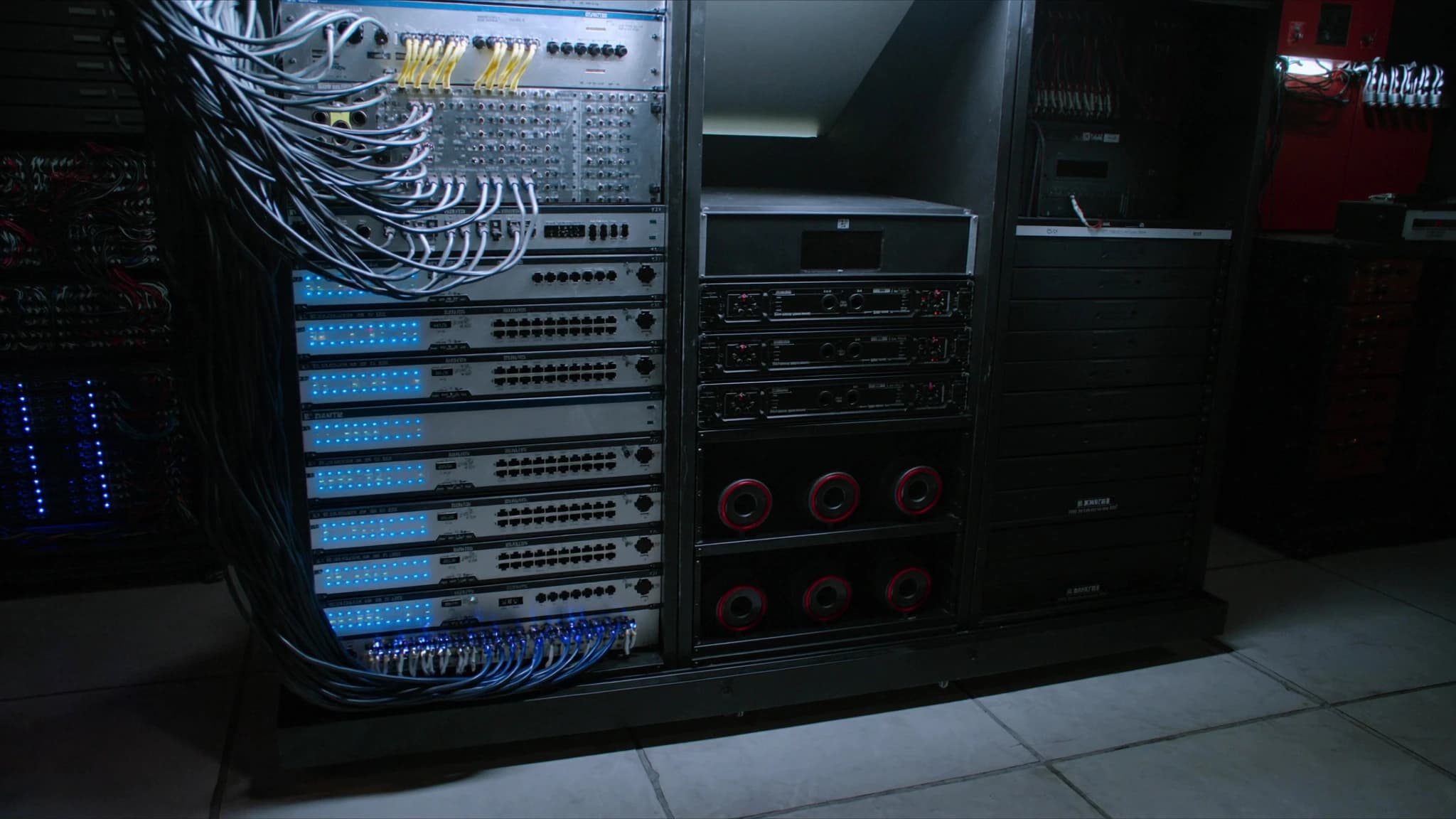
라이브 사운드 시스템에서 네트워크는 단순한 데이터 전송 수단이 아니라, 오디오 품질과 시스템 안정성을 결정하는 핵심 요소입니다. SSOUNDS는 수년간의 엔지니어링 경험을 바탕으로, 라이브 공연에서 요구되는 최고 수준의 신뢰성과 성능을 제공하는 네트워크 토폴로지를 설계합니다. 이 가이드에서는 라이브 사운드 환경에 가장 적합한 네트워크 구조를 선택하고 구현하는 방법을 전문가의 관점에서 설명합니다.
핵심 요약
- 라이브 사운드 네트워크는 초저지연과 높은 신뢰성이 필수이며, 토폴로지 선택이 시스템 성능을 좌우합니다.
- 스타 토폴로지는 관리가 쉽고 안정적이지만, 중앙 스위치의 단일 장애점을 고려해야 합니다.
- 링 토폴로지는 이중화를 제공하여 대규모 공연에 적합하며, 장애 발생 시에도 시스템이 계속 작동합니다.
- 하이브리드 토폴로지는 각 구역의 요구사항에 맞춰 최적의 구조를 결합한 가장 실용적인 솔루션입니다.
- 네트워크 스위치와 케이블의 품질이 전체 시스템의 성능을 결정하므로, 적절한 선택이 중요합니다.
- SSOUNDS는 전문적인 네트워크 설계 및 지원을 통해 최상의 라이브 사운드 경험을 제공합니다.
네트워크 토폴로지의 기본 개념
네트워크 토폴로지는 장치들이 어떻게 연결되는지에 대한 구조적 설계를 의미합니다. 라이브 사운드에서 주로 사용되는 토폴로지는 스타(Star), 링(Ring), 데이지 체인(Daisy Chain)입니다. 각각의 구조는 장단점이 있으며, 시스템의 규모와 요구사항에 따라 적합한 선택이 달라집니다.
스타 토폴로지는 모든 장치가 중앙 스위치에 연결되는 구조로, 관리가 용이하고 장애 발생 시 해당 장치만 격리할 수 있어 안정성이 높습니다. 링 토폴로지는 장치들이 순환 구조로 연결되어 이중화 경로를 제공하며, 케이블 절단 시에도 통신이 유지되는 장점이 있습니다. 데이지 체인은 가장 단순한 구조로, 장치를 직렬로 연결하지만 중간에 문제가 생기면 전체 시스템이 영향을 받을 수 있습니다.
SSOUNDS는 대규모 라이브 공연에서 스타와 링을 결합한 하이브리드 구조를 권장합니다. 이는 중앙 집중식 관리의 이점과 이중화의 안전성을 동시에 확보할 수 있기 때문입니다.
라이브 사운드 네트워크의 핵심 요구사항
라이브 사운드 네트워크는 일반 IT 네트워크와 달리 초저지연, 높은 대역폭, 그리고 실시간 동기화가 필수입니다. 오디오 신호는 지연이 1ms만 초과해도 청중이 인지할 수 있는 위상 문제가 발생할 수 있습니다. 따라서 네트워크 토폴로지는 지연을 최소화하는 방향으로 설계되어야 합니다.
또한, 라이브 공연 중에는 시스템이 중단되지 않아야 하므로 이중화(Redundancy)가 중요합니다. 네트워크 스위치의 이중화, 케이블의 이중화, 그리고 프로토콜 수준의 이중화(예: Dante의 Secondary 포트)를 통해 단일 장애점(SPOF)을 제거해야 합니다.
SSOUNDS는 자사의 DSP 및 앰프 시스템에서 네트워크 이중화를 기본으로 지원하며, 장애 발생 시 자동으로 백업 경로로 전환되는 기능을 제공합니다. 이를 통해 공연 중 네트워크 장애로 인한 오디오 중단을 방지할 수 있습니다.
스타 토폴로지: 관리 용이성과 안정성
스타 토폴로지는 모든 오디오 장치(스테이지 박스, 앰프, DSP, 콘솔)가 중앙 네트워크 스위치에 연결되는 구조입니다. 이 구조는 네트워크 관리가 간편하고, 각 장치의 상태를 중앙에서 모니터링하기 쉽습니다. 또한, 하나의 장치에 문제가 발생해도 다른 장치에 영향을 주지 않아 문제 해결이 빠릅니다.
스타 토폴로지의 단점은 중앙 스위치가 단일 장애점이 된다는 것입니다. 따라서 SSOUNDS는 중앙 스위치를 이중화하거나, 스위치 자체의 고장 감지 기능을 활용하여 백업 스위치로 자동 전환하는 구성을 권장합니다.
소규모 라이브 공연이나 고정 설치 시스템에서는 스타 토폴로지가 가장 적합합니다. 케이블 길이가 짧고, 장치 수가 적기 때문에 비용 효율적이며 유지보수가 쉽습니다.
링 토폴로지: 이중화와 확장성
링 토폴로지는 장치들이 원형으로 연결되어 각 장치가 두 개의 이웃 장치와 연결됩니다. 이 구조는 데이터가 양방향으로 전송될 수 있어, 한쪽 경로가 끊겨도 반대 방향으로 통신이 계속됩니다. 따라서 링 토폴로지는 높은 이중화를 제공합니다.
링 토폴로지는 대규모 라이브 공연이나 투어 시스템에서 특히 유용합니다. 예를 들어, 스테이지와 FOH(전면 하우스) 사이의 거리가 멀 때, 링 구조로 연결하면 케이블 절단이나 장치 고장에도 시스템이 계속 작동할 수 있습니다.
SSOUNDS는 Dante 및 AES67 프로토콜을 지원하는 장비에서 링 토폴로지를 구현할 수 있도록 설계했습니다. 링 토폴로지는 스타에 비해 케이블 사용량이 많아질 수 있지만, 안정성 측면에서 탁월한 선택입니다.
하이브리드 토폴로지: 최적의 균형
실제 라이브 사운드 환경에서는 단일 토폴로지보다는 하이브리드 구조가 더 자주 사용됩니다. 예를 들어, 스테이지 박스와 모니터 콘솔을 스타로 연결하고, 메인 콘솔과 앰프 랙을 링으로 연결하는 방식입니다. 이렇게 하면 각 구역의 특성에 맞는 최적의 구조를 적용할 수 있습니다.
SSOUNDS는 프로젝트마다 공연장의 크기, 장치 수, 케이블 경로, 예산 등을 고려하여 하이브리드 토폴로지를 설계합니다. 우리는 시뮬레이션 도구를 사용하여 네트워크 지연과 장애 시나리오를 분석하고, 가장 안정적인 구성을 제안합니다.
하이브리드 토폴로지는 복잡성을 증가시킬 수 있지만, SSOUNDS의 시스템 설계 엔지니어가 초기 구성부터 지원하므로 사용자는 복잡함을 걱정할 필요가 없습니다.
네트워크 스위치와 케이블 선택
네트워크 토폴로지의 성능은 스위치와 케이블의 품질에 크게 의존합니다. 라이브 사운드용 스위치는 기가비트 이상의 속도, 낮은 지연, QoS(Quality of Service) 지원, 그리고 PoE(Power over Ethernet) 기능이 필요합니다. 또한, 실시간 오디오 트래픽을 우선 처리할 수 있는 기능이 필수입니다.
케이블은 Cat5e 이상의 차폐 케이블을 사용해야 하며, 특히 무대 환경에서는 기계적 강도가 높은 케이블을 선택해야 합니다. SSOUNDS는 고품질의 이더넷 케이블과 커넥터를 사용하여 신호 무결성을 보장합니다.
또한, 네트워크 스위치의 관리 기능(Managed Switch)을 활용하여 VLAN을 구성하고, 오디오 트래픽을 분리하는 것이 좋습니다. 이를 통해 다른 네트워크 트래픽의 간섭을 방지할 수 있습니다.
SSOUNDS의 네트워크 설계 접근법
SSOUNDS는 모든 라이브 사운드 시스템에 대해 네트워크 토폴로지를 설계할 때, 먼저 고객의 요구사항과 공연장의 특성을 분석합니다. 우리는 AI 기반 시뮬레이션을 통해 다양한 토폴로지의 성능을 예측하고, 최적의 구성을 제안합니다.
우리의 엔지니어링 팀은 Dante, AES67, 그리고 자체 프로토콜을 지원하는 장비를 통해 유연한 네트워크 구성을 제공합니다. 또한, 시스템 설치 후에는 네트워크 모니터링 도구를 제공하여 실시간으로 상태를 확인하고, 문제 발생 시 신속하게 대응할 수 있도록 합니다.
SSOUNDS는 고객이 네트워크 설계에 대한 전문 지식이 없더라도, 우리의 전문가가 전 과정을 지원하여 최상의 성능을 보장합니다. 우리는 단순히 장비를 판매하는 것이 아니라, 완벽한 사운드 솔루션을 제공합니다.
자주 묻는 질문
라이브 사운드에서 가장 안전한 네트워크 토폴로지는 무엇인가요?
가장 안전한 토폴로지는 이중화를 제공하는 링 토폴로지입니다. 링 구조는 한쪽 경로가 끊겨도 반대 방향으로 통신이 유지되므로, 대규모 공연에서도 시스템 중단을 방지할 수 있습니다. SSOUNDS는 링 토폴로지를 지원하며, 장애 발생 시 자동으로 백업 경로를 사용합니다.
스타 토폴로지와 링 토폴로지 중 어떤 것을 선택해야 하나요?
소규모 시스템이나 고정 설치에서는 스타 토폴로지가 관리가 쉽고 비용 효율적입니다. 대규모 투어나 중요한 공연에서는 링 토폴로지가 이중화를 제공하여 더 안전합니다. SSOUNDS는 프로젝트의 규모와 요구사항을 분석하여 최적의 토폴로지를 제안합니다.
네트워크 지연을 최소화하려면 어떻게 해야 하나요?
지연을 최소화하려면 기가비트 이상의 스위치를 사용하고, 오디오 트래픽에 QoS를 적용하며, 케이블 길이를 최대한 짧게 유지해야 합니다. 또한, 네트워크에 불필요한 장치를 연결하지 않고, 전용 VLAN을 구성하는 것이 좋습니다. SSOUNDS의 시스템은 지연을 최소화하도록 설계되어 있습니다.
네트워크 이중화를 구현하려면 어떤 장비가 필요한가요?
이중화를 위해서는 이중화 기능을 지원하는 스위치와 장비가 필요합니다. 예를 들어, Dante 프로토콜은 Primary와 Secondary 포트를 제공하여 별도의 네트워크 경로를 구성할 수 있습니다. SSOUNDS의 앰프와 DSP는 이러한 이중화를 지원합니다.
SSOUNDS는 네트워크 설계를 지원하나요?
네, SSOUNDS는 시스템 설계 단계에서부터 네트워크 토폴로지 설계를 지원합니다. 우리는 공연장의 특성을 분석하고, AI 시뮬레이션을 통해 최적의 구성을 제안합니다. 또한, 설치 후에도 네트워크 모니터링을 지원하여 문제 발생 시 신속히 대응합니다.
시스템을 새로 구축하거나 업그레이드하시나요?
SSOUNDS는 단일 공간부터 스타디움 규모까지, 전 세계에서 전문 PA 시스템을 설계하고 제작합니다.