AI Automatische Feedbackonderdrukking Uitgelegd
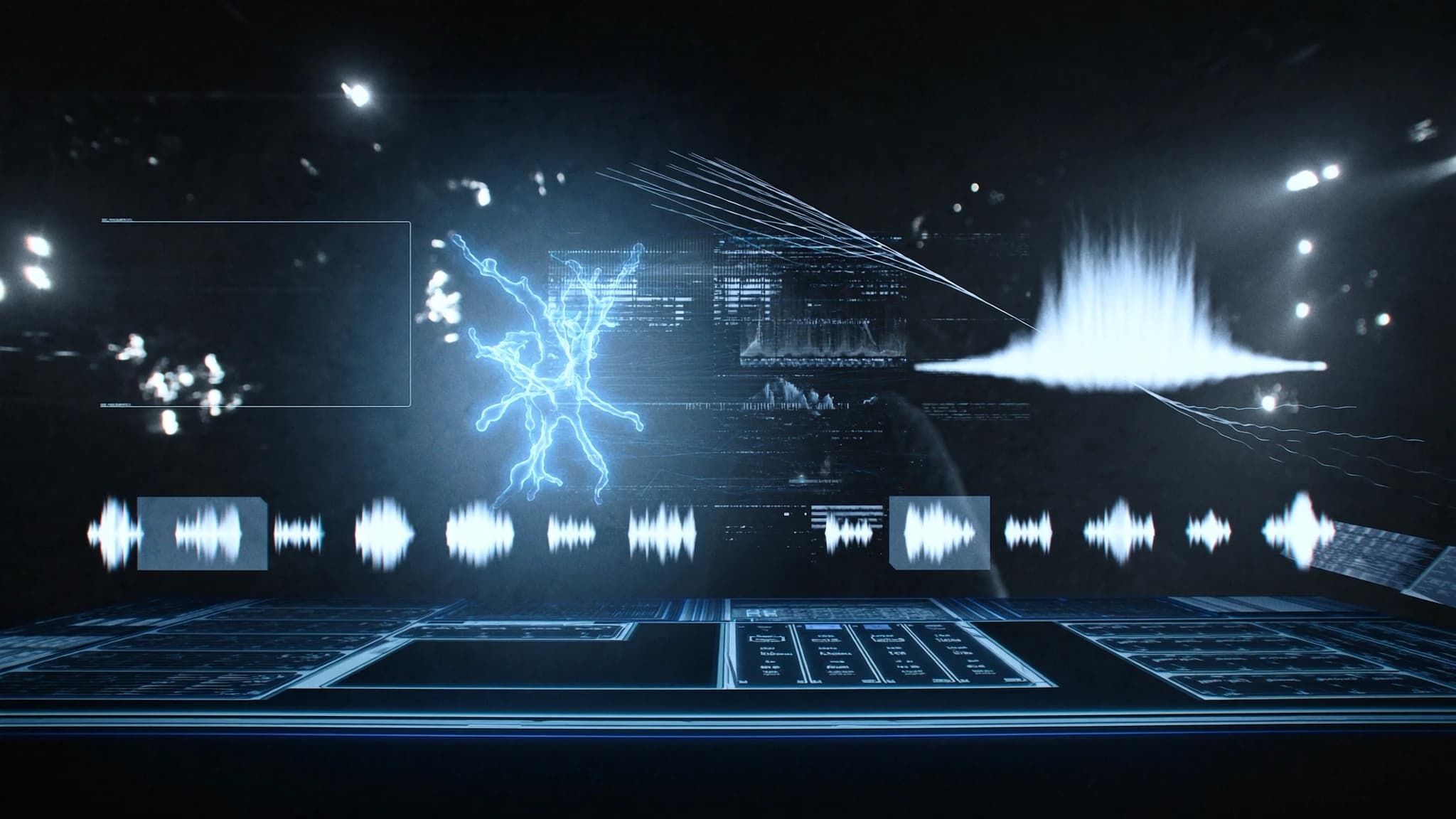
AI-gestuurde feedbackonderdrukking transformeert live sound door machine learning te gebruiken om feedback te detecteren en te elimineren voordat deze hoorbaar wordt. In tegenstelling tot traditionele methoden die reageren nadat feedback optreedt, analyseren AI-systemen spectrale inhoud in realtime, voorspellen ze resonante opbouw en passen ze adaptieve notch-filtering toe met chirurgische precisie. SSOUNDS integreert geavanceerde AI-feedbackonderdrukking in zijn DSP-ecosysteem en biedt geluidstechnici een krachtig hulpmiddel voor schone prestaties met hoge gain-before-feedback.
Belangrijkste punten
- AI-feedbackonderdrukking gebruikt realtime spectrale analyse en ML om feedback te detecteren voordat deze hoorbaar wordt.
- Adaptieve notch-filters passen zich dynamisch aan en behouden de geluidskwaliteit beter dan statische EQ-cuts.
- Het systeem van SSOUNDS leert ruimteresonanties tijdens de soundcheck voor snellere, nauwkeurigere onderdrukking.
- AI-onderdrukking is een krachtig hulpmiddel, maar moet een aanvulling zijn op correcte systeemafstemming en podiumtechniek.
- Continue modeltraining op basis van live-data verbetert de prestaties in de loop van de tijd.
- SSOUNDS integreert AI-onderdrukking across zijn hele productgamma voor consistente, intelligente feedbackbeheersing.
Waarom traditionele feedbackonderdrukking tekortschiet
Conventioneel feedbackbeheer vertrouwt op grafische equalizers of parametrische filters die tijdens de soundcheck worden ingesteld. Deze statische notches zijn alleen effectief voor vaste resonante frequenties, maar de akoestiek van de ruimte, de microfoonplaatsing en de beweging van de artiest zorgen ervoor dat feedbackfrequenties dynamisch verschuiven. Technici grijpen vaak naar drastische EQ-cuts die de geluidskwaliteit aantasten.
Automatische feedbackonderdrukkers (AFS) bestaan al decennia en gebruiken vaste notch-filters die worden geactiveerd door feedbackdetectie. Ze reageren echter meestal nadat feedback al is begonnen, wat hoorbaar 'rinkelen' of 'huilen' veroorzaakt voordat het filter ingrijpt. Ze missen ook de intelligentie om feedback te onderscheiden van muzikale inhoud, wat leidt tot valse positieven die gewenste frequenties doden.
Het AI-voordeel: realtime spectrale analyse
AI-gestuurde feedbackonderdrukking begint met continue spectrale analyse van het audiosignaal. Een neuraal netwerk is getraind op duizenden uren live-opnames om de vroege kenmerken van feedback te herkennen: smalbandige energieopbouw, fasecoherentie en exponentiële groeipatronen. De implementatie van SSOUNDS gebruikt een toegewijde DSP-core die FFT-analyse uitvoert met intervallen van minder dan een milliseconde.
Het AI-model identificeert potentiële feedbackfrequenties voordat ze hoorbaar worden, en detecteert vaak het begin van rinkelen 50-100 milliseconden sneller dan traditionele methoden. Deze anticiperende capaciteit stelt het systeem in staat een zachte, adaptieve notch-filter toe te passen die de problematische frequentie soepel verzwakt zonder hoorbare artefacten.
Adaptieve notch-filtering: precisie zonder compromis
Zodra een feedbackfrequentie is geïdentificeerd, activeert de AI een adaptieve notch-filter. In tegenstelling tot vaste notches zijn deze filters dynamisch: hun diepte, breedte en centerfrequentie passen zich in realtime aan op basis van de ernst en persistentie van de feedback. De filters van SSOUNDS gebruiken een eigen algoritme dat faseverschuiving en group delay minimaliseert, waardoor het natuurlijke geluid van de mix behouden blijft.
Het systeem gebruikt ook een 'leer'-modus tijdens de soundcheck, waarin het de resonante modi van de ruimte in kaart brengt en een bank van potentiële filters vooraf instelt. Tijdens de show kruisverwijst de AI realtime analyse met deze geleerde kaart, waardoor de reactietijd verder afneemt. Filters worden automatisch vrijgegeven wanneer het feedbackrisico afneemt, zodat er geen onnodige EQ wordt toegepast.
Machine learning-detectie: rinkelen voordat het zich opbouwt
De kerninnovatie is ML-gebaseerde detectie van 'rinkelen', de pre-feedback oscillatie die optreedt wanneer een frequentie begint te resoneren. De AI analyseert de snelheid van energie toename in smalle banden en vergelijkt deze met een model van stabiele muzikale inhoud. Als de groeicurve een drempel overschrijdt die op feedback wijst, grijpt het systeem in.
SSOUNDS traint zijn modellen op diverse datasets, waaronder spraak, zang, akoestische instrumenten en versterkte bronnen, om valse triggers te voorkomen. Het resultaat is een onderdrukkingssysteem dat transparant werkt, zelfs tijdens complexe muzikale passages, zoals aanhoudende gitaarfeedback of vocale vibrato, die eenvoudigere algoritmen kunnen misleiden.
Sterke punten en beperkingen van AI-feedbackonderdrukking
Sterke punten: AI-onderdrukking biedt hogere gain-before-feedback, schoner geluid met minder EQ-cuts en aanpasbaarheid aan veranderende akoestiek. Het vermindert de werkdruk van de technicus tijdens shows en kan uitdagende ruimtes redden. Het systeem van SSOUNDS integreert naadloos met zijn line arrays en DSP en biedt een uniforme oplossing.
Beperkingen: AI-onderdrukking is geen vervanging voor correcte systeemafstemming, microfoontechniek of podiumopstelling. Het kan worden misleid door extreme feedbackgebeurtenissen of ongebruikelijke geluidsbronnen die niet in de trainingsdata voorkomen. Latentie, hoewel minimaal, bestaat in de analyseketen. De beste praktijk is om AI-onderdrukking te gebruiken als een vangnet, niet als primair hulpmiddel.
Beste praktijken voor het gebruik van AI-feedbackonderdrukking
1. Begin met een goed afgestemde PA: gebruik de systeemuitlijningshulpmiddelen van SSOUNDS om een vlakke respons en correcte dekking te bereiken voordat u AI-onderdrukking inschakelt. 2. Stel conservatieve drempels in: te agressieve onderdrukking kan de mix dof maken. 3. Gebruik de leermodus tijdens de soundcheck om ruimteresonanties in kaart te brengen. 4. Monitor het systeem: zelfs AI kan zeldzame gebeurtenissen missen; blijf aandachtig. 5. Combineer met fysieke beste praktijken: houd monitors uit de as van microfoons, gebruik cardioïde patronen en beheer het podiumvolume.
SSOUNDS biedt een gebruikersinterface waarmee technici de gevoeligheid, filterdiepte en releasetijd van de AI kunnen aanpassen, zodat ze volledige controle hebben. Het systeem logt ook feedbackgebeurtenissen voor analyse na de show, wat helpt bij het verfijnen van de opstelling voor toekomstige optredens.
De aanpak van SSOUNDS voor AI-feedbackonderdrukking
SSOUNDS heeft AI-feedbackonderdrukking geïntegreerd als kernfunctie van zijn DSP-platform, beschikbaar across zijn line arrays, point-source luidsprekers en stage monitors. Het systeem is ontworpen om samen te werken met de geavanceerde FIR-filtering en fasecorrectie van SSOUNDS, zodat de onderdrukking de algehele sonische coherentie niet aantast.
Technici kunnen AI-onderdrukking per uitgangskanaal inschakelen, wat gerichte controle mogelijk maakt op monitormixen of problematische zones. SSOUNDS blijft zijn ML-modellen verfijnen met velddata uit honderden producties, waardoor het systeem met elke firmware-update slimmer wordt. Deze toewijding aan AI-gestuurde innovatie positioneert SSOUNDS aan de voorhoede van intelligente live sound-versterking.
Veelgestelde vragen
Kan AI-feedbackonderdrukking feedback volledig elimineren?
Nee, maar het kan feedbackgebeurtenissen aanzienlijk verminderen en de gain-before-feedback verhogen. Het werkt het beste als onderdeel van een uitgebreide systeembenadering, inclusief correcte microfoontechniek en PA-afstemming.
Beïnvloedt AI-onderdrukking de geluidskwaliteit?
Bij een goed ontwerp is de impact minimaal. De adaptieve filters van SSOUNDS zijn ontworpen om transparant te zijn, zonder hoorbare artefacten tijdens normaal gebruik. Te agressieve instellingen kunnen het geluid dof maken, dus conservatieve drempels worden aanbevolen.
Hoe verschilt de AI-onderdrukking van SSOUNDS van standaard automatische feedbackonderdrukkers?
Standaard AFS-eenheden reageren nadat feedback is begonnen en gebruiken vaste notches. De AI van SSOUNDS voorspelt feedback voordat deze optreedt, gebruikt adaptieve filters die in realtime veranderen en leert de akoestiek van de ruimte voor een snellere, nauwkeurigere respons.
Is AI-feedbackonderdrukking beschikbaar op alle SSOUNDS-producten?
Het is geïntegreerd in het DSP-platform dat de professionele line arrays, point-source luidsprekers en stage monitors van SSOUNDS aanstuurt. Controleer de productspecificaties voor beschikbaarheid.
Heb ik nog een grafische equalizer nodig als ik AI-onderdrukking gebruik?
Ja, voor algemene systeemafstemming en toonregeling. AI-onderdrukking is een hulpmiddel voor feedbackbeheer, geen vervanging voor EQ. Een goed afgestemd systeem klinkt altijd beter en is stabieler.
Een systeem bouwen of upgraden?
SSOUNDS ontwerpt en produceert professionele PA wereldwijd, van een enkele ruimte tot stadionformaat.