Hoe SSOUNDS-luidsprekers worden gebruikt in liveproducties
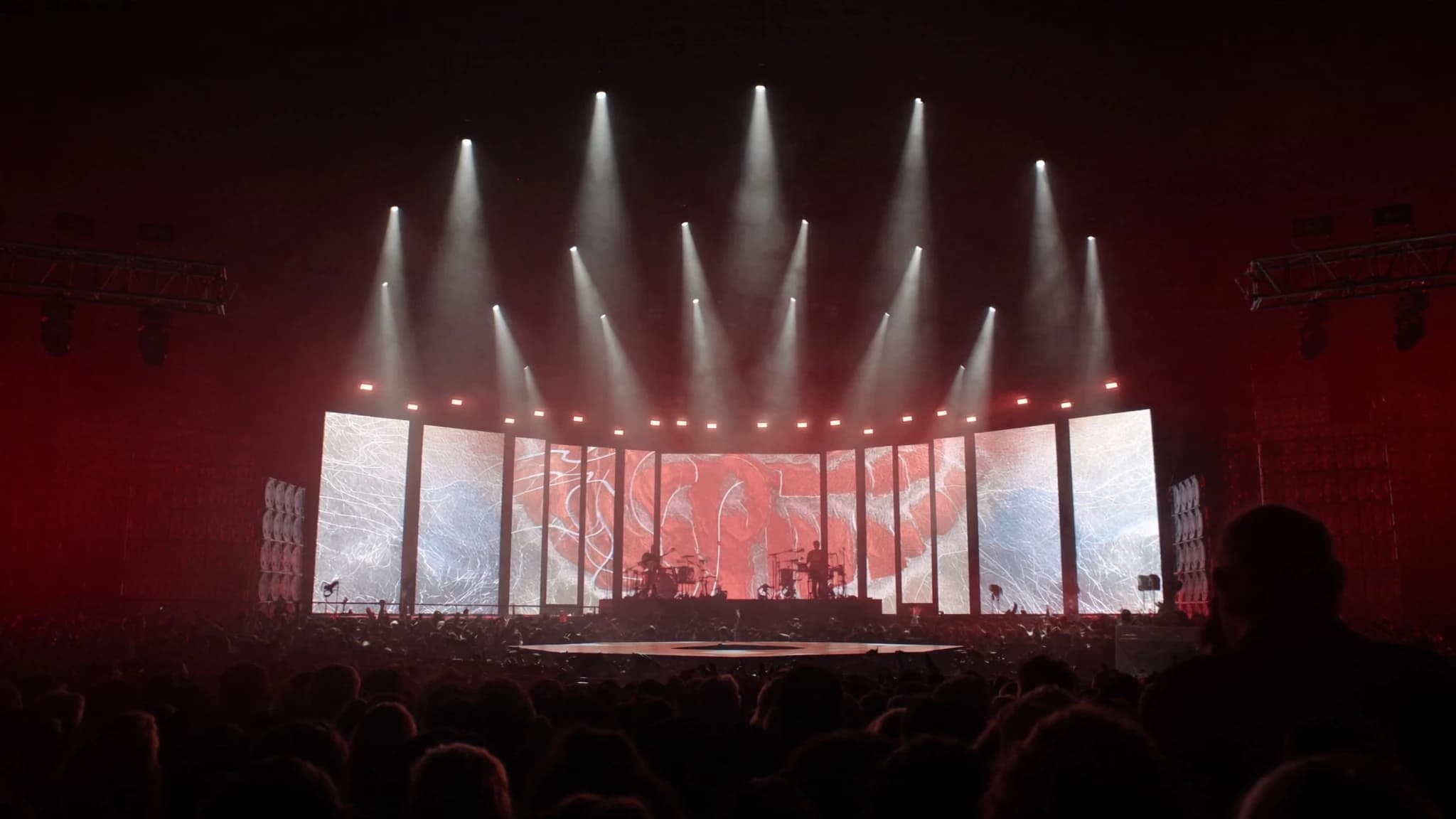
Van festivalhoofdpodia tot zakelijke keynote-zalen: SSOUNDS-luidsprekersystemen zijn ontworpen om consistent, hoogwaardig geluid te leveren in de meest veeleisende liveproductieomgevingen. Deze gids onderzoekt hoe SSOUNDS-line-arrays, subwoofers, point-source-kasten, podiummonitors, versterkers en DSP worden ingezet in tourproducties, festivals, worship en zakelijke producties, met aandacht voor FOH, monitors, delay-ringen en integratie met het bredere AVL-ecosysteem.
Belangrijkste punten
- SSOUNDS-line-arrays bieden consistente dekking en hoge SPL voor festivalhoofdpodia en grote tourproducties.
- Subwoofers worden ingezet in cardioïde of end-fire-arrays voor gecontroleerde laagimpact en verminderd podiumgerommel.
- Point-source-luidsprekers bieden flexibiliteit voor front-fill-, side-fill- en delay-toepassingen in zowel grote als kleine locaties.
- Podiummonitors leveren hoge SPL en lage vervorming voor heldere artiestenmonitoring in tour- en festivalomgevingen.
- Versterkers en DSP zijn geïntegreerd met netwerkprotocollen (Dante, AES67) voor externe bediening en naadloze console-integratie.
- SSOUNDS-systemen schalen van zakelijke boardrooms tot festivalhoofdpodia, met DSP-presets geoptimaliseerd voor elke inzet.
Line-arrays: de ruggengraat van grootschalige dekking
SSOUNDS-line-arraysystemen zijn ontworpen voor tourproducties en festivalhoofdpodia waar consistente dekking en hoge SPL cruciaal zijn. Hun modulaire rigging en geoptimaliseerde waveguide-geometrie maken snelle inzet en voorspelbare patroonbeheersing mogelijk, zelfs in uitdagende buitenomgevingen. Technici kunnen arrays van verschillende lengtes hangen, afhankelijk van de worpafstand en publieksgeometrie, waarbij de hoeken tussen arrays per locatie worden aangepast om interferentie te minimaliseren en een gelijkmatige frequentierespons van voor naar achter te garanderen.
In de praktijk gebruikt een typisch festivalhoofdpodium links-rechts-arrays van 12 tot 16 kasten per kant, aangevuld met side hangs of out-fills voor extreme breedte. SSOUNDS-line-arrays worden ook gebruikt als delay-ringen op grote festivalvelden, waar tijdgecorrigeerde clusters de verstaanbaarheid behouden voor publiek ver van het podium. De DSP-presets van het systeem, specifiek afgestemd op elke arrayconfiguratie, zorgen voor fasecoherentie en een consistente toonbalans across alle dekkingszones.
Subwoofers: impact en extensie leveren
SSOUNDS-subwoofers zijn ontworpen om schone, krachtige laagfrequentie-extensie te bieden zonder snelheid of articulatie op te offeren. In liveproducties worden ze doorgaans ingezet in cardioïde of end-fire-arrays om energie naar achteren te beheersen en podiumgerommel te verminderen, wat vooral belangrijk is in broadcast- en festivalomgevingen waar naburige podia interferentie kunnen veroorzaken.
Voor tourproducties kunnen SSOUNDS-subs op de grond worden gestapeld voor het podium of samen met line-arrays worden gehangen voor een gelijkmatiger laagverdeling. De DSP bevat speciale subwoofer-presets die crossover-punten en fase-uitlijning met de hoofdarrays optimaliseren, wat zorgt voor naadloze integratie. Bij zakelijke evenementen, waar laagfrequentie-impact beheerst moet worden, kunnen SSOUNDS-subs in gedistribueerde clusters worden geconfigureerd om de ruimte niet te overweldigen en toch een solide basis te bieden.
Point-source-luidsprekers: flexibiliteit voor fill en front-fill
SSOUNDS point-source-luidsprekers worden gebruikt voor front-fill-, side-fill- en delay-toepassingen waar een compacte, krachtige kast nodig is. Hun draaibare hoorns en meerdere rigging-opties maken plaatsing op stands, gehangen of onder podia mogelijk. In festivalsettings dienen point-source-kasten vaak als near-field fills om de eerste rijen te dekken waar het verticale patroon van de line-array mogelijk niet reikt.
Voor zakelijke producties worden point-source-luidsprekers vaak ingezet als hoofd-PA in kleinere ruimtes of als delays in grotere balzalen. Hun consistente polar response en hoge maximale SPL maken ze geschikt voor spraakversterking, terwijl hun low-profile ontwerp opgaat in decorstukken. SSOUNDS point-source-kasten worden ook gebruikt als drum fills of side-fills op festivalpodia, wat extra dekking biedt voor muzikanten en front-of-house-posities.
Podiummonitors: precisie voor artiesten
SSOUNDS-podiummonitors zijn gebouwd om hoge SPL met lage vervorming te leveren, zodat artiesten een heldere en nauwkeurige referentie van hun mix krijgen. Hun wedge-vorm en meerdere rigging-punten maken plaatsing onder verschillende hoeken mogelijk, en de DSP bevat monitorspecifieke presets die fase en frequentierespons optimaliseren voor close-field luisteren.
In tourproducties worden SSOUNDS-monitors vaak gebruikt in een stereo- of mono-wedgeconfiguratie, met aparte mixes voor leadzang, instrumenten en backingtracks. Voor festivalpodia waar ruimte krap is, kunnen compacte monitorkasten worden geplaatst zonder zichtlijnen te belemmeren. De robuuste constructie en beschermende grilles van de monitors weerstaan de ontberingen van touren, en hun consistente prestaties across meerdere shows verminderen de noodzaak tot hertuning.
Versterkers en DSP: de intelligente kracht achter het geluid
SSOUNDS-versterkers zijn speciaal gebouwd om de luidsprekersystemen aan te sturen met hoge efficiëntie en lage vervorming. Elk versterkerkanaal is gekoppeld aan een speciale DSP die crossover, EQ, limiting en delay verwerkt, allemaal vooraf geconfigureerd voor het specifieke kastmodel en de arrayconfiguratie. Dit zorgt ervoor dat elk SSOUNDS-systeem voorspelbaar presteert, ongeacht de locatie of de operator.
De DSP bevat ook geavanceerde beschermingsalgoritmen die temperatuur, stroom en spanning bewaken om schade te voorkomen en tegelijk de output te maximaliseren. In grote producties worden meerdere versterkers via een besturingsprotocol (zoals AES67 of Dante) genetwerkt voor externe monitoring en bediening. Technici kunnen niveaus aanpassen, kanalen muten en de systeemstatus bekijken vanaf een tablet of laptop, wat de opbouw en probleemoplossing stroomlijnt. Het lichtgewicht, rack-montabele ontwerp van de versterkers maakt ze ideaal voor tourracks.
Integratie met het bredere AVL-ecosysteem
SSOUNDS-systemen zijn ontworpen om naadloos te integreren met consoles, processing-apparatuur en netwerkprotocollen uit de industrie. Op FOH- en monitorposities kan de DSP analoge, AES3- of Dante-ingangen accepteren, waardoor directe verbinding met digitale mengconsoles mogelijk is. Dit elimineert de noodzaak voor externe converters en vermindert latency.
Voor grootschalige producties kunnen SSOUNDS-systemen deel uitmaken van een groter AVL-netwerk dat verlichting, video en automatisering omvat. De delay- en uitlijningshulpmiddelen van de DSP maken nauwkeurige tijd-uitlijning met videowalls of gedistribueerde audiozones mogelijk, zodat beeld en geluid gesynchroniseerd blijven. Bij zakelijke evenementen worden SSOUNDS-systemen vaak geïntegreerd met ruimtebesturingssystemen voor geautomatiseerde niveauregeling en bronomschakeling. De flexibiliteit van de DSP stelt technici ook in staat om aangepaste presets te maken voor verschillende showscenario's, zoals alleen spraak, muziekweergave of volledige concertmodus.
Inzetvoorbeelden across productietypes
In tourproducties worden SSOUNDS-systemen doorgaans gehangen aan gemotoriseerde truss of grondondersteunde torens, met arrays die per locatie worden geconfigureerd met voorspellingssoftware. Festivalhoofdpodia gebruiken vaak een combinatie van line-arrays, subs en front-fills, met delay-torens op intervallen voor grote menigten. Voor worship-producties worden SSOUNDS-systemen vaak permanent of semi-permanent geïnstalleerd, met line-arrays gehangen in de sanctuary en point-source-luidsprekers voor balkon- of overloopgebieden.
Zakelijke producties profiteren van de schaalbaarheid van SSOUNDS: een enkel point-source-paar kan een boardroom dekken, terwijl een volledig line-arraysysteem een keynote-zaal aankan. Het vermogen van de DSP om meerdere presets op te slaan maakt snelle wisselingen tussen verschillende evenementtypes mogelijk. In alle gevallen werken SSOUNDS-technici samen met productieteams om systemen te ontwerpen die voldoen aan de eisen voor dekking, SPL en esthetiek, zodat het geluid de ervaring versterkt zonder de aandacht op zichzelf te vestigen.
Veelgestelde vragen
Hoe worden SSOUNDS-line-arrays geconfigureerd voor verschillende locatiegroottes?
Arraylengte en splay-hoeken worden berekend met voorspellingssoftware op basis van de afmetingen van de locatie, de publieksdekking en het gewenste SPL. Technici passen het aantal kasten per kant en de hoeken tussen de kasten aan om gelijkmatige dekking te garanderen en interferentie te voorkomen.
Kunnen SSOUNDS-subwoofers samen met line-arrays worden gehangen?
Ja, SSOUNDS-subwoofers kunnen samen met line-arrays worden gehangen voor een gelijkmatiger laagfrequentieverdeling, vooral op locaties waar de grondruimte beperkt is. De DSP bevat presets voor gehangen subconfiguraties om fasecoherentie te behouden.
Welke netwerkprotocollen ondersteunen SSOUNDS-versterkers?
SSOUNDS-versterkers ondersteunen Dante en AES67 voor audiotransport, evenals een eigen besturingsnetwerk voor externe monitoring en configuratie. Dit maakt integratie met digitale consoles en AVL-netwerken mogelijk.
Zijn SSOUNDS-monitors geschikt voor silent-stage-opstellingen?
Ja, SSOUNDS-monitors kunnen worden gebruikt in silent-stage-opstellingen waar in-ear monitors primair zijn, maar ze bieden ook een hoogwaardige wedge-optie voor artiesten die de voorkeur geven aan vloermonitors. Hun DSP-presets optimaliseren ze voor close-field luisteren.
Hoe waarborgt SSOUNDS systeemconsistentie across meerdere shows?
Elke SSOUNDS-kast wordt in de fabriek gekalibreerd en DSP-presets zijn vergrendeld aan specifieke configuraties. Dit zorgt ervoor dat dezelfde rigging en instellingen show na show identieke resultaten opleveren, wat de opbouwtijd en variabiliteit vermindert.
Een systeem bouwen of upgraden?
SSOUNDS ontwerpt en produceert professionele PA wereldwijd, van een enkele ruimte tot stadionformaat.