Wanneer is een PA te luid? Veilige SPL-niveaus uitgelegd
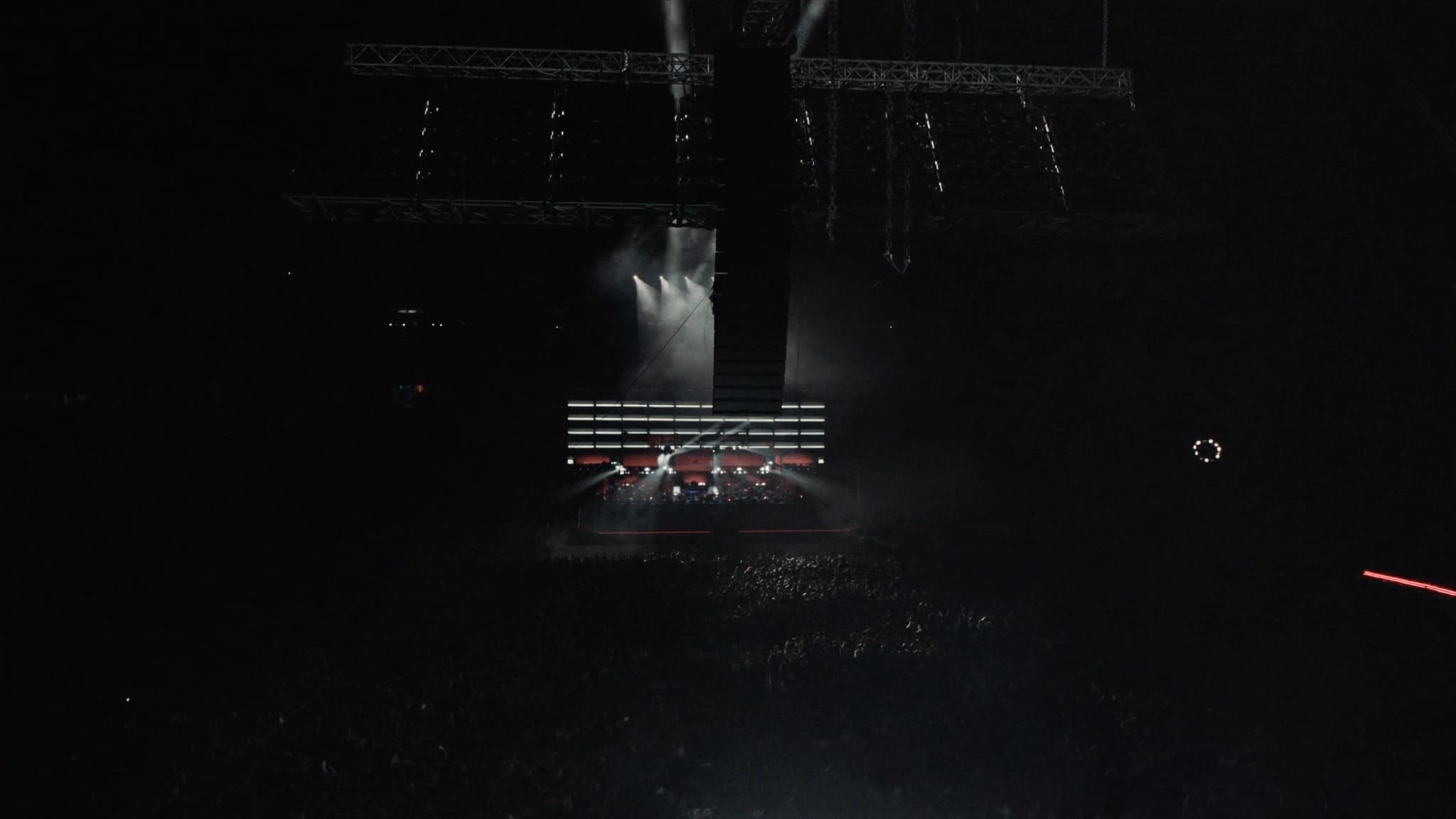
In de wereld van live sound is de vraag 'Is het te luid?' meer dan een kwestie van smaak, het is een kwestie van veiligheid, legaliteit en publiekservaring. Als professionele PA-fabrikant begrijpt SSOUNDS dat het leveren van krachtig, helder geluid het respecteren van de delicate balans tussen impact en gehoorgezondheid vereist. Deze gids verkent veilige SPL-niveaus, decibel-blootstellingslimieten, publiekscomfort, regelgevende normen en praktische mixing-strategieën om je te helpen het perfecte niveau te bereiken, luid genoeg om te betoveren, maar veilig genoeg om te beschermen.
Belangrijkste punten
- Veilige SPL-limieten zijn gebaseerd op blootstellingstijd: 85 dB gedurende 8 uur, met halveringstijd voor elke toename van 3 dB.
- Publiekscomfort hangt af van frequentiebalans en dynamisch bereik, niet alleen van piekniveau.
- Voorschriften variëren per land en locatie; controleer altijd lokale limieten en gebruik SPL-monitoring.
- Correct PA-ontwerp en -opstelling verminderen de noodzaak van buitensporig volume door gelijkmatige dekking te garanderen.
- Gebruik dynamische EQ, limiters en real-time monitoring om op veilige niveaus te mixen zonder impact op te offeren.
- Vertrouw op je oren en bescherm ze, gehoorschade is permanent en cumulatief.
Decibelblootstelling en gehoorrisico begrijpen
Geluidsdrukniveau (SPL) wordt gemeten in decibel (dB), en de schaal is logaritmisch: een toename van 3 dB verdubbelt de geluidsenergie, terwijl een toename van 10 dB als ongeveer twee keer zo luid wordt ervaren. Het menselijk oor kan korte pieken boven 120 dB verdragen, maar langdurige blootstelling boven 85 dB kan permanent gehoorschade veroorzaken. Volgens de Wereldgezondheidsorganisatie (WHO) lopen 1,1 miljard jongeren het risico op gehoorverlies door onveilige luisterpraktijken, professionals in live sound moeten dit serieus nemen.
De belangrijkste maatstaf is de 'dagelijkse geluidsdosis'. Blootstelling aan 85 dB gedurende 8 uur wordt bijvoorbeeld als de maximaal veilige limiet beschouwd. Voor elke toename van 3 dB halveert de veilige blootstellingstijd: bij 88 dB is dat 4 uur; bij 91 dB, 2 uur; bij 94 dB, 1 uur; en bij 100 dB, slechts 15 minuten. Bij typische concertniveaus van 100-110 dB kunnen bezoekers binnen enkele minuten veilige doses overschrijden. SSOUNDS-engineers ontwerpen systemen die gecontroleerde dekking leveren, waardoor de noodzaak van buitensporig algemeen SPL wordt verminderd door gelijkmatige verdeling over de locatie te garanderen.
Publiekscomfort en de 'sweet spot'
Een PA-systeem dat 'te luid' is, manifesteert zich vaak als luistervermoeidheid, bezoekers kunnen fysiek ongemak ervaren, oorsuizen (tinnitus) of de neiging hebben om te vertrekken. Het ideale SPL voor een concert varieert per genre: klassieke muziek kan gemiddeld 80-90 dB zijn, rockconcerten 95-105 dB, en EDM-evenementen kunnen pieken tot 110 dB. Comfort hangt echter ook af van frequentiebalans. Buitensporige hoge frequenties (vooral boven 4 kHz) veroorzaken meer vermoeidheid dan lage frequenties bij hetzelfde SPL. SSOUNDS-luidsprekers beschikken over geavanceerde waveguide-technologie die een vloeiende, consistente frequentierespons biedt over het luistergebied, waardoor hardheid wordt geminimaliseerd en engineers op lagere algemene niveaus kunnen mixen met behoud van helderheid.
Een andere factor is dynamisch bereik. Een systeem dat constant op piekniveau staat (gecomprimeerd) voelt luider en vermoeiender dan een systeem met dynamische pieken en dalen. SSOUNDS DSP-platforms bevatten limiters en multiband-compressie die zowel het systeem als het publiek beschermen, zodat transiënten worden gecontroleerd zonder de levendigheid van de muziek te verpletteren.
Regelgevende normen en wettelijke limieten
Veel landen hebben voorschriften voor maximale geluidsniveaus op openbare locaties. Het 'The Control of Noise at Work Regulations 2005' van het VK stelt bijvoorbeeld een blootstellingslimiet van 87 dB (A-gewogen) gemiddeld over een werkdag van 8 uur, met een pieklimiet van 140 dB. In de EU verplicht de 'Physical Agents (Noise) Directive' vergelijkbare limieten. Sommige steden zoals Londen en Parijs hebben specifieke locatiegeluidsplafonds (bijv. 100 dB LAeq over 15 minuten). In Nigeria en andere Afrikaanse landen zijn de voorschriften in ontwikkeling, maar veel locaties vertrouwen op lokale gemeentevergunningen die maximale niveaus specificeren.
Als fabrikant zorgt SSOUNDS ervoor dat onze systemen kunnen worden geconfigureerd om aan deze limieten te voldoen. Onze versterkers en DSP bevatten real-time SPL-monitoring en logging, waardoor engineers naleving kunnen aantonen. We bieden ook 'venue mode'-presets die de output automatisch beperken tot lokale voorschriften, wat gemoedsrust geeft aan zowel operators als autoriteiten.
Mixen op het juiste niveau: praktische tips
Een geweldige mix op veilige niveaus bereiken begint met systeemontwerp. Een correct opgestelde line array met gelijkmatige dekking betekent dat de voorste rij niet hoeft te worden geblazen om de achterkant te bereiken. SSOUNDS line arrays gebruiken eigen akoestische optimalisatie om consistente SPL van voor naar achter te leveren, waardoor de verleiding om niveaus op te voeren wordt verminderd. Ten tweede, gebruik een gekalibreerde SPL-meter (of app) bij FOH en op verschillende publieksposities om niveaus in real time te monitoren. Streef naar een gemiddelde van 95-100 dB voor de meeste rock/pop-shows, met pieken niet hoger dan 110 dB.
Ten derde, gebruik dynamische EQ en multiband-compressie om harde frequenties te temmen zonder de hele mix zachter te zetten. Het verminderen van 2-4 kHz met 2-3 dB kan een mix bijvoorbeeld aanzienlijk minder vermoeiend laten voelen met behoud van punch. Ten vierde, neem pauzes tijdens de soundcheck en moedig het publiek aan oordoppen te gebruiken, veel locaties bieden nu gratis oordoppen aan, en het is een teken van professionaliteit. Ten slotte, vertrouw op je oren: als de mix gespannen klinkt of je oren na 30 minuten 'vol' aanvoelen, is het te luid.
De rol van PA-technologie bij veilig SPL-beheer
Moderne PA-systemen zoals die van SSOUNDS bevatten functies die veilig SPL-beheer direct ondersteunen. Onze genetwerkte versterkers maken remote monitoring van outputniveaus, impedantie en temperatuur mogelijk, met automatische uitschakeling als drempels worden overschreden. De DSP bevat look-ahead limiters die clipping voorkomen zonder hoorbare artefacten, en onze cardioïde subwoofer-arrays verminderen de uitstraling van lage frequenties achter het podium, waardoor de algehele geluidsoverlast afneemt.
Daarnaast biedt SSOUNDS systeemafstemmingssoftware die dekking en SPL-verdeling modelleert voordat er ook maar één luidspreker wordt gehangen. Deze voorspellende capaciteit stelt engineers in staat om uniforme niveaus te plannen, waarbij 'hot spots' worden vermeden die het systeem dwingen luider te draaien dan nodig. Door te investeren in technologie die efficiëntie maximaliseert, helpen we onze klanten krachtige, veilige ervaringen te leveren.
Wanneer luid gevaarlijk wordt: waarschuwingssignalen
Fysieke tekenen dat een PA te luid is, zijn onder meer: bezoekers die hun oren bedekken, zichtbaar ongemak of mensen die het gebied verlaten. Voor engineers: als je tinnitus (oorsuizen) ervaart na een show, of als spraak uren daarna gedempt klinkt, ben je blootgesteld aan gevaarlijke niveaus. Langetermijneffecten zijn onder meer permanente gehoordrempelverschuiving en hyperacusis (verhoogde gevoeligheid voor geluid).
SSOUNDS raadt alle geluidsprofessionals aan regelmatig gehoortests te ondergaan en in-ear monitors met custom molds te gebruiken om blootstelling op het podium te verminderen. Voor FOH-engineers kan het positioneren van jezelf op de mengpositie met een reflecterend oppervlak achter je helpen om het werkelijke niveau te horen, omdat het directe geluid van de PA minder wordt gemaskeerd. Onthoud: een geweldige mix op 100 dB is beter dan een middelmatige op 110 dB.
Veelgestelde vragen
Wat is een veilig SPL-niveau voor een concert?
Voor de meeste concerten wordt een gemiddeld SPL van 95-100 dB A-gewogen met pieken tot 110 dB als veilig beschouwd voor een typische show van 2-3 uur. De blootstellingsduur is echter van belang: bij 100 dB is veilige blootstelling slechts 15 minuten zonder gehoorbescherming. Zorg altijd voor oordoppen en monitor de niveaus gedurende het evenement.
Hoe kan ik SPL nauwkeurig meten bij een live-evenement?
Gebruik een gekalibreerde SPL-meter (Type 1 of 2) of een professionele app met een gekalibreerde microfoon. Plaats de meter op de mengpositie en op verschillende publiekslocaties (voor, midden, achter). Meet zowel A-gewogen (voor het algemene niveau) als C-gewogen (voor de impact van lage frequenties) om een volledig beeld te krijgen.
Hebben SSOUNDS-systemen ingebouwde SPL-beperking?
Ja. SSOUNDS-versterkers en DSP bevatten configureerbare limiters die de output kunnen beperken tot elk gewenst SPL. Onze software biedt ook real-time logging van SPL-niveaus, die kan worden gebruikt voor nalevingsrapportage.
Wat zijn de wettelijke geluidslimieten in Nigeria?
De National Environmental Standards and Regulations Enforcement Agency (NESREA) van Nigeria stelt limieten vast voor geluid op openbare plaatsen: doorgaans 90 dB overdag en 80 dB 's nachts in woongebieden, met lagere limieten voor commerciële zones. Controleer altijd bij de lokale autoriteiten voor specifieke locatievergunningen.
Kan ik op lagere niveaus mixen en toch krachtig klinken?
Absoluut. Een goed afgestemde PA met gelijkmatige dekking, correcte EQ en dynamische controle kan op 95 dB enorm klinken. Het sleutelwoord is helderheid en headroom, vermijd overcompressie en laat de efficiëntie van het systeem het werk doen. SSOUNDS-systemen zijn ontworpen om hoge output met lage vervorming te leveren, zodat je impact kunt bereiken zonder buitensporig volume.
Een systeem bouwen of upgraden?
SSOUNDS ontwerpt en produceert professionele PA wereldwijd, van een enkele ruimte tot stadionformaat.