Wie man Feedback im Live-Sound stoppt
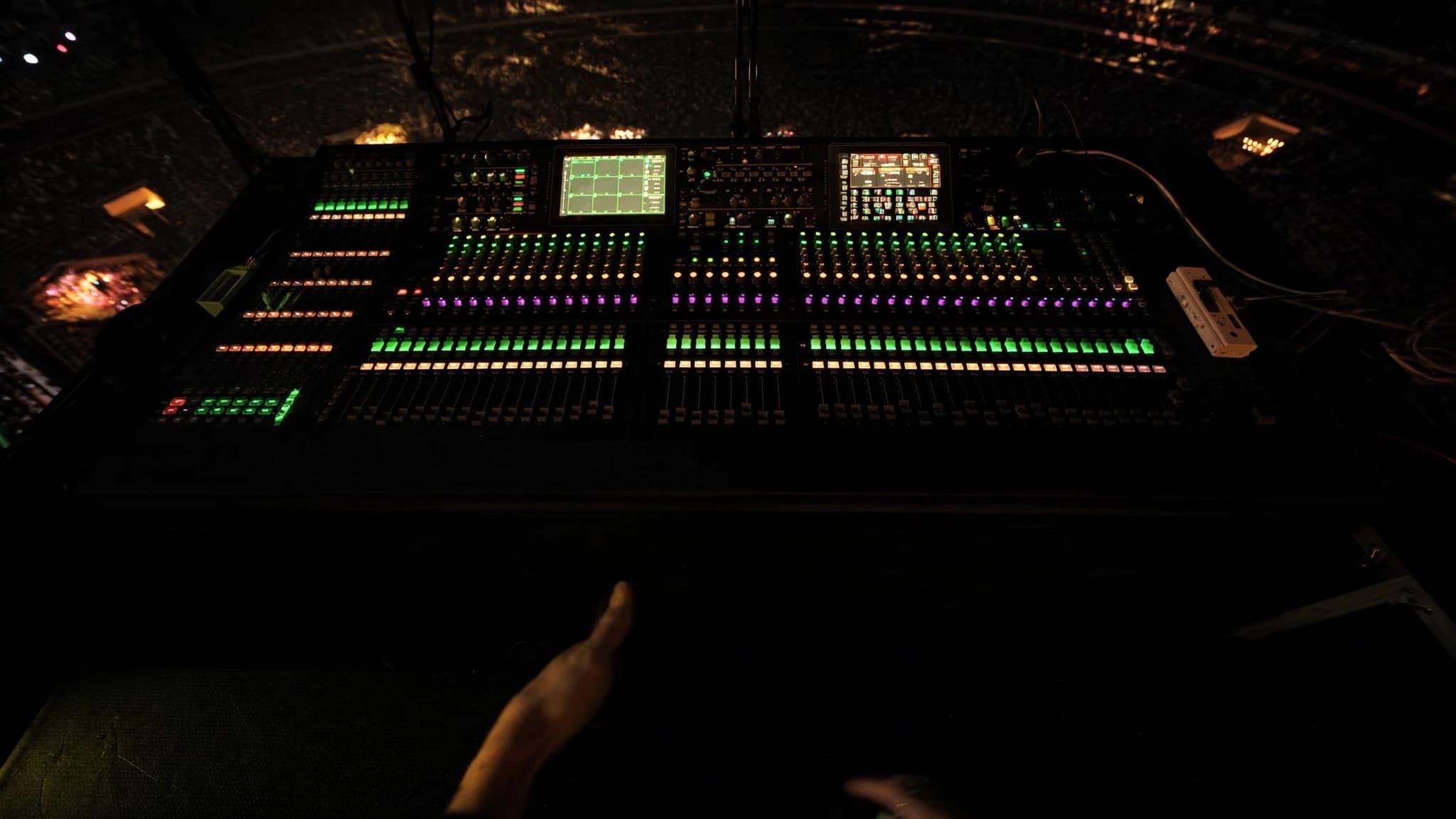
Feedback ist der Feind jedes Live-Sound-Engineers, von kleinen Clubs bis hin zu großen Festivals. Es kann eine Aufführung ruinieren, Ausrüstung beschädigen und sowohl Künstler als auch Publikum frustrieren. In diesem Leitfaden erklären wir die Ursachen von Feedback und bieten praktische, praxiserprobte Lösungen zu seiner Beseitigung, basierend auf jahrzehntelanger Erfahrung von SSOUNDS-Engineers.
Wichtigste Punkte
- Feedback ist eine Schleife, die durch Management von Gain, EQ, Mikrofonplatzierung und Lautsprecherpositionierung unterbrochen werden kann.
- Eine ordnungsgemäße Gain-Struktur gewährleistet Headroom und reduziert die Wahrscheinlichkeit von Feedback.
- Das Absenken bestimmter Frequenzen mit einem parametrischen EQ kann die Verstärkung vor dem Feedback erhöhen.
- Richtmikrofone und sorgfältige Platzierung weg von Lautsprechern sind unerlässlich.
- In-Ear-Monitore und kardioide Subwoofer können das Feedback-Risiko erheblich reduzieren.
- SSOUNDS-Systeme und DSP-Presets sind darauf ausgelegt, die Verstärkung vor dem Feedback zu maximieren.
Die Feedback-Schleife verstehen
Feedback entsteht, wenn ein Mikrofon Schall von einem Lautsprecher aufnimmt, verstärkt und ihn über den Lautsprecher zurücksendet, wodurch eine Schleife entsteht, die lauter wird, bis sie zu einem Heulen oder Pfeifen wird. Diese Schleife ist ein klassisches Beispiel für ein positives Rückkopplungssystem, bei dem der Ausgang den Eingang verstärkt. Die Frequenz, bei der sie auftritt, hängt vom Abstand zwischen Mikrofon und Lautsprecher, der Raumakustik und der Gain-Struktur des Systems ab.
Um Feedback zu stoppen, müssen Sie die Schleife unterbrechen. Dies kann durch Reduzierung der Verstärkung vor dem Feedback, Änderung des Frequenzgangs, Änderung der physischen Beziehung zwischen Mikrofon und Lautsprecher oder eine Kombination dieser Maßnahmen erreicht werden. Das Verständnis der Grundursache ist der erste Schritt zur Lösung.
Gain-Struktur: Die Grundlage der Feedback-Kontrolle
Eine ordnungsgemäße Gain-Struktur ist entscheidend. Wenn die Verstärkung an irgendeinem Punkt in der Signalkette zu hoch ist, wird das System anfälliger für Feedback. Stellen Sie zunächst die Verstärkung am Mischpult so ein, dass das Signal stark, aber nicht übersteuert ist. Verwenden Sie den Kanal-Fader und den Master-Fader zur Steuerung des Gesamtpegels, nicht den Gain-Regler. Dies stellt sicher, dass Sie Headroom haben und das System herunterdrehen können, wenn Feedback einsetzt.
Bei Monitorsystemen ist die Gain-Struktur noch kritischer. Jeder Monitor-Mix sollte so eingestellt sein, dass der Künstler klar hören kann, ohne das System in Feedback zu treiben. Verwenden Sie die Monitor-Send-Pegel, um den Mix auszubalancieren, und vermeiden Sie die Anhebung von Frequenzen, die zu Feedback neigen. SSOUNDS-Engineers verwenden häufig digitale Konsolen mit präziser Gain-Kontrolle und abrufbaren Einstellungen, um eine konsistente Gain-Struktur über mehrere Shows hinweg aufrechtzuerhalten.
EQ und Feedback: Die richtigen Frequenzen absenken
Equalization ist ein leistungsstarkes Werkzeug zur Feedback-Unterdrückung. Feedback tritt typischerweise bei bestimmten Frequenzen auf, oft im Zusammenhang mit Raumresonanzen oder Mikrofon-Spitzen. Durch Identifizierung und Absenkung dieser Frequenzen mit einem parametrischen EQ können Sie die Verstärkung vor dem Feedback erhöhen. Verwenden Sie einen Echtzeit-Analysator (RTA) oder einen Feedback-Unterdrücker, um die störenden Frequenzen zu identifizieren. Schmale Absenkungen (hoher Q) sind effektiver als breite Absenkungen, da sie weniger des Nutzsignals beeinflussen.
EQ sollte jedoch kein Ersatz für eine ordnungsgemäße Gain-Struktur und Mikrofonplatzierung sein. Übermäßiges EQing kann die Klangqualität beeinträchtigen. SSOUNDS empfiehlt, EQ als korrigierende Maßnahme nach der Optimierung anderer Faktoren einzusetzen. Unsere DSP-Presets enthalten Feedback-bekämpfende Filter, die für unsere Lautsprecher abgestimmt sind und Engineers helfen, maximale Verstärkung vor dem Feedback zu erreichen, ohne die Audioqualität zu beeinträchtigen.
Mikrofontechnik und -platzierung
Das Mikrofon ist das erste Glied in der Feedback-Kette. Sein Typ, seine Richtcharakteristik und seine Platzierung spielen eine große Rolle. Richtmikrofone (Niere, Superniere) unterdrücken Schall von hinten und reduzieren die Chance, Monitor- oder Hauptlautsprecher aufzunehmen. Platzieren Sie Mikrofone nahe an der Quelle und richten Sie sie von Lautsprechern weg. Für Sänger ist ein dynamisches Nierenmikrofon, das nahe am Mund gehalten wird, ideal.
Vermeiden Sie es, Mikrofone direkt vor Lautsprechern oder im direkten Schallweg zu platzieren. Positionieren Sie Monitore wenn möglich an den Seiten oder hinter dem Künstler, nicht direkt davor. Verwenden Sie Mikrofonständer und -clips, um eine konsistente Platzierung beizubehalten. SSOUNDS-Line-Array-Systeme sind mit kontrollierter Richtwirkung ausgelegt, was hilft, den Schall auf das Publikum und weg von der Bühne zu lenken, wodurch das Feedback-Potenzial reduziert wird.
Monitorplatzierung und Lautsprecherpositionierung
Monitore sind oft die Hauptursache für Feedback. Sie sind nahe an den Mikrofonen und auf die Künstler gerichtet. Um Feedback zu minimieren, platzieren Sie Monitore so, dass ihr Output von den Mikrofonen weg gerichtet ist. Platzieren Sie beispielsweise Wedge-Monitore an der Vorderseite der Bühne, schräg nach oben auf den Künstler gerichtet, aber nicht direkt auf das Mikrofon zeigend. Bei Sidefills positionieren Sie diese so, dass ihr Schall nicht direkt auf die Mikrofone trifft.
In-Ear-Monitore (IEMs) sind eine ausgezeichnete Lösung, da sie die Notwendigkeit von Bühnenmonitoren vollständig beseitigen und das Feedback-Risiko drastisch reduzieren. Wenn Wedges jedoch notwendig sind, verwenden Sie kardioide Subwoofer und gerichtete Hauptlautsprecher, um niederfrequente Energie von der Bühne fernzuhalten. SSOUNDS-Subwoofer mit kardioiden Konfigurationen können dies erreichen, indem sie rückwärtige Energie auslöschen.
Fortgeschrittene Techniken und Systemdesign
Für anspruchsvolle Umgebungen können fortgeschrittene Techniken wie automatische Feedback-Unterdrücker und Notch-Filter verwendet werden. Diese Geräte erkennen Feedback-Frequenzen und wenden automatisch schmale Absenkungen an. Sie sollten jedoch sparsam und in Verbindung mit gutem Systemdesign eingesetzt werden. Ein weiterer Ansatz ist ein Ring-out-Verfahren: Erhöhen Sie langsam die Verstärkung, bis Feedback einsetzt, und filtern Sie dann die störenden Frequenzen heraus. Wiederholen Sie dies, bis Sie die gewünschte Verstärkung vor dem Feedback erreicht haben.
Auch das Systemdesign ist wichtig. Die Verwendung eines verteilten Lautsprechersystems anstelle einer einzelnen Punktquelle kann den benötigten Pegel an jedem einzelnen Lautsprecher reduzieren und das Feedback-Risiko senken. SSOUNDS-Engineers verwenden KI-gestützte akustische Modellierung, um feedback-anfällige Frequenzen vorherzusagen und die Lautsprecherplatzierung und EQ zu optimieren, bevor das System überhaupt installiert ist. Dieser proaktive Ansatz spart Zeit und gewährleistet zuverlässige Leistung.
Häufige Fragen
Was sollte ich als Erstes tun, wenn Feedback auftritt?
Reduzieren Sie sofort den Master-Fader oder den Fader des betroffenen Kanals, um das Feedback zu stoppen. Identifizieren Sie dann die Frequenz und wenden Sie eine schmale EQ-Absenkung an. Überprüfen Sie die Gain-Struktur und die Mikrofonplatzierung, bevor Sie die Pegel wieder anheben.
Kann Feedback meine Ausrüstung beschädigen?
Ja, anhaltendes Feedback kann Lautsprecher beschädigen, insbesondere Hochtöner und Kompressionstreiber, aufgrund übermäßiger hochfrequenter Energie. Es kann auch das Gehör schädigen. Beheben Sie Feedback immer sofort.
Sind automatische Feedback-Unterdrücker wirksam?
Sie können als Sicherheitsnetz wirksam sein, aber sie sind kein Ersatz für eine ordnungsgemäße Systemeinrichtung. Übermäßige Abhängigkeit kann zu schlechter Klangqualität führen. Verwenden Sie sie in Verbindung mit einer guten Gain-Struktur und EQ.
Wie hilft SSOUNDS, Feedback zu verhindern?
SSOUNDS-Lautsprecher verfügen über kontrollierte Richtwirkung und sind mit DSP-Presets gepaart, die Feedback-bekämpfende Filter enthalten. Unser Engineering-Team verwendet fortschrittliche Modellierung, um Systeme zu entwerfen, die das Feedback-Risiko von Anfang an minimieren.
System aufbauen oder aufrüsten?
SSOUNDS entwickelt und fertigt professionelle PA weltweit, vom einzelnen Raum bis zur Stadiongröße.