Lautsprecher-Abdeckung vs. Wattzahl: Worauf es wirklich ankommt
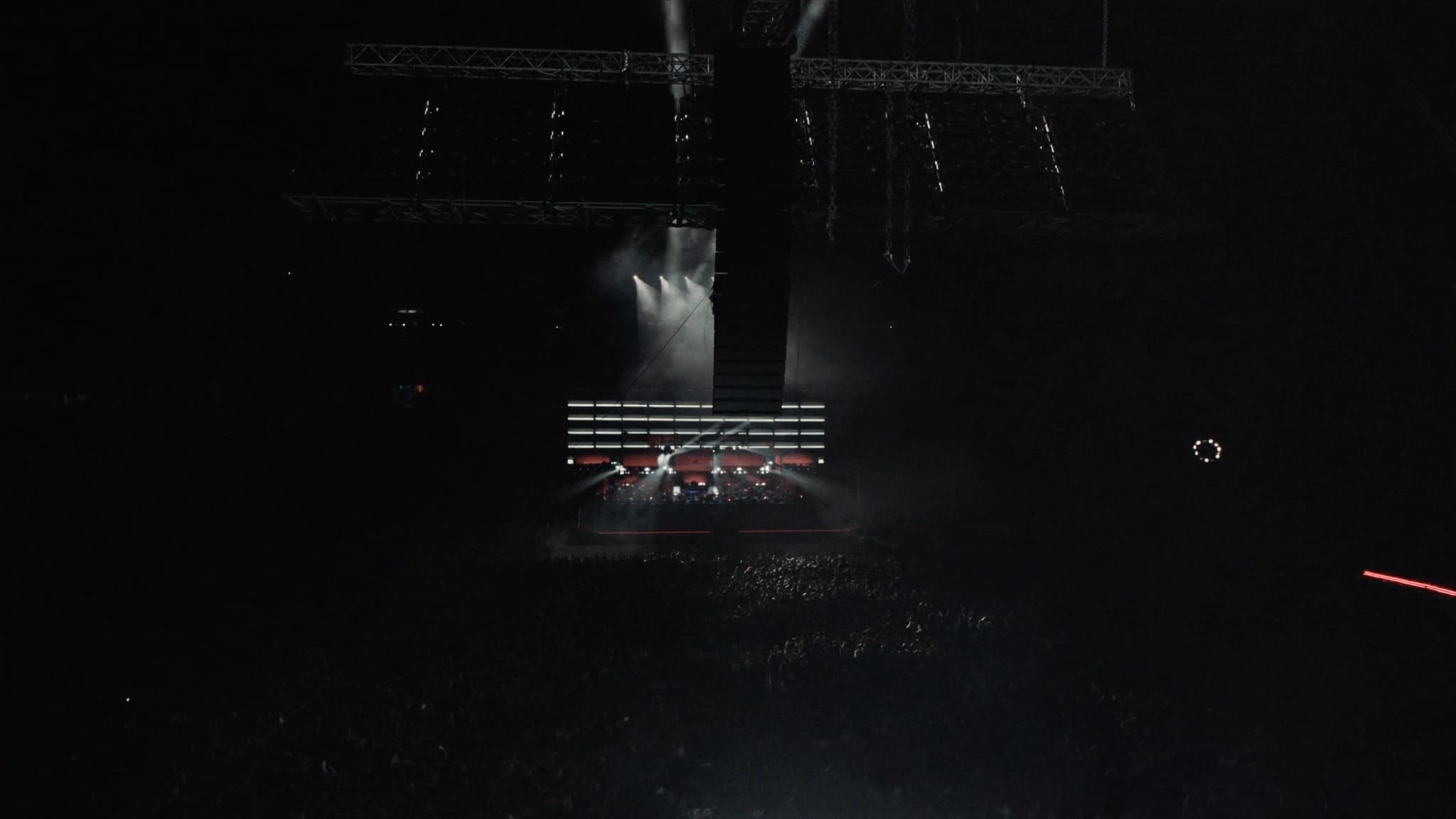
Bei der Auswahl von Lautsprechern für ein Live-Sound-System fixieren sich viele Käufer auf die Wattzahl und nehmen oft an, dass höhere Leistungsangaben automatisch lauteren Klang und bessere Abdeckung bedeuten. Doch im professionellen Audiobereich ist die Wattzahl nur ein Puzzleteil. Abstrahlverhalten und SPL auf Entfernung sind weit entscheidender, um sicherzustellen, dass jeder Platz im Saal klaren, konsistenten Klang erhält. Bei SSOUNDS konstruieren wir Systeme, bei denen Dispersionskontrolle und Weitwurf-Fähigkeit Vorrang vor roher elektrischer Leistung haben. Dieser Leitfaden erklärt, warum.
Wichtigste Punkte
- Die Wattzahl ist ein schlechter Indikator für die reale Lautstärke; Wirkungsgrad und Abstrahlverhalten sind wichtiger.
- Das Abstrahlverhalten bestimmt, wie gleichmäßig der Schall das Publikum erreicht; kontrollierte Dispersion verbessert die Verständlichkeit.
- SPL auf Entfernung ist das wahre Maß für die Reichweite eines Systems; gerichtete Designs halten den Pegel über große Wurfweiten.
- Ein hoher Wirkungsgrad reduziert die Anforderungen an die Verstärker und spart Kosten und Gewicht.
- Professionelle Systeme wie SSOUNDS sind auf gleichmäßige Abdeckung und SPL ausgelegt, nicht nur auf hohe Leistungsangaben.
Der Wattzahl-Mythos: Warum rohe Leistung in die Irre führt
Die Wattzahl misst die elektrische Leistung, die ein Lautsprecher verarbeiten kann, aber sie sagt nicht direkt aus, wie laut der Lautsprecher in einer bestimmten Entfernung sein wird. Ein Lautsprecher mit 1000 W und schlechtem Wirkungsgrad kann weniger akustische Leistung erzeugen als ein Lautsprecher mit 500 W und hohem Wirkungsgrad. Der Wirkungsgrad (dB SPL bei 1 W/1 m) ist der wahre Ausgangspunkt für die Vorhersage der realen Leistung.
Darüber hinaus bringt eine Verdopplung der Wattzahl nur eine Erhöhung des SPL um 3 dB, was kaum wahrnehmbar ist, denn für 'doppelt so laut' sind 10 dB erforderlich. Viele Käufer tappen in die Falle, hohen Wattzahl-Werten nachzujagen, ohne zu bedenken, wie sich diese Leistung in Abdeckung übersetzt. Professionelle Systeme wie SSOUNDS Line Arrays erreichen hohe SPL durch effizientes Wandlerdesign und optimierte Gehäusekopplung, nicht durch brachiale Leistung.
Abstrahlverhalten: Der unbesungene Held der Verständlichkeit
Das Abstrahlverhalten, die horizontale und vertikale Schallverteilung, bestimmt, wie gleichmäßig ein Lautsprecher einen Veranstaltungsort füllt. Ein Lautsprecher mit schmaler Abdeckung kann auf der Achse hohe SPL erzeugen, lässt aber die Seiten und den hinteren Bereich des Publikums mit schwachem, matschigem Klang zurück. Umgekehrt kann ein Lautsprecher mit breiter Abdeckung Energie auf Wände und Decken streuen, was zu Reflexionen führt, die die Klarheit verringern.
Professionelle Systeme verwenden präzise kontrollierte Waveguides und arrayfähige Gehäuse, um die Abdeckung zu formen. Zum Beispiel setzen SSOUNDS Line Arrays verstellbare Winkel zwischen den Gehäusen ein, um eine kohärente Wellenfront zu erzeugen, die der Publikumsgeometrie folgt. Dadurch erhalten Zuhörer vorne, in der Mitte und hinten einen konsistenten Frequenzgang und Pegel, was rohe Wattzahl nicht erreichen kann.
SPL auf Entfernung: Das wahre Maß für Reichweite
Die tatsächliche Kennzahl zur Beurteilung der Fähigkeit eines Lautsprechers, einen Veranstaltungsort abzudecken, ist der SPL in einer bestimmten Entfernung, nicht bei 1 Meter. Die 'Wurfweite' eines Lautsprechers hängt von seiner Richtwirkung und dem Abstandsgesetz ab. Ein stark gerichtetes System kann hohe SPL weit in das Publikum hinein aufrechterhalten, während ein omnidirektionaler Lautsprecher schnell an Pegel verliert.
SSOUNDS-Ingenieure konstruieren Systeme mit kontrollierter Richtwirkung bis hinunter zu tiefen Frequenzen, unter Verwendung von Techniken wie kardioiden Subwoofer-Arrays und Constant-Directivity-Hörnern. Dadurch können unsere Systeme 100+ dB SPL bei 30 Metern mit minimaler Abweichung liefern, während ein typischer Punktquellen-Lautsprecher mit hoher Wattzahl über dieselbe Entfernung um 12 dB abfallen kann.
Effizienz und Wirkungsgrad: Die Grundlage der Ausgangsleistung
Der Wirkungsgrad (üblicherweise gemessen als dB SPL bei 1 W/1 m) ist die wichtigste Spezifikation zur Vorhersage der Lautstärke. Ein Lautsprecher mit 100 dB Wirkungsgrad benötigt nur 1 W, um 100 dB bei 1 m zu erzeugen; um 109 dB zu erreichen, braucht er 8 W. Ein Lautsprecher mit 90 dB Wirkungsgrad benötigt 80 W, um denselben Pegel zu erreichen. Deshalb konzentriert sich SSOUNDS auf hochempfindliche Treiber und optimierte Hornbeladung.
Die Effizienz beeinflusst auch die Anforderungen an die Verstärker. Ein System mit hohem Wirkungsgrad kann den Ziel-SPL mit kleineren, leichteren Verstärkern erreichen, was Kosten, Gewicht und Stromverbrauch reduziert. Bei großen Installationen übersetzt sich dies in erhebliche betriebliche Einsparungen.
Praxisbeispiel: Stadion vs. Nachtclub
Betrachten Sie ein Stadion mit 20.000 Sitzplätzen. Ein typischer Punktquellen-Lautsprecher mit 2000 W und 95 dB Wirkungsgrad könnte 130 dB bei 1 m erzeugen, doch bei 30 m sinkt das auf 100 dB, kaum ausreichend für Rockmusik. Ein SSOUNDS Line Array mit 800 W pro Gehäuse, aber 105 dB Wirkungsgrad und enger vertikaler Abdeckung kann 110 dB bei 30 m liefern, weil die Energie dort gebündelt wird, wo das Publikum sitzt.
In einem Nachtclub ist das Abstrahlverhalten wichtiger als rohe SPL. Ein Subwoofer-Array mit breiter Dispersion kann ein gleichmäßiges Bassfeld erzeugen, während Tops mit schmaler Dispersion Slap-Echos von harten Oberflächen verhindern. Die Wattzahl allein kann diese akustischen Herausforderungen nicht lösen.
Wie SSOUNDS-Ingenieure Abdeckung und SPL auf Entfernung priorisieren
Jedes SSOUNDS-System wird mit einem ganzheitlichen Ansatz konstruiert: Wir beginnen mit der Geometrie des Veranstaltungsorts und arbeiten rückwärts, um Abdeckungswinkel, Array-Konfiguration und Verstärkerleistung zu bestimmen. Unsere DSP-Presets sind darauf abgestimmt, einen konsistenten Frequenzgang über die gesamte Abdeckungsfläche aufrechtzuerhalten, und unsere Rigging-Hardware ermöglicht eine präzise vertikale Ausrichtung.
Wir investieren außerdem in F&E für Waveguide-Design und Treiberabstimmung. Zum Beispiel verwenden unsere Line-Array-Gehäuse einen patentierten Phasenplug, der die Hochfrequenz-Richtwirkungskontrolle tiefer im Band erweitert und so die Notwendigkeit separater Fill-Lautsprecher reduziert. Das Ergebnis ist ein System, das von Reihe 1 bis Reihe 100 gleich klingt, ohne auf übermäßige Wattzahl angewiesen zu sein.
Häufige Fragen
Bedeutet höhere Wattzahl immer lauteren Klang?
Nein. Die Lautstärke hängt vom Wirkungsgrad (dB SPL bei 1 W/1 m) und der Entfernung ab. Ein Lautsprecher mit hoher Wattzahl und niedrigem Wirkungsgrad kann leiser sein als ein Lautsprecher mit niedrigerer Wattzahl und hohem Wirkungsgrad. Eine Verdopplung der Wattzahl bringt nur 3 dB, was kaum wahrnehmbar ist.
Welche Spezifikation ist bei der Auswahl eines Lautsprechers am wichtigsten?
Wirkungsgrad und Abstrahlverhalten sind am wichtigsten. Der Wirkungsgrad sagt aus, wie effizient der Lautsprecher Leistung in Schall umwandelt, und das Abstrahlverhalten bestimmt, wie gleichmäßig dieser Schall das Publikum erreicht. Der SPL in der Hörposition ist die entscheidende Kennzahl.
Wie erreicht SSOUNDS eine gleichmäßige Abdeckung?
SSOUNDS verwendet präzise konstruierte Waveguides, verstellbare Winkel zwischen den Gehäusen bei Line Arrays und DSP-Presets, die auf die Geometrie des Veranstaltungsorts abgestimmt sind. Dadurch bleiben Frequenzgang und Pegel über die gesamte Publikumsfläche hinweg konsistent.
Kann ein Punktquellen-Lautsprecher mit hoher Wattzahl ein Line Array ersetzen?
In den meisten großen Veranstaltungsorten nein. Punktquellen-Lautsprecher haben eine begrenzte Richtwirkungskontrolle, was zu ungleichmäßiger Abdeckung und schnellem SPL-Abfall mit der Entfernung führt. Line Arrays erzeugen kohärente Wellenfronten, die Pegel und Klarheit über große Wurfweiten hinweg aufrechterhalten.
Was ist der Vorteil eines hohen Wirkungsgrads in einem PA-System?
Ein hoher Wirkungsgrad ermöglicht es, den Ziel-SPL mit weniger Verstärkerleistung zu erreichen, was Systemkosten, Gewicht und Stromverbrauch reduziert. Außerdem verbessert er die Headroom und verringert Verzerrungen bei hohen Pegeln.
System aufbauen oder aufrüsten?
SSOUNDS entwickelt und fertigt professionelle PA weltweit, vom einzelnen Raum bis zur Stadiongröße.