Lautsprecher-IP-Schutzarten und wasserdichte Lautsprecher erklärt
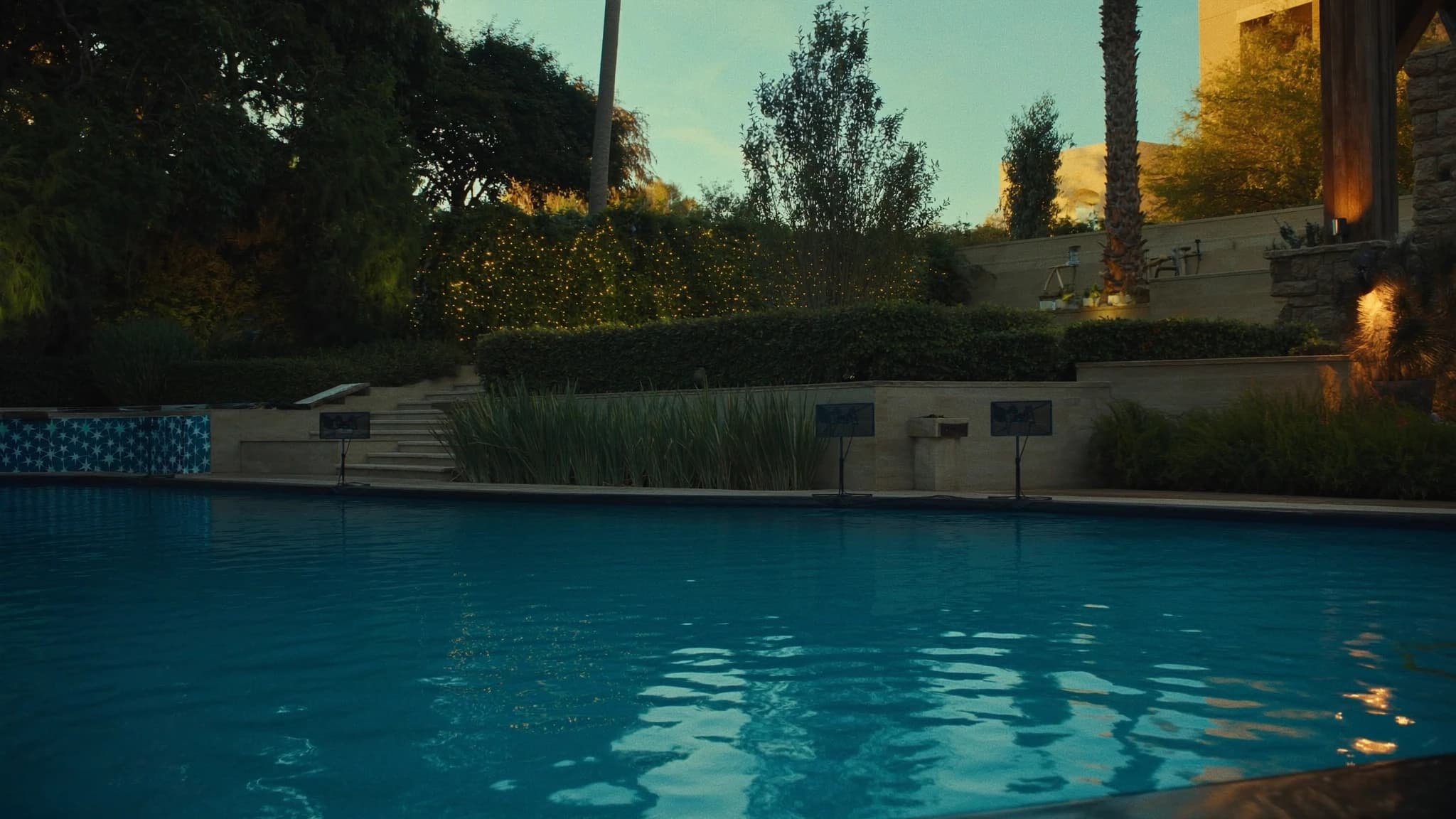
Bei der Auswahl von Lautsprechern für Außen- oder Feuchtinstallationen ist das Verständnis der IP-Schutzarten (Ingress Protection) entscheidend, um langfristige Zuverlässigkeit und Leistung zu gewährleisten. Dieser Leitfaden entmystifiziert den zweistelligen IP-Code, erklärt gängige Schutzarten wie IP54, IP65, IP66 und IP67 und klärt, was 'wasserdicht' für professionelle Audioausrüstung wirklich bedeutet. SSOUNDS-Ingenieure entwerfen Systeme mit robustem Umgebungsschutz, um gleichbleibende Klangqualität unter schwierigen Bedingungen zu gewährleisten.
Wichtigste Punkte
- IP-Schutzarten bestehen aus zwei Ziffern: erste für Staub (0-6), zweite für Wasser (0-9).
- Gängige Lautsprecher-Schutzarten: IP54 (spritzwassergeschützt), IP65 (strahlwassergeschützt), IP66 (stark strahlwassergeschützt), IP67 (vorübergehendes Eintauchen).
- 'Wasserdicht' ist ein Missverständnis; 'wetterbeständig' ist für IP-zertifizierte Lautsprecher genauer.
- Materialwahl (UV-stabilisierte Kunststoffe, Edelstahl, Silikondichtungen) ist entscheidend für langfristigen IP-Schutz.
- Wählen Sie IP66 für die meisten permanenten Außeninstallationen; IP67 für Bereiche mit Untertauchrisiko.
- Verifizieren Sie immer die Zertifizierung durch Dritte und planen Sie die Dichtungswartung über die Zeit ein.
Was IP-Schutzarten bedeuten: Der zweistellige Code
IP-Schutzarten sind durch die internationale Norm IEC 60529 definiert, die den Grad des Schutzes gegen das Eindringen von festen Objekten (erste Ziffer) und Flüssigkeiten (zweite Ziffer) klassifiziert. Die erste Ziffer reicht von 0 bis 6, wobei 0 keinen Schutz und 6 staubdicht (kein Eindringen von Staub) bedeutet. Die zweite Ziffer reicht von 0 bis 9 und gibt den Schutz gegen Wasser von Tropfen bis zu Hochdruckstrahlen an.
Bei professionellen Lautsprechern ist die erste Ziffer typischerweise 5 oder 6. IP5X bedeutet staubgeschützt (etwas Staub kann eindringen, aber nicht genug, um den Betrieb zu beeinträchtigen), während IP6X staubdicht ist. Die zweite Ziffer ist entscheidend für den Außenbereich: IPX4 schützt gegen Spritzwasser, IPX5 gegen Niederdruck-Wasserstrahlen, IPX6 gegen starke Wasserstrahlen, IPX7 gegen vorübergehendes Eintauchen (bis zu 1 Meter für 30 Minuten) und IPX8 gegen dauerhaftes Eintauchen über 1 Meter hinaus.
Gängige IP-Schutzarten für Lautsprecher: IP54, IP65, IP66, IP67
IP54 ist üblich für leichte Außennutzung und bietet Staubschutz sowie Beständigkeit gegen Spritzwasser aus allen Richtungen. Es eignet sich für überdachte Patios oder Bereiche, die nicht direktem Regen ausgesetzt sind. IP65 bietet staubdichten Schutz und Niederdruck-Wasserstrahlen, was es für die meisten Außeninstallationen geeignet macht, bei denen Regen oder Abspritzen mit dem Schlauch zu erwarten ist, aber kein Untertauchen.
IP66 ist robuster: staubdicht und geschützt gegen starke Wasserstrahlen (z. B. starker Regen oder direkte Druckreinigung). Diese Schutzart ist ideal für exponierte Außenveranstaltungsorte, Stadien und Meeresumgebungen. IP67 fügt Schutz gegen vorübergehendes Eintauchen hinzu (1 m für 30 Min.), nützlich für Lautsprecher in der Nähe von Pools, auf Booten oder in überschwemmungsgefährdeten Gebieten. SSOUNDS bietet Modelle mit IP66- und IP67-Schutzarten für anspruchsvolle professionelle Anwendungen an.
Was 'wasserdicht' für Lautsprecher wirklich bedeutet
Kein Lautsprecher ist wirklich 'wasserdicht' in dem Sinne, dass er unbegrenzt von Wasser unbeeinflusst bleibt. IP-Schutzarten beschreiben die Beständigkeit unter bestimmten Bedingungen. Selbst IP67-zertifizierte Lautsprecher können ausfallen, wenn der Wasserdruck die Fähigkeit der Dichtung übersteigt oder wenn Dichtungen mit der Zeit verschleißen. Der Begriff 'wasserbeständig' ist genauer. Für professionelles Audio impliziert 'wetterfest' oft UV-Beständigkeit, korrosionsbeständige Hardware und abgedichtete Anschlüsse zusätzlich zu IP-Schutzarten.
SSOUNDS-Ingenieure verwenden Edelstahl in Marinequalität, Silikondichtungen und hydrophobe Lautsprechermembranen, um die Langlebigkeit zu erhöhen. Regelmäßige Wartung, Überprüfung der Dichtungen, Reinigung der Abflussöffnungen und Lagerung bei extremem Wetter verlängern die Lebensdauer jedes Außenlautsprechers.
Materialien, die IP-Schutz ermöglichen
Um hohe IP-Schutzarten zu erreichen, ist eine sorgfältige Materialauswahl erforderlich. Gehäuse bestehen typischerweise aus UV-stabilisiertem Polypropylen, ABS oder Aluminium mit pulverbeschichteten Oberflächen, um Korrosion zu widerstehen. Dichtungen und Dichtungen verwenden Silikon- oder EPDM-Kautschuk, der über einen weiten Temperaturbereich flexibel bleibt. Anschlusspaneele sind oft vertieft mit Kabelverschraubungen oder abgedichteten Abdeckungen, um das Eindringen von Feuchtigkeit durch Anschlüsse zu verhindern.
Wandler (Tieftöner und Hochtöner) können mit hydrophoben Beschichtungen behandelt oder aus Polypropylen oder behandeltem Papier hergestellt werden, das Wasseraufnahme widersteht. Für Line-Array- oder Punktquellensysteme integriert SSOUNDS Abflusskanäle und Druckausgleichsventile, um Kondenswasserbildung im Gehäuse zu verhindern.
Wo jede Schutzart passt: Außen- und Feuchtinstallationen
Für überdachte Außenbereiche wie Amphitheater mit Dächern ist IP54 oft ausreichend. Für Open-Air-Bühnen, Festivals oder Freizeitparks wird IP65 oder IP66 empfohlen, um Regen und Reinigung standzuhalten. IP66 ist der Standard für permanente Stadioninstallationen, bei denen Lautsprecher windgetriebenem Regen ausgesetzt sind. IP67 wird für Meeresanwendungen, schwimmende Bühnen oder Standorte in der Nähe von Schwimmbecken gewählt, wo versehentliches Untertauchen möglich ist.
SSOUNDS bietet Anwendungsberatung für jedes Produkt, um sicherzustellen, dass die IP-Schutzart dem Umweltrisiko entspricht. Zum Beispiel kann ein Beach Club IP67 für Lautsprecher in Wassernähe erfordern, während eine Dachterrassenbar mit Überdachung mit IP54 auskommen kann. Berücksichtigen Sie immer das gesamte System: Verstärker und DSP-Einheiten sollten ebenfalls geeignete IP-Schutzarten haben oder in wetterfesten Gehäusen untergebracht sein.
Test und Zertifizierung: Worauf zu achten ist
IP-Schutzarten sollten durch unabhängige Tests verifiziert werden. Achten Sie auf Zertifizierungen von akkreditierten Labors. Einige Hersteller behaupten IP-Schutzarten basierend auf Selbsttests, was möglicherweise nicht zuverlässig ist. SSOUNDS-Produkte werden in unabhängigen Einrichtungen strengen Tests unterzogen, um die Schutzarten zu bestätigen. Überprüfen Sie zusätzlich, dass die Schutzart für den gesamten Lautsprecher gilt, einschließlich Anschlüsse und Montagehardware.
Denken Sie daran, dass IP-Schutzarten an neuen Geräten getestet werden; Alterung kann den Schutz verringern. SSOUNDS entwirft seine Gehäuse mit austauschbaren Dichtungssätzen, um die IP-Integrität über die Lebensdauer des Produkts zu erhalten.
Häufige Fragen
Kann ich einen IP54-Lautsprecher draußen bei starkem Regen verwenden?
IP54 wird für starken Regen nicht empfohlen, da es nur gegen Spritzwasser schützt. Für starken Regen wählen Sie IP65 oder höher.
Bedeutet ein IP67-Lautsprecher, dass er unbegrenzt unter Wasser bleiben kann?
Nein. IP67 bedeutet Schutz gegen Eintauchen bis zu 1 Meter für 30 Minuten. Dauerhaftes Untertauchen kann zu Ausfällen führen.
Decken IP-Schutzarten Salzwasser- oder Chemikalienexposition ab?
Nein. IP-Schutzarten gelten nur für Süßwasser. Salzwasser oder Chemikalien erfordern zusätzliche korrosionsbeständige Materialien und Dichtungen.
Wie oft sollte ich die Dichtungen an Außenlautsprechern überprüfen?
Jährlich oder nach extremen Wetterereignissen. Ersetzen Sie Dichtungen, wenn sie gerissen oder zusammengedrückt sind.
Sind SSOUNDS-Lautsprecher mit IP66- oder IP67-Schutzarten erhältlich?
Ja, SSOUNDS bietet ausgewählte Modelle mit IP66- und IP67-Schutzarten für professionelle Außeninstallationen an.
System aufbauen oder aufrüsten?
SSOUNDS entwickelt und fertigt professionelle PA weltweit, vom einzelnen Raum bis zur Stadiongröße.