Lautsprecherverdrahtung und Verkabelung: Ein praktischer Leitfaden
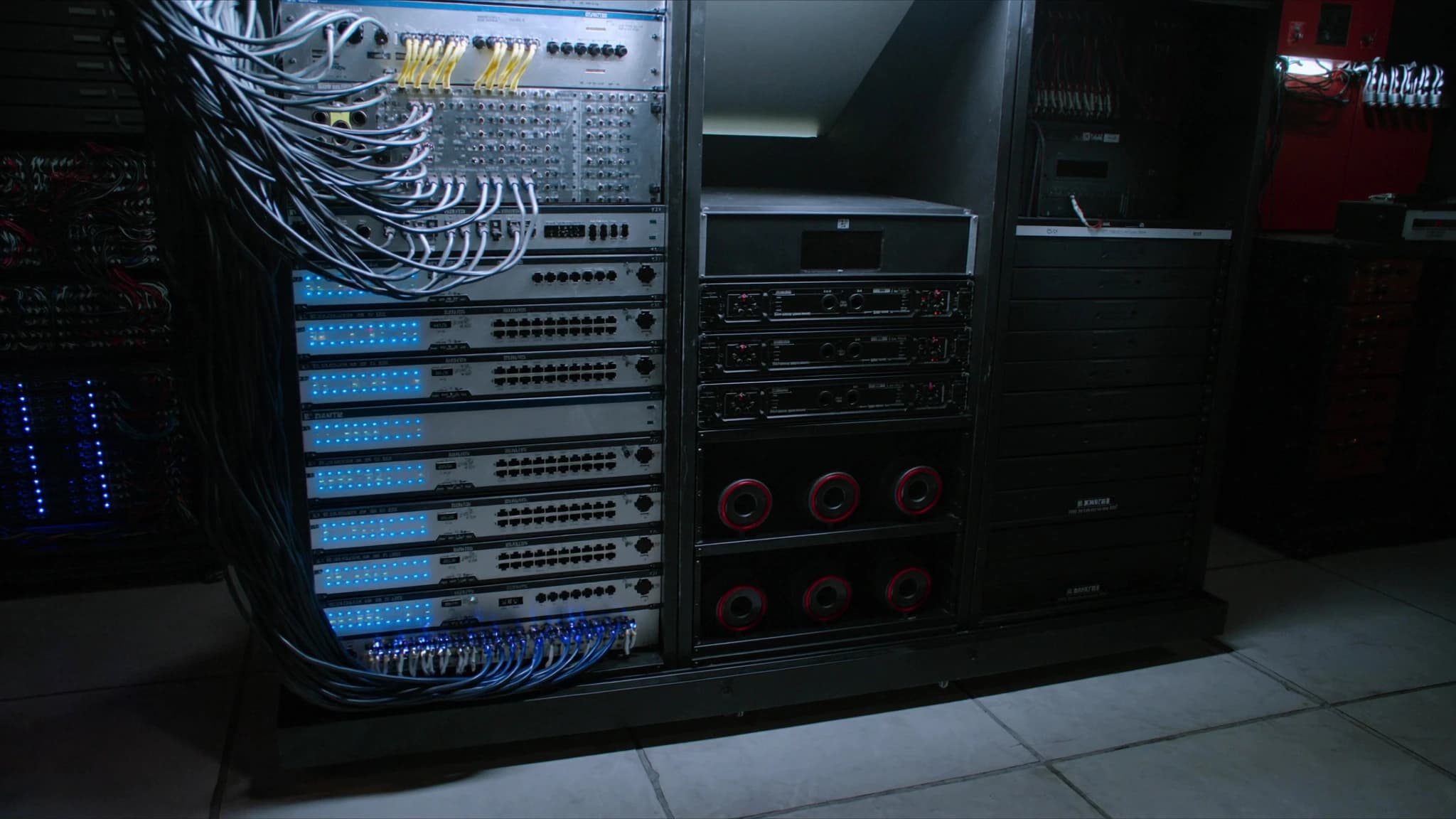
Ordnungsgemäße Lautsprecherverdrahtung und Verkabelung sind das Rückgrat jedes zuverlässigen Soundsystems, werden jedoch oft übersehen, bis etwas schiefgeht. Ob Sie eine permanente Installation oder ein Touring-Rig verdrahten, das Verständnis der Unterschiede zwischen niederohmigen und hochohmigen (70V/100V) Systemen, die Auswahl des richtigen Kabelquerschnitts für Ihre Leitungslänge und die Verwendung der richtigen Stecker können den Unterschied zwischen makellosem Audio und kostspieligen Ausfällen ausmachen. Dieser Leitfaden behandelt die Grundlagen, die jeder Audio-Profi kennen muss, mit praktischen Ratschlägen zur Vermeidung häufiger Fallstricke.
Wichtigste Punkte
- Wählen Sie niederohmig für Live-Sound und hochohmig für lange verteilte Strecken.
- Passen Sie den Kabelquerschnitt an Entfernung und Lastimpedanz an, um den Widerstand unter 5% des Nennwerts zu halten.
- Verwenden Sie Neutrik Speakon-Steckverbinder für Lautsprecherpegel-Verbindungen; verwenden Sie niemals XLR für Lautsprechersignale.
- Halten Sie symmetrische Signalkabel von Lautsprecherkabeln fern, um Rauscheinkopplung zu vermeiden.
- Verwenden Sie für digitale Audionetzwerke abgeschirmtes Cat5e/Cat6 und managed Switches mit geeigneten QoS-Einstellungen.
- Testen Sie Kabel und Polarität immer vor dem Einsatz, um kostspielige Ausfälle zu vermeiden.
Niederohmige vs. hochohmige (70V/100V) Systeme
Niederohmige (Low-Z) Systeme, typischerweise 4Ω, 8Ω oder 16Ω, sind Standard für Live-Sound und die meisten installierten PA-Anwendungen. Sie liefern die volle Verstärkerleistung direkt an die Lautsprecher und bieten überlegene Transientenwiedergabe und Dämpfungsfaktor. Die Kabellängen sind durch den Widerstand begrenzt; lange Entfernungen verursachen Leistungsverlust und Verschlechterung des Frequenzgangs. Für Strecken über 50–100 Fuß (15–30 m) ist ein dickerer Kabelquerschnitt unerlässlich.
Hochohmige (70V oder 100V) Systeme verwenden einen Transformator an jedem Lautsprecher, um die Spannung zu erhöhen, was lange Kabelwege (hunderte Fuß) mit minimalem Verlust ermöglicht. Diese sind üblich in verteiltem Audio für gewerbliche Räume, Paging und Hintergrundmusik. Der Kompromiss ist eine reduzierte Tieftonleistung und eine geringere Gesamttreue. Passen Sie immer den Transformatorabgriff an die gewünschte Leistung an und stellen Sie sicher, dass die gesamte abgegriffene Leistung die Nennleistung des Verstärkers nicht überschreitet.
Kabelquerschnitt vs. Entfernung: Das richtige Kabel für die Aufgabe
Bei niederohmigen Systemen beeinflusst der Kabelwiderstand direkt die Leistungsübertragung und Dämpfung. Eine gute Faustregel: Halten Sie den gesamten Schleifenwiderstand unter 5% der Nennimpedanz des Lautsprechers. Für eine 8Ω-Last bedeutet das weniger als 0,4Ω Gesamtwiderstand. Verwenden Sie diese Kurzreferenz: 18 AWG ist geeignet bis 25 ft (8 m) für 8Ω; 16 AWG bis 50 ft (15 m); 14 AWG bis 100 ft (30 m); 12 AWG bis 200 ft (60 m); 10 AWG für längere Strecken. Für 4Ω-Lasten halbieren Sie diese Entfernungen.
Bei 70V/100V-Systemen ist der Kabelquerschnitt weniger kritisch, da der Strom niedriger ist. 18 AWG kann oft Strecken von 500 ft (150 m) oder mehr bewältigen, aber berechnen Sie immer den Spannungsabfall, um innerhalb von 2–3 dB Verlust zu bleiben. Verwenden Sie Online-Rechner oder die Formel: Vdrop = I × R, wobei I = Gesamtleistung / Spannung (z.B. 100W / 70V = 1,43A).
Steckverbinder: Speakon, NL4 und darüber hinaus
Neutrik Speakon-Steckverbinder (NL2, NL4, NL8) sind der Industriestandard für professionelle Lautsprecherverkabelung. Sie sind verriegelnd, witterungsbeständig und führen hohe Ströme. NL4-Steckverbinder ermöglichen Bi-Amping oder die Umgehung der passiven Frequenzweiche mit einem einzigen Kabel: Pins 1+ und 1- für tiefe Frequenzen, Pins 2+ und 2- für hohe Frequenzen. Verdrahten Sie immer konsistent (z.B. Pin 1+ auf positiv, 1- auf negativ), um Phasenprobleme zu vermeiden.
Verwenden Sie für passive Lautsprecher einen einzelnen NL4 mit einem Jumper oder einer internen Frequenzweiche. Verwenden Sie für aktive Lautsprecher symmetrische XLR- oder TRS-Kabel für das Signal und powerCON oder IEC für Wechselstrom. Verwenden Sie niemals XLR für Lautsprechersignale, es kann Geräte beschädigen und ist unsicher. Bananenstecker und Binding Posts sind im Heimaudio üblich, aber für Touring unzuverlässig. Sichern Sie Kabel immer mit Zugentlastung und vermeiden Sie das Daisy-Chaining mehrerer Lautsprecher an einem Stecker, ohne zu überprüfen, ob der Verstärker die kombinierte Last bewältigen kann.
Symmetrisches Signal vs. Lautsprecherpegel: Kennen Sie Ihre Pegel
Symmetrisches Audio (Mikrofon-/Line-Pegel) verwendet drei Leiter: Hot, Cold und Ground, wobei das Signal mit entgegengesetzter Polarität auf Hot und Cold gesendet wird. Dies unterdrückt induziertes Rauschen über lange Strecken. Standard für Konsolenausgänge, Prozessoreingänge und aktive Lautsprechereingänge. Verwenden Sie XLR- oder TRS-Kabel; halten Sie analoge Strecken unter 300 ft (100 m) oder verwenden Sie eine DI-Box für längere Entfernungen.
Lautsprecherpegel-Signale sind hochspannungs-, hochstrom- und unsymmetrisch. Führen Sie sie niemals neben niedrigpegeligen Signalkabeln, induktive Kopplung kann Brummen und Rauschen verursachen. Halten Sie Lautsprecherkabel mindestens 12 Zoll (30 cm) von Signalkabeln entfernt und kreuzen Sie sie bei Bedarf in 90-Grad-Winkeln. Schalten Sie Verstärker immer aus, bevor Sie Lautsprecherkabel anschließen oder trennen, um Lichtbögen und Schäden zu vermeiden.
Netzwerk- und Dante-Verkabelung für moderne Systeme
Digitale Audionetzwerke wie Dante, AVB und AES67 verwenden Standard-Ethernet-Verkabelung (Cat5e, Cat6 oder Cat7). Verwenden Sie für Dante abgeschirmtes Cat5e oder besser für Strecken bis 100 m (328 ft). Ungeschirmtes Kabel kann in sauberen Umgebungen funktionieren, aber abgeschirmtes wird für Live-Sound empfohlen, um EMI zu reduzieren. Verwenden Sie RJ45-Stecker mit Metallschirm und ordnungsgemäßer Zugentlastung. Vermeiden Sie die Verwendung von Kupplungen oder Patchpanels mit übermäßiger Länge, jede Verbindung fügt Latenz und potenzielle Fehlerquellen hinzu.
Für redundante Netzwerke führen Sie zwei separate Kabel (primär und sekundär) auf unterschiedlichen Wegen. Führen Sie Ethernet-Kabel niemals über lange Strecken parallel zu Wechselstromleitungen. Verwenden Sie managed Switches mit QoS und IGMP-Snooping, um Multicast-Verkehr zu bewältigen. SSOUNDS DSP-Verstärker und -Prozessoren verfügen über integrierte Dante-Konnektivität, die eine nahtlose digitale Verteilung mit niedriger Latenz und einfacher Systemsteuerung ermöglicht.
Häufige Fehler und wie man sie vermeidet
Einer der häufigsten Fehler ist die Verwendung des falschen Kabelquerschnitts für die Entfernung, was zu Leistungsverlust und schlechter Klangqualität führt. Berechnen Sie immer den Spannungsabfall vor der Installation. Ein weiterer Fehler ist die Verwechslung der Polarität: Verbinden Sie Plus mit Plus und Minus mit Minus über alle Komponenten hinweg. Verwenden Sie einen Polaritätstester oder eine 9V-Batterie zur Überprüfung.
Zu festes Anziehen von Speakon-Steckern kann Gewinde beschädigen; nur handfest anziehen. Vermeiden Sie die Verwendung von Lautsprecherkabeln als Befestigungsmittel oder das Ziehen daran, um Lautsprecher zu bewegen. Verwenden Sie für permanente Installationen plenum-rated Kabel in luftführenden Räumen. Gehen Sie schließlich niemals davon aus, dass ein Kabel gut ist, testen Sie jedes Kabel mit einem Multimeter oder Kabeltester vor und nach jeder Show. SSOUNDS empfiehlt die Farbcodierung oder Kennzeichnung von Kabeln nach Länge und Typ, um den Aufbau und die Fehlersuche zu beschleunigen.
Häufige Fragen
Kann ich ein normales XLR-Kabel für Lautsprechersignale verwenden?
Nein. XLR-Kabel sind für niedrige Signalpegel (Mikrofon/Line) ausgelegt und können den hohen Strom und die hohe Spannung von Lautsprechersignalen nicht bewältigen. Ihre Verwendung kann zu Überhitzung, Bränden oder Geräteschäden führen. Verwenden Sie immer geeignete Lautsprecherkabel mit Speakon- oder anderen zugelassenen Steckern.
Welchen Kabelquerschnitt sollte ich für eine 100-Fuß-Leitung zu einem 8Ω-Lautsprecher verwenden?
Für eine 100 ft (30 m) lange Leitung zu einem 8Ω-Lautsprecher verwenden Sie mindestens 14 AWG Kabel. Dadurch bleibt der Widerstand bei etwa 0,25Ω pro Leiter (0,5Ω Schleife), deutlich unter dem 5%-Schwellenwert (0,4Ω). Für 4Ω-Lasten steigen Sie auf 12 AWG um oder verwenden Sie kürzere Leitungen.
Wie verdrahte ich einen NL4-Stecker für Bi-Amping?
Verbinden Sie die Pins 1+ und 1- mit dem Tieftöner (oder LF-Eingang am Lautsprecher) und die Pins 2+ und 2- mit dem Hochtöner (oder HF-Eingang). Stellen Sie sicher, dass die Verstärkerkanäle entsprechend konfiguriert sind. Verwenden Sie eine einheitliche Pinbelegung für alle Kabel und Lautsprecher.
Wie lang darf ein Dante-Kabel maximal sein?
Die maximal empfohlene Länge für eine einzelne Dante-Kabelstrecke beträgt 100 Meter (328 Fuß) bei Verwendung von Cat5e oder besser. Für längere Entfernungen verwenden Sie Netzwerk-Switches oder Glasfaser-Konverter. Verwenden Sie in Umgebungen mit hoher EMI immer abgeschirmtes Kabel.
Kann ich mehrere passive Lautsprecher an einem Verstärkerkanal in Reihe schalten?
Ja, aber nur, wenn die Gesamtimpedanz der Parallelschaltung innerhalb der Mindestlast des Verstärkers liegt. Zum Beispiel ergeben zwei 8Ω-Lautsprecher parallel eine 4Ω-Last. Stellen Sie sicher, dass der Verstärker für diese Last ausgelegt ist, und verwenden Sie geeignete Verkabelung, um den kombinierten Strom zu bewältigen.
System aufbauen oder aufrüsten?
SSOUNDS entwickelt und fertigt professionelle PA weltweit, vom einzelnen Raum bis zur Stadiongröße.