SSOUNDS System-Netzwerk: So verbinden sich unsere Verstärker
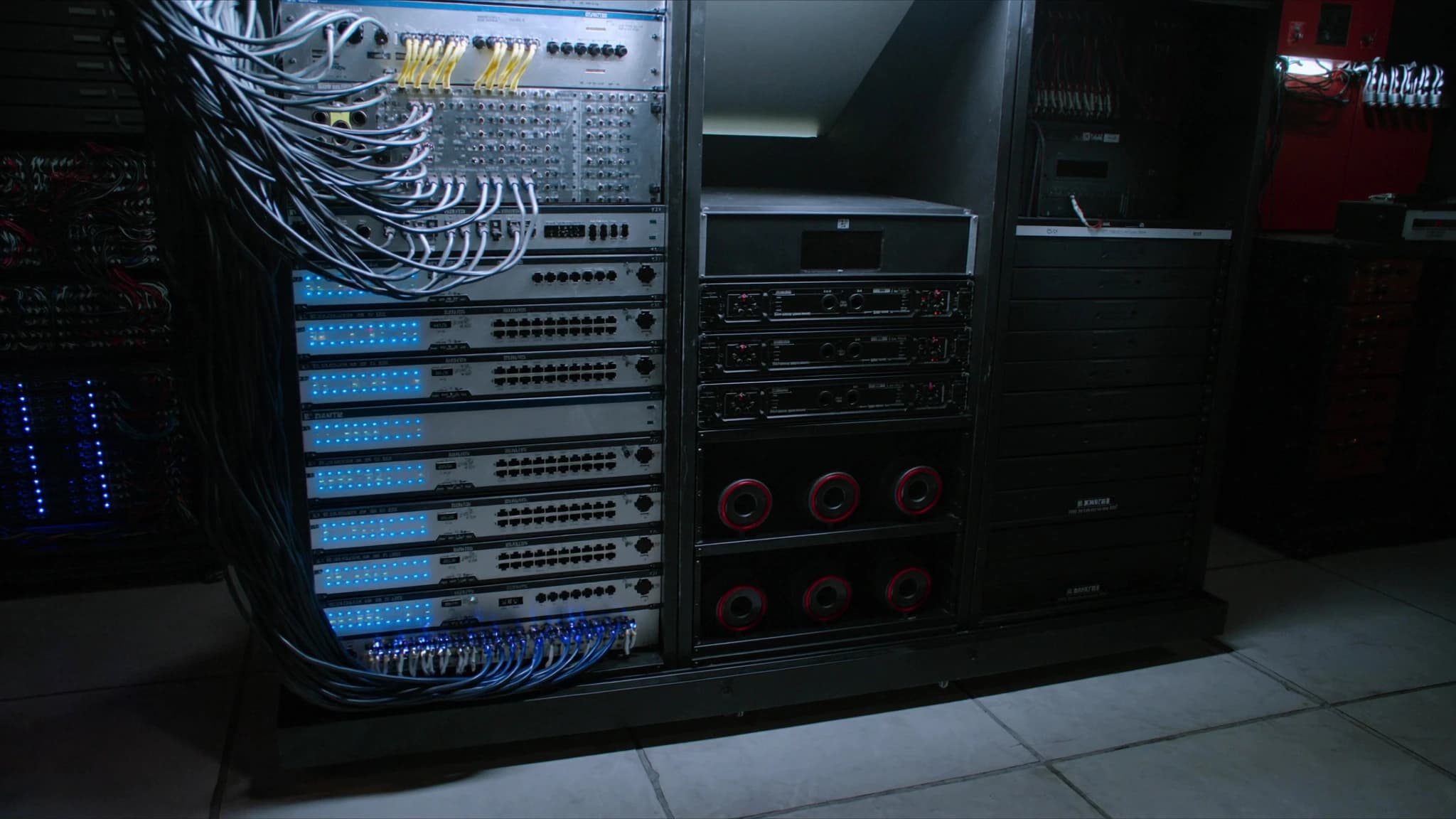
Moderne professionelle Audioanforderungen verlangen mehr als großartigen Klang, sie erfordern ein robustes, intelligentes Netzwerk, das jeden Verstärker, Lautsprecher und Kontrollpunkt zu einem nahtlosen Ökosystem verbindet. SSOUNDS-Verstärker sind mit nativem Dante/AES67-Audiotransport, redundanten Netzwerktopologien und tiefer Integration in unsere System Designer Software ausgestattet, die Ingenieuren die vollständige Kontrolle über groß angelegte Installationen und Touring-Rigs gibt.
Wichtigste Punkte
- SSOUNDS-Verstärker verfügen über duale Gigabit-Ethernet-Ports für redundante Audio- und Steuerungsnetzwerke.
- Native Dante/AES67-Unterstützung ermöglicht digitalen Audiotransport mit hoher Kanalanzahl und niedriger Latenz.
- System Designer bietet zentrale Konfiguration, Überwachung und Steuerung aller vernetzten Verstärker.
- Redundante Audiostreams und Netzteile gewährleisten unterbrechungsfreien Betrieb bei kritischen Veranstaltungen.
- Die Integration mit großen Konsolen und Drittanbietersystemen ist nahtlos über Dante, AES3 oder analoge I/O.
- Die Flexibilität der Netzwerktopologie ermöglicht Daisy-Chain-, Stern- oder Ringkonfigurationen für jeden Veranstaltungsort.
Verstärker-I/O und Netzwerkschnittstellen
SSOUNDS-Verstärker verfügen über ein umfassendes I/O-Panel, das für Flexibilität und Zuverlässigkeit ausgelegt ist. Jede Einheit enthält duale Gigabit-Ethernet-Ports für primäre und sekundäre Netzwerkverbindungen, die redundante Audio- und Steuerungspfade ermöglichen. Analoge Eingänge (XLR) und digitale AES3-Eingänge sind ebenfalls für Legacy- oder Standalone-Betrieb vorhanden, aber der Kern eines modernen SSOUNDS-Systems ist das digitale Netzwerk.
Der integrierte DSP des Verstärkers übernimmt alle Crossover-, EQ-, Limiting- und Delay-Verarbeitung, mit Presets, die für jedes SSOUNDS-Lautsprechermodell optimiert sind. Die Netzwerkkonnektivität ermöglicht Echtzeitüberwachung von Verstärkertemperatur, Ausgangsstrom und Limiter-Aktivität sowie Fernanpassung von Gain, Mute und Routing.
Dante/AES67-Audiotransport
SSOUNDS-Verstärker unterstützen Dante-Audio-Netzwerke mit bis zu 64x64 Kanälen pro Verstärker (je nach Modell) unter Verwendung standardmäßiger IP-Infrastruktur. AES67-Kompatibilität gewährleistet Interoperabilität mit anderer professioneller Audioausrüstung, einschließlich digitaler Mischpulte, Stageboxen und DSP-Einheiten von Drittanbietern.
Das Audio-Routing wird über Dante Controller oder direkt in SSOUNDS System Designer konfiguriert. Mehrere Verstärker können dieselben Multicast-Flows gemeinsam nutzen, sodass ein einzelner Konsolenausgang ein ganzes Line Array oder eine Zone versorgen kann. Abtastraten von 48 kHz oder 96 kHz werden unterstützt, mit automatischer Latenzverwaltung, um alle Treiber phasenausgerichtet zu halten.
Netzwerksteuerung und -überwachung mit System Designer
SSOUNDS System Designer ist die zentrale Softwareplattform zum Konfigurieren, Überwachen und Steuern des gesamten Lautsprechersystems. Es erkennt alle SSOUNDS-Verstärker im Netzwerk über standardmäßige IP-Protokolle (TCP/IP und UDP) und zeigt deren Status, Firmware-Version und zugewiesene Lautsprecher-Presets an.
Ingenieure können Gruppen erstellen, Ausgangspegel anpassen, einzelne Kanäle stummschalten und Echtzeitmetriken wie Ausgangsspannung, Strom und Temperatur überwachen. System Designer protokolliert auch historische Daten für Fehlerbehebung und vorbeugende Wartung. Die Software läuft auf Windows und macOS und kann auf einem dedizierten Laptop oder integriert in ein größeres Show-Control-Netzwerk über OSC oder MIDI verwendet werden.
Redundanz und Failover
Für missionskritische Veranstaltungen unterstützen SSOUNDS-Verstärker redundante Netzwerktopologien. Die dualen Ethernet-Ports können für primäre/sekundäre Audiostreams (Dante-Redundanz) oder für separate Steuerungs- und Audionetzwerke konfiguriert werden. Im Falle eines Netzwerk-Switch-Ausfalls oder Kabelbruchs wechselt der Verstärker nahtlos zum Backup-Stream ohne hörbaren Aussetzer.
Darüber hinaus können Verstärker über den sekundären Port für vereinfachte Verkabelung in kleineren Systemen verkettet werden, während bei Verwendung einer Ringtopologie mit managed Switches weiterhin ein redundanter Pfad erhalten bleibt. Netzteilredundanz ist auch in ausgewählten Verstärkermodellen mit dualen hot-swap-fähigen Netzteilen verfügbar.
Integration mit Konsolen und Drittanbietersystemen
SSOUNDS-Verstärker integrieren sich direkt mit großen digitalen Mischpulten über Dante/AES67, was direktes digitales Patchen ohne Analogwandlung ermöglicht. Für Konsolen ohne Dante sind analoge oder AES3-Eingänge verfügbar. Die Netzwerksteuerungsebene kann auch über MIDI- oder TCP/IP-Befehle an Konsolenautomatisierungssysteme angebunden werden.
System Designer unterstützt den Export von Systemkonfigurationen für die Dokumentation und kann Veranstaltungsort- oder Rigging-Daten für die akustische Vorhersage importieren. Dies erleichtert die Vorkonfiguration einer gesamten Tour oder Installation im Shop und den Einsatz vor Ort mit minimaler Einrichtungszeit.
Praktische Beispiele für Netzwerktopologien
Ein typisches SSOUNDS-System für ein mittelgroßes Festival könnte ein primäres Dante-Netzwerk mit 1 Gbps verwenden, mit einem sekundären Netzwerk für Steuerung und Überwachung. Verstärker sind mit managed Switches verbunden, bei denen QoS aktiviert ist, um Audioverkehr zu priorisieren. Die FOH-Konsole sendet ihre Haupt-L/R- und Subwoofer-Ausgänge über Dante an einen dedizierten Verstärker für das Frontfill, während Delay-Türme ihre eigenen Multicast-Flows erhalten.
Für größere Installationen können mehrere Subnetze verwendet werden, wobei SSOUNDS-Verstärker VLAN-Tagging und IGMP-Snooping unterstützen, um die Netzwerklast zu minimieren. System Designer kann Geräte über verschiedene Subnetze hinweg verwalten, solange das Routing ordnungsgemäß konfiguriert ist.
Häufige Fragen
Kann ich einen Standard-Netzwerk-Switch mit SSOUNDS-Verstärkern verwenden?
Ja, für Dante-Netzwerke wird jeder managed Gigabit-Ethernet-Switch mit IGMP-Snooping und QoS empfohlen. Für reine Steuerungsnetzwerke können unmanaged Switches ausreichen, aber managed Switches bieten bessere Redundanz und Verkehrsverwaltung.
Wie viele Verstärker kann ich von einer Instanz von System Designer aus steuern?
System Designer kann Hunderte von Verstärkern im selben Netzwerk erkennen und steuern, begrenzt nur durch Netzwerkbandbreite und IP-Adressierung. Für sehr große Systeme können mehrere Instanzen mit geeignetem Subnetting verwendet werden.
Unterstützt SSOUNDS AES67 für die Interoperabilität mit Nicht-Dante-Geräten?
Ja, alle SSOUNDS-Verstärker mit Dante unterstützen auch AES67, was die Verbindung mit AES67-konformer Ausrüstung wie bestimmten Mischpulten, Mikrofonen und Intercom-Systemen ermöglicht.
Was passiert, wenn das Netzwerk während einer Show ausfällt?
Mit redundanten Dante-Streams und dualen Ethernet-Ports wechselt der Verstärker automatisch zum Backup-Audiostream. Die Steuerung kann vorübergehend verloren gehen, aber das Audio läuft unterbrechungsfrei weiter. Für maximale Zuverlässigkeit empfehlen wir redundante Switches und Netzteile.
Kann ich den Verstärkerstatus remote über das Internet überwachen?
Ja, System Designer kann so konfiguriert werden, dass es über ein VPN oder Portweiterleitung eine Verbindung zu Verstärkern herstellt, was Fernüberwachung und Fehlerbehebung ermöglicht. Für Live-Auftritte wird jedoch dringend ein lokales dediziertes Netzwerk empfohlen, um Latenz und Risiko zu minimieren.
System aufbauen oder aufrüsten?
SSOUNDS entwickelt und fertigt professionelle PA weltweit, vom einzelnen Raum bis zur Stadiongröße.