Die beste Netzwerktopologie für Live-Sound
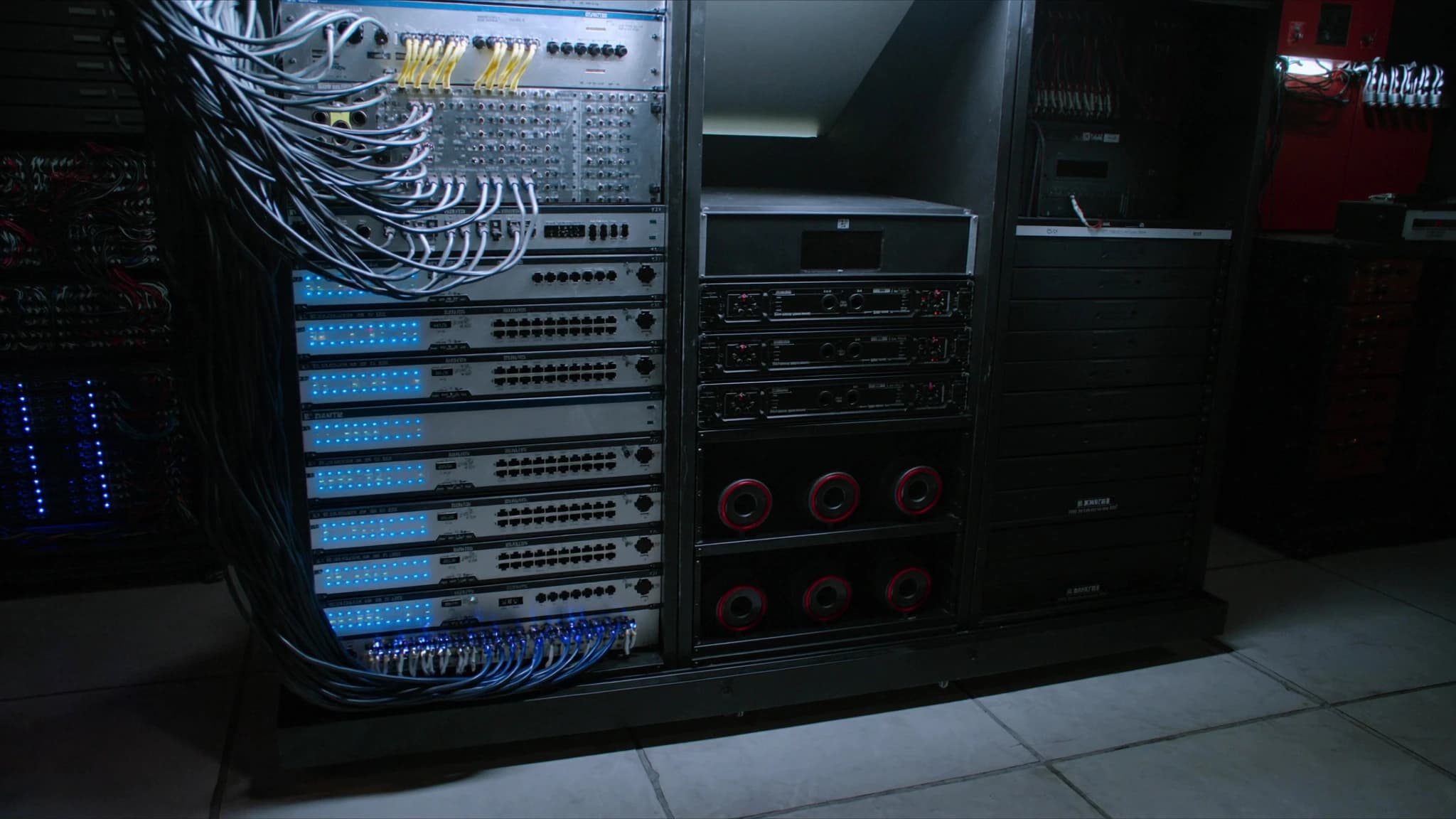
Im modernen Live-Sound ist das Netzwerk das Rückgrat Ihres gesamten Audiosystems und überträgt digitales Audio, Steuerdaten und Überwachungssignale durch den Veranstaltungsort. Die Wahl der richtigen Topologie kann den Unterschied zwischen einer makellosen Show und einem katastrophalen Ausfall ausmachen. Dieser Leitfaden erläutert die wichtigsten Überlegungen für die Planung eines zuverlässigen Show-Netzwerks, von Stern- und redundanten Topologien bis hin zu VLANs und Kabelmanagement.
Wichtigste Punkte
- Die Sterntopologie ist einfach, hat aber einen Single Point of Failure; verwenden Sie redundante Switches für kritische Veranstaltungen.
- Die redundante Ringtopologie bietet die höchste Zuverlässigkeit mit automatischem Failover unter 50 ms.
- Primäre/sekundäre Dante-Netzwerke bieten nahtloses Backup; halten Sie sie physisch isoliert.
- Verwenden Sie VLANs zur Trennung von Audio-, Steuerungs- und IT-Datenverkehr; aktivieren Sie IGMP Snooping und QoS.
- Glasfaserverbindungen sind am besten für lange Kabelwege; halten Sie Kupfer unter 100 Metern und verwenden Sie geschirmtes Kabel.
- Testen Sie das Netzwerk immer unter Last und dokumentieren Sie die Topologie für eine schnelle Fehlersuche.
Sterntopologie: Einfach und effektiv
Die Sterntopologie ist das gebräuchlichste und unkomplizierteste Netzwerkdesign für Live-Sound. In diesem Setup sind alle Geräte, Mischpulte, Stageboxen, Verstärker und DSP-Einheiten, mit einem zentralen Switch verbunden. Dieser zentrale Punkt vereinfacht die Fehlersuche und ermöglicht eine einfache Erweiterung. Für kleinere bis mittlere Shows kann ein einzelner Gigabit-Switch mit ausreichend Ports sowohl Audio- (Dante, AVB oder MADI) als auch Steuerdatenverkehr bewältigen.
Die Sterntopologie hat jedoch einen Single Point of Failure: Wenn der zentrale Switch ausfällt, bricht das gesamte Netzwerk zusammen. Um dies zu mildern, verwenden Sie immer einen hochwertigen managed Switch mit redundanten Netzteilen (duale Netzteile) und ziehen Sie einen Backup-Switch in Bereitschaft in Betracht. Für missionskritische Veranstaltungen kann ein redundanter Stern (duale Switches) eingesetzt werden, was jedoch Komplexität und Kosten erhöht.
Redundante Ringtopologie: Maximale Zuverlässigkeit
Für groß angelegte Touren und Festivals, bei denen Ausfallzeiten nicht verhandelbar sind, bietet eine redundante Ringtopologie (oft mit Protokollen wie Dante Redundant oder RSTP) die höchste Zuverlässigkeit. In einem Ring ist jedes Gerät mit zwei Nachbarn verbunden und bildet eine Schleife. Wenn ein Kabel oder Switch ausfällt, wird der Datenverkehr automatisch in die entgegengesetzte Richtung umgeleitet, mit Failover-Zeiten typischerweise unter 50 Millisekunden, für das Publikum nicht wahrnehmbar.
SSOUNDS-Ingenieure empfehlen oft einen Dual-Ring-Ansatz für primäre und sekundäre Dante-Netzwerke. Dies schafft zwei unabhängige Ringe: einen für primäres Audio und einen für sekundäres (Backup). Jedes Gerät sendet identisches Audio auf beiden Netzwerken, sodass bei Ausfall eines Rings der andere nahtlos übernimmt. Der Kompromiss sind doppelte Verkabelung und Switch-Ports, aber für Headliner-Acts und Broadcast-Events ist es der Goldstandard.
Primäre/sekundäre Dante-Netzwerke
Die Primär-/Sekundär-Redundanz von Dante ist ein Eckpfeiler der Live-Sound-Vernetzung. In diesem Design ist jedes Dante-fähige Gerät mit zwei separaten Switches (oder zwei VLANs auf demselben Switch) verbunden, einer für das primäre Netzwerk und einer für das sekundäre. Das primäre trägt den Haupt-Audiostream; das sekundäre trägt eine identische Kopie. Wenn ein Kabel, Switch oder Port im primären Netzwerk ausfällt, wechselt der Empfänger automatisch innerhalb von Millisekunden zum sekundären.
Um dies effektiv umzusetzen, stellen Sie sicher, dass primäre und sekundäre Netzwerke physisch isoliert sind, verwenden Sie separate Switches oder separate VLANs ohne Routing zwischen ihnen. Verwenden Sie niemals ein einziges Kabel für primäres und sekundäres Netzwerk (z. B. ein einzelnes Cat6 für beide ist ein Single Point of Failure). SSOUNDS DSP- und Verstärkerplattformen unterstützen Dante-Redundanz nativ und ermöglichen eine nahtlose Integration in solche Topologien.
VLANs: Trennung von Audio- und Steuerdatenverkehr
In komplexen Netzwerken sind VLANs (Virtual Local Area Networks) unerlässlich, um verschiedene Arten von Datenverkehr zu trennen. Für Live-Sound erstellen Sie mindestens drei VLANs: eines für Dante-Audio, eines für Steuerung (z. B. OSC, HTTP oder proprietäre Protokolle wie SSOUNDS NetControl) und eines für allgemeinen IT-Datenverkehr (Wi-Fi, Internet). Dies verhindert, dass Audiopakete durch Steuerungsbursts oder große Dateiübertragungen verzögert werden.
Verwenden Sie einen managed Switch mit IGMP Snooping, um Multicast-Datenverkehr zu optimieren (Dante verwendet Multicast für Clocking und Discovery). Ohne IGMP Snooping fluten Multicast-Pakete alle Ports und verschwenden Bandbreite. Richten Sie außerdem QoS (Quality of Service) ein, um Dante-Audiopakete (typischerweise DSCP 46) gegenüber Steuerungs- und Datenverkehr zu priorisieren. Dies gewährleistet niedrige Latenz und Jitter auch unter hoher Last.
Switch-Platzierung und Kabelwege
Die Switch-Platzierung sollte dem Signalfluss folgen: Platzieren Sie einen Switch in der Nähe des FOH (Front of House) für Konsolen und in der Nähe der Bühne für Stageboxen und Verstärker. Für große Veranstaltungsorte verwenden Sie mehrere Switches, die über Glasfaserverbindungen verbunden sind, um lange Strecken ohne Signalverschlechterung zu überbrücken. Glasfaser ist immun gegen elektromagnetische Störungen und kann Hunderte von Metern zurücklegen, ideal für Festivalgelände oder Arena-Decken.
Für Kupferstrecken (Cat5e/Cat6) halten Sie die Kabellängen unter 100 Metern pro Segment. Verwenden Sie geschirmtes Kabel (STP) in Umgebungen mit hoher EMI, z. B. in der Nähe von Power-Distros oder Lichtdimmern. Beschriften Sie jedes Kabel klar und verwenden Sie Farbcodierung (z. B. Rot für primäres Dante, Blau für sekundäres, Gelb für Steuerung). SSOUNDS empfiehlt vorkonfektionierte, werkseitig getestete Kabel für Zuverlässigkeit.
Best Practices aus der Praxis von SSOUNDS-Ingenieuren
Basierend auf Hunderten von Einsätzen betonen SSOUNDS-Ingenieure drei Regeln: (1) Verlassen Sie sich niemals auf einen einzigen Switch oder ein einziges Kabel, haben Sie immer einen Backup-Pfad. (2) Testen Sie Ihr Netzwerk unter Last vor dem Showtag, verwenden Sie Dante Controller zur Überwachung von Latenz und Paketverlust. (3) Dokumentieren Sie Ihre Netzwerktopologie und beschriften Sie alles. In einer Krise spart klare Dokumentation Minuten, die die Show retten können.
Für große Line-Array-Systeme wie die von SSOUNDS verwenden Sie ein dediziertes Netzwerk für die Verstärkersteuerung, getrennt vom Audio. Dies ermöglicht die Fernüberwachung von Verstärkerstatus, Temperatur und Limiter-Aktivität, ohne Audioausfälle zu riskieren. Viele SSOUNDS-Verstärker verfügen über duale Netzwerkports für Daisy-Chaining in einer Ringtopologie, was die Verkabelung vereinfacht und gleichzeitig Redundanz beibehält.
Häufige Fragen
Was ist die beste Topologie für eine kleine Clubshow?
Eine einfache Sterntopologie mit einem einzigen managed Gigabit-Switch ist in der Regel ausreichend. Verwenden Sie einen Switch mit dualem Netzteil für zusätzliche Zuverlässigkeit und ziehen Sie einen zweiten Switch als Hot Spare in Betracht.
Kann ich ein einziges Kabel für primäres und sekundäres Dante verwenden?
Nein. Das schafft einen Single Point of Failure. Primäres und sekundäres Netzwerk müssen physisch getrennt sein, unterschiedliche Kabel und Switches verwenden (oder unterschiedliche VLANs auf getrennten Ports).
Brauche ich Glasfaser für ein Festival?
Wenn die Entfernungen 100 Meter überschreiten oder Sie hohe EMI haben (z. B. in der Nähe von Generatoren), wird Glasfaser empfohlen. Für kürzere Strecken ist geschirmtes Cat6 in Ordnung.
Wie priorisiere ich Dante-Datenverkehr in meinem Netzwerk?
Aktivieren Sie QoS auf Ihrem managed Switch und setzen Sie Dante-Audiopakete auf DSCP 46 (Expedited Forwarding). Stellen Sie sicher, dass IGMP Snooping aktiviert ist, um Multicast-Flooding zu reduzieren.
Was passiert, wenn ein Switch in einer Ringtopologie ausfällt?
Der Datenverkehr wird automatisch in die entgegengesetzte Richtung umgeleitet. Bei Protokollen wie RSTP oder Dante Redundant liegt das Failover typischerweise unter 50 ms, für das Publikum unhörbar.
System aufbauen oder aufrüsten?
SSOUNDS entwickelt und fertigt professionelle PA weltweit, vom einzelnen Raum bis zur Stadiongröße.