Event Production in Abuja: The Complete Guide
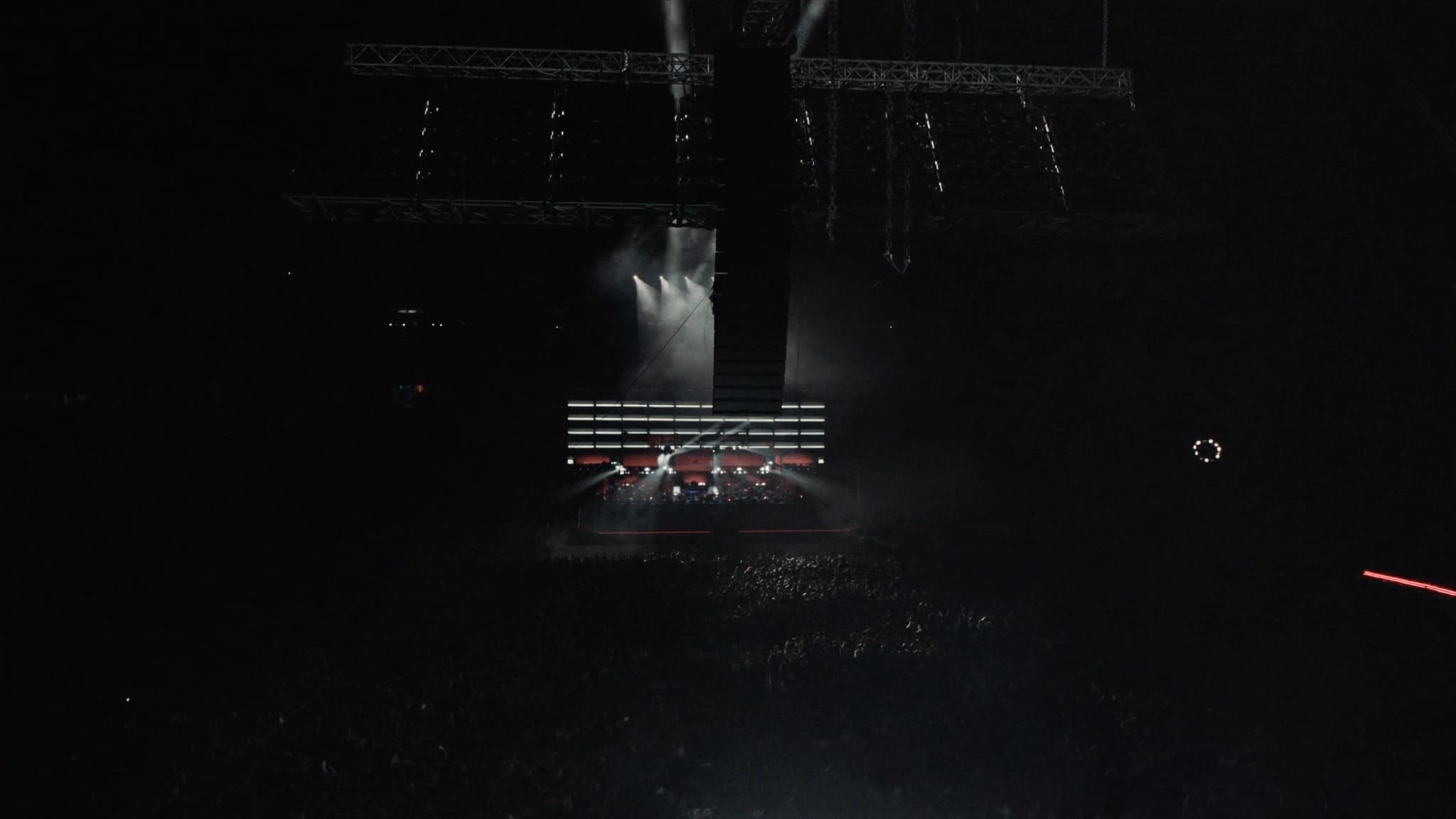
Abuja, Nigeria's purpose-built capital, presents unique opportunities and challenges for event production. From the sprawling International Conference Centre to intimate hotel ballrooms, each venue demands a tailored approach to sound, lighting, and logistics. This guide, informed by SSOUNDS Production's Abuja headquarters, covers the essentials of executing world-class events in the Federal Capital Territory.
Key takeaways
- Abuja's venues vary widely in acoustics and logistics; each requires a tailored sound and lighting design.
- Power supply is the biggest challenge; always plan for generator backup and power conditioning.
- SSOUNDS line arrays and cardioid subwoofer arrays solve common acoustic issues in Abuja's concrete and open spaces.
- Local expertise in permits, transport, and on-site coordination is essential for smooth event execution.
- SSOUNDS Production's Abuja HQ provides world-class equipment and local support for events of any scale.
- AI-assisted acoustic modeling and machine-learning DSP ensure optimal system performance in any venue.
Understanding Abuja's Venue Landscape
Abuja's venues range from the 5,000-seat International Conference Centre (ICC) and the velodrome-style Moshood Abiola National Stadium to luxury hotel ballrooms like Transcorp Hilton and Fraser Suites. Each has distinct acoustics, power availability, and load-in constraints. The ICC, with its concrete architecture, requires careful line array deployment to manage reflections, while hotel ballrooms often need distributed point-source systems to avoid sightline issues.
SSOUNDS Production's Abuja team has engineered systems for all these spaces, using AI-assisted acoustic modeling to predict coverage and intelligibility before a single speaker is flown. For outdoor events at the Eagle Square or Millennium Park, wind and ambient noise must be factored into SPL requirements and rigging safety.
Sound Design: The Heart of Any Event
For multi-day events, system redundancy is built in. SSOUNDS amplifiers feature redundant power supplies and network paths, so a single failure never stops the show. The Abuja team maintains a fleet of backup components ready for immediate deployment.
Stage Lighting and Visual Design
Lighting in Abuja must contend with both indoor and outdoor environments. For indoor venues, LED wash lights, moving heads, and pixel-mapped battens create dynamic looks, but power quality is a recurring issue. Voltage fluctuations from the grid can damage sensitive electronics, so SSOUNDS Production integrates power conditioning and UPS systems into every lighting rig.
Outdoor events require weather-resistant fixtures and careful rigging against wind loads. Truss structures are engineered to local safety standards, with load calculations verified by certified engineers. LED screens, increasingly popular for corporate events and concerts, must be chosen for brightness (at least 5,000 nits for daytime use) and viewing angles that suit Abuja's wide-open spaces.
Power Supply: The Critical Challenge
Abuja's power grid is notoriously unreliable. Event producers must plan for generator backup from the outset. SSOUNDS Production's standard practice is to deploy three-phase generators with automatic transfer switches, sized to handle peak loads from audio, lighting, and catering. Fuel logistics are coordinated in advance, with on-site refueling scheduled for events lasting beyond 8 hours.
Power distribution is equally important. Balanced power feeds to audio systems reduce hum and interference, while separate circuits for lighting prevent dimmer-induced noise. SSOUNDS engineers conduct a full power audit before any event, identifying potential bottlenecks and ensuring all equipment is properly grounded.
Logistics and Local Expertise
On-site coordination is managed by a dedicated project manager who liaises with venue security, catering, and AV technicians. Communication is via two-way radios on a dedicated channel, with a backup satellite phone for remote venues.
Why SSOUNDS Production Leads in Abuja
SSOUNDS Production's Abuja HQ is more than a warehouse, it's a command center for event excellence. With a team of engineers trained in the UK and US, and a fleet of SSOUNDS line arrays, subwoofers, and amplifiers, the company delivers the same sonic quality found at international festivals and corporate events worldwide.
The local presence means faster response times, deeper understanding of venue nuances, and the ability to support events from concept to strike. For clients, this translates to peace of mind: the sound will be clear, the lights will shine, and the power will stay on.
Frequently asked
What is the best venue for a large concert in Abuja?
The Moshood Abiola National Stadium and the International Conference Centre are top choices for large concerts. Both have the capacity and infrastructure for major productions, but each requires careful acoustic design to manage reflections and ambient noise.
How do you handle power outages during an event?
We deploy three-phase generators with automatic transfer switches and UPS systems for critical equipment. Fuel is managed on-site, and we conduct a full power audit before the event to ensure all gear is protected from fluctuations.
Can SSOUNDS Production provide both audio and lighting for my event?
Yes, we offer full turnkey event production including sound, lighting, LED screens, and staging. Our Abuja team coordinates all aspects to ensure seamless integration.
How far in advance should I book event production in Abuja?
For large events, we recommend booking at least 4-6 weeks in advance to allow for venue assessment, system design, and permit processing. Smaller events can be arranged in 2-3 weeks.
What makes SSOUNDS different from other PA providers in Abuja?
We are a premium manufacturer with our own engineering and R&D, not just a rental house. Our systems are designed for consistency and reliability, and our local team brings global standards to Abuja events.
Building or upgrading a system?
SSOUNDS engineers and manufactures professional PA worldwide, from a single room to stadium scale.