オーディオにおけるDante:完全ガイド
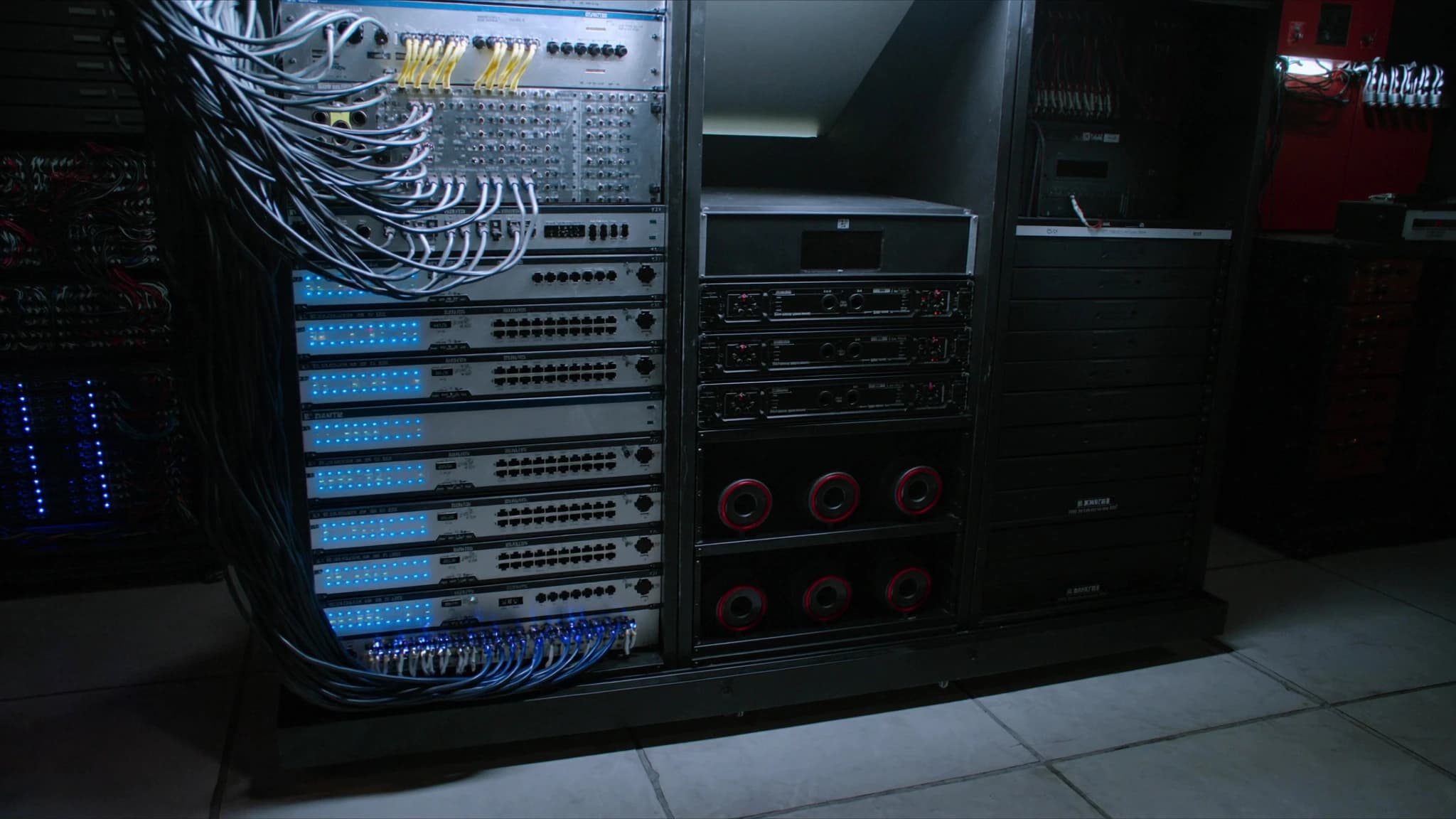
Danteはデジタルオーディオネットワーキングのデファクトスタンダードとなり、標準的なIPネットワーク上で高チャンネル数、低遅延のオーディオ伝送を可能にしています。このガイドでは、クロッキングや遅延などのコア概念からDante ControllerやDomain Managerなどの実用的なツールまで、Danteの仕組みを説明し、ライブ、設置、放送環境での役割をカバーします。
主なポイント
- Danteは成熟した広く採用されているAoIPプロトコルで、標準的なイーサネット上で非圧縮オーディオを伝送します。
- Precision Time Protocol(PTPv2)は、ネットワーク上のすべてのデバイス間でサンプル精度の同期を保証します。
- 0.25 msから5 msまでの構成可能な遅延により、ライブ、設置、放送アプリケーションに最適化できます。
- Dante Controllerは直感的なルーティングと監視を提供し、Dante Domain Managerは大規模ネットワークに集中管理を追加します。
- AES67モードは他のAoIPシステムとの相互運用を可能にし、Danteとサードパーティ機器をブリッジします。
- 適切なネットワーク設計(ギガビットスイッチ、QoS、VLAN)は、信頼性の高いDante運用に不可欠です。
Danteとは何か、AoIPはどのように機能するのか?
Audinateが開発したDanteは、ソフトウェア、ハードウェア、ネットワークプロトコルを組み合わせたもので、非圧縮のマルチチャンネルデジタルオーディオを標準的なイーサネットネットワーク上で伝送できるようにします。インターネットプロトコル(IP)を使用してデバイス間でオーディオをルーティングし、かさばるアナログスネークや専用のデジタルマルチコアケーブルを単一のCat5eまたはCat6ケーブルに置き換えます。
Audio over IP(AoIP)は、オーディオサンプルをデータパケットにパケット化し、タイミングとルーティング情報を追加して、スイッチドイーサネットネットワーク上で伝送することで機能します。Danteはレイヤー3 IPルーティングを使用するため、サブネットやVLANを越えて動作でき、大規模な設置にスケーラブルです。各Danteデバイスは固有のIPアドレスを持ち、オーディオフローは構成に応じてユニキャストまたはマルチキャストになります。
クロッキングとPTP(Precision Time Protocol)
正確なクロッキングは、複数のデバイス間で同期されたオーディオに不可欠です。DanteはIEEE 1588-2008 Precision Time Protocol(PTPv2)を使用して、ネットワーク全体にマスタークロックを配布します。1つのデバイスがクロックリーダーとして選出され(通常はBest Master Clock Algorithmによって自動的に)、他のすべてのデバイスがそれに同期します。
PTPは各オーディオパケットに正確なタイミング情報をタイムスタンプし、異なるデバイスからのサンプルが同期して到着することを保証します。これによりジッターが排除され、サンプル精度のアライメントが可能になります。大規模なネットワークでは、スイッチ間で精度を維持するためにバウンダリクロックとトランスペアレントクロックを使用できます。Danteのクロッキングは堅牢ですが、ネットワーク設計では過剰なホップを避け、PTPの安定性を維持するために適切なQoSを確保する必要があります。
遅延:理解と構成
Danteは構成可能な遅延設定を提供し、通常0.25 msから5 ms以上まで対応します。低遅延はライブサウンド(例:モニタリング)に重要ですが、最適化されたネットワークが必要です。高遅延は設置システムや放送など、遅延がそれほど重要でない場合に許容されます。
遅延はDanteデバイスのバッファサイズとネットワーク伝播遅延によって決まります。典型的なライブサウンド設定では、ギガビットスイッチと短いケーブル長で0.25 msまたは0.5 msが達成可能です。複数のスイッチを持つ大規模ネットワークでは、1 msまたは2 msが必要になる場合があります。Dante Controllerはデバイスごとの遅延調整を可能にし、積極的な遅延を設定する前にネットワークのパケットロスとジッターをテストする必要があります。
サンプルレートとビット深度
Danteは44.1 kHzから192 kHzまでのサンプルレートをサポートし、ビット深度は最大32ビットです。一般的な選択はライブサウンドでは48 kHzまたは96 kHz、放送では48 kHzまたは96 kHzです。高いサンプルレートは帯域幅使用量を増やしますが、周波数応答の改善と低遅延を提供します。
ビット深度はダイナミックレンジに影響します。24ビットは144 dBのダイナミックレンジを提供し、ほとんどのアプリケーションに十分です。32ビットフロートは一部のDanteデバイスで録音のヘッドルーム用に利用可能です。ネットワーク上でサンプルレートを混在させる場合、Danteは受信側でサンプルレート変換(SRC)を使用しますが、変換アーティファクトを避けるためにすべてのデバイスを同じサンプルレートに保つことが最善です。
Dante ControllerとDomain Manager
Dante Controllerは、Danteネットワークの構成と監視に使用される無料ソフトウェアです。デバイスを検出し、ドラッグアンドドロップでオーディオチャンネルをルーティングでき、遅延、クロックステータス、ネットワークの健全性を表示します。セットアップとトラブルシューティングに不可欠です。
Dante Domain Manager(DDM)は、異なる場所や組織にまたがる複数のDanteネットワークを管理するためのサーバーベースのソフトウェアです。ユーザー認証、ロールベースのアクセス、集中構成を提供します。DDMは、複数のエンジニアが制御されたアクセスを必要とする大規模な設置、キャンパス、放送施設に理想的です。また、DanteがサブネットやWANリンクを越えて動作できるようにします。
AES67相互運用性
AES67は、Dante、Livewire、Q-SYS、Ravennaなど、異なるAoIPシステム間の相互運用を可能にする高性能オーディオオーバーIPの標準です。DanteデバイスはAES67モードで動作するように構成でき、非DanteのAES67準拠デバイスとの間でオーディオを送受信できます。
AES67を使用するには、Danteネットワークを互換性のあるサンプルレート(通常48 kHz)、固定遅延、特定のマルチキャストアドレッシングで構成する必要があります。AES67はDanteのネイティブ冗長性やユニキャストルーティングをサポートしないため、システム間のブリッジングに最適です。Dante Controllerには、このモードを有効にするためのAES67構成タブが含まれています。
ライブ、設置、放送におけるDante
ライブサウンドでは、Danteはミキシングコンソール、ステージボックス、アンプ、ワイヤレスシステムを単一のケーブルで接続し、セットアップ時間と重量を削減します。冗長Danteネットワーク(プライマリとセカンダリ)は、重要なパフォーマンスのためのフェイルオーバーを提供します。適切なネットワーク設計により、低遅延(0.25 ms)が達成可能です。
設置システム(例:礼拝堂、企業AV、スタジアム)では、Danteは分散オーディオ処理とゾーン制御を可能にします。複数のスイッチで広いエリアをカバーでき、DDMは集中管理を可能にします。Danteが既存のITネットワーク上でオーディオをルーティングする能力は、ケーブルコストを削減します。
放送では、Danteはスタジオインターコム、マイクプリアンプ、ミキシングコンソールに使用されます。その低遅延と高チャンネル数はライブプロダクションに適しています。AES67相互運用により、他の放送AoIPシステムとの統合が可能です。Danteのマルチキャストサポートは、多くの宛先にオーディオを配信するのに効率的です。
よくある質問
Danteには専用ネットワークが必要ですか?
Danteは既存のITネットワークを共有できますが、信頼性と低遅延のために専用ネットワークまたはVLANで分離されたネットワークを推奨します。QoSを設定してDanteトラフィックを優先させる必要があります。
Danteネットワークの最大チャンネル数は?
単一のギガビットリンクは48 kHz/24ビットで最大512チャンネル(フローあたり64チャンネル、最大8フロー)を伝送できます。より大規模なネットワークは複数のスイッチとリンクアグリゲーションで拡張できます。
DanteはWi-Fiで動作しますか?
いいえ、Danteは有線イーサネットネットワークが必要です。Wi-Fiは信頼性の高いオーディオ伝送には遅延、ジッター、パケットロスが大きすぎます。
Danteネットワークの問題をトラブルシューティングするには?
Dante Controllerを使用してクロックステータス、遅延、サブスクリプションエラーを確認します。ネットワーク統計を監視してパケットドロップをチェックします。スイッチがQoSとマルチキャスト用のIGMPスヌーピングで設定されていることを確認します。
DanteはAVBやMilanと互換性がありますか?
DanteはAVB/Milanと直接互換性はありませんが、VLANで適切に分離すれば同じネットワーク上で共存できます。AES67はDanteと他のAoIPシステム間のブリッジを提供します。
システムの構築やアップグレードをお考えですか?
SSOUNDSは、単一の部屋からスタジアム規模まで、プロ用PAを世界中で設計・製造しています。