grandMA3コンソールとNPUの解説
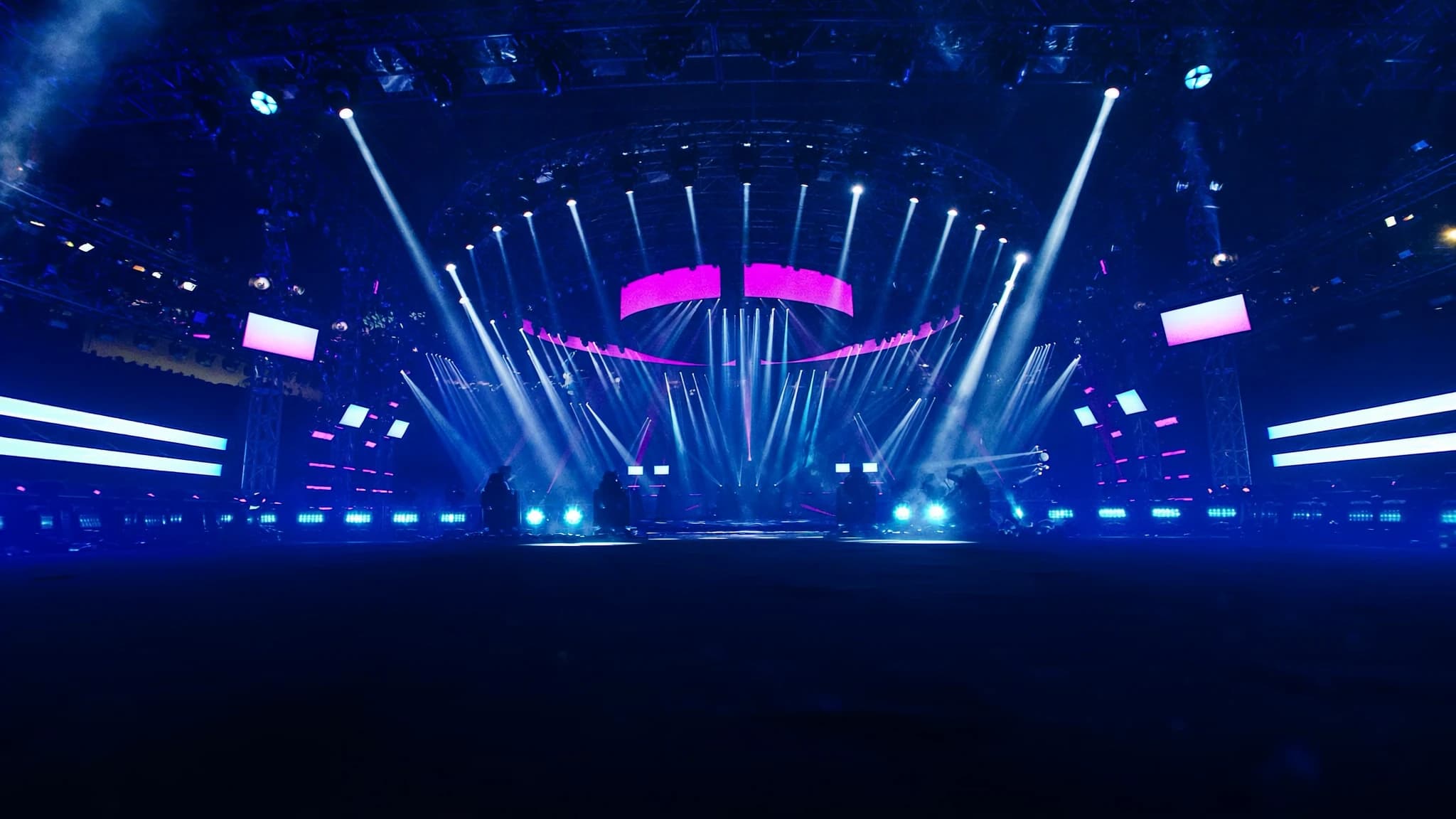
grandMA3エコシステムにおいて、Network Processing Unit(NPU)はパラメータ数を拡張し冗長性を追加する専用の処理エンジンです。このガイドでは、NPUの役割、grandMA3セッションへの組み込み方、そして実際にNPUが必要となる状況を説明します。
主なポイント
- NPUはgrandMA3セッションにパラメータ容量と出力処理を追加するネットワーク処理ユニットです。
- パラメータ数がコンソールの上限を超える場合、または追加のDMX出力が必要な場合にNPUが必要です。
- NPUはセッション内のコンソールまたは他のNPUのホットバックアップとして機能し、冗長性を提供できます。
- NPUはDMX512、Art-Net、sACN出力をサポートし、さまざまなリグアーキテクチャに対応できます。
- 信頼性の高いNPU運用には、適切なネットワーク設計とセッション管理が重要です。
grandMA3エコシステム:コンソール、onPC、処理
MA LightingのgrandMA3プラットフォームは、照明制御用のモジュラーシステムです。中核となるのは3つの要素です。コンソール(内蔵処理を備えた物理的な操作面)、onPC(コンピュータを操作面に変えるソフトウェア)、そしてNPU(Network Processing Unit)などの処理ユニットです。各要素は独立して動作することも、より大きなネットワークセッションの一部として動作することもできます。
コンソールは、プログラマーやオペレーターが使用するユーザーインターフェース、フェーダー、ボタン、エンコーダーを提供します。onPCは同じソフトウェア環境をコンピュータ上で提供し、多くの場合ウィングやフェーダー拡張と組み合わせて使用されます。対照的に、NPUにはユーザーインターフェースがありません。ラックマウント型の処理エンジンであり、パラメータ容量を追加し、セッション内の他の処理ノードのバックアップとして機能します。
役割分担を理解することが重要です。コンソールまたはonPCはヒューマンインターフェースと一部の処理を担当し、NPUはパラメータ、エフェクト、出力のための純粋な数値計算を担当します。大規模なショーでは、複数のコンソール、onPCステーション、NPUがすべて連携して動作することがあります。
NPUが実際に行うこと
NPUはネットワーク処理ユニットです。その主な役割は、grandMA3セッションで利用可能なパラメータの総数を増やすことです。すべての照明器具、メディアサーバー、エフェクトはパラメータを消費します。grandMA3コンソールには内蔵のパラメータ上限があり、ショーがその上限を超えると、追加の処理能力が必要になります。NPUは自身のパラメータプールをセッションに追加することでそれを提供します。
パラメータ拡張に加えて、NPUは出力処理も担当できます。物理DMXポート経由でDMX512を直接送信でき、Ethernet経由でArt-NetまたはsACN(streaming ACN)を出力できます。これにより、特に処理と出力をネットワーク全体に分散させる必要がある場合に、照明リグを駆動するための柔軟なノードとなります。
もう一つの重要な役割は冗長性です。grandMA3セッションでは、NPUを別のNPUまたはコンソールのバックアップとして指定できます。プライマリ処理ノードが故障した場合、バックアップがシームレスに引き継ぎ、ショーを継続します。これが、ツアー、放送、大規模イベントなど重要な本番でNPUが一般的に使用される理由です。
NPUはいつ必要か?
パラメータ数がコンソールまたはonPC単体で処理できる上限を超える場合にNPUが必要です。例えば、grandMA3 lightコンソールには固定のパラメータ上限があります。ショーファイルがそれ以上のパラメータを必要とする場合、NPUを追加することで利用可能な総数が拡張されます。正確な上限はコンソールモデルによって異なるため、最新の数値はMA Lightingの公式ドキュメントをご確認ください。
また、コンソールが提供する以上のDMX出力が必要な場合にもNPUが必要です。Art-NetやsACNなどのネットワークベースのプロトコルを外部ノードで使用することもできますが、NPUは内蔵DMXポートを備えており、中央出力ハブとして機能できます。これは、処理と出力を1つのラックユニットにまとめたい設備で役立ちます。
最後に、冗長性が必須の場合にNPUが必要です。単一のコンソール故障が致命的となる場合、NPUはホットバックアップとして機能できます。複数のNPUを含むセッションでは、相互に追跡するように構成できるため、1台がダウンしてももう1台が中断なく継続します。このレベルのフォールトトレランスは、プロのツアーおよび放送環境では標準です。
ネットワーキングとセッション管理
grandMA3はセッションベースのネットワーキングモデルを使用します。すべてのデバイス(コンソール、onPCステーション、NPU、その他のノード)がセッションに参加し、データを共有します。セッションはショーファイル、再生状態、プログラミング変更をリアルタイムで同期します。これにより、複数のプログラマーが同じショーで同時に作業でき、シームレスなフェイルオーバーが可能になります。
NPUは他のノードと同様にセッションに参加します。セッションマスター、バックアップ、または純粋な処理ノードとして機能できます。NPUをセッションに追加すると、そのパラメータがセッション全体で利用可能になります。その後、それらのパラメータに器具をパッチし、NPUのDMXポートまたはネットワークプロトコル経由で出力をルーティングできます。
ネットワーク構成は簡単ですが、注意が必要です。信頼性の高いネットワークスイッチ、適切なIPアドレス指定、場合によっては照明制御専用のVLANが必要です。MA LightingはgrandMA3 onPCやMA Network Switchなどのツールを提供し、セットアップを簡素化します。大規模システムでは、最適なパフォーマンスを確保するためにMA Lightingのネットワーキングガイドを参照してください。
DMX、Art-Net、sACN出力
NPUは物理ポート経由でDMX512を出力できます。各ポートは512チャンネルを提供し、複数のポートを使用して複数のユニバースを駆動できます。これは、追加のネットワークノードなしでDMXデイジーチェーンやスプリッターに直接接続するのに理想的です。
大規模システムでは、NPUはEthernet経由でArt-NetとsACNをサポートします。これらのプロトコルにより、単一のネットワークケーブルで多数のユニバースを互換ノードに送信し、そこでDMXに変換できます。これにより配線が削減され、特に器具が会場全体に分散している場合の柔軟性が向上します。
Art-NetまたはsACNを使用する場合、grandMA3ソフトウェアでユニバースを構成し、NPUのネットワーク出力にマッピングします。NPUは適切なノードにデータをブロードキャストまたはユニキャストします。このアプローチは、集中処理と分散出力が理にかなっている複雑なリグで一般的です。
冗長性とフェイルオーバー
grandMA3の冗長性はセッショントラッキングによって実現されます。セッション内に複数のNPUを配置し、1台をプライマリ、別の1台をバックアップとして指定できます。バックアップは継続的にショーデータを受信し、プライマリが故障した場合に引き継ぐ準備ができています。切り替えは自動で、ほとんどの場合気付かれないほど高速です。
NPUをコンソールのバックアップとして使用することもできます。コンソールが故障した場合、NPUは処理と出力を継続できますが、交換品が接続されるまで物理的な操作面は失われます。重要な状況では、セッション内に予備のコンソールまたはonPCステーションを用意することで完全なバックアップが提供されます。
最大限の信頼性を得るために、MA Lightingは冗長ネットワークも推奨しています。つまり、2つの別々のネットワークパス(例:2つのスイッチ)を使用し、単一のケーブルまたはスイッチの故障でセッションがダウンしないようにします。NPUは一部のモデルでデュアルネットワークインターフェースによりこれをサポートしていますが、必ず特定のユニットの仕様を確認してください。
実用的な考慮事項とSSOUNDSの視点
grandMA3システムを選定する際は、総パラメータ数、出力要件、冗長性のニーズを考慮してください。器具リストから始めて、器具ごとのパラメータを計算します。エフェクトやその他の消費要素を追加します。合計がコンソールの上限を超える場合は、NPUを追加します。より多くのDMX出力が必要な場合、NPUが提供できます。フェイルオーバーが必要な場合は、少なくとも2台のNPU、またはNPUとコンソールの組み合わせを計画してください。
SSOUNDSでは、音響に適用するのと同じエンジニアリングの厳密さで照明制御に取り組んでいます。PAシステムをカバレッジ、SPL、明瞭度のために設計するのと同様に、お客様が信頼性と拡張性のために制御システムを設計するのを支援します。NPUを処理の主力とするgrandMA3エコシステムは、要求の厳しい本番環境で実績のある選択肢です。
単一の機材が成功を保証するものではないことを忘れないでください。適切な計画、構成、テストが不可欠です。ツアー、放送スタジオ、常設設備のいずれのシステムを構築する場合でも、NPUの役割を理解することで、情報に基づいた意思決定が可能になります。
よくある質問
grandMA3コンソールとNPUの違いは何ですか?
コンソールは物理的な操作面と内蔵処理を備えています。NPUは操作面を持たないラックマウント型の処理ユニットです。セッションにパラメータと出力容量を追加し、バックアップとしても機能します。
コンソールなしでNPUを使用できますか?
はい、onPCとNPUでセッションを運用できます。onPCがユーザーインターフェースを提供し、NPUが追加の処理と出力を提供します。これは物理的なコンソールが不要な設備で一般的です。
NPUはパラメータをいくつ追加しますか?
パラメータ数は特定のNPUモデルとgrandMA3ソフトウェアのバージョンによって異なります。正確な数値はMA Lightingの公式仕様をご確認ください。NPUのパラメータはセッションの総プールに追加されます。
NPUはArt-NetとsACNをサポートしていますか?
はい、NPUは物理ポート経由のDMX512に加えて、Ethernet経由でArt-NetとsACNを出力できます。これにより、ネットワーク化されたシステムで柔軟な出力ルーティングが可能になります。
NPUは冗長化に使用できますか?
はい、NPUは別のNPUまたはコンソールのバックアップとして構成できます。セッション内でプライマリを追跡し、プライマリが故障した場合に自動的に引き継ぎます。
システムの構築やアップグレードをお考えですか?
SSOUNDSは、単一の部屋からスタジアム規模まで、プロ用PAを世界中で設計・製造しています。