Skip to content

Indoor vs Outdoor LED Screens: A Complete Guide

Indoor vs Outdoor LED Screens: A Complete Guide

Choosing between indoor and outdoor LED screens requires understanding key technical differences in brightness, weatherproofing, pixel pitch, and cabinet design. This guide breaks down the critical specifications and use cases to help you select the right screen for your environment.

Key takeaways

  • Outdoor screens require 5,000–10,000 nits brightness; indoor screens need 600–1,500 nits.
  • IP65 is standard for outdoor; IP20–IP40 for indoor. Verify front and rear ratings.
  • Pixel pitch determines viewing distance: indoor P0.9–P4, outdoor P4–P16.
  • Outdoor cabinets are heavier, sealed, and have robust cooling; indoor cabinets are slim and lightweight.
  • Power consumption is 2–3x higher for outdoor screens due to brightness and cooling.
  • Front-service design is valuable for both indoor and outdoor to reduce maintenance downtime.

Brightness and Nits: Why Outdoor Screens Need More Punch

Brightness, measured in nits (candelas per square meter), is the most fundamental difference between indoor and outdoor LED screens. Indoor screens typically range from 600 to 1,500 nits, which is sufficient for controlled lighting conditions like conference rooms, retail stores, or broadcast studios. Outdoor screens, however, must combat direct sunlight, which can exceed 10,000 nits. Standard outdoor LED screens operate at 5,000 to 8,000 nits, with high-brightness models reaching 10,000 nits or more.

The reason is simple: sunlight washes out lower brightness levels, making content unreadable. For example, a 1,000-nit indoor screen placed outdoors on a sunny day would appear dim and illegible. Conversely, an outdoor screen used indoors at full brightness would be uncomfortably bright and cause eye strain. Many modern outdoor screens feature automatic brightness adjustment via ambient light sensors, dynamically reducing nits at night to avoid glare.

IP Weatherproof Rating: Protecting Against the Elements

Ingress Protection (IP) ratings define a screen's resistance to dust and water. Indoor screens typically have IP20 to IP40 ratings, meaning they are protected against solid objects larger than 12.5mm (IP20) or 1mm (IP40) but have no water protection. Outdoor screens require much higher ratings: IP65 is the industry standard for front and rear protection against dust and low-pressure water jets from any direction.

For permanent outdoor installations, IP65 ensures the cabinet is fully sealed. However, rental applications often use IP54 or IP54 front/IP65 rear configurations, allowing for easier serviceability while still protecting against rain. It's critical to verify both front and rear ratings, as some screens claim IP65 only on the front while the rear remains vulnerable. Additionally, outdoor screens must withstand humidity, salt spray (coastal areas), and temperature extremes, requiring corrosion-resistant materials and thermal management systems.

Pixel Pitch and Viewing Distance: Resolution vs. Visibility

Pixel pitch (the distance between LED pixels, measured in millimeters) directly determines resolution and optimal viewing distance. Indoor screens use smaller pixel pitches (P0.9 to P4) because viewers are close—often just a few meters away. For example, a P1.2 screen is ideal for a corporate lobby where people stand 2–3 meters from the display. Outdoor screens use larger pixel pitches (P4 to P16) because viewing distances are greater—typically 10 meters or more. A P10 screen is common for stadiums or billboards viewed from 20+ meters.

Using an indoor pixel pitch outdoors would be unnecessarily expensive and may not achieve sufficient brightness. Conversely, an outdoor pixel pitch indoors would look blocky and unrefined at close range. The rule of thumb: minimum viewing distance (meters) ≈ pixel pitch (mm). For a P6 outdoor screen, the closest comfortable viewing distance is about 6 meters. Always match pixel pitch to the primary audience distance to balance cost and visual quality.

Cabinet Design: Durability, Weight, and Ventilation

Indoor cabinets are typically lightweight, using aluminum or thin steel, with fan cooling and simple front or rear access. They prioritize slim profiles and easy installation in rack or wall-mount configurations. Outdoor cabinets are built like tanks—heavy-duty aluminum or steel with robust sealing, reinforced frames, and often dual-fan or passive cooling systems to dissipate heat from direct sunlight. They also include drainage channels to prevent water pooling.

Weight is a major consideration for outdoor rental applications: lighter cabinets reduce rigging costs. Some manufacturers offer die-cast aluminum cabinets that are both strong and lightweight. Serviceability differs too: indoor screens often have front service access (modules removable from the front) to fit tight spaces, while outdoor screens may offer rear access for easier maintenance in larger installations. Cable management is also more critical outdoors, with weatherproof connectors and armored cabling.

Power and Serviceability: Efficiency and Maintenance

Power consumption varies significantly. Outdoor screens require more power per square meter due to higher brightness and cooling needs. A typical outdoor LED module consumes 300–600 W/m², while indoor modules consume 100–300 W/m². Efficient power supplies and driver ICs (like constant-current drivers) help reduce energy costs. For large outdoor installations, power redundancy (dual power supplies) is common to ensure uptime.

Serviceability is about minimizing downtime. Indoor screens often use hot-swappable modules and power supplies accessible from the front, allowing quick replacement without removing the entire cabinet. Outdoor screens may require rear access or specialized tools to maintain weather seals. Some modern outdoor screens feature front-service designs with tool-less module replacement, combining weather protection with ease of maintenance. Always consider the total cost of ownership, including power, cooling, and replacement parts.

When to Choose Indoor vs. Outdoor LED Screens

Choose indoor LED screens for controlled environments: corporate lobbies, retail displays, control rooms, broadcast studios, conference halls, and indoor events. They offer higher resolution at lower cost per pixel, better color accuracy, and silent operation (fanless models available).

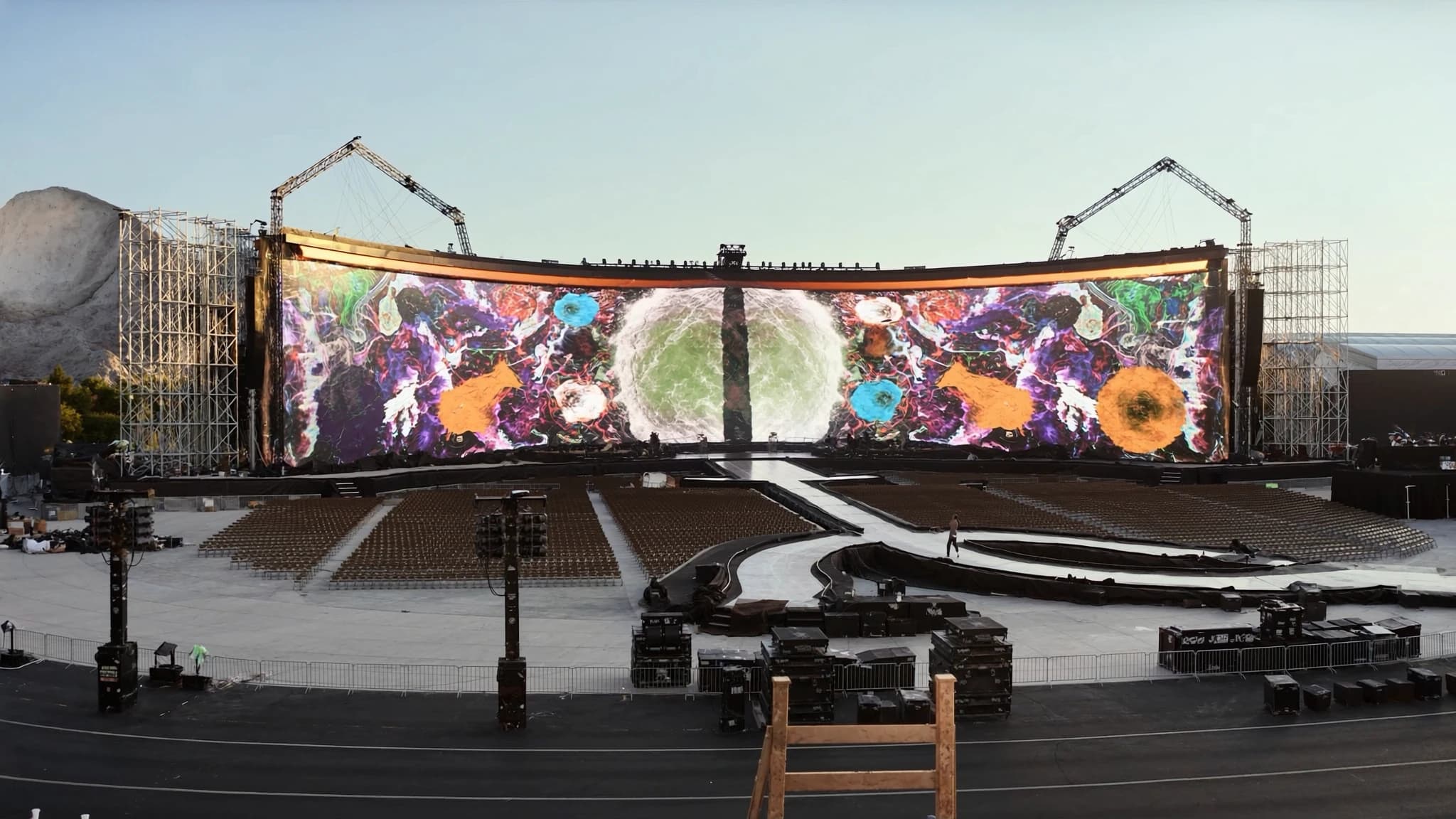
Choose outdoor LED screens for any application exposed to weather: stadiums, billboards, outdoor concerts, drive-in theaters, building facades, and public squares. They prioritize visibility in sunlight, durability against rain and dust, and long-term reliability in harsh conditions. For temporary outdoor events, rental-grade outdoor screens with IP54/IP65 ratings and quick-rigging frames are ideal.

In some cases, hybrid solutions exist—like indoor screens placed in covered outdoor areas (e.g., a patio with a roof) where direct rain exposure is minimal. However, always consult the manufacturer's specifications and warranty terms before installing any screen outdoors.

Frequently asked

Can I use an indoor LED screen outdoors under a canopy?

It is not recommended. Even under a canopy, humidity, dust, and temperature fluctuations can damage an indoor-rated screen. Moisture can condense inside, and the lower brightness may be inadequate in daylight. Always use an outdoor-rated screen for any outdoor exposure.

What is the typical lifespan of an outdoor LED screen?

With proper maintenance, outdoor LED screens can last 50,000–100,000 hours (5–10+ years). Factors like heat, humidity, and brightness settings affect longevity. High-quality LEDs and robust power supplies extend life.

How do I calculate the right pixel pitch for my outdoor screen?

Determine the minimum viewing distance (in meters) and divide by 1000 to get the pixel pitch in millimeters. For example, if the closest viewer is 20 meters away, a P20 screen is sufficient. For better quality, choose a pitch slightly smaller than the calculated value.

Do outdoor LED screens require special ventilation?

Yes. Outdoor screens generate significant heat from LEDs and power supplies. They use fans, heat sinks, or passive cooling. Ensure the installation site allows adequate airflow around the cabinet, and avoid blocking vents.

Are there indoor LED screens that can be used outdoors temporarily?

Some manufacturers offer 'indoor/outdoor' or 'IP54' rated screens that can handle light rain and dust for short periods. However, for reliable outdoor use, always choose a screen specifically designed and certified for outdoor conditions.

Building or upgrading a system?

SSOUNDS engineers and manufactures professional PA worldwide — from a single room to stadium scale.

Talk to an engineer
Chat on WhatsApp