SSOUNDSシステムネットワーキング:アンプの接続方法
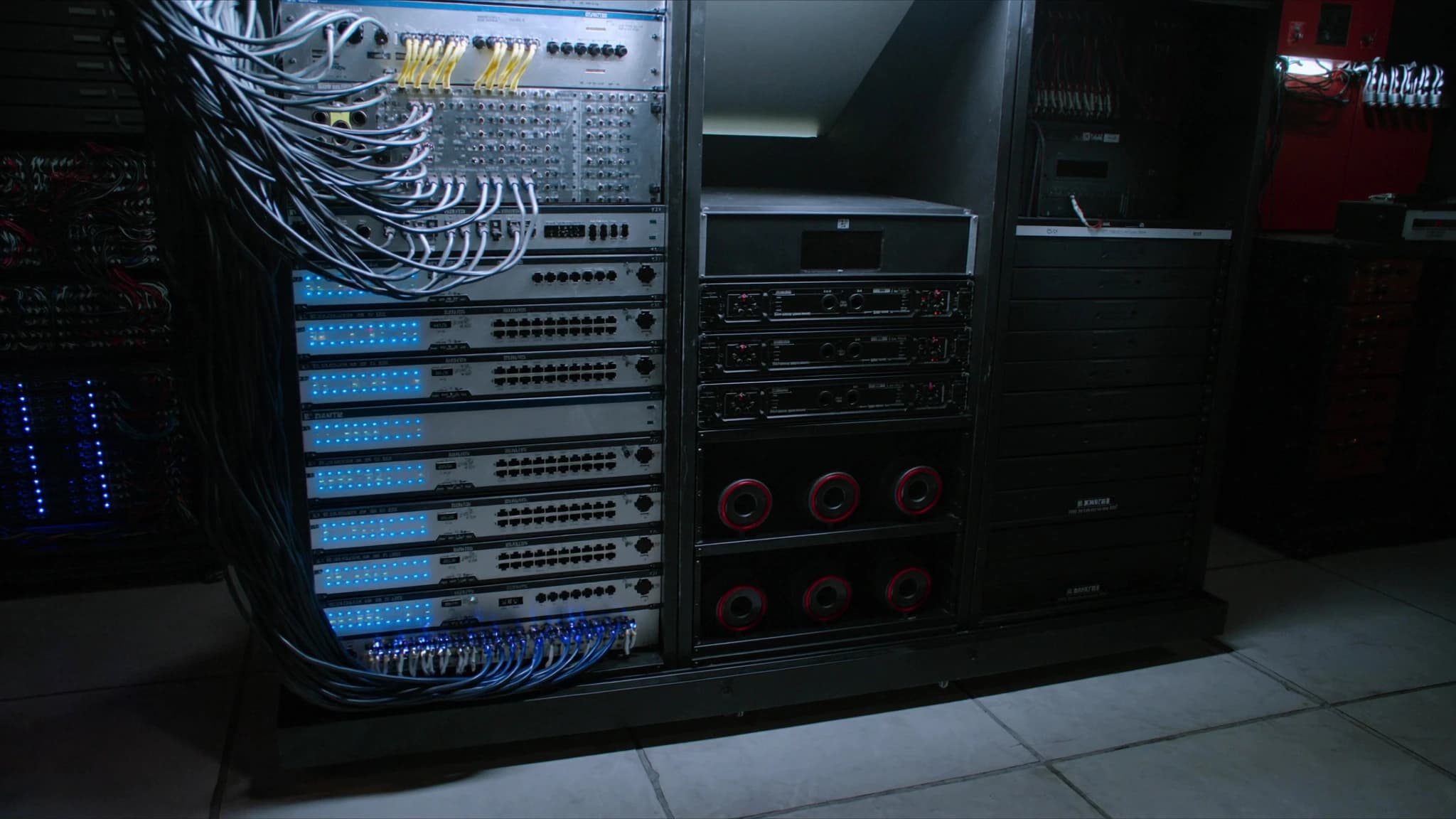
現代のプロフェッショナルオーディオは、優れたサウンド以上のものを要求します。すべてのアンプ、ラウドスピーカー、コントロールポイントをシームレスなエコシステムに接続する、堅牢でインテリジェントなネットワークが必要です。SSOUNDSアンプは、ネイティブDante/AES67オーディオトランスポート、冗長ネットワークトポロジー、および当社のSystem Designerソフトウェアとの深い統合により設計されており、エンジニアに大規模な設置とツアーリグに対する完全な指揮権を与えます。
主なポイント
- SSOUNDSアンプは、冗長オーディオおよび制御ネットワーク用のデュアルGigabit Ethernetポートを備えています。
- ネイティブDante/AES67サポートにより、低レイテンシで高チャンネル数のデジタルオーディオトランスポートが可能になります。
- System Designerは、すべてのネットワーク接続されたアンプの集中構成、監視、制御を提供します。
- 冗長オーディオストリームと電源により、重要なイベント中の中断のない動作が保証されます。
- 主要コンソールおよびサードパーティシステムとの統合は、Dante、AES3、またはアナログI/Oを介してシームレスです。
- ネットワークトポロジーの柔軟性により、あらゆる会場に適したデイジーチェーン、スター、またはリング構成が可能です。
アンプのI/Oとネットワークインターフェース
SSOUNDSアンプは、柔軟性と信頼性のために設計された包括的なI/Oパネルを備えています。各ユニットには、プライマリおよびセカンダリネットワーク接続用のデュアルGigabit Ethernetポートがあり、冗長なオーディオおよび制御パスを可能にします。アナログ入力(XLR)とAES3デジタル入力も、レガシーまたはスタンドアロン操作のために提供されていますが、現代のSSOUNDSシステムの中核はデジタルネットワークです。
アンプのオンボードDSPは、すべてのクロスオーバー、EQ、リミッティング、ディレイ処理を処理し、各SSOUNDSラウドスピーカーモデルに最適化されたプリセットを備えています。ネットワーク接続により、アンプの温度、出力電流、リミッターアクティビティのリアルタイム監視、およびゲイン、ミュート、ルーティングのリモート調整が可能です。
Dante/AES67オーディオトランスポート
SSOUNDSアンプは、標準IPインフラストラクチャを使用して、アンプあたり最大64x64チャンネル(モデルによる)のDanteオーディオネットワーキングをサポートします。AES67互換性により、デジタルミキシングコンソール、ステージボックス、サードパーティDSPユニットなど、他のプロフェッショナルオーディオ機器との相互運用性が保証されます。
オーディオルーティングは、Dante Controller経由またはSSOUNDS System Designer内で直接構成されます。複数のアンプが同じマルチキャストフローを共有できるため、単一のコンソール出力でラインアレイまたはゾーン全体に供給できます。48 kHzまたは96 kHzのサンプルレートがサポートされ、自動レイテンシ管理によりすべてのドライバーが位相整合されます。
System Designerによるネットワーク制御と監視
SSOUNDS System Designerは、ラウドスピーカーシステム全体を構成、監視、制御するための中央ソフトウェアプラットフォームです。標準IPプロトコル(TCP/IPおよびUDP)を介してネットワーク上のすべてのSSOUNDSアンプを検出し、そのステータス、ファームウェアバージョン、割り当てられたラウドスピーカープリセットを表示します。
エンジニアは、グループを作成し、出力レベルを調整し、個々のチャンネルをミュートし、出力電圧、電流、温度などのリアルタイムメトリクスを監視できます。System Designerは、トラブルシューティングと予防保守のために履歴データも記録します。ソフトウェアはWindowsおよびmacOSで動作し、専用ラップトップで使用するか、OSCまたはMIDIを介して大規模なショーコントロールネットワークに統合できます。
冗長性とフェイルオーバー
ミッションクリティカルなイベントでは、SSOUNDSアンプは冗長ネットワークトポロジーをサポートします。デュアルEthernetポートは、プライマリ/セカンダリオーディオストリーム(Dante冗長性)または別個の制御およびオーディオネットワーク用に構成できます。ネットワークスイッチの故障やケーブル断線が発生した場合、アンプは可聴ドロップアウトなしでバックアップストリームにシームレスに切り替わります。
さらに、アンプはセカンダリポートを使用してデイジーチェーン接続でき、小規模システムでのケーブル配線を簡素化しつつ、マネージドスイッチを使用したリングトポロジーで冗長パスを維持します。一部のアンプモデルでは、デュアルホットスワップ可能PSUによる電源冗長性も利用できます。
コンソールおよびサードパーティシステムとの統合
SSOUNDSアンプは、Dante/AES67を介して主要なデジタルミキシングコンソールと直接統合され、アナログ変換なしで直接デジタルパッチングを可能にします。Danteのないコンソールには、アナログまたはAES3入力が利用できます。ネットワーク制御層は、MIDIまたはTCP/IPコマンドを使用してコンソールオートメーションシステムにブリッジすることもできます。
System Designerは、ドキュメント用のシステム構成のエクスポートをサポートし、音響予測のために会場またはリギングデータをインポートできます。これにより、ツアーや設置全体をショップで事前構成し、最小限のセットアップ時間で現場に展開することが容易になります。
実用的なネットワークトポロジーの例
中規模フェスティバル向けの典型的なSSOUNDSシステムでは、1 Gbpsで動作するプライマリDanteネットワークと、制御および監視用のセカンダリネットワークを使用する場合があります。アンプは、オーディオトラフィックを優先するためにQoSを有効にしたマネージドスイッチに接続されます。FOHコンソールは、メインL/Rおよびサブウーファー出力をDante経由でフロントフィル専用アンプに送信し、ディレイタワーは独自のマルチキャストフローを受信します。
大規模な設置では、複数のサブネットを使用でき、SSOUNDSアンプはVLANタグ付けとIGMPスヌーピングをサポートしてネットワーク負荷を最小限に抑えます。System Designerは、ルーティングが適切に構成されている限り、異なるサブネット間でデバイスを管理できます。
よくある質問
SSOUNDSアンプに標準的なネットワークスイッチを使用できますか?
はい、DanteネットワークにはIGMPスヌーピングとQoSを備えたマネージドGigabit Ethernetスイッチを推奨します。制御専用ネットワークであればアンマネージドスイッチでも十分な場合がありますが、マネージドスイッチはより優れた冗長性とトラフィック管理を提供します。
System Designerの1つのインスタンスから何台のアンプを制御できますか?
System Designerは、ネットワーク帯域とIPアドレス指定によってのみ制限され、同じネットワーク上で数百台のアンプを検出および制御できます。非常に大規模なシステムでは、適切なサブネット化により複数のインスタンスを使用できます。
非Danteデバイスとの相互運用性のためにSSOUNDSはAES67をサポートしていますか?
はい、Danteを搭載したすべてのSSOUNDSアンプはAES67もサポートしており、特定のミキシングコンソール、マイク、インターカムシステムなど、AES67準拠の機器に接続できます。
ショー中にネットワークが故障した場合はどうなりますか?
冗長DanteストリームとデュアルEthernetポートにより、アンプは自動的にバックアップオーディオストリームに切り替わります。制御は一時的に失われる可能性がありますが、オーディオは中断なく継続します。最大の信頼性のために、冗長スイッチと電源の使用を推奨します。
インターネット経由でアンプの状態をリモート監視できますか?
はい、System DesignerはVPN経由またはポートフォワーディングを通じてアンプに接続するように構成でき、リモート監視とトラブルシューティングが可能です。ただし、ライブパフォーマンスでは、レイテンシとリスクを最小限に抑えるために、ローカルの専用ネットワークを強く推奨します。
システムの構築やアップグレードをお考えですか?
SSOUNDSは、単一の部屋からスタジアム規模まで、プロ用PAを世界中で設計・製造しています。