ライブサウンドに最適なネットワークトポロジー
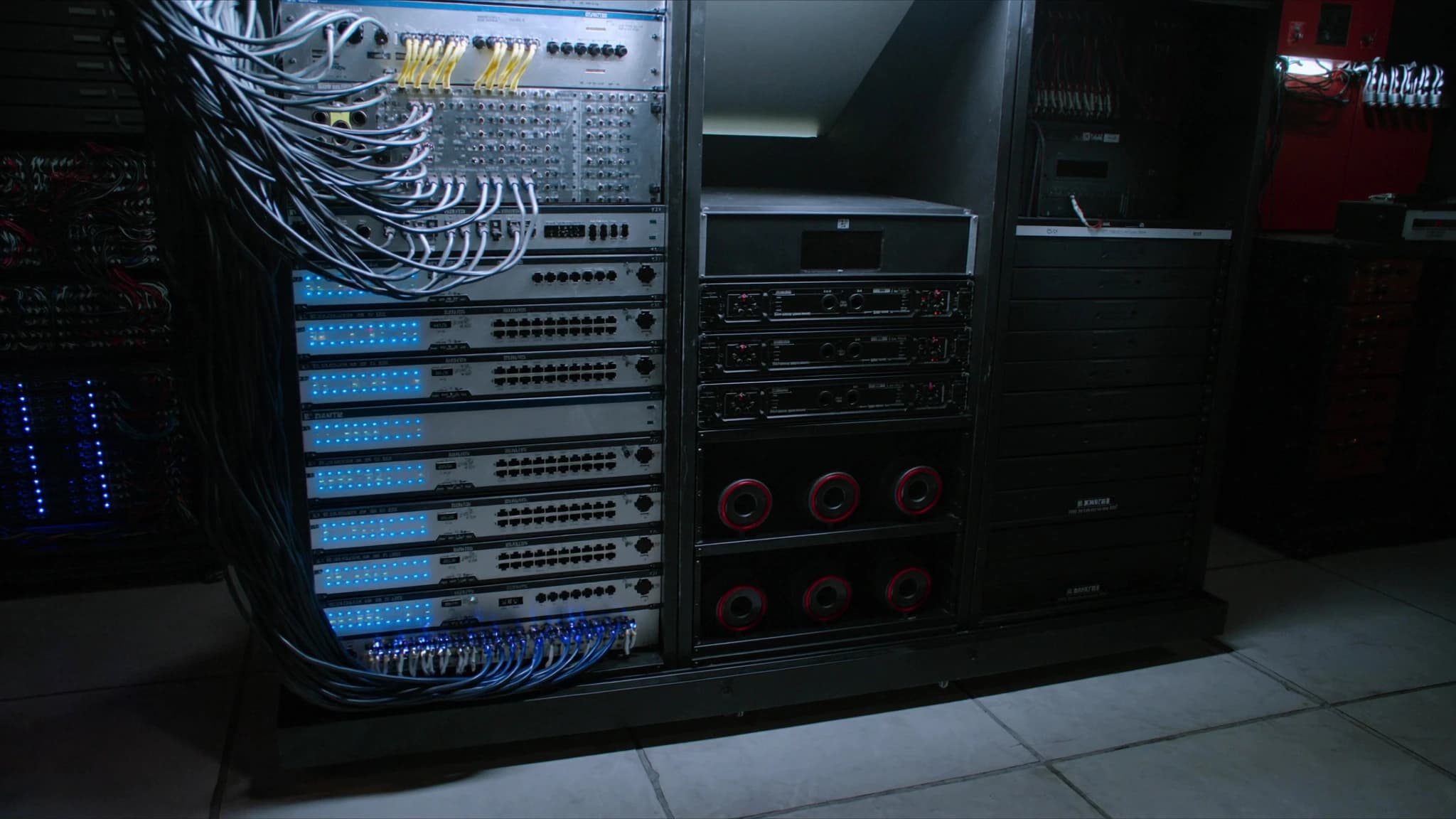
現代のライブサウンドでは、ネットワークはオーディオシステム全体のバックボーンであり、会場全体にデジタルオーディオ、制御データ、モニタリング信号を伝送します。適切なトポロジーを選択することは、完璧なショーと壊滅的な障害の分かれ目となります。このガイドでは、スター型や冗長トポロジーからVLAN、ケーブル管理まで、信頼性の高いショーネットワークを設計するための重要な考慮事項を解説します。
主なポイント
- スター型トポロジーはシンプルですが単一障害点があります。重要なイベントには冗長スイッチを使用してください。
- 冗長リングトポロジーは、50ミリ秒未満の自動フェイルオーバーで最高の信頼性を提供します。
- プライマリ/セカンダリDanteネットワークはシームレスなバックアップを提供します。物理的に分離してください。
- VLANを使用してオーディオ、制御、ITトラフィックを分離し、IGMPスヌーピングとQoSを有効にします。
- 光ファイバーリンクは長距離ケーブル配線に最適です。銅線は100メートル未満に保ち、シールドケーブルを使用してください。
- 常に負荷をかけてネットワークをテストし、迅速なトラブルシューティングのためにトポロジーを文書化してください。
スター型トポロジー:シンプルで効果的
スター型トポロジーは、ライブサウンドで最も一般的で straightforward なネットワーク設計です。この構成では、すべてのデバイス(ミキシングコンソール、ステージボックス、アンプ、DSPユニット)が中央のスイッチに接続されます。この中央ポイントにより、トラブルシューティングが簡素化され、容易に拡張できます。小規模から中規模のショーでは、十分なポートを備えた単一のギガビットスイッチで、オーディオ(Dante、AVB、またはMADI)と制御トラフィックの両方を処理できます。
しかし、スター型トポロジーには単一障害点があります。中央のスイッチがダウンすると、ネットワーク全体が崩壊します。これを軽減するには、冗長電源(デュアルPSU)を備えた高品質のマネージドスイッチを常に使用し、スタンバイ用のバックアップスイッチを検討してください。ミッションクリティカルなイベントでは、冗長スター(デュアルスイッチ)を展開できますが、複雑さとコストが増加します。
冗長リングトポロジー:最大の信頼性
アップタイムが譲れない大規模ツアーやフェスティバルでは、冗長リングトポロジー(多くの場合、Dante RedundantやRSTPなどのプロトコルを使用)が最高の信頼性を提供します。リングでは、各デバイスが2つの隣接デバイスに接続し、ループを形成します。ケーブルやスイッチが故障した場合、トラフィックは自動的に反対方向に再ルーティングされ、フェイルオーバー時間は通常50ミリ秒未満で、観客には知覚できません。
SSOUNDSのエンジニアは、プライマリとセカンダリのDanteネットワークにデュアルリングアプローチを推奨することがよくあります。これにより、プライマリオーディオ用とセカンダリ(バックアップ)用の2つの独立したリングが作成されます。各デバイスは両方のネットワークに同一のオーディオを送信するため、一方のリングが故障しても、もう一方がシームレスに引き継ぎます。トレードオフはケーブルとスイッチポートが2倍になることですが、ヘッドラインアクトやブロードキャストイベントでは、これがゴールドスタンダードです。
プライマリ/セカンダリDanteネットワーク
Danteのプライマリ/セカンダリ冗長性は、ライブサウンドネットワーキングの cornerstone です。この設計では、各Dante対応デバイスが2つの別々のスイッチ(または同じスイッチ上の2つのVLAN)に接続され、1つはプライマリネットワーク用、もう1つはセカンダリ用です。プライマリはメインのオーディオストリームを伝送し、セカンダリは同一のコピーを伝送します。プライマリでケーブル、スイッチ、またはポートが故障した場合、レシーバーはミリ秒以内に自動的にセカンダリに切り替わります。
これを効果的に実装するには、プライマリネットワークとセカンダリネットワークが物理的に分離されていることを確認し、別々のスイッチまたはルーティングなしの別々のVLANを使用します。プライマリとセカンダリの両方に単一のケーブルを共有しないでください(例:両方に単一のCat6を使用すると単一障害点になります)。SSOUNDSのDSPおよびアンププラットフォームはDante冗長性をネイティブにサポートしており、そのようなトポロジーへのシームレスな統合を可能にします。
VLAN:オーディオトラフィックと制御トラフィックの分離
複雑なネットワークでは、VLAN(仮想ローカルエリアネットワーク)が異なるタイプのトラフィックを分離するために不可欠です。ライブサウンドでは、少なくとも3つのVLANを作成します。1つはDanteオーディオ用、1つは制御用(例:OSC、HTTP、またはSSOUNDS NetControlなどの独自プロトコル)、1つは一般的なITトラフィック用(Wi-Fi、インターネット)です。これにより、オーディオパケットが制御バーストや大容量ファイル転送によって遅延するのを防ぎます。
マルチキャストトラフィック(Danteはクロッキングとディスカバリにマルチキャストを使用)を最適化するために、IGMPスヌーピングを備えたマネージドスイッチを使用してください。IGMPスヌーピングがないと、マルチキャストパケットがすべてのポートにフラッディングし、帯域幅を浪費します。また、QoS(Quality of Service)を設定して、Danteオーディオパケット(通常はDSCP 46)を制御およびデータトラフィックよりも優先します。これにより、高負荷時でも低遅延と低ジッターが保証されます。
スイッチの配置とケーブル配線
スイッチの配置は信号の流れに従う必要があります。コンソール用にFOH(フロントオブハウス)の近くにスイッチを配置し、ステージボックスとアンプ用にステージの近くに配置します。大規模な会場では、光ファイバーリンクを介して接続された複数のスイッチを使用して、信号劣化なしに長距離をカバーします。ファイバーは電磁干渉の影響を受けず、数百メートルを伝送できるため、フェスティバルフィールドやアリーナの天井に最適です。
銅線(Cat5e/Cat6)の場合、ケーブル長はセグメントあたり100メートル未満に保ちます。電源分配器や照明調光器の近くなど、高EMI環境ではシールドケーブル(STP)を使用します。すべてのケーブルに明確にラベルを付け、色分け(例:プライマリDanteは赤、セカンダリは青、制御は黄色)を使用します。SSOUNDSは、信頼性のために事前終端済みの工場テスト済みケーブルを推奨します。
SSOUNDSエンジニアによる実世界のベストプラクティス
数百の展開に基づき、SSOUNDSのエンジニアは3つのルールを強調しています。(1)単一のスイッチやケーブルに依存せず、常にバックアップパスを用意する。(2)ショー当日の前に負荷をかけてネットワークをテストし、Dante Controllerを使用して遅延とパケット損失を監視する。(3)ネットワークトポロジーを文書化し、すべてにラベルを付ける。危機的な状況では、明確な文書化がショーを救う数分を節約します。
SSOUNDSのラインアレイシステムのような大規模なラインアレイシステムでは、オーディオとは別にアンプ制御専用のネットワークを使用します。これにより、オーディオのドロップアウトのリスクなしに、アンプのステータス、温度、リミッターアクティビティをリモート監視できます。多くのSSOUNDSアンプには、リングトポロジーでのデイジーチェーン用のデュアルネットワークポートが含まれており、冗長性を維持しながらケーブル配線を簡素化します。
よくある質問
小規模なクラブショーに最適なトポロジーは何ですか?
単一のマネージドギガビットスイッチによるシンプルなスター型トポロジーで通常は十分です。信頼性を高めるためにデュアルPSUを備えたスイッチを使用し、ホットスペアとしてセカンダリスイッチの導入を検討してください。
プライマリとセカンダリの両方のDanteに単一のケーブルを使用できますか?
いいえ。それは単一障害点を生み出します。プライマリネットワークとセカンダリネットワークは物理的に分離し、異なるケーブルとスイッチ(または別々のポート上の異なるVLAN)を使用する必要があります。
フェスティバルにファイバーは必要ですか?
距離が100メートルを超える場合や、高いEMI(例:発電機の近く)がある場合は、ファイバーが推奨されます。短い距離の場合は、シールド付きCat6で問題ありません。
ネットワーク上でDanteトラフィックを優先するにはどうすればよいですか?
マネージドスイッチでQoSを有効にし、DanteオーディオパケットをDSCP 46(Expedited Forwarding)に設定します。マルチキャストフラッディングを減らすためにIGMPスヌーピングが有効になっていることを確認してください。
リングトポロジーでスイッチが故障した場合、何が起こりますか?
トラフィックは自動的に反対方向に再ルーティングされます。RSTPやDante Redundantなどのプロトコルでは、フェイルオーバーは通常50ミリ秒未満で、観客には聞こえません。
システムの構築やアップグレードをお考えですか?
SSOUNDSは、単一の部屋からスタジアム規模まで、プロ用PAを世界中で設計・製造しています。