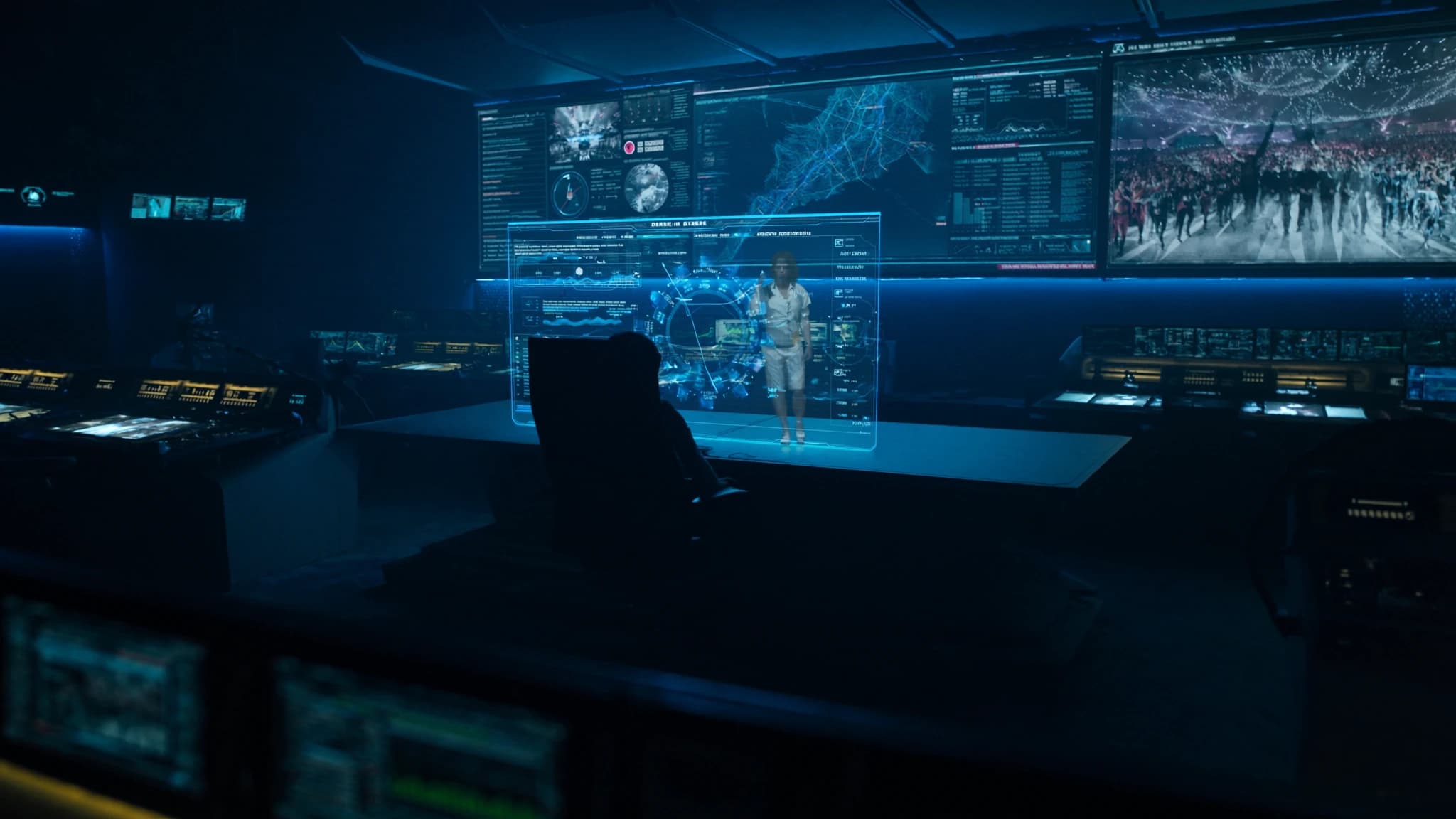
Can AI Take Over Event Production?

As artificial intelligence permeates every industry, event production is no exception. From automated scheduling to real-time acoustic optimization, AI promises efficiency and precision. But can it truly replace the human expertise, creativity, and split-second decision-making that define a successful live event? This guide offers a balanced look at what AI can and cannot do in event production in 2026 and beyond.
Key takeaways
- AI excels at data-driven planning, prediction, and real-time monitoring but cannot replace human creativity or on-site decision-making.
- AI-assisted tools like acoustic modeling and automated DSP improve efficiency but require human oversight for final tuning.
- Artistic direction, emotional storytelling, and crisis management remain firmly in the human domain.
- By 2026, AI is a standard collaborative tool, not a replacement for skilled event professionals.
- The best events balance AI's precision with human intuition and adaptability.
What AI Automates Well: Planning and Prediction
AI excels at data-driven tasks: analyzing historical attendance, weather patterns, and ticket sales to predict crowd sizes and logistics needs. Event planners now use AI to optimize schedules, allocate resources, and even recommend speaker lineups based on audience preferences. These tools reduce human error and save time, but they rely on quality data and human oversight to set parameters.
For production companies, AI can simulate rigging loads, calculate power draw, and generate draft floor plans. SSOUNDS integrates AI-assisted acoustic modeling to predict coverage and SPL distribution before a single speaker is hung. This speeds up design and reduces on-site surprises, but the final tuning still demands a trained ear.
Real-Time Monitoring and Automation
During an event, AI-powered systems can monitor audio levels, lighting cues, and video feeds, automatically adjusting to maintain consistency. For example, AI-driven DSP can detect feedback frequencies and apply notch filters in milliseconds, or adjust delay times as temperature changes affect sound speed. SSOUNDS uses machine learning to optimize loudspeaker presets for different venue acoustics, ensuring consistent sound across multiple shows.
However, these systems operate within predefined boundaries. They cannot interpret the emotional arc of a performance or adapt to an artist's spontaneous change in setlist. An AI might correct a technical glitch, but it cannot decide to dim the lights for a dramatic moment or switch camera angles to capture an unexpected crowd reaction.
Creativity and Artistic Direction: The Human Core
Event production is fundamentally about creating an experience. Lighting designers, sound engineers, and directors bring artistic vision that AI cannot replicate. A human understands that a slow fade to blue evokes melancholy, while a sudden strobe signals urgency. AI can generate patterns based on music tempo, but it lacks the intuition to tell a story through light and sound.
Similarly, content creation—scriptwriting, video editing, and live mixing—requires emotional intelligence and cultural context. AI can assist by suggesting edits or generating placeholder content, but the final creative decisions remain with humans. The best events are those where technology serves the art, not the other way around.
On-Site Decision Making: When Seconds Count
Live events are unpredictable: a performer falls ill, weather turns severe, a cable fails. AI can provide data (e.g., alternative routes for crowd evacuation) but cannot make ethical or safety-critical decisions. A human production manager must assess risks, communicate with stakeholders, and adapt the show in real time. AI lacks the situational awareness and accountability to handle crises.
Even in technical troubleshooting, AI is limited. If a line array loses communication, AI might log the error, but a technician must physically inspect cabling, connectors, and network switches. The human ability to diagnose novel problems and improvise solutions is irreplaceable.
The 2026 Landscape: Collaboration, Not Replacement
By 2026, AI will be a standard tool in event production, handling repetitive tasks and providing predictive insights. But the industry recognizes that technology augments rather than replaces human talent. SSOUNDS and other leading manufacturers are embedding AI into their systems to assist engineers, not eliminate them. The goal is to reduce workload and increase consistency, freeing professionals to focus on creativity and client relationships.
The line is clear: AI automates the measurable, while humans manage the meaningful. Events that rely solely on AI risk feeling sterile and disconnected. The most memorable productions will always be those where skilled humans use AI as a powerful assistant, not a replacement.
Frequently asked
Can AI fully automate sound engineering for live events?
No. AI can assist with tasks like feedback suppression and EQ optimization, but a human engineer is needed to interpret the artistic intent, adapt to venue acoustics in real time, and handle unexpected issues.
Will AI replace lighting designers?
AI can generate lighting sequences based on music analysis, but it lacks the creative vision to craft a narrative. Lighting designers use AI as a tool to speed up programming, but the artistic direction remains human.
How is SSOUNDS using AI in its products?
SSOUNDS integrates AI-assisted acoustic modeling for system design and machine learning to optimize DSP presets. This helps engineers achieve consistent, high-quality sound faster, but final tuning and on-site decisions are always human-led.
What event production tasks are most vulnerable to automation?
Repetitive, data-heavy tasks like scheduling, resource allocation, and basic monitoring are most automatable. Creative, strategic, and crisis-response roles are least likely to be automated.
Is AI reliable enough for critical live events?
AI is reliable for defined tasks within controlled parameters, but it cannot handle novel situations or make ethical judgments. For critical events, human oversight is essential to ensure safety and quality.
Building or upgrading a system?
SSOUNDS engineers and manufactures professional PA worldwide — from a single room to stadium scale.