AI-gestuurde monitormixing voor artiesten
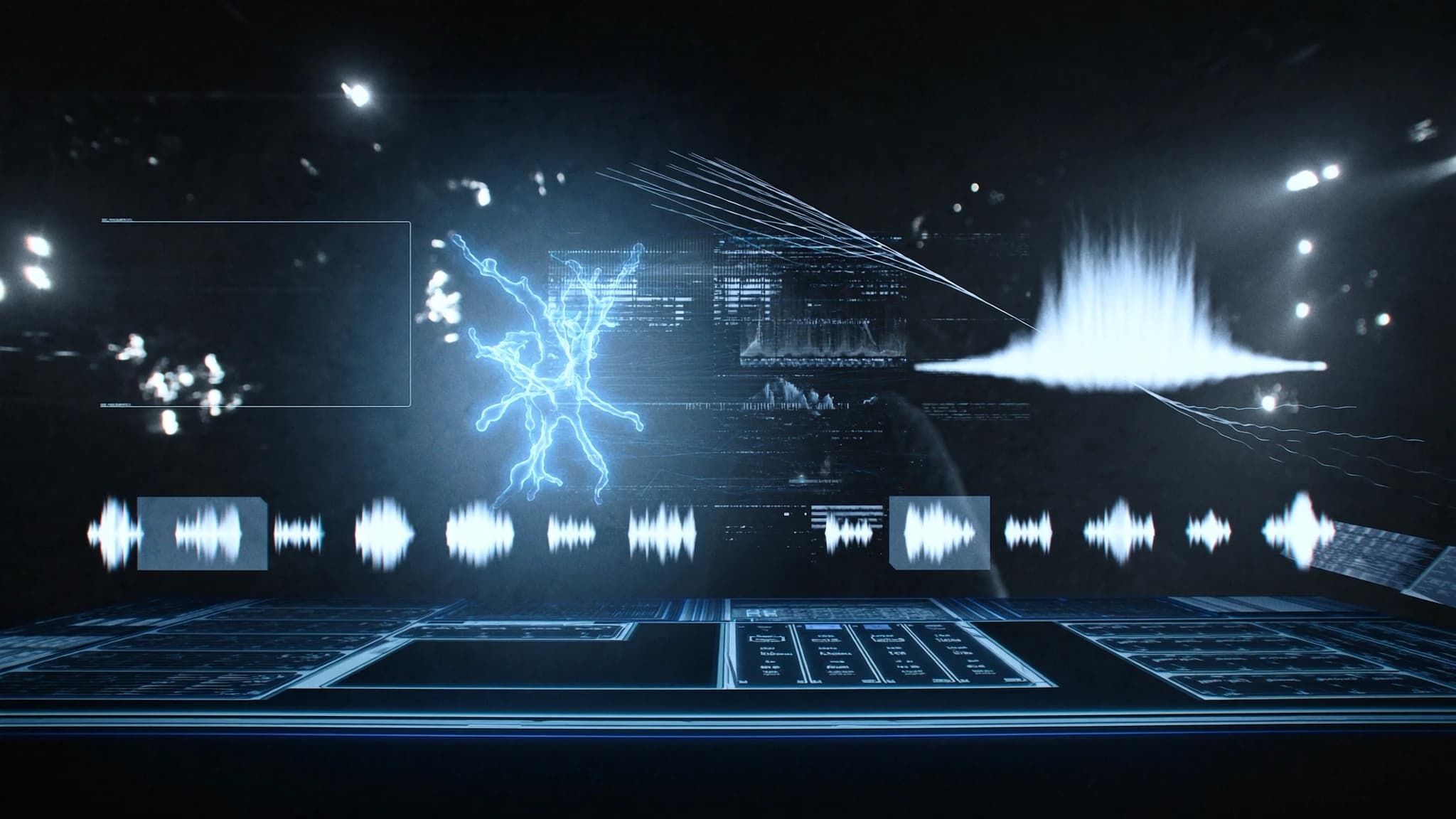
Monitormixing is een van de veeleisendste rollen in live sound, met split-second beslissingen om helderheid, feedbackonderdrukking en artiestvoorkeur in balans te brengen. SSOUNDS loopt voorop met AI-ondersteunde monitorworkflows die engineers intelligente feedbackcontrole op wedges geven, persoonlijke mixsuggesties genereren op basis van repetitiedata en de line-checktijden voor bands drastisch verkorten. Zo transformeert AI het vak van de monitortechnicus.
Belangrijkste punten
- AI-gestuurde feedbackcontrole op wedges voorspelt en voorkomt ringen voordat ze optreden, wat de gain-before-feedback verhoogt.
- Persoonlijke mixsuggesties op basis van repetitiedata besparen tijd en passen zich aan artiestvoorkeuren per nummer aan.
- AI-ondersteunde line-checks automatiseren signaalverificatie en verkorten de checktijden tot minder dan twee minuten voor volledige bands.
- SSOUNDS monitorsystemen draaien AI lokaal op DSP voor lage latency, met altijd de mogelijkheid tot overschrijving door de engineer.
- De AI leert gedurende tours en raakt afgestemd op individuele artiestgewoonten en ruimteakoestiek.
- Toekomstige ontwikkelingen omvatten op setlist gebaseerde mixvoorspelling en spatial audio voor monitors.
De uitdaging van traditionele monitormixing
Monitortechnici jongleren met tientallen variabelen: podiumvolume, wedgeplaatsing, beweging van de artiest en steeds veranderende ruimteakoestiek. Feedback is een constante dreiging, vooral bij wedge-systemen met hoge SPL. Handmatig EQ-notchen is reactief en tijdrovend, en vraagt vaak om een soundcheck die in de repetitietijd snijdt.
Artiesten hebben ook subjectieve voorkeuren die tijdens de show kunnen verschuiven. Een gitarist wil tijdens het ene nummer meer laag in zijn wedge, en in het volgende minder. Traditionele workflows vertrouwen op het geheugen van de engineer en snelle faderbewegingen, wat inconsistent kan zijn.
Hoe AI feedbackcontrole op wedges verbetert
SSOUNDS integreert machine-learning-algoritmen in zijn DSP-platform die continu de transferfunctie van het monitorsysteem analyseren. Door de output van de wedge te vergelijken met het omgevingsgeluid op het podium, kan de AI feedbackfrequenties voorspellen voordat ze doorklinken. Het past chirurgische, fasecoherente notches in realtime toe, met behoud van de toonbalans van de mix.
Deze voorspellende aanpak is een sprong vooruit ten opzichte van traditionele feedbackonderdrukkers, die reageren nadat een ring is begonnen. De AI leert het modale gedrag van de ruimte tijdens de eerste paar minuten van een show en past zich aan wanneer de zaal volloopt met publiek of wanneer de luchtvochtigheid verandert. Het resultaat is hogere gain-before-feedback zonder in te leveren op helderheid.
Persoonlijke mixsuggesties op basis van repetitiedata
Tijdens repetities kunnen SSOUNDS monitorsystemen de mixaanpassingen, faderbewegingen, EQ-wijzigingen en effect-sends van elke artiest vastleggen, samen met tijdgestempelde songmetadata. De AI herkent patronen: bijvoorbeeld dat de leadzangeres consequent reverb op ballads opvoert of dat de drummer om meer click vraagt bij snelle tempo's.
Tijdens de show stelt de AI startmixen voor op basis van die data, zodat de engineer niet vanaf nul hoeft op te bouwen. Artiesten kunnen ook een tablet-app gebruiken om hun eigen mix bij te stellen, waarbij de AI hun voorkeuren over meerdere shows leert. Zo ontstaat een gepersonaliseerde monitormap die zich aanpast aan wijzigingen in de setlist.
Snellere line-checks met AI-ondersteunde detectie
Line-checks zijn vaak de bottleneck bij load-in. De AI van SSOUNDS kan delen van het proces automatiseren: wanneer een artiest in een microfoon spreekt of speelt, identificeert het systeem het inputkanaal, controleert de polariteit en verifieert de integriteit van het signaalpad. Het kan zelfs veelvoorkomende problemen zoals phantom power-uitval of kabelkortsluitingen detecteren door impedantiecurves te analyseren.
Voor bands betekent dit dat een volledige line-check van 16 kanalen in minder dan twee minuten kan worden afgerond. De engineer bekijkt een dashboard met groene/rode indicatoren en grijpt alleen in bij gemarkeerde problemen. Dit maakt tijd vrij voor creatieve mixing en artiestcomfort.
Implementatie in de praktijk: het SSOUNDS monitor-ecosysteem
SSOUNDS wedges en IEM-systemen zijn gebouwd met onboard DSP die de AI-engine lokaal draait, wat latency minimaliseert. De AI communiceert met de mengconsole via een lichtgewicht protocol en stuurt metadata (bijvoorbeeld voorspelde feedbackfrequenties, mixsuggesties) zonder de verwerkingsbelasting van de console te verhogen.
Engineers kunnen AI-beslissingen op elk moment overschrijven. Het systeem is ontworpen als copiloot, niet als autopilot. Als een artiest bijvoorbeeld een onconventionele EQ-curve wil, leert de AI die voorkeur en stopt met het voorstellen van correcties. Gedurende een tour raakt de AI afgestemd op de eigenaardigheden van elke artiest.
De toekomst van AI in monitor engineering
Naarmate AI-modellen geavanceerder worden, voorziet SSOUNDS systemen die de monitorbehoeften alleen al uit een setlist kunnen voorspellen, met genrespecifieke trainingsdata. Stel je een systeem voor dat weet dat een metalband meer kickdrum in de wedges nodig heeft dan een jazztrio, en dat dienovereenkomstig voorinstelt.
Een andere grens is spatial audio voor monitors: AI zou elementen in de wedgemix van een artiest automatisch kunnen pannen om overeen te komen met hun podiumpositie, voor een meeslepender en minder vermoeiende ervaring. SSOUNDS onderzoekt deze mogelijkheden actief, altijd met het doel engineers te versterken, niet te vervangen.
Veelgestelde vragen
Vervangt AI de monitortechnicus?
Nee. AI fungeert als copiloot en neemt repetitieve taken over, zoals feedbackonderdrukking en line-check-diagnostiek, zodat de engineer zich kan richten op creatieve mixing en interactie met de artiest. De engineer behoudt volledige controle.
Hoe gaat SSOUNDS AI anders om met feedback dan standaardonderdrukkers?
Standaardonderdrukkers reageren nadat feedback is opgetreden. SSOUNDS AI voorspelt feedback door de transferfunctie van het systeem en de ruimtemodi te analyseren, en past preventieve notches toe die de geluidskwaliteit behouden.
Kan de AI de voorkeuren van meerdere artiesten op hetzelfde systeem leren?
Ja. De AI profileert de mixaanpassingen en songcontext van elke artiest en slaat voorkeuren op die per artiest of per nummer kunnen worden opgeroepen. Het ondersteunt meerdere profielen voor tournees.
Is de AI compatibel met elke mengconsole?
SSOUNDS AI integreert met consoles via standaardprotocollen zoals OSC of MIDI, en werkt het beste met SSOUNDS DSP-uitgeruste wedges en IEM's. Raadpleeg SSOUNDS support voor specifieke consolecompatibiliteit.
Wat als de AI een verkeerde suggestie doet?
Engineers kunnen elke AI-beslissing direct overschrijven. De AI leert van overschrijvingen en past zijn model aan om dezelfde fout niet te herhalen.
Een systeem bouwen of upgraden?
SSOUNDS ontwerpt en produceert professionele PA wereldwijd, van een enkele ruimte tot stadionformaat.