AI-muziekproductie en live-optredens
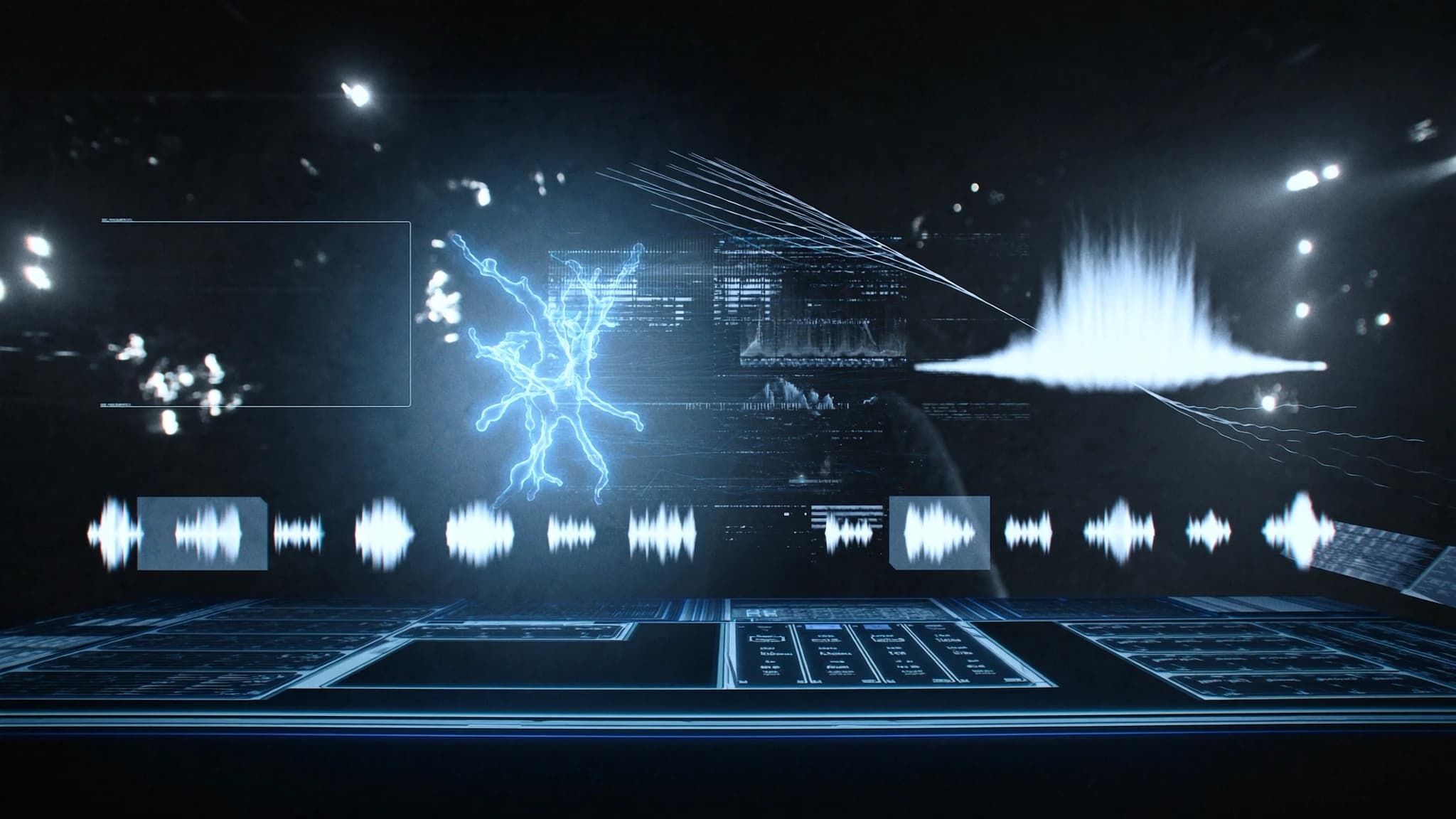
Kunstmatige intelligentie hervormt muziekcreatie en live-optredens, van generatieve compositie tot realtime geluidsmanipulatie. Als professionele luidsprekerfabrikant onderzoekt SSOUNDS hoe AI-tools artiesten versterken en tegelijkertijd debat uitlokken over creativiteit en controle.
Belangrijkste punten
- AI-tools kunnen muziek genereren, arrangementen ondersteunen en realtime effecten mogelijk maken bij live-optredens.
- AI-gestuurde DSP optimaliseert de prestaties van luidsprekers, vermindert handmatige afstemming en verbetert consistentie.
- Het debat artiest versus tool draait om intentie: AI als collaborator versus hulpmiddel.
- Hybride workflows, waarbij AI repetitieve taken uitvoert en mensen de richting bepalen, leveren de beste resultaten op.
- AI in live sound kan mixing automatiseren, feedback detecteren en dekking optimaliseren.
- Toekomstige AI-systemen zullen de voorkeuren van engineers leren en adaptieve creatieve partners worden.
AI in muziekcreatie: van generatie tot arrangement
AI-muziekgeneratietools zoals OpenAI's Jukebox, Google's Magenta en Amper Music kunnen melodieën, harmonieën en zelfs volledige arrangementen produceren op basis van gebruikersprompts of stijlreferenties. Deze systemen gebruiken machine learning-modellen die zijn getraind op enorme datasets van bestaande muziek om nieuwe composities te genereren. Voor producers betekent dit snelle ideevorming, het genereren van akkoordprogressies, drumritmes of baslijnen in seconden, en het overwinnen van creatieve blokkades.
Naast generatie ondersteunt AI bij arrangement: tools kunnen de structuur van een track analyseren en overgangen, opbouw of drops voorstellen. Sommige platforms bieden stemseparatie, waarmee producers vocals, drums of instrumenten kunnen isoleren voor remixen of live-manipulatie. SSOUNDS-engineers merken op dat het vermogen van AI om patronen van luisteraarsbetrokkenheid te voorspellen ook dynamische mixbeslissingen kan sturen, hoewel menselijke smaak onvervangbaar blijft.
Realtime AI in live-optredens
Op het podium maakt AI realtime audiomanipulatie mogelijk: toonhoogtecorrectie, harmonisatie en zelfs improvisatorische begeleiding. Systemen zoals Antares Auto-Tune of iZotope's VocalSynth kunnen vocals live verwerken, terwijl AI-gestuurde plugins zoals Output's Portal granulaire effecten toepassen die worden getriggerd door performanceparameters. Sommige artiesten gebruiken AI om visuals te genereren die synchroon lopen met audio, wat immersieve ervaringen creëert.
Voor geluidsversterking kan AI-gestuurde DSP de prestaties van luidsprekers in realtime optimaliseren, waarbij EQ, delay en limiting worden aangepast op basis van de akoestiek van de ruimte of publieksgeluid. SSOUNDS integreert machine learning in zijn versterkerpresets om thermische en vermogenscompressie te voorspellen en te corrigeren, wat zorgt voor consistente geluidskwaliteit gedurende een show. Deze technologie vermindert de noodzaak van handmatige afstemming, waardoor engineers zich kunnen richten op creatieve mixing.
Het debat artiest versus tool: creativiteit of hulpmiddel?
Critici stellen dat AI-tools het risico lopen muziek te homogeniseren, omdat modellen die zijn getraind op bestaande hits formulematige resultaten kunnen produceren. Sommigen vrezen dat door AI gegenereerde muziek menselijk vakmanschap devalueert, vooral wanneer het wordt gebruikt om sessiemuzikanten of songwriters te vervangen. Voorstanders zien AI daarentegen als een collaborator, een tool die creatieve mogelijkheden uitbreidt, net zoals synthesizers of samplers in eerdere tijdperken deden.
Het debat draait vaak om intentie: AI gebruiken om ideeën te laten ontstaan versus erop vertrouwen om een werk te voltooien. Veel artiesten gebruiken AI voor experimenten en verfijnen de output vervolgens met menselijke intuïtie. SSOUNDS gelooft dat de beste aanpak hybride is: laat AI repetitieve of technische taken uitvoeren (bijvoorbeeld het genereren van variaties, het afstemmen van systemen), terwijl mensen de artistieke richting behouden. De luidsprekerindustrie zelf gebruikt al lang simulatiesoftware om dekking te modelleren. AI is simpelweg een slimmere versie daarvan.
Praktische toepassingen voor live sound engineers
Voor FOH-engineers kunnen AI-tools mixtaken automatiseren: het automatisch mixen van meerdere microfoons, het detecteren van feedbackfrequenties of het voorstellen van EQ-aanpassingen. Sommige digitale mengtafels bevatten nu AI-assistenten die in de loop van de tijd de voorkeuren van de engineer leren. Bij monitoring kan AI feedback voorspellen en voorkomen door de posities van podiummicrofoons en luidsprekerplaatsing te analyseren.
SSOUNDS raadt engineers aan AI te omarmen als tijdswinst, niet als vervanging van oren. AI kan bijvoorbeeld een basismix genereren op basis van een soundcheck-opname, die de engineer vervolgens bijstelt. In grote zalen zorgt AI-gestuurde line array-optimalisatie, zoals SSOUNDS' eigen voorspellende modellering, voor gelijkmatige dekking zonder handmatige metingen. De sleutel is het begrijpen van de beperkingen van de tool: AI mist context voor artistieke intentie of de stemming van het publiek.
De toekomst: AI als creatieve partner
Naarmate AI-modellen verbeteren, zullen we meer naadloze integratie zien: realtime stijloverdracht (bijvoorbeeld een gitaar laten klinken als een synth), adaptieve backingtracks die reageren op de frasering van een solist, en intelligente luidsprekersystemen die zichzelf afstemmen op elke ruimte. De grens tussen tool en collaborator zal vervagen. Het menselijke element, emotie, spontaniteit, imperfectie, blijft echter centraal staan bij live-optredens.
SSOUNDS ontwikkelt AI-gestuurde systeemafstemming die leert van aanpassingen van engineers tijdens meerdere shows, waardoor gepersonaliseerde presets ontstaan. Dit vervangt de engineer niet, maar versterkt hun expertise. Uiteindelijk is AI een krachtig instrument; hoe het wordt bespeeld, bepaalt de muziek.
Veelgestelde vragen
Kan AI menselijke muzikanten vervangen bij live-optredens?
Niet helemaal. AI kan partijen of effecten genereren, maar live-optredens zijn afhankelijk van menselijke expressie, spontaniteit en verbinding met het publiek. AI kan het beste worden gebruikt als hulpmiddel om menselijke creativiteit te versterken, niet te vervangen.
Hoe verbetert AI de prestaties van luidsprekers?
AI kan thermische en vermogenscompressie voorspellen, EQ en delay in realtime aanpassen en de dekking optimaliseren op basis van de akoestiek van de ruimte. Dit zorgt voor consistente geluidskwaliteit zonder constante handmatige interventie.
Is door AI gegenereerde muziek auteursrechtelijk beschermd?
De wetgeving verschilt. In veel rechtsgebieden komen werken die uitsluitend door AI zijn gemaakt mogelijk niet in aanmerking voor auteursrecht. Als een mens echter een significante creatieve bijdrage levert, kan het resulterende werk beschermd zijn. Raadpleeg altijd een juridisch expert.
Welke AI-tools worden veel gebruikt in live sound?
Voorbeelden zijn auto-mixing plugins, algoritmen voor feedbackonderdrukking en DSP met machine learning. Sommige digitale mengtafels bieden AI-assistenten voor EQ en dynamiek. SSOUNDS integreert AI in zijn versterkerpresets voor adaptieve afstemming.
Zal AI live sound engineers overbodig maken?
Nee. AI automatiseert technische taken, maar kan het artistieke oordeel van de engineer, het probleemoplossend vermogen of het vermogen om te reageren op unieke momenten in een optreden niet repliceren. Engineers die AI benutten, worden efficiënter en creatiever.
Een systeem bouwen of upgraden?
SSOUNDS ontwerpt en produceert professionele PA wereldwijd, van een enkele ruimte tot stadionformaat.