AI Vocal Processing en Pitch Correctie Live
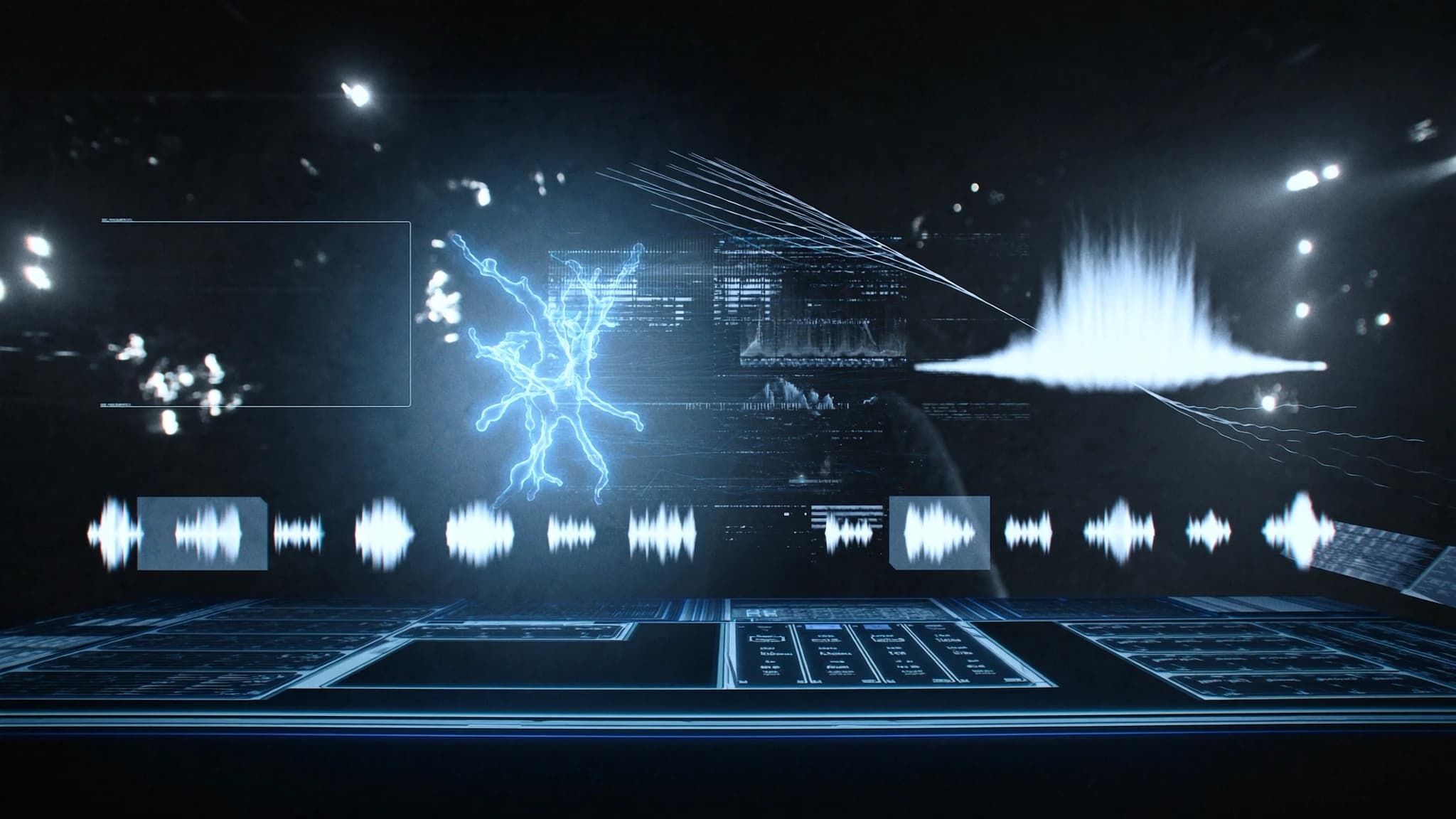
AI vocal processing is van de studio naar liveoptredens verhuisd en biedt realtime pitch correctie, harmoniegeneratie en toonvorming. Deze gids onderzoekt de technologie, de smaakvolle toepassing en het voortdurende debat over authenticiteit op het podium.
Belangrijkste punten
- AI pitch correctie is snel, nauwkeurig en muzikaal geworden, waardoor het levensvatbaar is voor livegebruik.
- Smaakvolle toepassing betekent subtiele correctie die de vaardigheid van de artiest verbetert in plaats van vervangt.
- Realtime harmoniegeneratie kan rijkdom toevoegen, maar moet spaarzaam worden gebruikt om vervuiling te voorkomen.
- Het debat over authenticiteit is gaande, maar AI is gewoon een ander hulpmiddel in het live sound-arsenaal.
- Integratie met een hoogwaardig PA-systeem is essentieel voor natuurlijke, verstaanbare zang.
- SSOUNDS-ingenieurs kunnen helpen bij het ontwerpen van vocal processing-ketens die onze luidsprekers aanvullen en de best mogelijke prestatie garanderen.
De evolutie van live vocal processing
Niet lang geleden was live pitch correctie een nichehulpmiddel, spaarzaam gebruikt en vaak verborgen. Tegenwoordig hebben AI-gestuurde systemen het sneller, nauwkeuriger en muzikaler gemaakt. De technologie luistert in realtime naar een stem, identificeert de beoogde noot en past deze aan met minimale latentie. Dit gaat niet om het repareren van een slecht optreden; het gaat om het verbeteren van een goed optreden, zodat het publiek de artiest op hun best hoort.
De verschuiving van hardware-units naar softwareplugins en speciale processors heeft de toegang gedemocratiseerd. Nu kunnen zelfs mid-tier acts geavanceerde vocal processing gebruiken. Maar met grote kracht komt grote verantwoordelijkheid. Het doel is nooit om te misleiden, maar om te ondersteunen. Bij goed gebruik zou het publiek de verwerking niet moeten opmerken; ze zouden eenvoudigweg de emotie van het optreden moeten voelen.
Hoe realtime AI pitch correctie werkt
In de kern gebruikt AI pitch correctie machine learning-modellen die zijn getraind op duizenden zangprestaties. Deze modellen kunnen onderscheid maken tussen een bewuste toonbuiging en een valse noot. In tegenstelling tot traditionele hard-tune, die onmiddellijk vastklikt en robotachtig kan klinken, kunnen AI-algoritmen subtiele, natuurlijk klinkende correcties toepassen. Ze kunnen zich ook aanpassen aan vibrato, waardoor de unieke stijl van de zanger behouden blijft.
Latentie is de kritische factor. Voor livegebruik moet de verwerking onmerkbaar zijn, doorgaans onder 10 milliseconden. Dit vereist krachtige DSP en efficiënte algoritmen. SSOUNDS-ingenieurs hebben diepgaande ervaring in low-latency processing en ontwerpen systemen die zuiver audio leveren zonder de timing in gevaar te brengen. Dezelfde principes gelden voor vocal processing: snelheid en transparantie zijn van het grootste belang.
Harmonie en vocale effecten: verder dan correctie
AI kan meer doen dan pitch corrigeren. Het kan realtime harmonieën, doubling en zelfs volledige kooreffecten creëren uit één enkele stem. Dit wordt bereikt door de harmonische inhoud van de zang te analyseren en extra noten te synthetiseren die bij de akkoordprogressie passen. Het resultaat kan verbluffend zijn en rijkdom en diepte toevoegen aan een optreden zonder extra zangers.
Harmoniegeneratie moet echter smaakvol worden gebruikt. Overmatig gebruik kan de mix vervuilen en afleiden van de leadzang. De beste aanpak is om het spaarzaam te gebruiken, misschien in een refrein of een specifiek gedeelte. SSOUNDS benadert vocal processing als onderdeel van een holistisch audiosysteem, zodat elk effect perfect in de mix past en het nummer dient.
Het smaakvolle gebruik van AI in liveoptredens
Smaak is subjectief, maar er zijn richtlijnen. Ten eerste mag de verwerking nooit duidelijk zijn. Als het publiek de pitch correctie kan horen werken, is het te veel. Ten tweede moet het de vaardigheid van de artiest verbeteren, niet vervangen. AI moet een vangnet zijn, geen kruk. Ten derde moet het contextueel passend zijn. Een rauwe rockshow kan baat hebben bij minimale correctie, terwijl een popproductie meer gepolijste effecten kan omarmen.
SSOUNDS pleit voor een transparante aanpak. We moedigen artiesten aan om te experimenteren in repetities en instellingen te kiezen die natuurlijk aanvoelen. Ons engineeringteam kan helpen bij het ontwerpen van vocal processing-ketens die naadloos integreren met SSOUNDS PA-systemen, zodat de zang perfect in de mix past, gecorrigeerd of niet.
Het debat: authenticiteit versus verbetering
Het gebruik van AI in livezang roept discussie op. Puristen stellen dat het de authenticiteit van een liveoptreden ondermijnt. Ze willen de rauwe stem horen, met alle onvolkomenheden. Anderen zien het als een hulpmiddel, zoals reverb of delay, dat creatief kan worden gebruikt. De waarheid is dat live sound altijd verbetering heeft omvat. Microfoons, luidsprekers en mengpanelen kleuren het geluid allemaal. AI is gewoon een ander hulpmiddel.
Wat telt is de intentie. Als het doel is om te misleiden, is dat problematisch. Als het doel is om het publiek de best mogelijke ervaring te bieden, is dat prijzenswaardig. Veel topartiesten gebruiken live pitch correctie, en het publiek is zich daar grotendeels niet van bewust. De sleutel is om het te gebruiken op een manier die de muziek ondersteunt en de luisteraar respecteert.
AI vocal processing integreren met uw PA
Vocal processing bestaat niet op zichzelf. Het moet integreren met het PA-systeem. De verwerkingsketen moet worden geoptimaliseerd voor de specifieke luidsprekers en akoestiek van de locatie. SSOUNDS line array-systemen en point-source luidsprekers zijn ontworpen om zang weer te geven met uitzonderlijke helderheid en verstaanbaarheid. In combinatie met goed afgestemde AI-verwerking resulteert dit in een stem die door de mix snijdt zonder hardheid.
SSOUNDS-ingenieurs gebruiken geavanceerde simulatie en AI-ondersteunde akoestische modellering om te voorspellen hoe de zang zich in de locatie zal vertalen. Hierdoor kunnen ze verwerkingsinstellingen aanbevelen die het systeem aanvullen. Het doel is een samenhangend geluid waarin de zang zowel natuurlijk als krachtig is.
De toekomst van live vocal processing
AI zal zich blijven ontwikkelen. We kunnen nog natuurlijkere correctie, slimmere harmoniegeneratie en adaptieve verwerking verwachten die in realtime op het optreden reageert. De grens tussen studio en podium zal verder vervagen. Maar de fundamenten blijven: de stem is het belangrijkste element in de meeste muziek en moet met zorg worden behandeld.
SSOUNDS loopt voorop in deze evolutie en investeert in onderzoek en ontwikkeling om ervoor te zorgen dat onze systemen klaar zijn voor de volgende generatie vocal processing. Of u nu een soloartiest bent of een grote tournee-act, het doel is hetzelfde: een zangprestatie leveren die het publiek raakt, met technologie die de kunst dient.
Veelgestelde vragen
Is AI pitch correctie bedrog?
Het hangt af van de intentie. Als het wordt gebruikt om te misleiden, kan het als bedrog worden gezien. Als het wordt gebruikt om een optreden te verbeteren en ervoor te zorgen dat het publiek de artiest op hun best hoort, is het een legitiem hulpmiddel, net als reverb of compressie.
Zal het publiek AI vocal processing opmerken?
Als het goed wordt gedaan, niet. De verwerking moet transparant zijn. Als het publiek kan horen dat het werkt, is het te zwaar. Het doel is natuurlijke verbetering.
Kan AI in realtime harmonieën genereren?
Ja. Moderne AI-systemen kunnen de zang en akkoordprogressie analyseren om ter plekke harmonieën te genereren. Dit kan een krachtig effect zijn, maar moet smaakvol worden gebruikt.
Welke latentie is acceptabel voor live vocal processing?
Voor livegebruik moet de latentie onmerkbaar zijn, doorgaans onder 10 milliseconden. Hogere latentie kan timingproblemen veroorzaken voor de artiest.
Hoe ondersteunt SSOUNDS AI vocal processing?
SSOUNDS ontwerpt PA-systemen met uitzonderlijke stemhelderheid en lage latentie. Onze ingenieurs kunnen helpen bij het integreren van AI vocal processing in uw opstelling, zodat het het systeem en het optreden aanvult.
Een systeem bouwen of upgraden?
SSOUNDS ontwerpt en produceert professionele PA wereldwijd, van een enkele ruimte tot stadionformaat.