grandMA3-consoles en de NPU uitgelegd
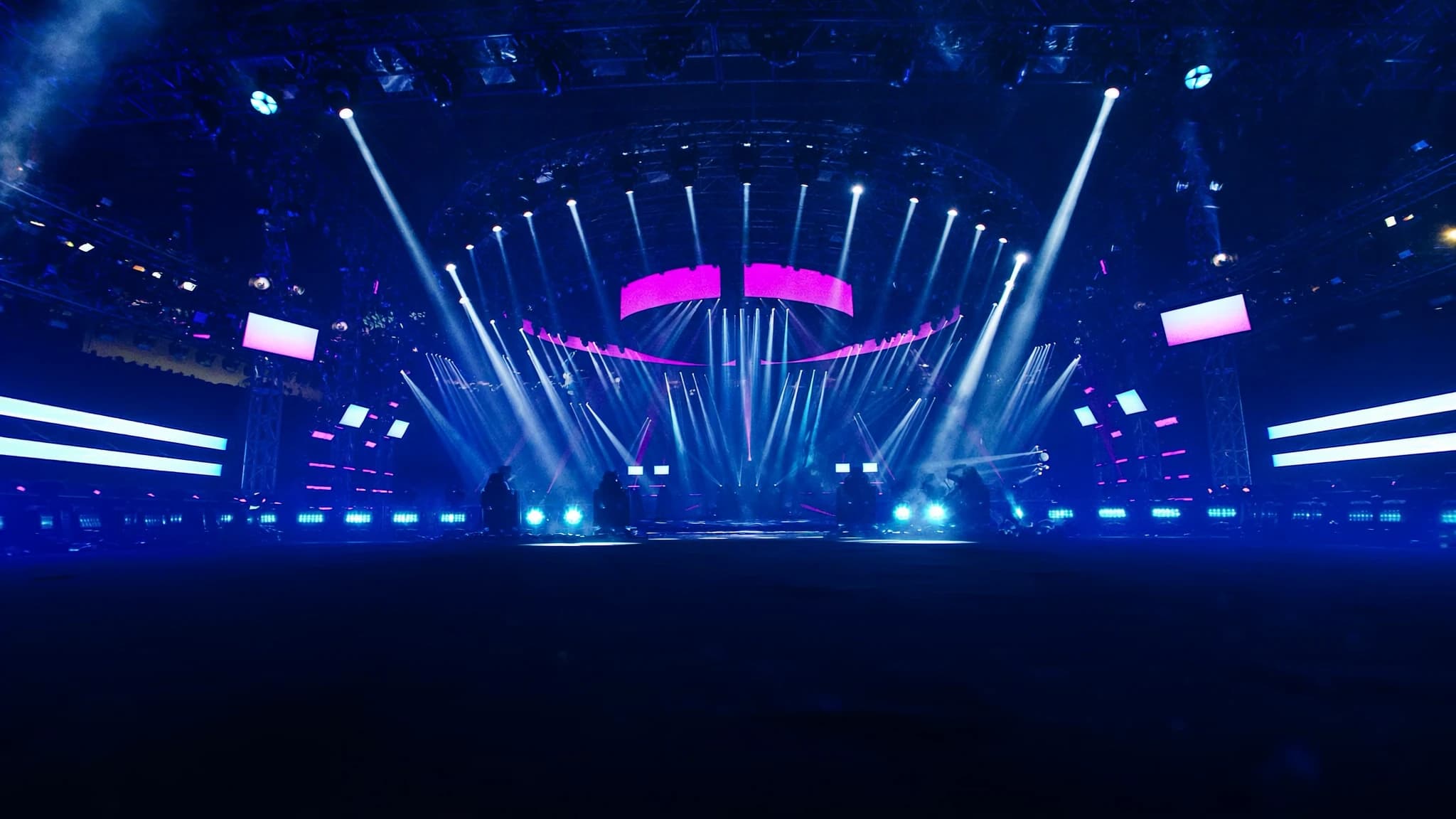
In het grandMA3-ecosysteem is de Network Processing Unit (NPU) een toegewijde processing-engine die het aantal parameters uitbreidt en redundantie toevoegt. Deze gids legt uit wat de NPU doet, hoe hij in een grandMA3-sessie past en wanneer je er echt een nodig hebt.
Belangrijkste punten
- De NPU is een network processing unit die parametercapaciteit en uitvoerprocessing toevoegt aan een grandMA3-sessie.
- Je hebt een NPU nodig wanneer je parameteraantal de limiet van je console overschrijdt of wanneer je extra DMX-uitgangen nodig hebt.
- NPU's kunnen redundantie bieden door als hot backups te fungeren voor consoles of andere NPU's in de sessie.
- De NPU ondersteunt DMX512-, Art-Net- en sACN-uitvoer, waardoor hij flexibel is voor verschillende opstellingsarchitecturen.
- Degelijk netwerkontwerp en sessiebeheer zijn cruciaal voor betrouwbare NPU-werking.
Het grandMA3-ecosysteem: consoles, onPC en processing
Het grandMA3-platform van MA Lighting is een modulair systeem voor lichtsturing. De kern bestaat uit drie elementen: de console (een fysiek bedieningsoppervlak met ingebouwde processing), onPC (software die een computer omvormt tot een bedieningsoppervlak) en processing-units zoals de NPU (Network Processing Unit). Elk element kan zelfstandig werken of deel uitmaken van een grotere genetwerkte sessie.
De console levert de gebruikersinterface, faders, knoppen en encoders die een programmeur of operator gebruikt. onPC biedt dezelfde softwareomgeving op een computer, vaak gecombineerd met een wing of fader-uitbreiding. De NPU daarentegen heeft geen gebruikersinterface. Het is een rackgemonteerde processing-engine die parametercapaciteit toevoegt en kan fungeren als back-up voor andere processing-nodes in de sessie.
Het begrijpen van de taakverdeling is essentieel. De console of onPC verzorgt de menselijke interface en een deel van de processing, terwijl de NPU puur rekenwerk doet voor parameters, effecten en uitvoer. In grote shows kun je meerdere consoles, onPC-stations en NPU's hebben die allemaal samenwerken.
Wat de NPU daadwerkelijk doet
De NPU is een network processing unit. Zijn primaire taak is het totale aantal beschikbare parameters in een grandMA3-sessie te vergroten. Elk armature, elke mediaserver of elk effect verbruikt parameters. Een grandMA3-console heeft een ingebouwde parameterlimiet, en wanneer een show die limiet overschrijdt, heb je extra processingkracht nodig. De NPU levert die door zijn eigen parameterpool aan de sessie toe te voegen.
Naast parameteruitbreiding kan de NPU ook uitvoerprocessing verzorgen. Hij kan DMX512 rechtstreeks via zijn fysieke DMX-poorten verzenden en Art-Net of sACN (streaming ACN) via Ethernet uitvoeren. Dit maakt hem een flexibele node voor het aansturen van lichtopstellingen, vooral wanneer je processing en uitvoer over een netwerk wilt verdelen.
Een andere cruciale rol is redundantie. In een grandMA3-sessie kun je een NPU aanwijzen als back-up voor een andere NPU of voor een console. Als de primaire processing-node uitvalt, neemt de back-up naadloos over en blijft de show draaien. Daarom zijn NPU's gebruikelijk in producties met hoge inzet, zoals tours, broadcast en grote evenementen.
Wanneer heb je een NPU nodig?
Je hebt een NPU nodig wanneer je parameteraantal groter is dan wat je console of onPC alleen aankan. Een grandMA3 light-console heeft bijvoorbeeld een vaste parameterlimiet. Als je showbestand meer parameters vereist dan dat, breidt een NPU het totaal uit. De exacte limieten verschillen per consolemodel, dus raadpleeg de officiële documentatie van MA Lighting voor actuele cijfers.
Je hebt ook een NPU nodig wanneer je extra DMX-uitgangen nodig hebt bovenop wat je console biedt. Hoewel je netwerkprotocollen zoals Art-Net of sACN met externe nodes kunt gebruiken, biedt de NPU ingebouwde DMX-poorten en kan hij dienen als centraal uitvoerhub. Dit is nuttig in installaties waar je processing en uitvoer in één rackunit wilt houden.
Ten slotte heb je een NPU nodig wanneer redundantie niet onderhandelbaar is. Als het uitvallen van één console catastrofaal zou zijn, kan een NPU dienen als hot backup. In een sessie met meerdere NPU's kun je ze configureren om elkaar te volgen, zodat als er één uitvalt, de andere zonder onderbreking doorgaat. Dit niveau van fouttolerantie is standaard in professionele tour- en broadcastomgevingen.
Netwerken en sessiebeheer
grandMA3 gebruikt een sessiegebaseerd netwerkmodel. Alle apparaten (consoles, onPC-stations, NPU's en andere nodes) sluiten zich aan bij een sessie en delen gegevens. De sessie synchroniseert showbestanden, afspeelstatussen en programmeerwijzigingen in realtime. Hierdoor kunnen meerdere programmeurs tegelijkertijd aan dezelfde show werken en wordt naadloze failover mogelijk.
De NPU neemt deel aan de sessie zoals elke andere node. Hij kan sessiemaster, back-up of pure processing-node zijn. Wanneer je een NPU aan een sessie toevoegt, worden zijn parameters beschikbaar voor de hele sessie. Je kunt vervolgens armaturen aan die parameters patchen en uitvoer routeren via de DMX-poorten of netwerkprotocollen van de NPU.
Netwerkconfiguratie is eenvoudig maar vereist zorg. Je hebt een betrouwbare netwerkswitch, correcte IP-adressering en in sommige gevallen een speciale VLAN voor lichtsturing nodig. MA Lighting biedt tools zoals grandMA3 onPC en de MA Network Switch om de installatie te vereenvoudigen. Raadpleeg voor grote systemen de netwerkgidsen van MA Lighting om optimale prestaties te garanderen.
DMX-, Art-Net- en sACN-uitvoer
De NPU kan DMX512 uitvoeren via zijn fysieke poorten. Elke poort levert 512 kanalen en je kunt meerdere poorten gebruiken om meerdere universes aan te sturen. Dit is ideaal voor directe verbinding met DMX-daisychains of splitters zonder extra netwerknodes.
Voor grotere systemen ondersteunt de NPU Art-Net en sACN via Ethernet. Deze protocollen stellen je in staat om vele universes via één netwerkkabel naar compatibele nodes te sturen, die ze vervolgens naar DMX converteren. Dit vermindert bekabeling en verhoogt de flexibiliteit, vooral wanneer armaturen over een locatie verspreid zijn.
Bij gebruik van Art-Net of sACN configureer je universes in de grandMA3-software en map je ze naar de netwerkuitgangen van de NPU. De NPU broadcast of unicast de data vervolgens naar de juiste nodes. Deze aanpak is gebruikelijk in complexe opstellingen waar gecentraliseerde processing en gedistribueerde uitvoer zinvol zijn.
Redundantie en failover
Redundantie in grandMA3 wordt bereikt via sessietracking. Je kunt meerdere NPU's in een sessie hebben, met één aangewezen als primair en een andere als back-up. De back-up ontvangt continu showdata en is klaar om over te nemen als de primaire uitvalt. De omschakeling is automatisch en snel genoeg om in de meeste gevallen onopgemerkt te blijven.
Je kunt een NPU ook als back-up voor een console gebruiken. Als de console uitvalt, kan de NPU doorgaan met processing en uitvoer, hoewel je het fysieke bedieningsoppervlak kwijt bent tot een vervanger is aangesloten. In kritieke situaties biedt een reserveconsole of onPC-station in de sessie een volledige back-up.
Voor maximale betrouwbaarheid adviseert MA Lighting ook een redundant netwerk. Dit betekent twee afzonderlijke netwerkpaden (bijvoorbeeld twee switches) gebruiken, zodat één kabel- of switchstoring de sessie niet platlegt. De NPU ondersteunt dit met dubbele netwerkinterfaces op sommige modellen, maar verifieer altijd de specificaties van je specifieke unit.
Praktische overwegingen en SSOUNDS-perspectief
Bij het specificeren van een grandMA3-systeem moet je rekening houden met het totale parameteraantal, de uitvoervereisten en de redundantiebehoeften. Begin met je armaturenlijst en bereken de parameters per armatuur. Voeg effecten en andere verbruikers toe. Als het totaal de limiet van je console overschrijdt, voeg je een NPU toe. Als je meer DMX-uitgangen nodig hebt, kan een NPU die leveren. Als je failover nodig hebt, plan dan ten minste twee NPU's of een NPU plus een console.
Bij SSOUNDS benaderen we lichtsturing met dezelfde technische nauwkeurigheid die we op audio toepassen. Net zoals we PA-systemen ontwerpen voor dekking, SPL en verstaanbaarheid, helpen we klanten bij het ontwerpen van besturingssystemen voor betrouwbaarheid en schaalbaarheid. Het grandMA3-ecosysteem, met de NPU als processing-werkpaard, is een bewezen keuze voor veeleisende producties.
Onthoud dat geen enkel stuk apparatuur succes garandeert. Degelijke planning, configuratie en testen zijn essentieel. Of je nu een systeem bouwt voor een tour, een broadcaststudio of een permanente installatie, het begrijpen van de rol van de NPU helpt je weloverwogen beslissingen te nemen.
Veelgestelde vragen
Wat is het verschil tussen een grandMA3-console en een NPU?
Een console omvat een fysiek bedieningsoppervlak en ingebouwde processing. Een NPU is een rackgemonteerde processing-unit zonder bedieningsoppervlak. Hij voegt parameters en uitvoercapaciteit toe aan een sessie en kan als back-up fungeren.
Kan ik een NPU zonder console gebruiken?
Ja, je kunt een sessie draaien met onPC en een NPU. De onPC levert de gebruikersinterface en de NPU levert extra processing en uitvoer. Dit is gebruikelijk in installaties waar geen fysieke console nodig is.
Hoeveel parameters voegt een NPU toe?
Het aantal parameters hangt af van het specifieke NPU-model en de grandMA3-softwareversie. Raadpleeg de officiële specificaties van MA Lighting voor exacte cijfers. De parameters van de NPU worden toegevoegd aan de totale pool van de sessie.
Ondersteunt de NPU Art-Net en sACN?
Ja, de NPU kan Art-Net en sACN via Ethernet uitvoeren, naast DMX512 via zijn fysieke poorten. Dit maakt flexibele uitvoerrouting in genetwerkte systemen mogelijk.
Kan een NPU voor redundantie worden gebruikt?
Ja, een NPU kan worden geconfigureerd als back-up voor een andere NPU of een console. In een sessie volgt hij de primaire en neemt automatisch over als de primaire uitvalt.
Een systeem bouwen of upgraden?
SSOUNDS ontwerpt en produceert professionele PA wereldwijd, van een enkele ruimte tot stadionformaat.