Luidsprekerdekking versus wattage: wat echt van belang is
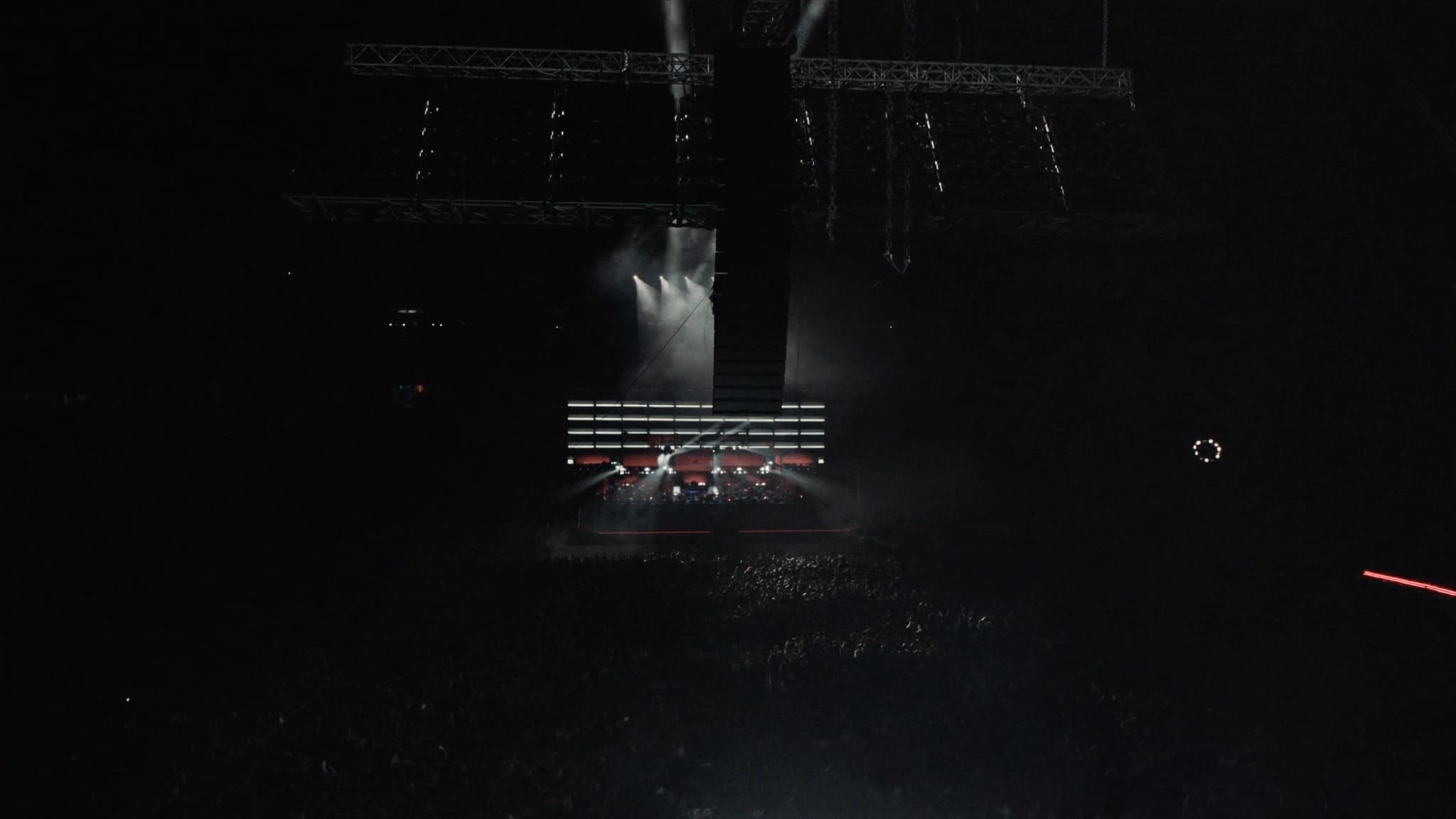
Bij het selecteren van luidsprekers voor een live geluidssysteem fixeren veel kopers zich op wattage, vaak in de veronderstelling dat hogere vermogensspecificaties automatisch harder geluid en betere dekking betekenen. Maar in professionele audio is wattage slechts één stukje van de puzzel. Dekkingpatroon en SPL-op-afstand zijn veel kritischer om ervoor te zorgen dat elke stoel in de zaal helder, consistent geluid ontvangt. Bij SSOUNDS ontwerpen we systemen waarin dispersiecontrole en lange-worp-capaciteit voorrang krijgen boven ruw elektrisch vermogen. Deze gids legt uit waarom.
Belangrijkste punten
- Wattage is een slechte indicator voor luidheid in de praktijk; gevoeligheid en dekkingpatroon zijn belangrijker.
- Dekkingpatroon bepaalt hoe gelijkmatig geluid het publiek bereikt; gecontroleerde dispersie verbetert de verstaanbaarheid.
- SPL-op-afstand is de echte maatstaf voor het bereik van een systeem; directionele ontwerpen behouden niveau over lange worpen.
- Hoge gevoeligheid vermindert versterkervereisten, wat kosten en gewicht bespaart.
- Professionele systemen zoals SSOUNDS zijn ontworpen voor consistente dekking en SPL, niet alleen voor hoge vermogensspecificaties.
De wattage-mythe: waarom ruwe kracht misleidt
Wattage meet het elektrische vermogen dat een luidspreker aankan, maar het vertelt je niet direct hoe luid de luidspreker op een bepaalde afstand zal zijn. Een luidspreker van 1000W met slechte efficiëntie kan minder akoestische output produceren dan een luidspreker van 500W met hoge gevoeligheid. Gevoeligheid (dB SPL bij 1W/1m) is het echte startpunt voor het voorspellen van prestaties in de praktijk.
Bovendien levert verdubbeling van het wattage slechts een toename van 3 dB in SPL op, nauwelijks waarneembaar, want 'twee keer zo hard' vereist 10 dB. Veel kopers trappen in de val door hoge wattagecijfers na te jagen zonder te overwegen hoe dat vermogen zich vertaalt naar dekking. Professionele systemen zoals SSOUNDS line arrays bereiken hoge SPL door efficiënt transducerontwerp en geoptimaliseerde cabinetkoppeling, niet door brute kracht.
Dekkingpatroon: de onbezongen held van verstaanbaarheid
Dekkingpatroon, de horizontale en verticale dispersie van geluid, bepaalt hoe gelijkmatig een luidspreker een locatie vult. Een luidspreker met smalle dekking kan hoge SPL op de as produceren, maar laat de zijkanten en achterkant van het publiek achter met zwak, modderig geluid. Omgekeerd kan een luidspreker met brede dekking energie morsen op muren en plafonds, wat reflecties veroorzaakt die de helderheid verminderen.
Professionele systemen gebruiken nauwkeurig gecontroleerde waveguides en arrayable cabinets om de dekking vorm te geven. SSOUNDS line arrays gebruiken bijvoorbeeld verstelbare hoeken tussen cabinets om een coherent golffront te creëren dat de geometrie van het publiek volgt. Dit zorgt ervoor dat luisteraars vooraan, in het midden en achteraan een consistente frequentierespons en niveau ontvangen, iets wat ruw wattage niet kan bereiken.
SPL-op-afstand: de echte maatstaf voor bereik
De echte maatstaf voor het beoordelen van het vermogen van een luidspreker om een locatie te dekken is SPL op een bepaalde afstand, niet op 1 meter. De 'worp' van een luidspreker hangt af van zijn richtingsgevoeligheid en de inverse-kwadraatwet. Een zeer directioneel systeem kan hoge SPL ver in het publiek behouden, terwijl een omnidirectionele luidspreker snel niveau verliest.
SSOUNDS-engineers ontwerpen systemen met gecontroleerde richtingsgevoeligheid tot aan lage frequenties, met technieken zoals cardioïde subwooferarrays en constant-directivity hoorns. Hierdoor kunnen onze systemen 100+ dB SPL op 30 meter leveren met minimale variatie, terwijl een typische point-source luidspreker met hoog wattage over dezelfde afstand met 12 dB kan afnemen.
Efficiëntie en gevoeligheid: de basis van output
Gevoeligheid (meestal gemeten als dB SPL bij 1W/1m) is de belangrijkste specificatie voor het voorspellen van luidheid. Een luidspreker met 100 dB gevoeligheid heeft slechts 1W nodig om 100 dB op 1m te produceren; om 109 dB te bereiken, heeft hij 8W nodig. Een luidspreker met 90 dB gevoeligheid heeft 80W nodig om hetzelfde niveau te bereiken. Daarom richt SSOUNDS zich op hooggevoelige drivers en geoptimaliseerde hoornbelasting.
Efficiëntie beïnvloedt ook de versterkervereisten. Een hooggevoelig systeem kan de doel-SPL bereiken met kleinere, lichtere versterkers, wat kosten, gewicht en energieverbruik vermindert. Bij grootschalige implementaties vertaalt dit zich in aanzienlijke operationele besparingen.
Praktijkvoorbeeld: stadion versus nachtclub
Overweeg een stadion met 20.000 zitplaatsen. Een typische point-source luidspreker met 2000W en 95 dB gevoeligheid kan 130 dB op 1m produceren, maar op 30m daalt dat naar 100 dB, nauwelijks voldoende voor rockmuziek. Een SSOUNDS line array, met 800W per cabinet maar 105 dB gevoeligheid en strakke verticale dekking, kan 110 dB op 30m leveren omdat de energie wordt gefocust waar het publiek zit.
In een nachtclub is het dekkingpatroon belangrijker dan ruwe SPL. Een breed-dispersie subwooferarray kan een uniform basveld creëren, terwijl smal-dispersie tops slap echoes van harde oppervlakken voorkomen. Wattage alleen kan deze akoestische uitdagingen niet oplossen.
Hoe SSOUNDS-engineers prioriteit geven aan dekking en SPL-op-afstand
Elk SSOUNDS-systeem wordt ontworpen met een holistische benadering: we beginnen met de geometrie van de locatie en werken achteruit om dekkingshoeken, arrayconfiguratie en versterkervermogen te bepalen. Onze DSP-presets zijn afgestemd om een consistente frequentierespons over het dekkingsgebied te behouden, en onze rigging-hardware maakt nauwkeurige verticale richting mogelijk.
We investeren ook in R&D voor waveguide-ontwerp en driver-matching. Onze line array cabinets gebruiken bijvoorbeeld een gepatenteerde phase plug die de hoogfrequente richtingscontrole lager in de band uitbreidt, waardoor de behoefte aan aparte fill-luidsprekers afneemt. Het resultaat is een systeem dat hetzelfde klinkt van rij 1 tot rij 100, zonder te vertrouwen op buitensporig wattage.
Veelgestelde vragen
Betekent hoger wattage altijd harder geluid?
Nee. Luidheid hangt af van gevoeligheid (dB SPL bij 1W/1m) en afstand. Een luidspreker met hoog wattage en lage gevoeligheid kan stiller zijn dan een luidspreker met lager wattage en hoge gevoeligheid. Verdubbeling van het wattage voegt slechts 3 dB toe, wat nauwelijks merkbaar is.
Wat is de belangrijkste specificatie bij het kiezen van een luidspreker?
Gevoeligheid en dekkingpatroon zijn het meest kritisch. Gevoeligheid vertelt je hoe efficiënt de luidspreker vermogen omzet in geluid, en het dekkingpatroon bepaalt hoe gelijkmatig dat geluid het publiek bereikt. SPL op de luisterafstand is de ultieme maatstaf.
Hoe bereikt SSOUNDS consistente dekking?
SSOUNDS gebruikt nauwkeurig ontworpen waveguides, verstelbare hoeken tussen cabinets in line arrays, en DSP-presets die zijn afgestemd op de geometrie van de locatie. Dit zorgt ervoor dat de frequentierespons en het niveau consistent blijven over het hele publieksgebied.
Kan een point-source luidspreker met hoog wattage een line array vervangen?
In de meeste grote locaties niet. Point-source luidsprekers hebben beperkte richtingscontrole, wat leidt tot ongelijkmatige dekking en snelle SPL-afname met afstand. Line arrays leveren coherente golffronten die niveau en helderheid behouden over lange worpen.
Wat is het voordeel van hoge gevoeligheid in een PA-systeem?
Hoge gevoeligheid stelt je in staat om de doel-SPL te bereiken met minder versterkervermogen, wat de systeemkosten, het gewicht en het energieverbruik verlaagt. Het verbetert ook de headroom en vermindert vervorming bij hoge niveaus.
Een systeem bouwen of upgraden?
SSOUNDS ontwerpt en produceert professionele PA wereldwijd, van een enkele ruimte tot stadionformaat.