IP-classificaties voor luidsprekers en waterdichte luidsprekers uitgelegd
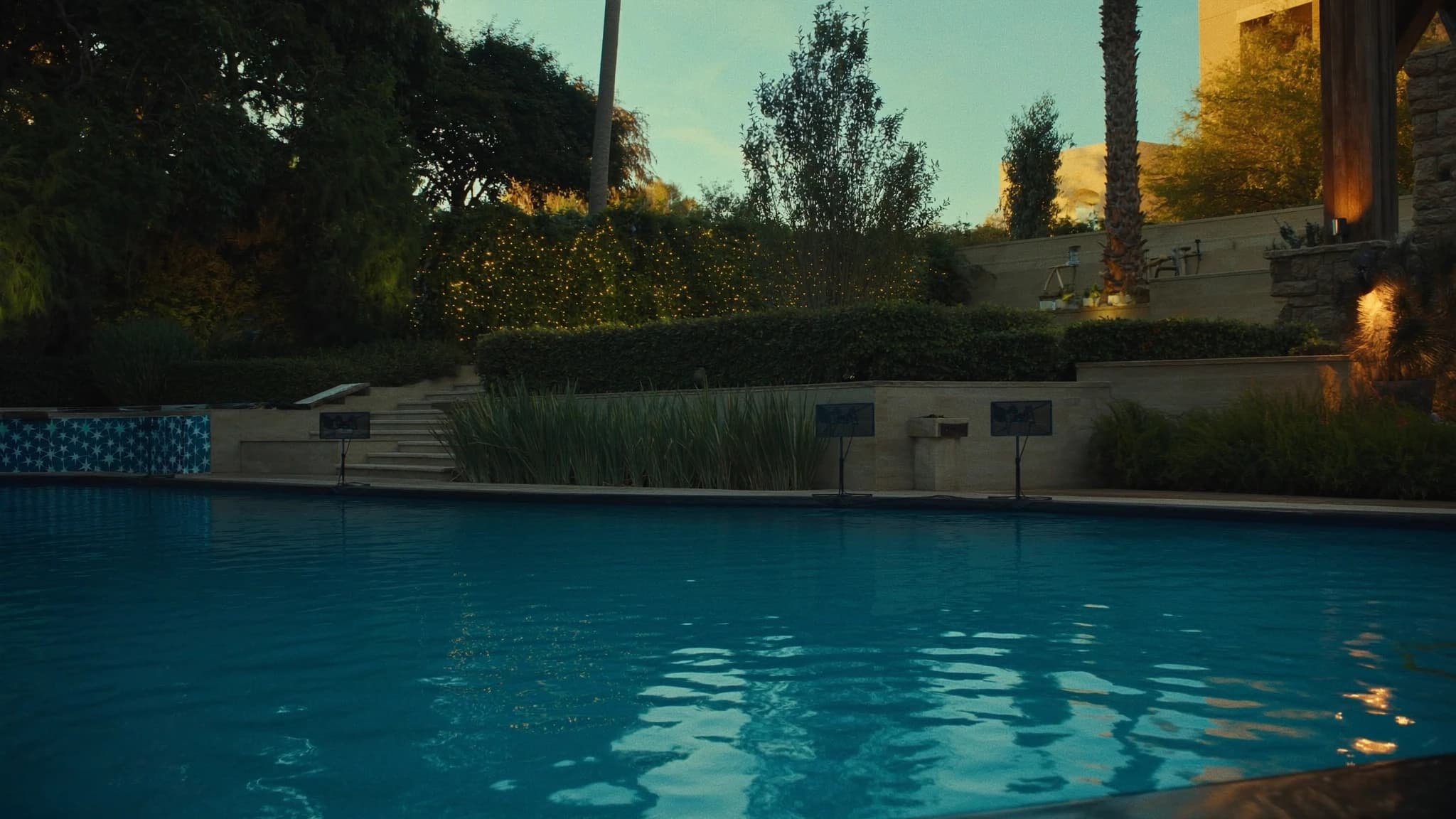
Bij het selecteren van luidsprekers voor buiten- of natte installaties is het begrijpen van IP-classificaties (Ingress Protection) essentieel om betrouwbaarheid en prestaties op lange termijn te waarborgen. Deze gids ontrafelt de tweecijferige IP-code, legt veelvoorkomende classificaties zoals IP54, IP65, IP66 en IP67 uit, en verduidelijkt wat 'waterdicht' echt betekent voor professionele audioapparatuur. SSOUNDS-engineers ontwerpen systemen met robuuste omgevingsbescherming, zodat de geluidskwaliteit consistent blijft onder uitdagende omstandigheden.
Belangrijkste punten
- IP-classificaties bestaan uit twee cijfers: het eerste voor stof (0-6), het tweede voor water (0-9).
- Veelvoorkomende luidsprekerclassificaties: IP54 (spatwaterdicht), IP65 (straalwaterdicht), IP66 (krachtige straalwaterdicht), IP67 (tijdelijke onderdompeling).
- 'Waterdicht' is een misvatting; 'weerbestendig' is nauwkeuriger voor luidsprekers met IP-classificatie.
- Materiaalkeuze (UV-gestabiliseerde kunststoffen, roestvast staal, siliconen afdichtingen) is cruciaal voor langdurige IP-bescherming.
- Kies IP66 voor de meeste permanente buiteninstallaties; IP67 voor gebieden met risico op onderdompeling.
- Verifieer altijd certificering door derden en plan onderhoud van afdichtingen na verloop van tijd.
Wat IP-classificaties betekenen: de tweecijferige code
IP-classificaties zijn gedefinieerd in de internationale norm IEC 60529, die de mate van bescherming tegen het binnendringen van vaste voorwerpen (eerste cijfer) en vloeistoffen (tweede cijfer) classificeert. Het eerste cijfer loopt van 0 tot 6, waarbij 0 geen bescherming betekent en 6 stofdicht (geen binnendringen van stof). Het tweede cijfer loopt van 0 tot 9 en geeft bescherming tegen water aan, van druppels tot hogedrukstralen.
Voor professionele luidsprekers is het eerste cijfer doorgaans 5 of 6. IP5X betekent stofbeschermd (enige stof kan binnendringen, maar niet genoeg om de werking te beïnvloeden), terwijl IP6X stofdicht is. Het tweede cijfer is cruciaal voor buitengebruik: IPX4 beschermt tegen spattend water, IPX5 tegen waterstralen onder lage druk, IPX6 tegen krachtige waterstralen, IPX7 tegen tijdelijke onderdompeling (tot 1 meter gedurende 30 minuten), en IPX8 tegen continue onderdompeling dieper dan 1 meter.
Veelvoorkomende IP-classificaties voor luidsprekers: IP54, IP65, IP66, IP67
IP54 is gebruikelijk voor licht buitengebruik en biedt stofbescherming en weerstand tegen spattend water uit alle richtingen. Het is geschikt voor overdekte patio's of gebieden die niet direct aan regen worden blootgesteld. IP65 biedt stofdichte bescherming en weerstand tegen waterstralen onder lage druk, waardoor het geschikt is voor de meeste buiteninstallaties waar regen of schoonmaken met een slang te verwachten is, maar niet voor onderdompeling.
IP66 is robuuster: stofdicht en beschermd tegen krachtige waterstralen (bijvoorbeeld zware regen of directe hogedrukreiniging). Deze classificatie is ideaal voor blootgestelde buitenlocaties, stadions en mariene omgevingen. IP67 voegt bescherming tegen tijdelijke onderdompeling toe (1 m gedurende 30 min), nuttig voor luidsprekers bij zwembaden, op boten of in overstromingsgevoelige gebieden. SSOUNDS biedt modellen met IP66- en IP67-classificaties voor veeleisende professionele toepassingen.
Wat 'waterdicht' echt betekent voor luidsprekers
Geen enkele luidspreker is echt 'waterdicht' in de zin dat hij onbeperkt onaangetast blijft door water. IP-classificaties beschrijven weerstand onder specifieke omstandigheden. Zelfs luidsprekers met IP67 kunnen falen als de waterdruk de capaciteit van de afdichting overschrijdt of als afdichtingen na verloop van tijd verslechteren. De term 'waterbestendig' is nauwkeuriger. Voor professionele audio impliceert 'weerbestendig' vaak UV-bestendigheid, corrosiebestendige hardware en afgedichte connectoren, naast IP-classificaties.
SSOUNDS-engineers gebruiken roestvast staal van mariene kwaliteit, siliconen pakkingen en hydrofobe luidsprekerconussen om de levensduur te verlengen. Regelmatig onderhoud, het controleren van afdichtingen, het schoonmaken van afvoerpoorten en het opbergen tijdens extreem weer verlengen de levensduur van elke buitenluidspreker.
Materialen die IP-bescherming mogelijk maken
Het behalen van hoge IP-classificaties vereist zorgvuldige materiaalkeuze. Behuizingen zijn doorgaans gemaakt van UV-gestabiliseerd polypropyleen, ABS of aluminium met poedergecoat afwerkingen om corrosie te weerstaan. Pakkingen en afdichtingen gebruiken siliconen of EPDM-rubber, die flexibel blijven over een breed temperatuurbereik. Ingangspanelen zijn vaak verzonken met wartelmoeren of afgedichte covers om vochtintrede via connectoren te voorkomen.
Transducers (woofers en tweeters) kunnen worden behandeld met hydrofobe coatings of gemaakt van polypropyleen of behandeld papier dat waterabsorptie weerstaat. Voor line array- of point-source-systemen integreert SSOUNDS afvoerkanalen en drukequalisatiekleppen om condensophoping in de behuizing te voorkomen.
Waar elke classificatie past: buiten- en natte installaties
Voor overdekte buitenruimtes zoals amfitheaters met een dak is IP54 vaak voldoende. Voor openluchttpodia, festivals of pretparken wordt IP65 of IP66 aanbevolen om regen en reiniging te weerstaan. IP66 is de standaard voor permanente stadioninstallaties waar luidsprekers worden blootgesteld aan door wind gedreven regen. IP67 wordt gekozen voor mariene toepassingen, drijvende podia of locaties bij zwembaden waar accidentele onderdompeling mogelijk is.
SSOUNDS biedt toepassingsadvies voor elk product, zodat de IP-classificatie overeenkomt met het omgevingsrisico. Een beachclub kan bijvoorbeeld IP67 vereisen voor luidsprekers bij de waterlijn, terwijl een rooftopbar met een luifel goed af kan met IP54. Houd altijd rekening met het volledige systeem: versterkers en DSP-units moeten ook passende IP-classificaties hebben of in weerbestendige behuizingen worden ondergebracht.
Testen en certificering: waar u op moet letten
IP-classificaties moeten worden geverifieerd door testen door derden. Let op certificeringen van geaccrediteerde laboratoria. Sommige fabrikanten claimen IP-classificaties op basis van eigen tests, wat mogelijk niet betrouwbaar is. SSOUNDS-producten ondergaan rigoureuze tests in onafhankelijke faciliteiten om classificaties te bevestigen. Controleer daarnaast of de classificatie van toepassing is op de volledige luidspreker, inclusief connectoren en montagehardware.
Onthoud dat IP-classificaties worden getest op nieuwe apparatuur; veroudering kan de bescherming verminderen. SSOUNDS ontwerpt zijn behuizingen met vervangbare afdichtingskits om de IP-integriteit gedurende de levensduur van het product te behouden.
Veelgestelde vragen
Kan ik een IP54-luidspreker buiten gebruiken in zware regen?
IP54 wordt niet aanbevolen voor zware regen, omdat het alleen beschermt tegen spattend water. Kies voor zware regen IP65 of hoger.
Betekent een IP67-luidspreker dat hij onbeperkt onder water kan blijven?
Nee. IP67 betekent bescherming tegen onderdompeling tot 1 meter gedurende 30 minuten. Continue onderdompeling kan falen veroorzaken.
Dekken IP-classificaties blootstelling aan zout water of chemicaliën?
Nee. IP-classificaties hebben alleen betrekking op zoet water. Zout water of chemicaliën vereisen extra corrosiebestendige materialen en afdichtingen.
Hoe vaak moet ik de afdichtingen van buitenluidsprekers controleren?
Jaarlijks, of na extreme weersomstandigheden. Vervang afdichtingen als ze gebarsten of samengedrukt zijn.
Zijn SSOUNDS-luidsprekers verkrijgbaar met IP66- of IP67-classificaties?
Ja, SSOUNDS biedt geselecteerde modellen met IP66- en IP67-classificaties voor professionele buiteninstallaties.
Een systeem bouwen of upgraden?
SSOUNDS ontwerpt en produceert professionele PA wereldwijd, van een enkele ruimte tot stadionformaat.