Luidsprekerbekabeling en bedrading: een praktische gids
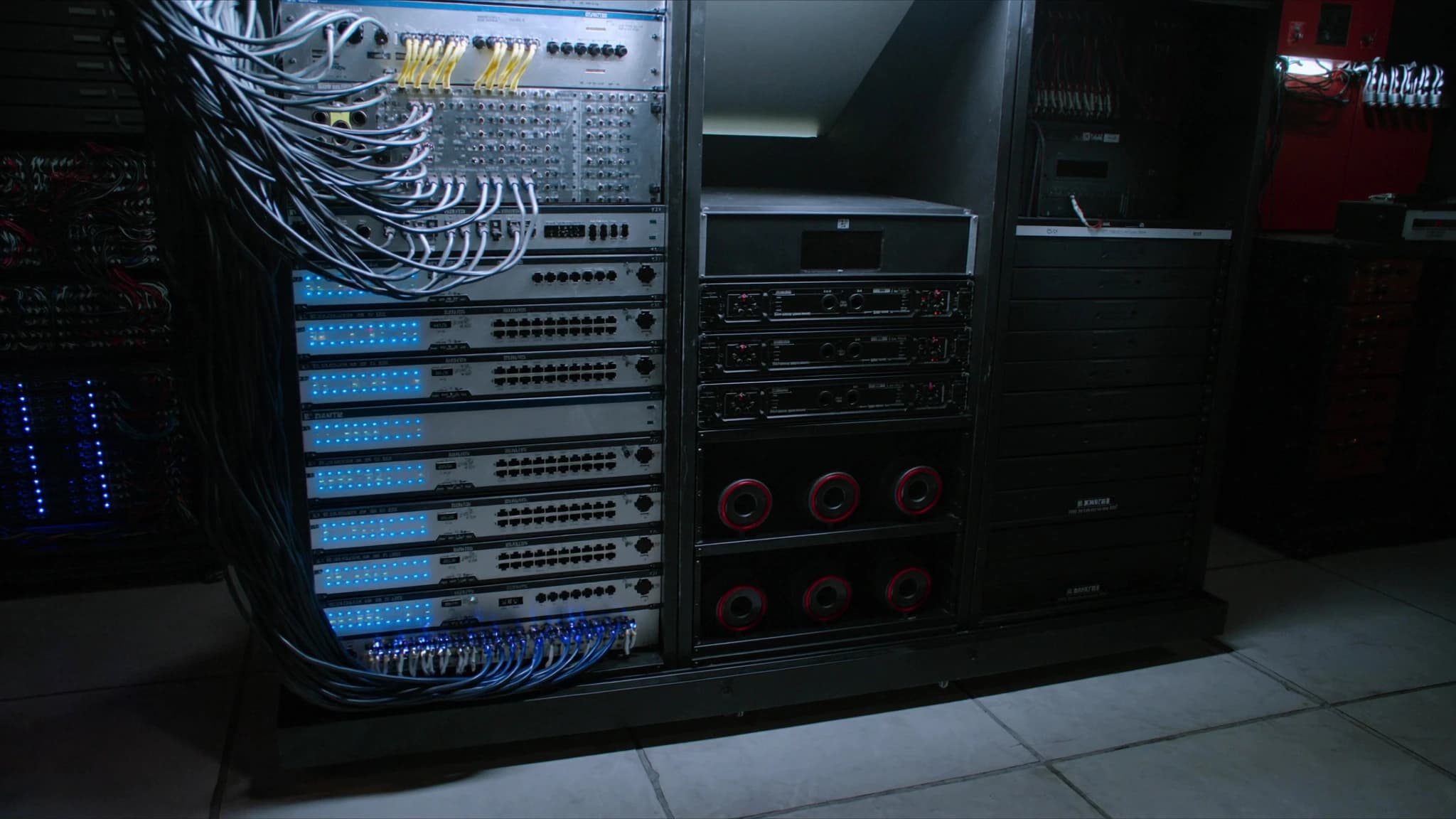
Goede luidsprekerbekabeling en bedrading vormen de ruggengraat van elk betrouwbaar geluidssysteem, maar ze worden vaak over het hoofd gezien tot er iets misgaat. Of u nu een vaste installatie of een tourrig bekabelt, het begrijpen van de verschillen tussen laagimpedante en hoogimpedante (70V/100V) systemen, het kiezen van de juiste draaddikte voor uw afstand en het gebruik van de juiste connectoren kan het verschil betekenen tussen kristalhelder geluid en kostbare storingen. Deze gids behandelt de essentie die elke audioprofessional moet kennen, met praktisch advies om veelvoorkomende valkuilen te vermijden.
Belangrijkste punten
- Kies laagimpedant voor live sound en hoogimpedant voor lange gedistribueerde afstanden.
- Stem draaddikte af op afstand en belastingsimpedantie om weerstand onder 5% van nominaal te houden.
- Gebruik Neutrik Speakon-connectoren voor luidsprekerniveauverbindingen; gebruik nooit XLR voor luidsprekersignalen.
- Houd gebalanceerde signaalkabels uit de buurt van luidsprekerkabels om ruisinductie te voorkomen.
- Gebruik voor digitale audionetwerken afgeschermde Cat5e/Cat6 en managed switches met de juiste QoS-instellingen.
- Test altijd kabels en polariteit vóór deployment om kostbare storingen te voorkomen.
Laagimpedante vs. hoogimpedante (70V/100V) systemen
Laagimpedante (low-Z) systemen, doorgaans 4Ω, 8Ω of 16Ω, zijn standaard voor live sound en de meeste vaste PA-toepassingen. Ze leveren het volledige versterkervermogen rechtstreeks aan de luidsprekers, met superieure transiëntrespons en dempingsfactor. Kabellengtes worden beperkt door weerstand; lange afstanden veroorzaken vermogensverlies en degradatie van de frequentierespons. Voor afstanden boven 50–100 voet (15–30 m) is dikkere kabel essentieel.
Hoogimpedante (70V of 100V) systemen gebruiken een transformator bij elke luidspreker om de spanning op te voeren, waardoor lange kabelafstanden (honderden voeten) met minimaal verlies mogelijk zijn. Deze komen veel voor bij gedistribueerde audio voor commerciële ruimtes, omroep en achtergrondmuziek. De keerzijde is verminderde laagfrequentprestaties en lagere algehele getrouwheid. Stem de transformatoraftakking altijd af op het gewenste wattage en zorg dat het totale afgetakte wattage het nominale vermogen van de versterker niet overschrijdt.
Draaddikte vs. afstand: de juiste draad voor de taak
Voor laagimpedante systemen beïnvloedt kabelweerstand direct de vermogensoverdracht en demping. Een goede vuistregel: houd de totale lusweerstand onder 5% van de nominale impedantie van de luidspreker. Voor een 8Ω-belasting betekent dat minder dan 0,4Ω totale weerstand. Gebruik deze snelle referentie: 18 AWG is geschikt tot 25 ft (8 m) voor 8Ω; 16 AWG tot 50 ft (15 m); 14 AWG tot 100 ft (30 m); 12 AWG tot 200 ft (60 m); 10 AWG voor langere afstanden. Voor 4Ω-belastingen halveert u deze afstanden.
Voor 70V/100V-systemen is draaddikte minder kritisch omdat de stroom lager is. 18 AWG kan vaak afstanden van 500 ft (150 m) of meer aan, maar bereken altijd de spanningsval om binnen 2–3 dB verlies te blijven. Gebruik online calculators of de formule: Vval = I × R, waarbij I = totaal wattage / spanning (bijv. 100W / 70V = 1,43A).
Connectoren: Speakon, NL4 en verder
Neutrik Speakon-connectoren (NL2, NL4, NL8) zijn de industriestandaard voor professionele luidsprekerbekabeling. Ze vergrendelen, zijn weerbestendig en kunnen hoge stromen aan. NL4-connectoren maken bi-amping of passieve crossover-bypass met één kabel mogelijk: pinnen 1+ en 1- voor lage frequenties, pinnen 2+ en 2- voor hoge frequenties. Bekabel altijd consistent (bijv. pin 1+ naar positief, 1- naar negatief) om faseproblemen te voorkomen.
Voor passieve luidsprekers gebruikt u een enkele NL4 met een jumper of interne crossover. Voor actieve luidsprekers gebruikt u gebalanceerde XLR of TRS voor signaal en powerCON of IEC voor netspanning. Gebruik nooit XLR voor luidsprekerniveausignalen; dit kan apparatuur beschadigen en is onveilig. Banaanstekers en bindingsposts komen veel voor in home audio, maar zijn onbetrouwbaar voor tourgebruik. Zet kabels altijd vast met trekontlasting en vermijd het doorkoppelen van meerdere luidsprekers op één connector zonder te verifiëren dat de versterker de gecombineerde belasting aankan.
Gebalanceerd signaal vs. luidsprekerniveau: ken uw niveaus
Gebalanceerde audio (mic/lijnniveau) gebruikt drie geleiders: hot, cold en ground, waarbij het signaal in tegenfase op hot en cold wordt verzonden. Dit heft geïnduceerde ruis over lange afstanden op. Standaard voor console-uitgangen, processor-ingangen en actieve luidspreker-ingangen. Gebruik XLR- of TRS-kabels; houd afstanden onder 300 ft (100 m) voor analoog, of gebruik een DI-box voor langere afstanden.
Luidsprekerniveausignalen zijn hoogspanning, hoogstroom en ongebalanceerd. Voer ze nooit naast laagniveausignaalkabels; inductieve koppeling kan brom en ruis veroorzaken. Houd luidsprekerkabels minstens 12 inch (30 cm) verwijderd van signaalkabels en kruis ze indien nodig in een hoek van 90 graden. Schakel versterkers altijd uit voordat u luidsprekerkabels aansluit of loskoppelt om vonkvorming en schade te voorkomen.
Netwerk- en Dante-bekabeling voor moderne systemen
Digitale audionetwerken zoals Dante, AVB en AES67 gebruiken standaard Ethernet-bekabeling (Cat5e, Cat6 of Cat7). Gebruik voor Dante afgeschermde Cat5e of beter voor afstanden tot 100 m (328 ft). Niet-afgeschermde kabel kan in schone omgevingen werken, maar afgeschermd wordt aanbevolen voor live sound om EMI te verminderen. Gebruik RJ45-connectoren met metalen afscherming en goede trekontlasting. Vermijd het gebruik van koppelstukken of patchpanelen met overmatige lengte; elke verbinding voegt latentie en potentiële storingspunten toe.
Voor redundante netwerken legt u twee afzonderlijke kabels (primair en secundair) via verschillende paden. Leg Ethernet-kabels nooit over lange afstanden parallel aan netspanningsleidingen. Gebruik managed switches met QoS en IGMP snooping om multicast-verkeer te verwerken. SSOUNDS DSP-versterkers en -processors hebben ingebouwde Dante-connectiviteit, waardoor naadloze digitale distributie met lage latentie en eenvoudige systeembeheersing mogelijk is.
Veelvoorkomende fouten en hoe u ze vermijdt
Een van de meest voorkomende fouten is het gebruik van de verkeerde draaddikte voor de afstand, wat leidt tot vermogensverlies en slechte geluidskwaliteit. Bereken altijd de spanningsval vóór installatie. Een andere fout is het verwisselen van polariteit; verbind positief met positief en negatief met negatief op alle componenten. Gebruik een polariteitstester of een 9V-batterij om dit te verifiëren.
Het te vast aandraaien van Speakon-connectoren kan schroefdraad beschadigen; draai alleen met de hand vast. Gebruik luidsprekerkabels niet als bindmiddel en trek er niet aan om luidsprekers te verplaatsen. Gebruik voor vaste installaties plenum-gecertificeerde kabel in luchtbehandelingsruimtes. Ga er ten slotte nooit van uit dat een kabel goed is; test elke kabel met een multimeter of kabeltester voor en na elke show. SSOUNDS raadt aan kabels te voorzien van kleurcodering of labels op basis van lengte en type om de opbouw en probleemoplossing te versnellen.
Veelgestelde vragen
Kan ik een gewone XLR-kabel gebruiken voor luidsprekerniveausignalen?
Nee. XLR-kabels zijn ontworpen voor laagniveausignalen (mic/lijn) en kunnen de hoge stroom en spanning van luidsprekerniveausignalen niet aan. Gebruik ervan kan oververhitting, brand of schade aan apparatuur veroorzaken. Gebruik altijd de juiste luidsprekerkabels met Speakon- of andere geschikte connectoren.
Welke draaddikte moet ik gebruiken voor een afstand van 100 voet naar een 8Ω-luidspreker?
Voor een afstand van 100 ft (30 m) naar een 8Ω-luidspreker gebruikt u minimaal 14 AWG-kabel. Dit houdt de weerstand rond 0,25Ω per geleider (0,5Ω lus), ruim onder de 5%-drempel (0,4Ω). Voor 4Ω-belastingen stapt u over op 12 AWG of gebruikt u kortere afstanden.
Hoe sluit ik een NL4-connector aan voor bi-amping?
Verbind pinnen 1+ en 1- met de laagfrequentdriver (of LF-ingang op de luidspreker), en pinnen 2+ en 2- met de hoogfrequentdriver (of HF-ingang). Zorg dat de versterkerkanalen dienovereenkomstig zijn geconfigureerd. Gebruik een consistente pinout voor alle kabels en luidsprekers.
Wat is de maximale kabellengte voor Dante?
De maximaal aanbevolen lengte voor een enkele Dante-kabel is 100 meter (328 voet) met Cat5e of beter. Voor langere afstanden gebruikt u netwerkswitches of glasvezelconverters. Gebruik altijd afgeschermde kabel in omgevingen met veel EMI.
Kan ik meerdere passieve luidsprekers op één versterkerkanaal doorkoppelen?
Ja, maar alleen als de totale impedantie van de parallelschakeling binnen de minimale belastingsspecificatie van de versterker valt. Twee 8Ω-luidsprekers parallel geven bijvoorbeeld een 4Ω-belasting. Zorg dat de versterker voor die belasting is gespecificeerd en gebruik de juiste bekabeling om de gecombineerde stroom aan te kunnen.
Een systeem bouwen of upgraden?
SSOUNDS ontwerpt en produceert professionele PA wereldwijd, van een enkele ruimte tot stadionformaat.