SSOUNDS Systeemnetwerken: Hoe Onze Versterkers Verbinden
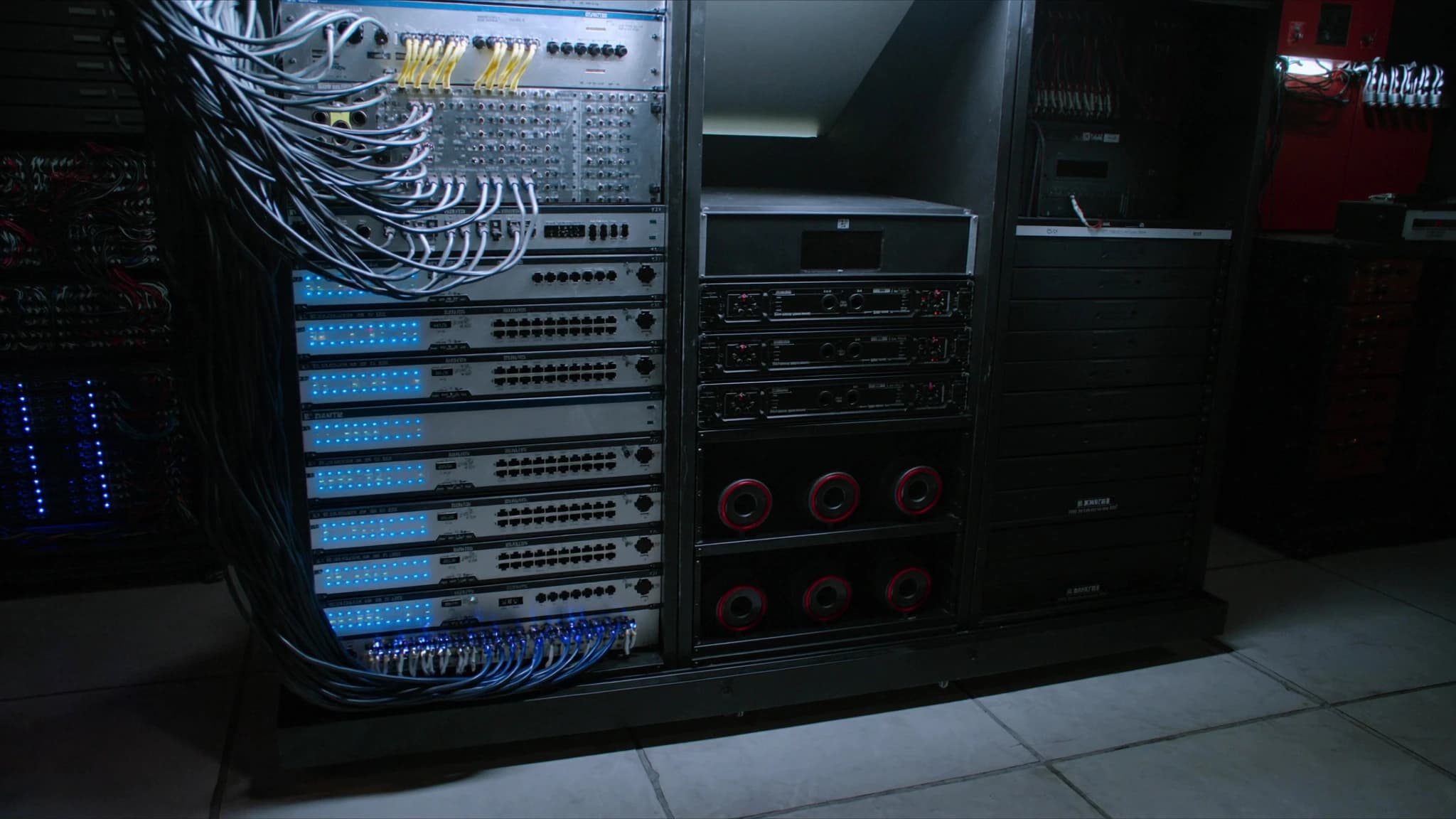
Moderne professionele audio vraagt meer dan alleen goed geluid: het vereist een robuust, intelligent netwerk dat elke versterker, luidspreker en bedieningspunt verbindt tot één naadloos ecosysteem. SSOUNDS-versterkers zijn ontworpen met native Dante/AES67 audiotransport, redundante netwerktopologieën en diepe integratie met onze System Designer-software, waardoor engineers volledige controle krijgen over grootschalige installaties en tourrigs.
Belangrijkste punten
- SSOUNDS-versterkers hebben dubbele Gigabit Ethernet-poorten voor redundante audio- en bedieningsnetwerken.
- Native Dante/AES67-ondersteuning maakt digitaal audiotransport met hoog kanaalaantal en lage latency mogelijk.
- System Designer biedt gecentraliseerde configuratie, monitoring en aansturing van alle versterkers in het netwerk.
- Redundante audiostreams en voedingen zorgen voor ononderbroken werking tijdens kritieke evenementen.
- Integratie met grote consoles en systemen van derden is naadloos via Dante, AES3 of analoge I/O.
- Flexibiliteit in netwerktopologie maakt daisy-chain-, ster- of ringconfiguraties mogelijk voor elke venue.
Versterker-I/O en netwerkinterfaces
SSOUNDS-versterkers hebben een uitgebreid I/O-paneel dat is ontworpen voor flexibiliteit en betrouwbaarheid. Elke unit heeft dubbele Gigabit Ethernet-poorten voor primaire en secundaire netwerkverbindingen, waardoor redundante audio- en bedieningspaden mogelijk zijn. Analoge ingangen (XLR) en AES3 digitale ingangen zijn ook aanwezig voor legacy- of standalone gebruik, maar de kern van een modern SSOUNDS-systeem is het digitale netwerk.
De onboard DSP van de versterker verzorgt alle crossover-, EQ-, limiting- en delay-verwerking, met presets die zijn geoptimaliseerd voor elk SSOUNDS-luidsprekersmodel. Netwerkconnectiviteit maakt real-time monitoring mogelijk van versterkertemperatuur, uitgangsstroom en limiteractiviteit, evenals remote aanpassing van gain, mute en routing.
Dante/AES67 audiotransport
SSOUNDS-versterkers ondersteunen Dante audionetwerken met tot 64x64 kanalen per versterker (afhankelijk van het model), via standaard IP-infrastructuur. AES67-compatibiliteit zorgt voor interoperabiliteit met andere professionele audioapparatuur, waaronder digitale mengpanelen, stageboxen en DSP-units van derden.
Audiorouting wordt geconfigureerd via Dante Controller of direct binnen SSOUNDS System Designer. Meerdere versterkers kunnen dezelfde multicast-flows delen, waardoor één console-uitgang een volledige line array of zone kan voeden. Sample rates van 48 kHz of 96 kHz worden ondersteund, met automatisch latencybeheer om alle drivers fase-uitgelijnd te houden.
Netwerkbesturing en monitoring met System Designer
SSOUNDS System Designer is het centrale softwareplatform voor het configureren, monitoren en aansturen van het volledige luidsprekersysteem. Het ontdekt alle SSOUNDS-versterkers op het netwerk via standaard IP-protocollen (TCP/IP en UDP) en toont hun status, firmwareversie en toegewezen luidsprekerpresets.
Engineers kunnen groepen aanmaken, uitgangsniveaus aanpassen, individuele kanalen muten en real-time statistieken monitoren zoals uitgangsspanning, stroom en temperatuur. System Designer logt ook historische data voor troubleshooting en preventief onderhoud. De software draait op Windows en macOS en kan worden gebruikt op een toegewijde laptop of worden geïntegreerd in een groter show control-netwerk via OSC of MIDI.
Redundantie en failover
Voor missiekritische evenementen ondersteunen SSOUNDS-versterkers redundante netwerktopologieën. De dubbele Ethernet-poorten kunnen worden geconfigureerd voor primaire/secundaire audiostreams (Dante-redundantie) of voor gescheiden bedienings- en audionetwerken. Bij een netwerkswitchstoring of kabelbreuk schakelt de versterker naadloos over naar de back-upstream zonder hoorbare dropout.
Daarnaast kunnen versterkers via de secundaire poort worden doorgelust voor vereenvoudigde bekabeling in kleinere systemen, terwijl bij een ringtopologie met managed switches nog steeds een redundant pad behouden blijft. Redundantie van de voeding is ook beschikbaar in bepaalde versterkermodellen, met dubbele hot-swappable PSU's.
Integratie met consoles en systemen van derden
SSOUNDS-versterkers integreren direct met grote digitale mengpanelen via Dante/AES67, waardoor direct digitaal patchen mogelijk is zonder analoge conversie. Voor consoles zonder Dante zijn analoge of AES3-ingangen beschikbaar. De netwerkbesturingslaag kan ook worden overbrugd naar console-automatiseringssystemen met MIDI- of TCP/IP-commando's.
System Designer ondersteunt export van systeemconfiguraties voor documentatie en kan venue- of riggingdata importeren voor akoestische voorspelling. Hierdoor is het eenvoudig om een volledige tour of installatie vooraf in de werkplaats te configureren en ter plaatse te deployen met minimale setup-tijd.
Praktische voorbeelden van netwerktopologie
Een typisch SSOUNDS-systeem voor een middelgroot festival zou een primair Dante-netwerk op 1 Gbps kunnen gebruiken, met een secundair netwerk voor bediening en monitoring. Versterkers zijn verbonden met managed switches waarop QoS is ingeschakeld om audiotraffic prioriteit te geven. De FOH-console stuurt zijn hoofd-L/R- en subwooferuitgangen via Dante naar een toegewijde versterker voor de frontfill, terwijl delaytorens hun eigen multicast-flows ontvangen.
Voor grotere installaties kunnen meerdere subnetten worden gebruikt, waarbij SSOUNDS-versterkers VLAN-tagging en IGMP snooping ondersteunen om de netwerkbelasting te minimaliseren. System Designer kan apparaten in verschillende subnetten beheren zolang de routing correct is geconfigureerd.
Veelgestelde vragen
Kan ik een standaard netwerkswitch gebruiken met SSOUNDS-versterkers?
Ja, elke managed Gigabit Ethernet-switch met IGMP snooping en QoS wordt aanbevolen voor Dante-netwerken. Voor netwerken die alleen voor bediening dienen, kunnen unmanaged switches volstaan, maar managed switches bieden betere redundantie en verkeersbeheer.
Hoeveel versterkers kan ik aansturen vanuit één instantie van System Designer?
System Designer kan honderden versterkers op hetzelfde netwerk ontdekken en aansturen, beperkt door netwerkbandbreedte en IP-adressering. Voor zeer grote systemen kunnen meerdere instanties worden gebruikt met correcte subnetting.
Ondersteunt SSOUNDS AES67 voor interoperabiliteit met niet-Dante-apparaten?
Ja, alle SSOUNDS-versterkers met Dante ondersteunen ook AES67, waardoor verbinding mogelijk is met AES67-compatibele apparatuur zoals bepaalde mengpanelen, microfoons en intercomsystemen.
Wat gebeurt er als het netwerk uitvalt tijdens een show?
Met redundante Dante-streams en dubbele Ethernet-poorten schakelt de versterker automatisch over naar de back-up audiostream. De bediening kan tijdelijk wegvallen, maar audio gaat ononderbroken door. Voor maximale betrouwbaarheid adviseren wij redundante switches en voedingen te gebruiken.
Kan ik de versterkerstatus op afstand via internet monitoren?
Ja, System Designer kan worden geconfigureerd om via een VPN of port forwarding verbinding te maken met versterkers, waardoor remote monitoring en troubleshooting mogelijk zijn. Voor live-optredens wordt echter sterk een lokaal toegewijd netwerk aanbevolen om latency en risico te minimaliseren.
Een systeem bouwen of upgraden?
SSOUNDS ontwerpt en produceert professionele PA wereldwijd, van een enkele ruimte tot stadionformaat.