Aktive vs. passive Lautsprecher: Ein vollständiger Vergleich
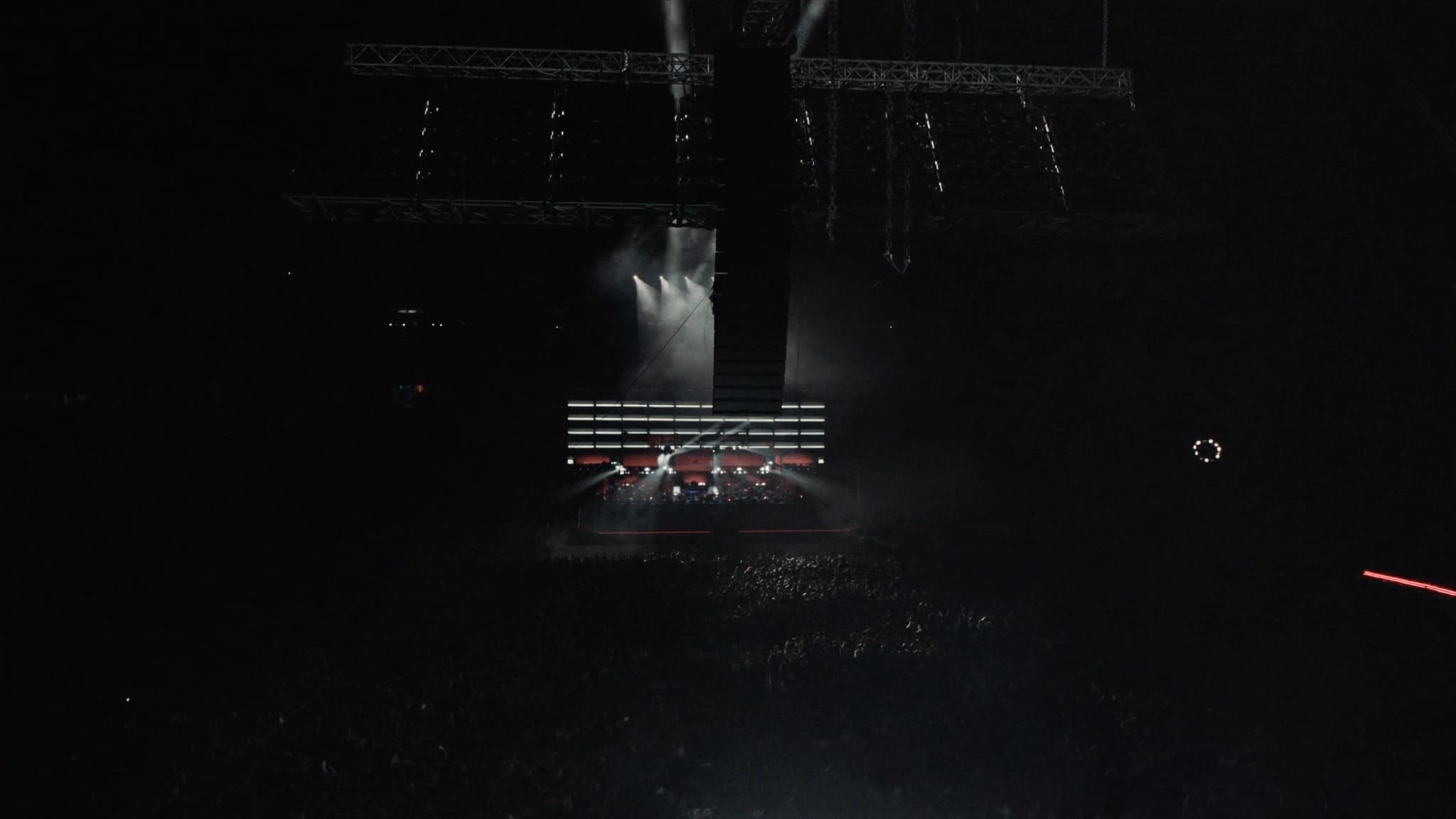
Die Wahl zwischen aktiven und passiven Lautsprechern ist eine der kritischsten Entscheidungen in jedem Beschallungssystem-Design. Ob Sie ein Touring-Rig, eine Festinstallation oder eine tragbare PA ausstatten, die Wahl wirkt sich auf Klangqualität, Systemkomplexität, Gesamtkosten und langfristige Skalierbarkeit aus. In diesem umfassenden Leitfaden erläutern wir die technischen Unterschiede, die praktischen Vor- und Nachteile und die spezifischen Anwendungsfälle, in denen jeder Typ hervorragend abschneidet, damit Sie eine fundierte Entscheidung auf der Grundlage professioneller Erkenntnisse treffen können.
Wichtigste Punkte
- Aktive Lautsprecher vereinfachen die Einrichtung und gewährleisten Verstärker-Lautsprecher-Kompatibilität, ideal für tragbare und kleine bis mittlere Systeme.
- Passive Lautsprecher bieten Flexibilität, leichtere Gehäuse und niedrigere Kosten pro Box in großen Arrays, bevorzugt im Touring und bei großen Installationen.
- Die Gesamtbetriebskosten begünstigen aktive Systeme bei kleinen Systemen und passive bei großen Systemen (8+ Gehäuse pro Seite).
- Hybriddesigns und vernetztes Audio überbrücken die Lücke, aber die grundlegende Wahl bleibt durch Anwendungsumfang und Benutzerkenntnisse bestimmt.
Was sind aktive und passive Lautsprecher?
Aktive Lautsprecher (auch als powered speakers bezeichnet) verfügen über eingebaute Verstärker und oft über integriertes DSP (digitale Signalverarbeitung) für Frequenzweiche, EQ und Limiting. Sie empfangen ein Signal auf Line-Pegel von einem Mischpult oder einer Audioquelle und benötigen nur ein Netzkabel. Passive Lautsprecher hingegen haben keine interne Verstärkung. Sie benötigen einen externen Verstärker und eine separate Frequenzweiche (aktiv oder passiv), um das Signal in Frequenzbänder aufzuteilen, bevor es die Treiber erreicht.
Der grundlegende Unterschied liegt darin, wo die Verstärkung und Verarbeitung stattfinden. In einem aktiven System entwirft der Hersteller den Verstärker und das DSP speziell für die Treiber des Lautsprechers und optimiert so Leistung und Schutz. In einem passiven System wählt der Benutzer den Verstärker und die Verarbeitung aus, was Flexibilität bietet, aber mehr technisches Know-how erfordert.
Vor- und Nachteile aktiver Lautsprecher
Aktive Lautsprecher bieten mehrere Vorteile: vereinfachte Einrichtung (kein Verstärkerrack, keine abzustimmenden Lautsprecherkabel), garantierte Kompatibilität zwischen Verstärker und Treibern und integrierter Schutz, der Schäden durch Übersteuerung verhindert. Die DSP-Integration ermöglicht eine präzise Abstimmung auf die Akustik des Gehäuses, was oft zu einem flacheren Frequenzgang und besserer Phasenkohärenz führt. Viele aktive Systeme enthalten auch benutzeranpassbare Presets für verschiedene Anwendungen.
Aktive Lautsprecher haben jedoch Nachteile. Jedes Gehäuse benötigt ein Netzkabel, was bei großen Arrays umständlich sein kann. Wenn der Verstärker oder das DSP ausfällt, ist der gesamte Lautsprecher außer Betrieb. Ein späteres Upgrade der Verstärkung ist ohne Austausch des Lautsprechers nicht möglich. Aktive Lautsprecher sind aufgrund der integrierten Elektronik auch tendenziell schwerer und in der Anschaffung teurer.
Vor- und Nachteile passiver Lautsprecher
Passive Lautsprecher bieten maximale Flexibilität. Sie können Verstärker mit spezifischer Leistung, Dämpfungsfaktor oder Klangcharakter wählen und diese unabhängig aufrüsten. Sie sind leichter als aktive Gegenstücke (keine eingebauten Verstärker), was das Fliegen in Arrays erleichtert. Ein einzelner Verstärkerkanal kann mehrere passive Gehäuse parallel antreiben, was die Kosten pro Lautsprecher in großen Systemen reduziert. Passive Lautsprecher sind auch einfacher zu reparieren: Ein durchgebrannter Treiber bedeutet nicht, dass Elektronik ersetzt werden muss.
Zu den Nachteilen gehört eine komplexere Einrichtung: Sie müssen die Verstärkerleistung an die Impedanz und Belastbarkeit des Lautsprechers anpassen, externe Frequenzweichen auswählen und konfigurieren und Lautsprecherkabel mit großem Querschnitt verlegen. Der Systemschutz hängt von externen Limitern und der Wachsamkeit des Benutzers ab, was das Risiko von Treiberschäden erhöht. Passive Systeme benötigen in der Regel mehr Rackplatz und Verkabelung, und eine konsistente Abstimmung über verschiedene Gehäuse hinweg kann eine Herausforderung sein.
Analyse der Gesamtbetriebskosten
Beim Vergleich der Gesamtkosten sind sowohl Anschaffungs- als auch langfristige Ausgaben zu berücksichtigen. Aktive Lautsprecher haben in der Regel einen höheren Anschaffungspreis, da sie Verstärker und DSP enthalten. Sie eliminieren jedoch die Notwendigkeit separater Verstärkerkanäle, Racks und Frequenzweicheneinheiten. Für kleine bis mittlere Systeme (z. B. ein Paar Mains und Subs) erweisen sich aktive Systeme insgesamt oft als kosteneffizienter.
Passive Systeme glänzen bei großen Installationen. Ein einzelner Hochleistungs-Verstärkerkanal kann mehrere passive Gehäuse antreiben, was die Verstärkerkosten pro Box reduziert. Darüber hinaus sind passive Lautsprecher in der Regel kostengünstiger zu reparieren: Der Austausch eines Treibers ist billiger als der Austausch eines gesamten aktiven Moduls. Über eine Lebensdauer von 10 Jahren kann ein gut gewartetes passives System bei Arrays mit 8+ Gehäusen pro Seite niedrigere Gesamtkosten haben, während aktive Systeme für kleinere Setups wirtschaftlich bleiben.
Anwendungsfälle: Wann aktive Systeme wählen
Aktive Lautsprecher sind ideal für tragbare PA-Systeme, Firmenveranstaltungen, DJ-Setups und kleine bis mittelgroße Veranstaltungsorte, bei denen eine schnelle Einrichtung und konsistente Leistung Priorität haben. Sie eignen sich hervorragend für Anwendungen, bei denen der Benutzer möglicherweise nicht über tiefes technisches Wissen verfügt, da der Plug-and-Play-Betrieb Fehler reduziert. Aktive Subwoofer sind besonders beliebt, weil sie die Tieftonverstärkung auslagern und eine dedizierte Verarbeitung für die Sub-Integration enthalten.
Für tourende Bands, die ihren eigenen Sound mitbringen, vereinfachen aktive Systeme die Logistik: weniger Racks, weniger Verkabelung und schnellere Soundchecks. Festinstallationen in Gotteshäusern, Theatern und Clubs profitieren ebenfalls von aktiven Lautsprechern, da sie (falls mit Dante oder AES67 ausgestattet) eine Fernüberwachung und -steuerung über das Netzwerk ermöglichen.
Anwendungsfälle: Wann passive Systeme wählen
Passive Lautsprecher sind das Rückgrat der großformatigen Touring-Beschallung und permanenter Installationen, bei denen Gewicht, Wartungsfreundlichkeit und Verstärkerflexibilität wichtig sind. In Line-Array-Systemen sind passive Gehäuse leichter und einfacher zu fliegen, und externe Verstärkung ermöglicht den Einsatz von leistungsstarken, leichten Class-D-Amps in zentralen Verstärkerracks. Große Veranstaltungsorte, Festivals und Stadien verwenden aus diesen Gründen fast ausschließlich passive Systeme.
Passive Lautsprecher eignen sich auch für Installationen, bei denen Verstärker in einem sicheren Technikraum untergebracht werden können, entfernt von den Lautsprechern (z. B. Freizeitparks, Freiluft-Amphitheater). Sie ermöglichen den einfachen Austausch einzelner Komponenten, ohne das gesamte Gehäuse zu stören. Für Benutzer, die bereits hochwertige Verstärker besitzen, vermeidet der Verbleib bei passiven Systemen redundante Elektronik.
Hybridsysteme und Zukunftstrends
Einige moderne Systeme verwischen die Grenzen, zum Beispiel passive Lautsprecher mit werkseitig installierten DSP-Modulen, die später hinzugefügt werden können, oder aktive Lautsprecher, die sowohl analoge als auch digitale Eingänge akzeptieren. SSOUNDS entwirft sowohl aktive als auch passive Line-Arrays, um Systemdesignern maximale Flexibilität zu geben. Unsere aktiven Modelle integrieren proprietäre Verstärkung und DSP für optimale Leistung, während unsere passiven Modelle für die Verwendung mit unseren empfohlenen Verstärkerplattformen optimiert sind.
Der Trend zu vernetztem Audio und Fernsteuerung macht aktive Lautsprecher für Installationen attraktiver, da sie von einem Tablet aus überwacht und abgestimmt werden können. Passive Systeme bleiben jedoch dominant in Hoch-SPL-, Großformat-Anwendungen, bei denen Gewicht und Wartungsfreundlichkeit entscheidend sind. Die richtige Wahl hängt letztendlich von Ihren spezifischen Anforderungen an Umfang, Budget und technischen Support ab.
Häufige Fragen
Welcher Typ klingt besser: aktiv oder passiv?
Die Klangqualität hängt vom Design ab, nicht von der Topologie. Ein gut konstruiertes aktives System mit optimiertem DSP kann hervorragend klingen, ebenso wie ein passives System mit einem hochwertigen externen Verstärker und einer Frequenzweiche. Aktive Systeme bieten oft eine engere Integration, passive Systeme ermöglichen jedoch Verstärker-Upgrades. Die Ingenieure von SSOUNDS stellen sicher, dass beide Typen dieselben strengen Leistungsstandards erfüllen.
Kann ich aktive und passive Lautsprecher im selben System mischen?
Ja, das ist üblich. Sie könnten beispielsweise aktive Subwoofer und passive Tops verwenden oder umgekehrt. Stellen Sie nur eine konsistente Abstimmung und Pegelanpassung sicher. Viele Hersteller, einschließlich SSOUNDS, bieten beide Typen mit komplementären Voicing-Presets an.
Sind aktive Lautsprecher zuverlässiger als passive?
Die Zuverlässigkeit hängt von der Verarbeitungsqualität ab. Aktive Lautsprecher haben mehr Komponenten, die ausfallen können (Verstärker, DSP, Netzteil), enthalten aber auch Schutzschaltungen, die Schäden an den Treibern verhindern. Passive Lautsprecher haben weniger Ausfallpunkte, sind aber anfälliger für Bedienfehler (z. B. Unterversorgung oder Clipping). Die aktiven Modelle von SSOUNDS werden strengen Tests unterzogen, um langfristige Zuverlässigkeit zu gewährleisten.
Brauche ich eine separate Frequenzweiche für passive Lautsprecher?
Ja, es sei denn, die Lautsprecher sind mit einer passiven Frequenzweiche im Gehäuse ausgestattet (die meisten passiven Zwei-Wege-Lautsprecher haben interne passive Frequenzweichen). Für Bi-Amping oder Tri-Amping benötigen Sie eine externe aktive Frequenzweiche und separate Verstärkerkanäle pro Treiber. Die passiven Line-Arrays von SSOUNDS sind typischerweise für Bi-Amping mit externem DSP ausgelegt.
Was ist besser für eine Kirche oder einen kleinen Veranstaltungsort?
Für die meisten kleinen bis mittelgroßen Veranstaltungsorte sind aktive Lautsprecher die praktische Wahl: einfache Einrichtung, kein Verstärkerrack und integrierte Signalverarbeitung. Sie ermöglichen es Freiwilligen, das System sicher zu bedienen. Für größere Sakralbauten oder bei der Erweiterung auf ein Line-Array können passive Systeme kosteneffizienter werden.
System aufbauen oder aufrüsten?
SSOUNDS entwickelt und fertigt professionelle PA weltweit, vom einzelnen Raum bis zur Stadiongröße.