Line Array vs. Point Source: Was sollten Sie wählen?
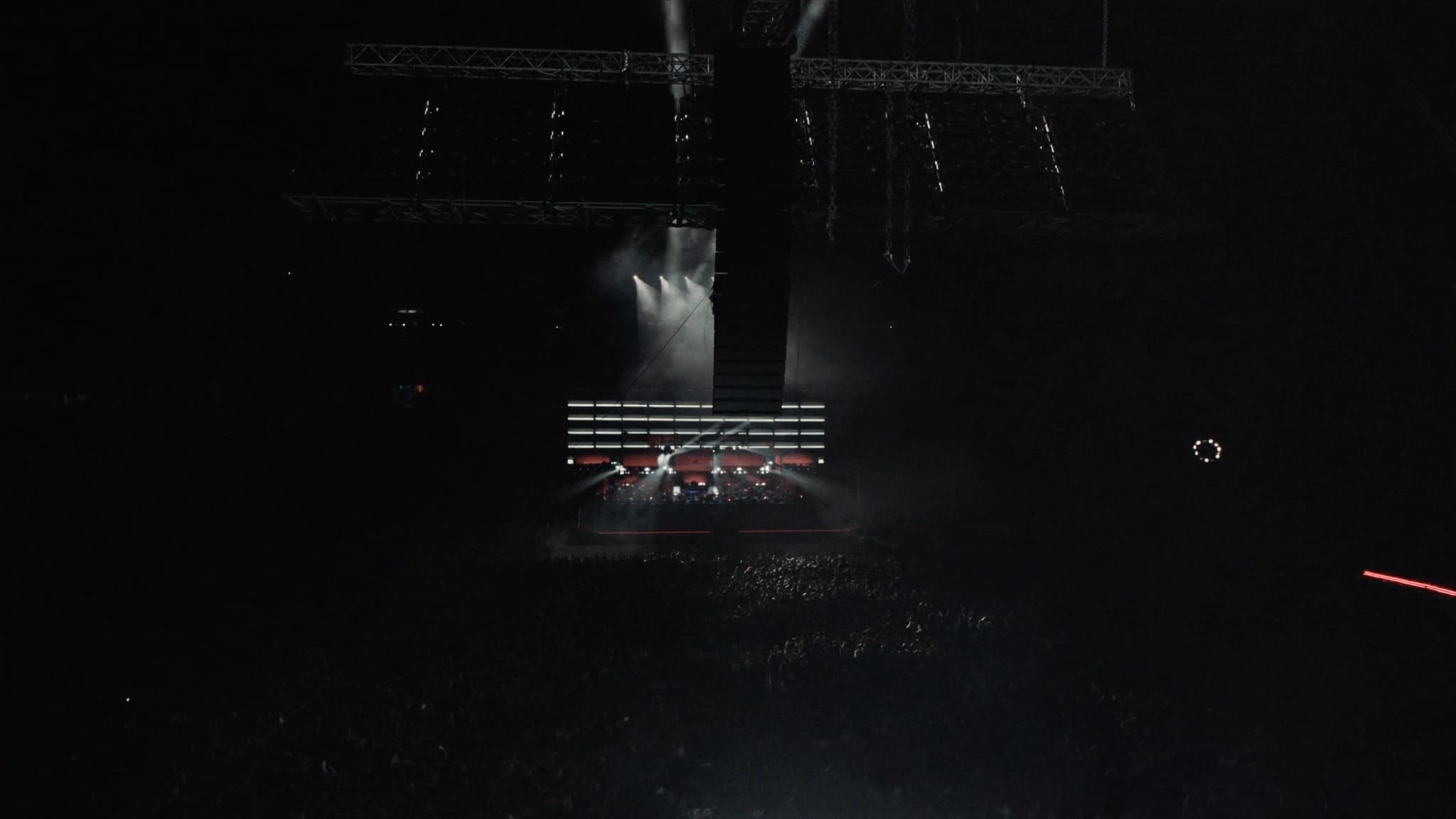
Die Wahl zwischen einem Line Array und einem Point-Source-Lautsprechersystem ist eine der kritischsten Entscheidungen in der Beschallungstechnik. Jede Topologie hat ihre eigenen Stärken und Kompromisse, die sich auf Abdeckung, Schalldruckpegel, Sprachverständlichkeit und Skalierbarkeit auswirken. Bei SSOUNDS bewertet unser Engineering-Team Dutzende von Variablen, Veranstaltungsortgeometrie, Publikumsverteilung, Budget und Anwendung, bevor es eine Lösung empfiehlt. Dieser Leitfaden erläutert die technischen Unterschiede, die realen Leistungsmerkmale und die Entscheidungskriterien, die professionelle Systemdesigner verwenden, damit Sie für Ihr nächstes Projekt eine fundierte Wahl treffen können.
Wichtigste Punkte
- Line Arrays bieten eine überlegene Abdeckungskonsistenz und einen höheren Schalldruckpegel über große Entfernungen, was sie ideal für große Veranstaltungsorte und Open-Air-Events macht.
- Point Sources bieten eine einfachere Installation, niedrigere Kosten und eine hervorragende Abbildung für kleine bis mittlere Räume mit klar definierten Hörbereichen.
- SSOUNDS-Ingenieure verwenden akustische Modellierung, um die Topologie an die Geometrie des Veranstaltungsorts, die Publikumsverteilung und das Budget anzupassen.
- Hybridsysteme (Point-Source-Fills + Line-Array-Hauptbeschallung) können sowohl Abdeckung als auch Kosten in Mehrzweckveranstaltungsorten optimieren.
- Moderne Line Arrays sind modular und skalierbar, sodass Systeme mit Ihren Anforderungen wachsen können, ohne die Infrastruktur zu ersetzen.
- Gehen Sie niemals davon aus, dass eine Topologie universell besser ist, die richtige Wahl hängt von der spezifischen Anwendung und den Leistungszielen ab.
Die grundlegende Physik verstehen
Ein Point-Source-Lautsprecher strahlt Schall aus einem einzelnen Gehäuse ab, typischerweise mit einer koaxialen oder hornbeladenen Treiberanordnung. Sein Abstrahlmuster ist fest (z. B. 90° x 60°) und verhält sich wie ein Scheinwerfer: Der Schallpegel nimmt mit der Entfernung vorhersehbar ab (Abstandsgesetz). Point Sources eignen sich hervorragend für kleine bis mittlere Veranstaltungsorte, bei denen der Hörbereich kompakt ist und das System nahe am Publikum positioniert werden kann.
Ein Line Array hingegen besteht aus mehreren vertikal gestapelten Gehäusen, die akustisch koppeln, um eine zylindrische Wellenfront zu erzeugen. Diese Geometrie bewirkt, dass der Schall bei jeder Verdopplung der Entfernung nur um 3 dB abnimmt (statt um 6 dB), was eine wesentlich größere Reichweite und eine gleichmäßigere Abdeckung von vorne nach hinten ermöglicht. Die vertikale Abdeckung kann mithilfe von DSP und mechanischen Winkelungen elektronisch geformt (ausgerichtet) werden, was Line Arrays ideal für große oder unregelmäßig geformte Räume macht.
Abdeckung und Konsistenz
Für ein bestuhltes Theater oder einen kleinen Club kann eine gut platzierte Point Source eine hervorragende Stereobildwiedergabe und eine einzige Ankunftszeit (keine Kammfiltereffekte) liefern. Wenn jedoch der Publikumsbereich breiter oder tiefer wird, haben Point Sources Schwierigkeiten, einen gleichmäßigen Schalldruckpegel und Frequenzgang aufrechtzuerhalten. Zuhörer außerhalb der Achse erleben einen Höhenabfall und eine verringerte Klarheit.
Line Arrays lösen dies, indem sie den Schall gleichmäßig über eine breite horizontale Ebene (typischerweise 90° bis 150°) verteilen und gleichzeitig die vertikale Abstrahlung kontrollieren. Jedes Gehäuse deckt einen bestimmten vertikalen Abschnitt ab, und die Krümmung des Arrays wird so abgestimmt, dass nahe und ferne Zuhörer gleichermaßen beschallt werden. SSOUNDS Line-Array-Systeme verwenden proprietäre Wellenleitertechnologie, um eine nahtlose Kopplung zwischen den Gehäusen zu gewährleisten, Interferenzen zu minimieren und eine konsistente tonale Balance von Reihe 1 bis Reihe 100 zu liefern.
Schalldruckpegel und Headroom
Wenn rohe Ausgangsleistung gefordert ist, beispielsweise in großen Konzertsälen, bei Festivals oder Open-Air-Veranstaltungen, haben Line Arrays einen klaren Vorteil. Die kombinierte akustische Ausgangsleistung mehrerer Gehäuse kann 140 dB SPL Peak überschreiten, wobei jeder Treiber in seinem linearen Bereich arbeitet. Dies reduziert Verzerrungen und verbessert die Zuverlässigkeit bei hohen Pegeln.
Point Sources können ebenfalls hohe Schalldruckpegel erreichen, erfordern jedoch typischerweise größere, schwerere Gehäuse mit leistungsstärkeren Verstärkern. Bei gegebenem Gewicht und Budget liefert ein Line Array fast immer einen höheren maximalen Schalldruckpegel und einen besseren Dynamikbereich über eine große Fläche. SSOUNDS-Ingenieure empfehlen häufig Line Arrays für jeden Veranstaltungsort mit mehr als 500 Sitzplätzen oder wenn die Hörentfernung 30 Meter überschreitet.
Skalierbarkeit und Flexibilität
Eines der stärksten Argumente für Line Arrays ist die Modularität. Ein System kann mit nur vier Gehäusen pro Seite für ein kleines Theater beginnen und auf 24 oder mehr für ein Stadion skaliert werden. Dieselben Verstärker, DSP-Presets und Rigging-Hardware werden über die gesamte Palette verwendet, was Inventar und Schulung vereinfacht.
Point-Source-Systeme sind weniger skalierbar. Das Hinzufügen weiterer Gehäuse zur Erhöhung der Abdeckung erzeugt oft Interferenzmuster und erfordert eine sorgfältige Platzierung, um Überlappungen zu vermeiden. Für Mehrzweckveranstaltungsorte, die sowohl Sprachbeschallung als auch laute Musik bieten, ist ein hybrider Ansatz (Point-Source-Frontfills mit Line-Array-Hauptbeschallung) üblich. SSOUNDS entwickelt beide Topologien so, dass sie nahtlos integrierbar sind, sodass Systemdesigner je nach Bedarf mischen und kombinieren können.
Installation und Logistik
Point Sources sind in der Regel einfacher zu installieren: weniger Gehäuse, weniger Rigging und geringeres Gewicht. Für feste Installationen, bei denen der Hörbereich klar definiert ist (z. B. ein Gotteshaus mit einem einzigen Sitzbereich), kann eine Point Source die kosteneffizienteste und ästhetisch ansprechendste Wahl sein.
Line Arrays erfordern mehr strukturelle Unterstützung, sorgfältige Ausrichtung und oft einen dedizierten DSP-Prozessor zur Steuerung der Beamforming-Funktion des Arrays. Moderne Line-Array-Systeme von SSOUNDS enthalten jedoch integrierte Flughardware, vorkonfigurierte Array-Vorlagen und Fernüberwachung, was die Einrichtungszeit verkürzt. Für Touring-Anwendungen ist die Möglichkeit, eine komplette PA in unter einer Stunde zu fliegen, ein großer logistischer Vorteil.
Wie SSOUNDS-Ingenieure entscheiden
Unser Designprozess beginnt mit der akustischen Modellierung mithilfe von EASE oder proprietären Simulationswerkzeugen. Wir erfassen die Geometrie des Veranstaltungsorts, definieren Abdeckungsziele und berechnen die Schalldruckpegel-Anforderungen. Wenn der Veranstaltungsort einen tiefen, schmalen Sitzbereich hat (z. B. eine Kathedrale oder ein Konzertsaal), wird fast immer ein Line Array gewählt. Für breite, flache Räume (z. B. ein Konferenzraum oder ein kleines Theater) kann eine Point Source oder ein verteiltes System besser sein.
Auch das Budget spielt eine Rolle. Während Line Arrays eine überlegene Leistung bieten, haben sie höhere Anschaffungskosten. Die Gesamtbetriebskosten können jedoch für große Veranstaltungsorte niedriger sein, da weniger Verstärkerkanäle und weniger Arbeitsaufwand erforderlich sind, um eine gleichmäßige Abdeckung zu erzielen. SSOUNDS bietet beide Optionen an, und unsere Anwendungsingenieure arbeiten mit Kunden zusammen, um den ROI jedes Ansatzes zu modellieren.
Gängige Mythen entkräftet
Mythos: Line Arrays sind immer besser. Realität: In kleinen Räumen kann die vertikale Kopplung eines Line Arrays zu übermäßiger Tieffrequenzanhebung und schlechter Abbildung führen. Eine Point Source klingt oft natürlicher.
Mythos: Point Sources können für ein großes Publikum nicht gut klingen. Realität: Mit dem richtigen Einsatz (z. B. Delay-Türme, verteilte Subwoofer) können Point-Source-Systeme große Bereiche abdecken, erfordern jedoch eine komplexere Zonierung und Verarbeitung.
Mythos: Alle Line Arrays sind gleich. Realität: Wellenleiterdesign, Treiberqualität und DSP-Algorithmen variieren enorm. SSOUNDS investiert stark in F&E, um sicherzustellen, dass unsere Line Arrays über das gesamte Betriebsband einen konsistenten Phasengang und niedrige Verzerrungen liefern.
Häufige Fragen
Kann ich für ein Open-Air-Festival eine Point-Source-Lösung verwenden?
Ja, aber Sie benötigen mehrere Delay-Türme und eine sorgfältige Zonierung, um eine gleichmäßige Beschallung aufrechtzuerhalten. Ein Line Array ist in der Regel effizienter und liefert mit weniger Gehäusen einen saubereren Klang über eine große Fläche.
Sind Line Arrays teurer als Point Sources?
Anfangs ja. Bei großen Veranstaltungsorten können die Kosten pro Sitzplatz oder pro Quadratmeter Beschallungsfläche mit einem Line Array jedoch niedriger sein, da weniger Gehäuse und Verstärker benötigt werden. Die Gesamtbetriebskosten sollten bewertet werden.
Wie viele Gehäuse benötige ich für ein Line Array?
Das hängt von der Größe des Veranstaltungsorts und dem gewünschten Schalldruckpegel ab. Eine typische Faustregel sind 4-6 Gehäuse für kleine Theater, 8-12 für mittlere Konzertsäle und 16-24+ für große Festivals. SSOUNDS bietet Simulationswerkzeuge, um die genaue Anzahl zu bestimmen.
Kann ich Line Array und Point Source im selben System mischen?
Absolut. Viele professionelle Systeme verwenden Line Arrays für die Hauptbeschallung und Point Sources für Frontfills, Outfills oder Delays. SSOUNDS entwickelt alle Produkte so, dass sie nahtlos mit konsistenter Abstimmung zusammenarbeiten.
Klingen Line Arrays besser als Point Sources?
Nicht grundsätzlich. Eine gut konstruierte Point Source kann an einem geeigneten Veranstaltungsort hervorragend klingen. Line Arrays sind hervorragend darin, über große Entfernungen und breite Bereiche einen konsistenten Klang zu liefern. Die 'bessere' Wahl hängt von der Anwendung ab.
System aufbauen oder aufrüsten?
SSOUNDS entwickelt und fertigt professionelle PA weltweit, vom einzelnen Raum bis zur Stadiongröße.