Die besten AV-Receiver für das Heimkino
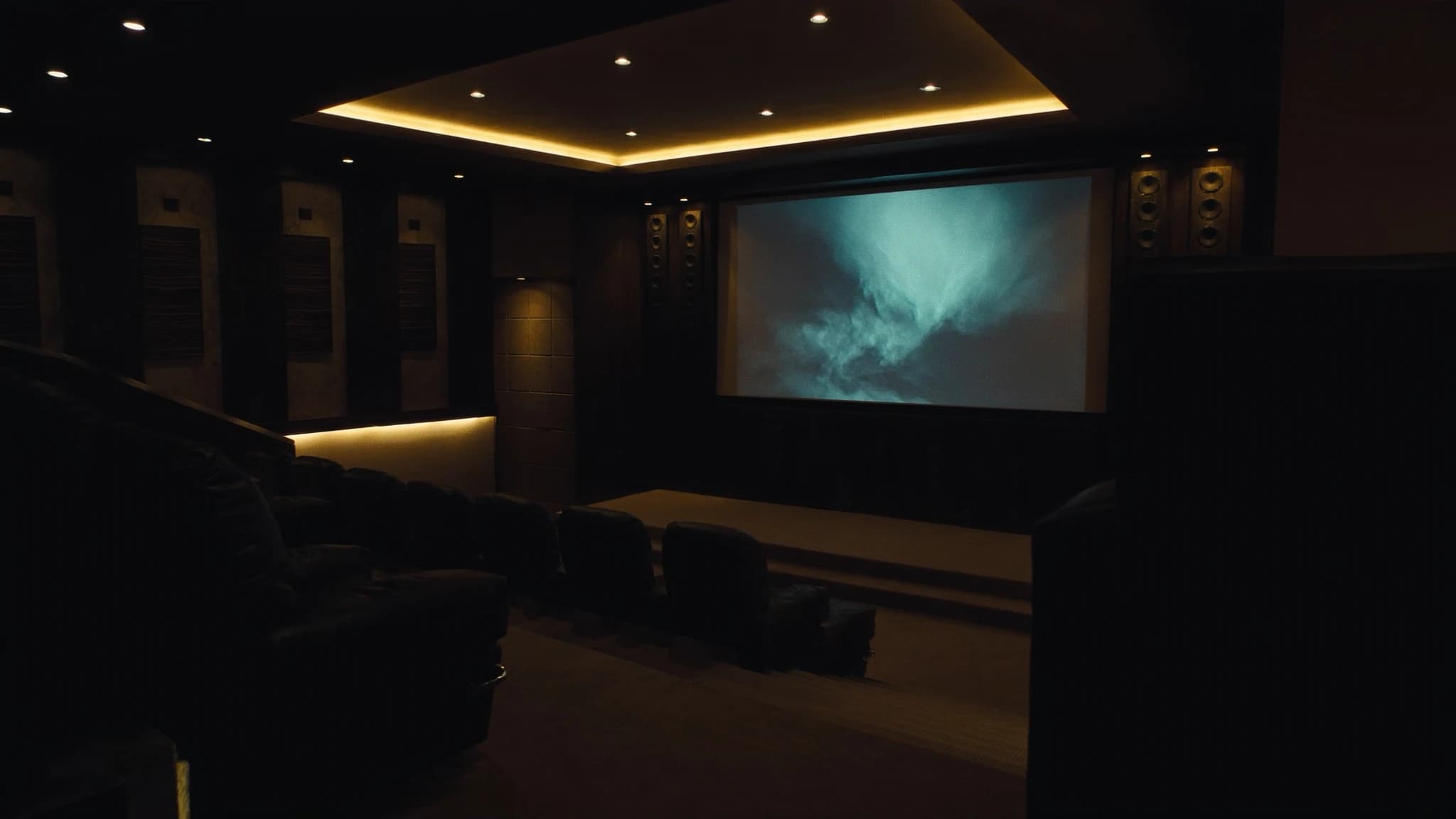
Die Wahl des besten AV-Receivers für Ihr Heimkino ist eine Frage der Balance zwischen Kanälen, immersiven Audioformaten, HDMI 2.1-Unterstützung und Raumeinmessung. Ob Sie ein 5.1.2-Atmos-Setup oder ein 9.2.4-Kraftpaket aufbauen, der richtige AVR erschließt kinoreifen Klang. Hier erfahren Sie, wie Sie einen Receiver auf Ihre Lautsprecher und Ihren Raum abstimmen, mit Top-Empfehlungen von Denon, Yamaha, Marantz und Onkyo.
Wichtigste Punkte
- Wählen Sie die Kanalanzahl basierend auf Raumgröße und Lautsprecherlayout, 5.1.2 für kleine Räume, 7.1.4 oder 9.1.4 für dedizierte Kinos.
- HDMI 2.1 ist essenziell für 4K/120Hz-Gaming und eARC; stellen Sie sicher, dass Ihr AVR mindestens drei Eingänge hat.
- Raumeinmessung (Audyssey, YPAO, Dirac) verbessert den Klang dramatisch; Dirac ist am fortschrittlichsten, aber Audyssey XT32 ist hervorragend.
- Passen Sie die Receiver-Leistung an Lautsprecherempfindlichkeit und Impedanz an, 100 W an 8 Ohm sind eine gute Basis für mittelgroße Räume.
- Denon, Marantz, Yamaha und Onkyo bieten alle hervorragende Optionen; der Denon AVR-X3800H ist ein Top-Allrounder.
- Ordnungsgemäße Belüftung, Kalibrierung und Übergangsfrequenz-Einstellungen sind der Schlüssel zur besten Leistung.
Kanäle und immersives Audio verstehen
AV-Receiver werden durch ihre Kanalanzahl definiert, 5.1, 7.1, 9.1 oder mehr, die bestimmt, wie viele Lautsprecher Sie anschließen können. Für Dolby Atmos und DTS:X benötigen Sie Höhenkanäle: Ein 5.1.2-System hat fünf Lautsprecher auf Ohrhöhe, einen Subwoofer und zwei Deckenlautsprecher. Ein 7.1.4-System fügt zwei hintere Surround-Lautsprecher und vier Höhenlautsprecher hinzu. Mehr Kanäle erzeugen eine umhüllendere Klangbühne, erfordern aber mehr Lautsprecher und Verstärkerleistung.
Berücksichtigen Sie bei der Wahl Ihre Raumgröße und Ihr Layout. Ein dediziertes Heimkino kann von 7.1.4 oder 9.1.4 profitieren, während ein Wohnzimmer bei 5.1.2 an seine Grenzen stößt. Die meisten modernen AVRs unterstützen Dolby Atmos, DTS:X und IMAX Enhanced, aber achten Sie auf Upmixing-Modi wie Dolby Surround oder DTS Neural:X, um Stereo- oder 5.1-Inhalte auf Ihr gesamtes Lautsprecherarray zu erweitern.
HDMI 2.1: Zukunftssicherheit für Gaming und 8K
HDMI 2.1 ist essenziell für Next-Gen-Spielkonsolen (PS5, Xbox Series X) und 8K-Quellen. Es unterstützt 4K/120Hz, 8K/60Hz, Variable Refresh Rate (VRR), Auto Low Latency Mode (ALLM) und eARC. Ohne es verlieren Sie High-Frame-Rate-Gaming und erweiterte Audio-Return-Channel-Funktionen. Alle großen Marken bieten HDMI 2.1 jetzt bei Mittelklasse- und höheren Modellen, aber überprüfen Sie die Anzahl der Eingänge, einige Budget-Geräte haben nur einen.
Für ein zukunftssicheres Setup suchen Sie mindestens drei HDMI 2.1-Eingänge. Die AVR-X-Serie von Denon, die RX-A-Serie von Yamaha, die Cinema-Serie von Marantz und die TX-RZ-Serie von Onkyo bieten alle vollständige HDMI 2.1-Unterstützung. Beachten Sie, dass frühe Implementierungen Bandbreitenprobleme hatten, aber Modelle ab 2023 sind vollständig konform.
Raumeinmessung: Audyssey, YPAO und Dirac Live
Raumeinmessung ist das Geheimnis für großartigen Klang. Sie misst Ihre Lautsprecher und die Raumakustik und wendet dann EQ an, um Reflexionen, Bassauslöschungen und Frequenzungleichgewichte zu korrigieren. Denon und Marantz verwenden Audyssey MultEQ (XT32 bei höheren Modellen), Yamaha verwendet YPAO (mit R.S.C. und 3D bei Premium-Geräten), und Onkyo/Integra bieten Dirac Live bei ausgewählten Modellen.
Dirac Live gilt weithin als das fortschrittlichste und bietet vollbandige Korrektur und optionales Bassmanagement. Audyssey MultEQ XT32 ist für die meisten Räume hervorragend, während die 3D-Version von YPAO für Yamahas proprietäre Soundfield-Verarbeitung optimiert. Für kritisches Hören können ein Kalibrierungsmikrofon und app-basierte manuelle Anpassung (wie Audyssey MultEQ Editor) die Ergebnisse feinabstimmen.
Leistungsangaben: Receiver auf Lautsprecher abstimmen
Die Leistungsabgabe wird in Watt pro Kanal (WPC) an 8 Ohm gemessen, mit zwei angetriebenen Kanälen. Ein 100-W-Receiver kann die meisten Regallautsprecher in einem mittelgroßen Raum auf Referenzpegel treiben, aber Standlautsprecher mit niedriger Empfindlichkeit (unter 88 dB) benötigen möglicherweise 150 W oder mehr. Lassen Sie sich nicht von hoher Wattzahl an 6 oder 4 Ohm täuschen, prüfen Sie die 8-Ohm-Angaben für reale Leistung.
Impedanzanpassung ist wichtig: Wenn Ihre Lautsprecher auf 4 Ohm absinken, stellen Sie sicher, dass der Receiver für 4-Ohm-Betrieb ausgelegt ist (die meisten Modelle von Denon, Marantz und Onkyo sind es; einige Yamaha-Geräte können die Leistung begrenzen). Berücksichtigen Sie auch die dynamische Leistung, kurze Spitzen für Transienten, die oft höher ist als die Dauerleistung. Ein Receiver mit robustem Netzteil (wie einem Ringkerntransformator) treibt anspruchsvolle Lasten sauberer an.
Top-Empfehlungen nach Kategorie
**Bester Allrounder: Denon AVR-X3800H**, 9.4 Kanäle, Audyssey MultEQ XT32, volles HDMI 2.1, Dirac Live Upgrade-Option. Ausgeglichenes Verhältnis von Funktionen und Preis. **Bester für Musik: Marantz Cinema 40**, 9.4 Kanäle, HDAM-Vorverstärker, Audyssey MultEQ XT32, wärmere Klangsignatur. Ideal für Hybrid-Systeme. **Bester für Gaming: Yamaha RX-A6A**, 9.2 Kanäle, YPAO R.S.C. mit 3D, HDMI 2.1 und erweiterte Gaming-Funktionen wie VRR und ALLM. **Bestes Preis-Leistungs-Verhältnis: Onkyo TX-RZ50**, 9.2 Kanäle, Dirac Live inklusive, THX Select und robuste Leistung. Ein budgetfreundliches Kraftpaket.
Für ein 5.1.2-Setup sind der Denon AVR-S970H oder Yamaha RX-V6A solide Wahlmöglichkeiten. Für ein 7.1.4- oder 9.1.4-System steigen Sie auf den Denon AVR-X4800H oder Marantz Cinema 50 um. Passen Sie die Kanalanzahl des Receivers immer an Ihr geplantes Lautsprecherlayout an, der Kauf zusätzlicher Kanäle, die Sie nicht nutzen, ist Verschwendung.
Tipps für Installation und Einrichtung
Stellen Sie den Receiver an einem gut belüfteten Ort auf. AVRs erzeugen Wärme, besonders wenn sie viele Kanäle antreiben. Verwenden Sie ein Kalibrierungsmikrofon auf Ohrhöhe an Ihrer primären Hörposition und führen Sie die Raumeinmessungssoftware aus. Für Atmos sind Deckenlautsprecher ideal, aber nach oben abstrahlende Module können mit reflektierenden Decken funktionieren. Stellen Sie die Lautsprecher-Übergangsfrequenzen für die meisten Systeme auf 80 Hz ein und lassen Sie den Subwoofer den Bass übernehmen.
Bi-Amping oder die Verwendung von Vorverstärkerausgängen für externe Verstärker kann die Klangqualität bei anspruchsvollen Lautsprechern verbessern. Viele Mittelklasse-AVRs bieten Vorverstärkerausgänge für die vorderen linken/rechten Kanäle. Aktualisieren Sie schließlich die Firmware, um HDMI 2.1-Kompatibilität und Zugang zu neuen Funktionen wie Dolby Atmos FlexConnect sicherzustellen.
Häufige Fragen
Brauche ich einen 9.2-Kanal-Receiver für ein 5.1.2-System?
Nein, ein 7.2-Kanal-Receiver ist für 5.1.2 ausreichend. Ein 9.2-Kanal-Receiver würde eine spätere Erweiterung auf 5.1.4 oder 7.1.2 ermöglichen.
Kann ich einen Receiver mit 4-Ohm-Lautsprechern verwenden?
Ja, aber prüfen Sie die Spezifikationen des Receivers. Die meisten Modelle von Denon, Marantz und Onkyo unterstützen 4-Ohm-Lasten; bei Yamaha kann es Einschränkungen geben. Stellen Sie sicher, dass der Receiver die niedrigere Impedanz ohne Überhitzung bewältigen kann.
Lohnt sich Dirac Live für den Aufpreis?
Für anspruchsvolle Hörer und schwierige Räume ja. Dirac Live bietet eine präzisere Korrektur und Bassverwaltung als Audyssey oder YPAO. Wenn Sie ein dediziertes Kino oder akustische Probleme haben, ist es ein lohnendes Upgrade.
Was ist der Unterschied zwischen Denon und Marantz?
Marantz hat typischerweise eine wärmere, musikalischere Klangsignatur, hochwertigere Komponenten (HDAM) und eine Premium-Verarbeitung. Denon bietet ähnliche Funktionen zu einem niedrigeren Preis, mit etwas analytischerem Klang. Beide gehören zu Sound United und teilen Kerntechnologie.
Wie viele HDMI 2.1-Eingänge brauche ich?
Mindestens zwei, wenn Sie eine PS5 und eine Xbox Series X haben, plus eine für ein Streaming-Gerät oder eine 8K-Quelle. Drei oder mehr sind ideal für Zukunftssicherheit.
System aufbauen oder aufrüsten?
SSOUNDS entwickelt und fertigt professionelle PA weltweit, vom einzelnen Raum bis zur Stadiongröße.