KI-Auto-Mixing für Sprache, Konferenzen und Gottesdienste
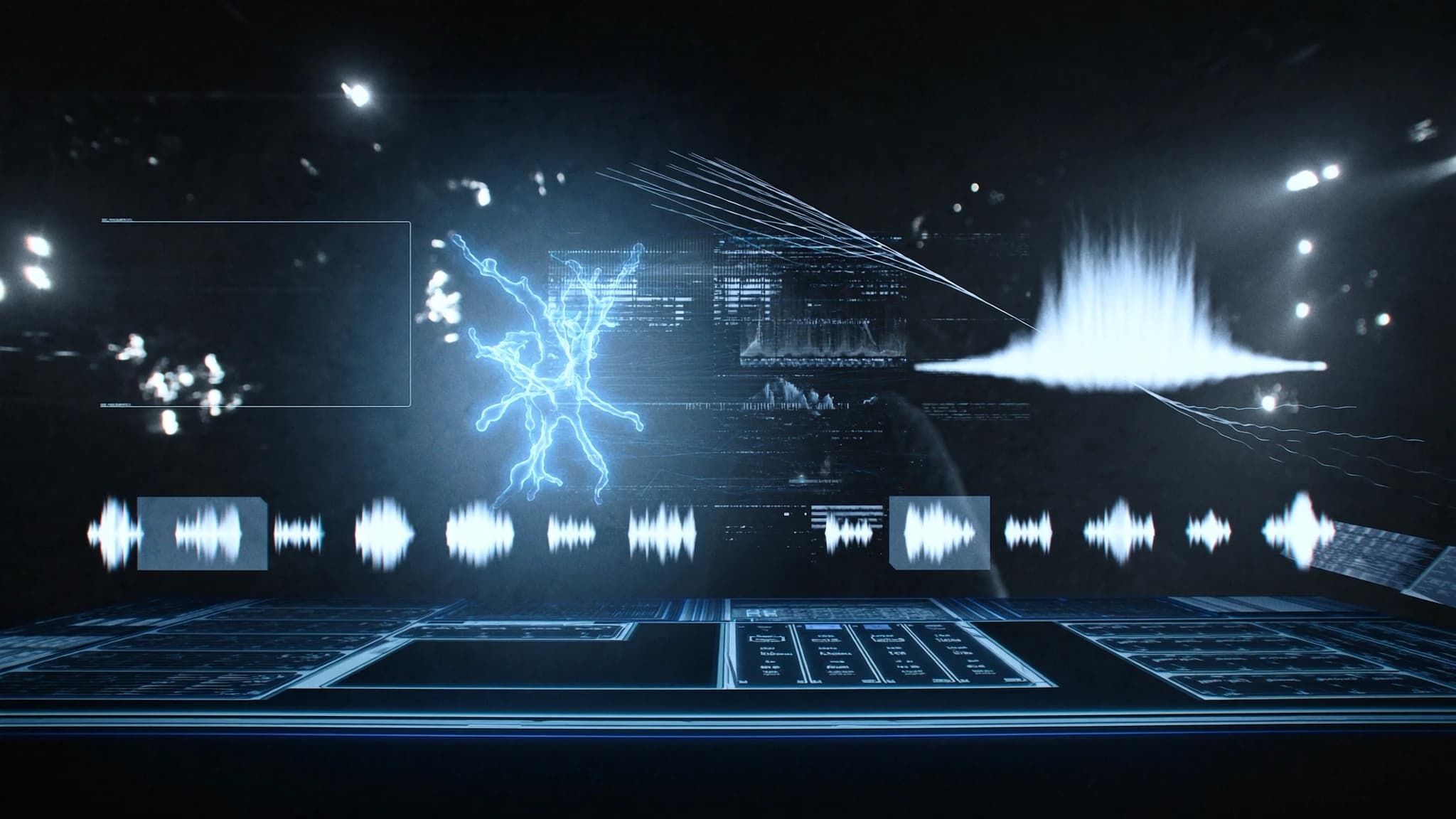
In Sprachumgebungen mit mehreren Mikrofonen, Konferenzen, Podiumsdiskussionen und Gottesdiensten kann die Audioklarheit schnell abnehmen, wenn mehrere offene Mikrofone Kammfiltereffekte, Rückkopplungen und die Ansammlung von Umgebungsgeräuschen verursachen. KI-Auto-Mixing löst dies, indem es Mikrofone in Echtzeit intelligent gateet, duckt und mischt, wodurch nur minimaler Bedienereingriff erforderlich ist und der natürliche Dialogfluss erhalten bleibt. SSOUNDS integriert fortschrittliche DSP- und Machine-Learning-Algorithmen in seine Lautsprechersysteme und digitalen Signalprozessoren, wodurch eine nahtlose, rückkopplungsfreie Sprachverstärkung auch bei schwieriger Akustik ermöglicht wird.
Wichtigste Punkte
- KI-Auto-Mixing nutzt intelligentes Gating und Ducking, um die Verständlichkeit zu erhalten und Rückkopplungen in Sprachumgebungen mit mehreren Mikrofonen zu reduzieren.
- Der DSP von SSOUNDS implementiert Gain-Sharing, NOM-Absenkung und adaptive Schwellenwerte für eine natürliche, nahtlose Mikrofonmischung.
- Schlüsselparameter, Attack, Release, Hold und maximale offene Mikrofone, müssen für Sprache abgestimmt werden, um Artefakte zu vermeiden.
- Im Gottesdienst verbessern zonenbasiertes Auto-Mixing und Ducking zwischen Sprache und Musik die Klarheit.
- Die Rückkopplungsunterdrückung wird durch die Fähigkeit der KI verbessert, Resonanzfrequenzen in Echtzeit vorherzusagen und zu notchen.
- Minimaler Bedienereingriff ist erforderlich, was es ideal für von Freiwilligen betriebene Veranstaltungsorte und schnelllebige Events macht.
Die Herausforderung der Sprachverstärkung mit mehreren Mikrofonen
Bei jeder Veranstaltung mit mehreren Live-Mikrofonen, sei es ein Konferenzpodium, ein Unternehmens-Townhall oder ein Gottesdienst mit mehreren Sprechern und Sängern, steht der Tontechniker vor einem grundlegenden Kompromiss. Alle Mikrofone gleichzeitig zu öffnen, erhöht die Aufnahme von Umgebungsgeräuschen, erzeugt Phasenauslöschungen (Kammfiltereffekte) zwischen benachbarten Mikrofonen und erhöht das Risiko von Rückkopplungen, insbesondere wenn das PA-System nahe an der Bühne steht. Traditionelles manuelles Mischen erfordert ständige Aufmerksamkeit, was oft entweder zu späten Fader-Bewegungen oder zu einem 'sicheren' Mix führt, der die Verständlichkeit opfert.
KI-Auto-Mixing begegnet diesen Problemen, indem es Mikrofone, die nicht aktiv Sprache aufnehmen, automatisch absenkt oder stummschaltet, während das aktive Mikrofon sanft angehoben wird. Dieser 'Gain-Sharing'-Ansatz hält die Gesamtverstärkung des Systems konstant, reduziert das Rückkopplungspotenzial und bewahrt einen natürlichen Klang. SSOUNDS-Prozessoren implementieren dies mit einer Latenz im Sub-Millisekunden-Bereich und adaptiven Schwellenwerten, die den Grundgeräuschpegel des Raums erlernen.
Wie KI-Gating und Ducking in SSOUNDS-Systemen funktionieren
KI-Gating geht über einfache Noise-Gates hinaus. Statt eines festen Schwellenwerts analysieren die Algorithmen von SSOUNDS kontinuierlich den spektralen Inhalt und den Pegel jedes Mikrofonkanals und unterscheiden Sprache von Rauschen (z. B. HVAC, raschelnde Papiere, entfernte Gespräche). Das Gate öffnet nur, wenn Sprache erkannt wird, und der Schwellenwert passt sich dynamisch an den Grundgeräuschpegel an. Dies verhindert Fehlauslösungen durch Husten oder Stuhlquietschen.
Ducking wird verwendet, um den Pegel eines Mikrofons automatisch abzusenken, wenn eine andere, wichtigere Quelle aktiv wird, zum Beispiel das Ducken des Mikrofons eines Podiumsteilnehmers, wenn der Moderator spricht, oder das Reduzieren von Hintergrundmusik während eines Gebets. Das Ducking von SSOUNDS ist frequenzbewusst, was bedeutet, dass es nur die Frequenzen absenken kann, die Sprache maskieren, wodurch Wärme und Präsenz erhalten bleiben. Das Ergebnis ist ein Mix, der klingt, als würde ein erfahrener Techniker Fader fahren, aber mit einer Konsistenz und Geschwindigkeit, die kein Mensch erreichen kann.
Schlüsselparameter zur Optimierung der Sprachverständlichkeit
Um die besten Ergebnisse mit KI-Auto-Mixing zu erzielen, müssen Techniker einige kritische Parameter einstellen: Attack- und Release-Zeiten, Hold-Zeit und die Absenkung der Anzahl offener Mikrofone (NOM). SSOUNDS empfiehlt Attack-Zeiten zwischen 5–15 ms für Sprache, um das Abschneiden des Wortbeginns zu vermeiden, und Release-Zeiten zwischen 200–500 ms, um zu verhindern, dass das Gate nachfolgende Silben abschneidet. Die Hold-Zeit sollte lang genug sein, um natürliche Sprechpausen abzudecken (300–800 ms).
Die NOM-Absenkung ist entscheidend: Je mehr Mikrofone geöffnet werden, desto stärker reduziert das System automatisch die Gesamtverstärkung um 3 dB pro Verdopplung der offenen Mikrofone (oder eine benutzerdefinierte Kurve). Dies hält die Gesamtverstärkung des Systems konstant und bekämpft direkt Rückkopplungen. Der DSP von SSOUNDS ermöglicht es Technikern, eine maximale Anzahl offener Mikrofone festzulegen (z. B. 3), um das Risiko weiter zu begrenzen. In Gottesdienstumgebungen mit mehreren Sängern und einem Pastor stellt dies sicher, dass das System auch dann stabil bleibt, wenn während einer Gemeindeantwort alle Mikrofone aktiv sind.
Praktische Einrichtung für Konferenzen und Gottesdienste
Gottesdienststätten haben oft hallige Akustik, die die Verständlichkeit erschwert. Das KI-Auto-Mixing von SSOUNDS enthält einen 'Nachhall-Reduktions'-Modus, der zwischen Wörtern eine subtile Abwärts-Expansion anwendet und den Ausklang des Raumhalls bereinigt. Dies kann in Kombination mit präzisem Gating die Klarheit dramatisch verbessern, ohne dass eine aufwändige akustische Behandlung erforderlich ist.
Rückkopplungsunterdrückung durch intelligentes Gain-Management
Rückkopplung ist der Erzfeind der Sprachverstärkung. KI-Auto-Mixing reduziert das Rückkopplungsrisiko direkt, indem es die Anzahl offener Mikrofone niedrig und die Gesamtverstärkung des Systems konstant hält. SSOUNDS geht noch weiter mit einem integrierten Rückkopplungsunterdrücker, der mit dem Auto-Mixer zusammenarbeitet. Der Unterdrücker identifiziert Resonanzfrequenzen, die zum Klingeln neigen, und wendet schmale Notch-Filter (bis hinunter zu 1/60 Oktave) nur dann an, wenn diese Frequenzen problematisch werden, wodurch die Klangqualität erhalten bleibt.
Darüber hinaus kann das Ducking des Auto-Mixers so konfiguriert werden, dass Mikrofone abgesenkt werden, die sich in der Nähe eines Lautsprechers befinden (z. B. eines Bühnenmonitors), wenn dieser Lautsprecher aktiv ist. Diese räumliche Wahrnehmung, kombiniert mit der Fähigkeit der KI, Rückkopplungen auf Basis historischer Daten vorherzusagen, macht SSOUNDS-Systeme außergewöhnlich stabil, selbst in Szenarien mit hoher Verstärkung vor Rückkopplung, wie wenn ein Pastor nahe an die Haupt-PA herantritt.
Minimaler Bedienereingriff: Die Rolle der KI in der modernen Beschallung
Einer der größten Vorteile des KI-Auto-Mixings ist die Reduzierung der kognitiven Belastung des Tontechnikers. Statt ständig Fader zu beobachten, kann sich der Techniker auf die Gesamtmischung, Klangformung und Reaktion auf unerwartete Ereignisse konzentrieren. Die Systeme von SSOUNDS ermöglichen es Bedienern, ein 'Vertrauensniveau' für die KI festzulegen, von konservativ (langsames, sicheres Gating) bis aggressiv (schnell, mehr offene Mikrofone). Im Laufe der Zeit lernt die KI die Vorlieben des Bedieners und die Akustik des Raums und passt ihre Parameter automatisch an.
Für Gotteshäuser oder Konferenzzentren, die auf Freiwillige angewiesen sind, ist dies transformativ. Ein Freiwilliger mit minimaler Schulung kann eine professionelle Sprachverstärkung erreichen, indem er einfach den Auto-Mixer einschaltet und einige Presets anpasst. SSOUNDS bietet vorkonfigurierte Profile für gängige Szenarien (Podium, Predigt, Q&A), die sofort abgerufen werden können und jedes Mal konsistente Ergebnisse gewährleisten.
Häufige Fragen
Was ist der Unterschied zwischen KI-Auto-Mixing und einem Standard-Noise-Gate?
Ein Standard-Noise-Gate öffnet oder schließt einfach auf Basis eines festen Pegelschwellenwerts, was Wörter abschneiden oder auf Rauschen öffnen kann. KI-Auto-Mixing nutzt maschinelles Lernen, um Sprache von Rauschen zu unterscheiden, passt Schwellenwerte dynamisch an und verwaltet mehrere Mikrofone gemeinsam, um die Gesamtverstärkung konstant zu halten, was zu einem viel natürlicheren Klang führt.
Kann KI-Auto-Mixing sowohl Sprache als auch Musik in derselben Veranstaltung verarbeiten?
Ja. SSOUNDS-Systeme ermöglichen separate Auto-Mixer-Instanzen für Sprach- und Musikzonen sowie Ducking zwischen ihnen. Zum Beispiel können während des Gottesdienstes Sprachmikrofone automatisch abgesenkt werden, wenn die Band spielt, und während gesprochener Teile wiederhergestellt werden. Die KI kann den Ablauf der Veranstaltung im Laufe der Zeit erlernen.
Wie viele Mikrofone kann der KI-Auto-Mixer von SSOUNDS gleichzeitig verarbeiten?
Der DSP von SSOUNDS unterstützt bis zu 64 Eingangskanäle mit unabhängigem Auto-Mixing, wobei die praktischen Grenzen vom Mixer- oder Prozessormodell abhängen. Für die meisten Konferenzen und Gottesdienste sind 8–16 Mikrofone pro Zone typisch, und mehrere Zonen können kaskadiert werden.
Funktioniert KI-Auto-Mixing in einem sehr halligen Raum?
Ja, und es kann tatsächlich helfen. SSOUNDS enthält einen Nachhall-Reduktionsmodus, der zwischen Sprachsegmenten eine Abwärts-Expansion anwendet, um den Raumausklang zu bereinigen. In Kombination mit präzisem Gating verbessert dies die Verständlichkeit auch bei schwieriger Akustik.
Benötige ich eine spezielle Schulung, um das KI-Auto-Mixing von SSOUNDS zu nutzen?
Nein. Das System wird mit Presets für gängige Szenarien (Podium, Predigt, Q&A) geliefert, die sofort gut funktionieren. Freiwillige können in Minuten darin geschult werden, Presets abzurufen und den Gesamtpegel anzupassen. Erweiterte Parameter stehen erfahrenen Technikern zur Verfügung, die eine Feinabstimmung wünschen.
System aufbauen oder aufrüsten?
SSOUNDS entwickelt und fertigt professionelle PA weltweit, vom einzelnen Raum bis zur Stadiongröße.