Wie KI im Live-Sound eingesetzt wird
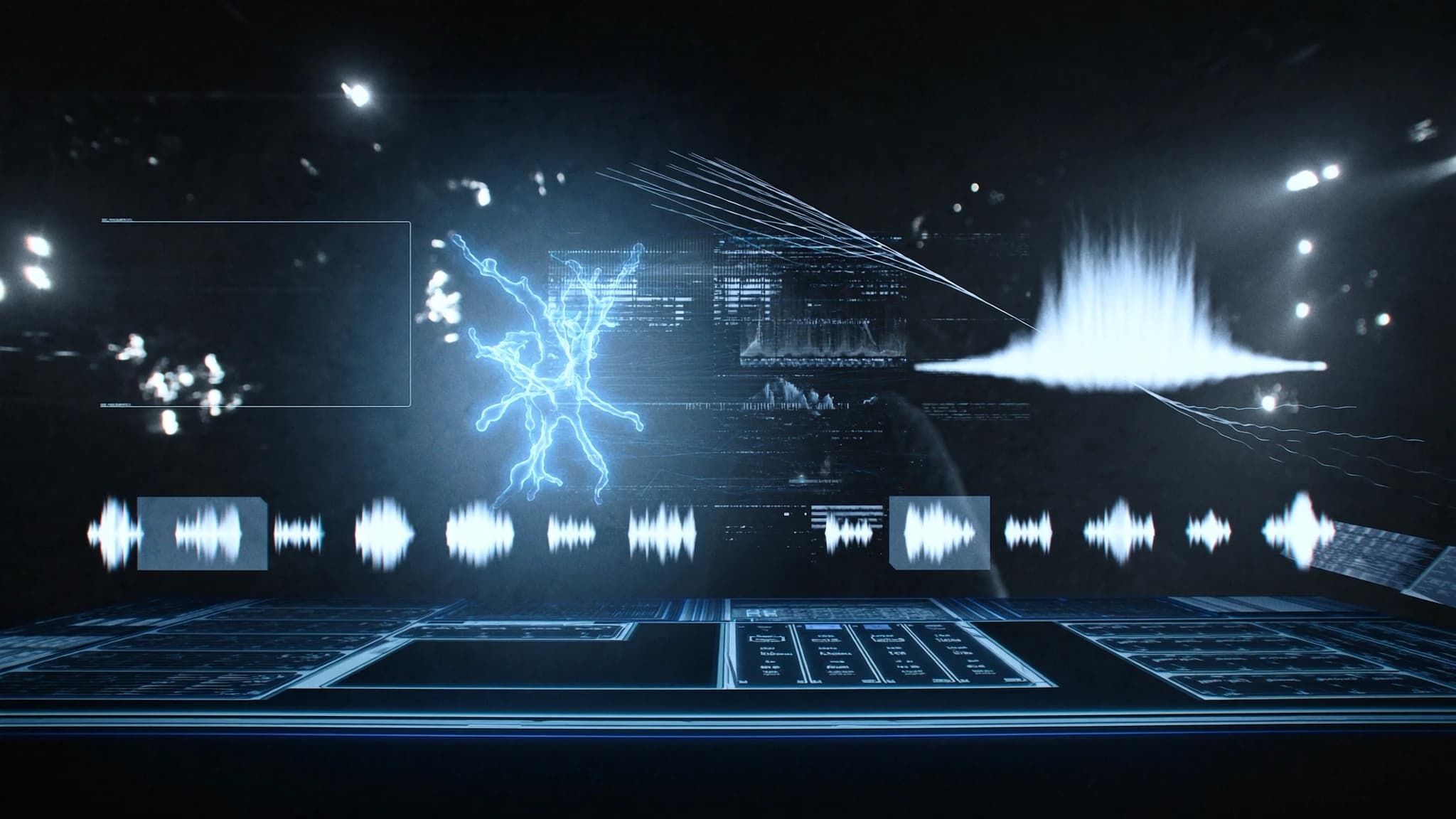
Künstliche Intelligenz verändert den Live-Sound leise, nicht indem sie Audio-Engineers ersetzt, sondern indem sie repetitive, rechenintensive Aufgaben mit Geschwindigkeit und Präzision übernimmt. Von automatischer Feedback-Unterdrückung bis hin zu KI-gesteuertem System-Tuning ermöglichen heutige intelligente Werkzeuge es Engineers, sich auf kreatives Mischen zu konzentrieren, während die Technologie die Drecksarbeit erledigt. SSOUNDS integriert KI-gestützte akustische Modellierung und DSP-Abstimmung in seine Premium-Lautsprechersysteme und liefert konsistente Abdeckung und Verständlichkeit in jedem Veranstaltungsort.
Wichtigste Punkte
- KI-Feedback-Unterdrückung passt sich in Echtzeit an und bewahrt die Mix-Qualität, während sie Heulen verhindert.
- Auto-Mixing-Algorithmen balancieren mehrere offene Mikrofone, reduzieren Rauschen und erhöhen die Headroom.
- KI-Rauschunterdrückung bereinigt Hintergrundrumpeln, ohne Transientendetails zu beeinträchtigen.
- System-Tuning mit KI-akustischer Modellierung verkürzt die Einrichtungszeit und verbessert die Abdeckungskonsistenz.
- Prädiktive Analysen helfen, Hardware-Ausfälle vorherzusehen, bevor sie eine Show stören.
- KI ist ein leistungsstarker Assistent, der Engineers freisetzt, sich auf kreative und künstlerische Entscheidungen zu konzentrieren.
Feedback-Unterdrückung: Intelligenter als ein Notch-Filter
Traditionelle Feedback-Eliminierung stützt sich auf statische Notch-Filter, die störende Frequenzen abschneiden, aber sie entfernen auch musikalischen Inhalt und können erneut klingeln, wenn sich das Mikrofon bewegt. KI-basierte Feedback-Unterdrücker analysieren kontinuierlich das Audiospektrum in Echtzeit und unterscheiden zwischen Feedback-Aufbau und gewünschtem Signal. Maschinelle Lernmodelle, die auf Tausenden von Feedback-Ereignissen trainiert wurden, können Resonanzfrequenzen vorhersagen und abschwächen, bevor sie hörbar werden, und so die tonale Balance des Mixes bewahren.
Moderne digitale Mischpulte und eigenständige Prozessoren enthalten jetzt adaptive Feedback-Algorithmen, die die akustische Signatur des Raums in den ersten Minuten einer Show erlernen. Diese Systeme passen Filtertiefe und Q dynamisch an und reduzieren die Notwendigkeit manueller Eingriffe. Für Engineers, die in unvorhersehbaren Räumen arbeiten, Konferenzsäle, Gotteshäuser oder Open-Air-Bühnen. KI-Feedback-Unterdrückung ist ein zuverlässiges Sicherheitsnetz.
Auto-Mixing: Balance mehrerer offener Mikrofone
Im Live-Theater, bei Podiumsdiskussionen oder Firmenveranstaltungen mit Dutzenden von Lavalier-Mikrofonen ist manuelles Gain-Riding unpraktisch. Auto-Mixer verwenden KI, um zu erkennen, wer spricht, und passen die Gain-Sharing automatisch an, wodurch Hintergrundgeräusche und Kammfiltereffekte reduziert werden. Die fortschrittlichsten Systeme setzen neuronale Netzwerke ein, um Sprache von Applaus, Husten oder Bühnenbewegungen zu unterscheiden, und stellen sicher, dass nur das Mikrofon des aktiven Sprechers offen ist.
Diese Algorithmen verwalten auch den Gain vor Feedback, indem sie ungenutzte Mikrofone auf einem niedrigeren Pegel halten, erhöht sich die Gesamtsystem-Headroom. Engineers können eine Zielanzahl offener Mikrofone festlegen und die KI den Rest erledigen lassen, was ihnen ermöglicht, sich auf Ton, Effekte und das gesamte Klangerlebnis zu konzentrieren. Die Systemprozessoren von SSOUNDS sind so konzipiert, dass sie nahtlos mit solchen Auto-Mixing-Pulten integriert werden und erstklassiges Audio vom Eingang bis zum Ausgang liefern.
Rauschunterdrückung: Bereinigung der Signal-Kette
Hintergrundgeräusche. HVAC-Rumpeln, Wind, Bühnenmaschinen, können einen Live-Mix beeinträchtigen. KI-gesteuerte Rauschunterdrückungs-Plugins und Hardware-Einheiten erlernen das Rauschprofil während stiller Momente und subtrahieren es in Echtzeit, ohne das gewünschte Signal zu beeinträchtigen. Anders als traditionelle Gates, die Ausläufer abschneiden, bewahren KI-Modelle Transientendetails und natürlichen Ausklang.
Einige Systeme verwenden spektrale Subtraktion kombiniert mit rekurrenten neuronalen Netzwerken, die sich an wechselnde Geräuschumgebungen anpassen. Für Open-Air-Festivals, wo Wind- und Publikumsgeräusche variieren, bewahrt diese Technologie die Klarheit im Front-of-House- und Monitor-Mix. Die DSP-Plattform von SSOUNDS unterstützt externe Rauschunterdrückungsprozessoren über ihre flexiblen I/O und stellt sicher, dass sauberes Audio das Line-Array erreicht.
System-Tuning: KI-gestützte akustische Modellierung
Eine der leistungsstärksten Anwendungen von KI im Live-Sound ist das System-Tuning und die Vorhersage. Anstatt sich ausschließlich auf manuelle Messung und Vermutungen zu verlassen, können KI-Algorithmen Tausende von Lautsprecherkonfigurationen in Sekunden simulieren und Abdeckung, SPL-Verteilung und Phasenkohärenz über den Publikumsbereich vorhersagen. SSOUNDS verwendet maschinell abgestimmte DSP-Presets, die FIR-Filter und Crossover-Punkte für jede spezifische Veranstaltungsort-Geometrie optimieren.
Während des Aufbaus kann ein Engineer einige räumliche Messungen mit einem kalibrierten Mikrofon durchführen, und die KI schlägt EQ-Anpassungen, Delay-Zeiten und Array-Winkel vor, um eine gleichmäßige Abdeckung zu erreichen. Dies reduziert die Tuning-Zeit von Stunden auf Minuten und minimiert das Risiko von Totzonen oder übermäßiger Überlappung. Das Ergebnis ist ein System, das von der ersten Reihe bis zur letzten konsistent klingt, mit Verständlichkeit, die höchsten Standards entspricht.
Prädiktive Modellierung: Probleme antizipieren, bevor sie auftreten
KI ist hervorragend in der Mustererkennung, und Live-Sound-Systeme erzeugen riesige Datenmengen, Verstärkertemperaturen, Leistungsaufnahme, Signalpegel und mehr. Prädiktive Modelle können diese Daten analysieren, um Komponentenausfälle, thermische Abschaltung oder akustische Anomalien vorherzusagen. Wenn beispielsweise die Impedanz eines Subwoofers zu driften beginnt, kann die KI den Engineer alarmieren, ihn während der Pause auszutauschen, anstatt während des Höhepunkts eines Sets.
Das Engineering-Team von SSOUNDS verwendet KI während der Designphase, um langfristige Zuverlässigkeit und Leistung unter Belastung zu simulieren. Diese Daten informieren die robuste Konstruktion unserer Gehäuse und Verstärker und stellen sicher, dass sie den Strapazen des Tourens standhalten. Am Showtag helfen prädiktive Analysen dem Team, Probleme frühzeitig zu erkennen und die Betriebszeit und Audioqualität aufrechtzuerhalten.
Die Rolle des Engineers: KI als Werkzeug, nicht als Ersatz
Trotz dieser Fortschritte bleibt KI im Live-Sound ein Assistent, kein Ersatz. Das menschliche Ohr, geschult, erfahren und kontextbewusst, ist unersetzlich für kreative Entscheidungen wie Mikrofonauswahl, tonale Formung und künstlerische Balance. KI übernimmt die repetitiven, datenintensiven Aufgaben: Scannen nach Feedback, Optimieren der Gain-Struktur und Ausrichten von Arrays. Der Engineer interpretiert die Ergebnisse, trifft Urteilsentscheidungen und stellt sicher, dass sich die Show lebendig anfühlt.
SSOUNDS glaubt daran, Engineers mit intelligenten Werkzeugen zu stärken, die die kognitive Belastung reduzieren. Unsere KI-gestützte akustische Modellierung und DSP-Presets sind so konzipiert, dass sie transparent sind, sie arbeiten im Hintergrund und lassen den Engineer sich auf die Musik und das Publikum konzentrieren. Der beste Live-Sound entsteht aus einer Partnerschaft zwischen menschlicher Intuition und maschineller Präzision.
Häufige Fragen
Wird KI Live-Sound-Engineers ersetzen?
Nein. KI übernimmt repetitive, datenintensive Aufgaben wie Feedback-Unterdrückung und System-Tuning, aber kreative Entscheidungen, Mikrofonauswahl, tonale Balance, künstlerischer Mix, erfordern weiterhin menschliche Expertise und Intuition.
Wie verbessert KI die Feedback-Unterdrückung im Vergleich zu traditionellen Notch-Filtern?
KI-Algorithmen sagen Feedback vorher, bevor es hörbar wird, und wenden adaptive Filter an, die mehr des ursprünglichen Audiospektrums bewahren, anders als statische Notch-Filter, die musikalischen Inhalt entfernen.
Kann KI beim System-Tuning in einem neuen Veranstaltungsort helfen?
Ja. KI-gestützte akustische Modellierung nutzt einige wenige räumliche Messungen, um EQ, Delay und Array-Winkel vorzuschlagen, und erreicht gleichmäßige Abdeckung in Minuten statt Stunden.
Verwendet SSOUNDS KI in seinen Produkten?
Ja. SSOUNDS integriert KI-gestützte akustische Modellierung und maschinell abgestimmte DSP-Presets in seine Lautsprechersysteme für optimierte Abdeckung und Leistung.
Ist KI-Rauschunterdrückung effektiv für Live-Open-Air-Veranstaltungen?
Ja. KI-Modelle, die sich an wechselnde Geräuschumgebungen (Wind, Publikum) anpassen, können den Mix bereinigen, ohne das gewünschte Signal zu beeinträchtigen, was sie ideal für Open-Air-Festivals macht.
System aufbauen oder aufrüsten?
SSOUNDS entwickelt und fertigt professionelle PA weltweit, vom einzelnen Raum bis zur Stadiongröße.