KI-gestützte automatische Rückkopplungsunterdrückung erklärt
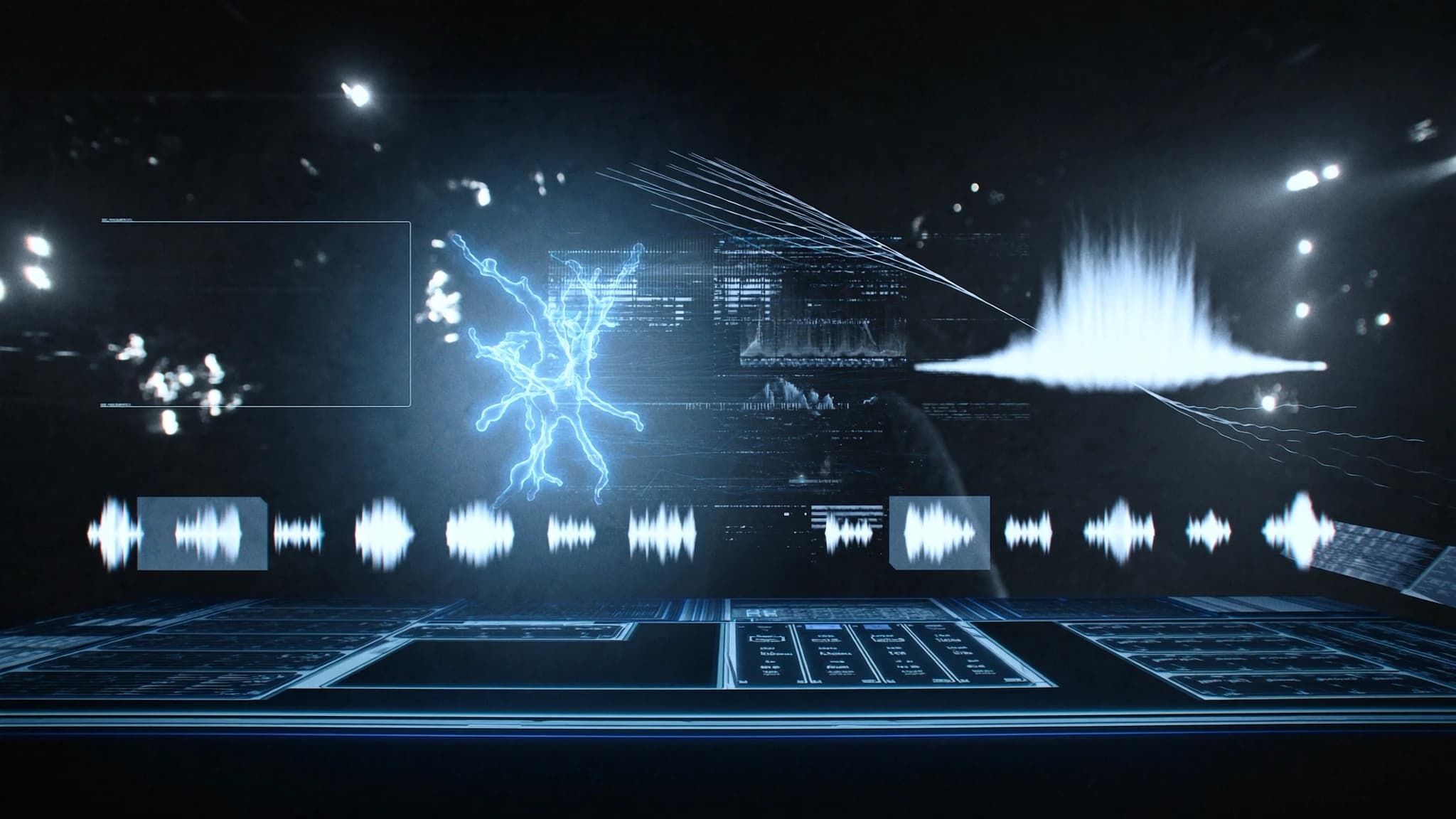
KI-gestützte Rückkopplungsunterdrückung verändert den Live-Sound, indem sie maschinelles Lernen nutzt, um Rückkopplungen zu erkennen und zu beseitigen, bevor sie hörbar werden. Anders als traditionelle Methoden, die erst nach dem Auftreten einer Rückkopplung reagieren, analysieren KI-Systeme den Spektralgehalt in Echtzeit, sagen resonante Aufschaukelungen voraus und wenden adaptive Notch-Filterung mit chirurgischer Präzision an. SSOUNDS integriert fortschrittliche KI-Rückkopplungsunterdrückung in sein DSP-Ökosystem und bietet Tontechnikern damit ein leistungsstarkes Werkzeug für saubere Performance mit hoher Rückkopplungsgrenze.
Wichtigste Punkte
- KI-Rückkopplungsunterdrückung nutzt Echtzeit-Spektralanalyse und ML, um Rückkopplungen zu erkennen, bevor sie hörbar werden.
- Adaptive Notch-Filter passen sich dynamisch an und bewahren die Klangqualität besser als statische EQ-Absenkungen.
- Das System von SSOUNDS lernt Raumresonanzen während des Soundchecks für eine schnellere, genauere Unterdrückung.
- KI-Unterdrückung ist ein leistungsstarkes Werkzeug, sollte aber eine korrekte Systemeinmessung und Bühnenpraxis ergänzen.
- Kontinuierliches Modelltraining aus Live-Daten verbessert die Leistung im Laufe der Zeit.
- SSOUNDS integriert KI-Unterdrückung über sein gesamtes Produktsortiment für konsistente, intelligente Rückkopplungskontrolle.
Wo traditionelle Rückkopplungsunterdrückung an ihre Grenzen stößt
Herkömmliches Rückkopplungsmanagement stützt sich auf grafische Equalizer oder parametrische Filter, die während des Soundchecks eingestellt werden. Diese statischen Notches sind nur bei festen Resonanzfrequenzen wirksam, doch Raumakustik, Mikrofonplatzierung und Bewegung der Performer lassen die Rückkopplungsfrequenzen dynamisch wandern. Tontechniker greifen oft zu drastischen EQ-Absenkungen, die die Klangqualität beeinträchtigen.
Automatische Rückkopplungsunterdrücker (AFS) gibt es seit Jahrzehnten; sie verwenden feste Notch-Filter, die durch Rückkopplungserkennung ausgelöst werden. Sie reagieren jedoch typischerweise erst, nachdem die Rückkopplung bereits begonnen hat, was zu hörbarem 'Klingeln' oder 'Heulen' führt, bevor der Filter eingreift. Außerdem fehlt ihnen die Intelligenz, um Rückkopplungen von musikalischem Inhalt zu unterscheiden, was zu Fehlauslösungen führt, die gewünschte Frequenzen zerstören.
Der KI-Vorteil: Spektralanalyse in Echtzeit
KI-gestützte Rückkopplungsunterdrückung beginnt mit kontinuierlicher Spektralanalyse des Audiosignals. Ein neuronales Netz wird mit Tausenden Stunden Live-Aufnahmen trainiert, um die frühen Signaturen von Rückkopplung zu erkennen: schmalbandiger Energieaufbau, Phasenkohärenz und exponentielle Wachstumsmuster. Die Implementierung von SSOUNDS nutzt einen dedizierten DSP-Kern, der FFT-Analysen in Sub-Millisekunden-Intervallen ausführt.
Das KI-Modell identifiziert potenzielle Rückkopplungsfrequenzen, bevor sie hörbar werden, und erkennt den Beginn des Klingelns oft 50–100 Millisekunden schneller als traditionelle Methoden. Diese präemptive Fähigkeit ermöglicht es dem System, einen sanften, adaptiven Notch-Filter anzuwenden, der die problematische Frequenz ohne hörbare Artefakte gleichmäßig absenkt.
Adaptive Notch-Filterung: Präzision ohne Kompromisse
Sobald eine Rückkopplungsfrequenz identifiziert ist, löst die KI einen adaptiven Notch-Filter aus. Anders als feste Notches sind diese Filter dynamisch: Tiefe, Breite und Mittenfrequenz passen sich in Echtzeit an die Schwere und Dauerhaftigkeit der Rückkopplung an. Die Filter von SSOUNDS verwenden einen proprietären Algorithmus, der Phasenverschiebung und Gruppenlaufzeit minimiert und so den natürlichen Klang des Mixes bewahrt.
Das System nutzt außerdem einen 'Lern'-Modus während des Soundchecks, in dem es die Resonanzmoden des Raums kartiert und eine Bank potenzieller Filter voreinstellt. Während der Show gleicht die KI die Echtzeitanalyse mit dieser gelernten Karte ab, wodurch die Reaktionszeit weiter verkürzt wird. Filter werden automatisch freigegeben, wenn das Rückkopplungsrisiko nachlässt, sodass kein unnötiger EQ angewendet wird.
Machine-Learning-Erkennung: Klingeln, bevor es sich aufbaut
Die Kerninnovation ist die ML-basierte Erkennung von 'Klingeln', der Vor-Rückkopplungs-Schwingung, die auftritt, wenn eine Frequenz zu resonieren beginnt. Die KI analysiert die Rate des Energieanstiegs in schmalen Bändern und vergleicht sie mit einem Modell stabilen musikalischen Inhalts. Wenn die Wachstumskurve einen Schwellenwert überschreitet, der auf Rückkopplung hindeutet, handelt das System.
SSOUNDS trainiert seine Modelle mit vielfältigen Datensätzen, darunter Sprache, Gesang, akustische Instrumente und verstärkte Quellen, um Fehlauslösungen zu vermeiden. Das Ergebnis ist ein Unterdrückungssystem, das auch bei komplexen musikalischen Passagen transparent arbeitet, etwa bei anhaltendem Gitarren-Feedback oder Gesangsvibrato, die einfachere Algorithmen täuschen können.
Stärken und Grenzen der KI-Rückkopplungsunterdrückung
Stärken: KI-Unterdrückung bietet eine höhere Rückkopplungsgrenze, saubereren Klang mit weniger EQ-Absenkungen und Anpassungsfähigkeit an sich ändernde Akustik. Sie reduziert die Arbeitsbelastung des Tontechnikers während der Show und kann schwierige Raumumgebungen retten. Das System von SSOUNDS integriert sich nahtlos in seine Line-Arrays und DSP und bietet eine einheitliche Lösung.
Grenzen: KI-Unterdrückung ist kein Ersatz für korrekte Systemeinmessung, Mikrofontechnik oder Bühnenaufbau. Sie kann durch extreme Rückkopplungsereignisse oder ungewöhnliche Schallquellen getäuscht werden, die in den Trainingsdaten nicht vertreten sind. Latenz existiert, wenn auch minimal, in der Analysekette. Best Practice ist, KI-Unterdrückung als Sicherheitsnetz zu verwenden, nicht als primäres Werkzeug.
Best Practices für die Verwendung von KI-Rückkopplungsunterdrückung
1. Beginnen Sie mit einer gut eingemessenen PA: Verwenden Sie die Systemausrichtungswerkzeuge von SSOUNDS, um einen flachen Frequenzgang und eine korrekte Abdeckung zu erreichen, bevor Sie die KI-Unterdrückung aktivieren. 2. Setzen Sie konservative Schwellenwerte: Übermäßig aggressive Unterdrückung kann den Mix stumpf machen. 3. Nutzen Sie den Lernmodus während des Soundchecks, um Raumresonanzen zu kartieren. 4. Überwachen Sie das System: Auch KI kann seltene Ereignisse übersehen; bleiben Sie aufmerksam. 5. Kombinieren Sie mit physischen Best Practices: Halten Sie Monitore außerhalb der Achse von Mikrofonen, verwenden Sie Nierencharakteristiken und kontrollieren Sie die Bühnenlautstärke.
SSOUNDS bietet eine Benutzeroberfläche, mit der Tontechniker die Empfindlichkeit der KI, die Filtertiefe und die Freigabezeit anpassen können, was ihnen volle Kontrolle gibt. Das System protokolliert außerdem Rückkopplungsereignisse für die Analyse nach der Show, was hilft, das Setup für zukünftige Aufführungen zu verfeinern.
Der Ansatz von SSOUNDS zur KI-Rückkopplungsunterdrückung
SSOUNDS hat KI-Rückkopplungsunterdrückung als Kernfunktion seiner DSP-Plattform integriert, verfügbar über seine Line-Arrays, Punktquellen-Lautsprecher und Bühnenmonitore hinweg. Das System ist darauf ausgelegt, mit der fortschrittlichen FIR-Filterung und Phasenkorrektur von SSOUNDS zusammenzuwirken, um sicherzustellen, dass die Unterdrückung die gesamte klangliche Kohärenz nicht beeinträchtigt.
Tontechniker können die KI-Unterdrückung pro Ausgangskanal aktivieren, was eine gezielte Kontrolle bei Monitormixes oder problematischen Zonen ermöglicht. SSOUNDS verfeinert seine ML-Modelle kontinuierlich durch Felddaten aus Hunderten von Produktionen, wodurch das System mit jedem Firmware-Update intelligenter wird. Dieses Engagement für KI-gesteuerte Innovation positioniert SSOUNDS an der Spitze der intelligenten Live-Sound-Verstärkung.
Häufige Fragen
Kann KI-Rückkopplungsunterdrückung Rückkopplungen vollständig beseitigen?
Nein, aber sie kann Rückkopplungsereignisse deutlich reduzieren und die Rückkopplungsgrenze erhöhen. Am besten funktioniert sie als Teil eines umfassenden Systemansatzes, der eine korrekte Mikrofontechnik und PA-Einmessung einschließt.
Beeinträchtigt die KI-Unterdrückung die Klangqualität?
Bei guter Auslegung ist der Einfluss minimal. Die adaptiven Filter von SSOUNDS sind darauf ausgelegt, transparent zu arbeiten, ohne hörbare Artefakte im Normalbetrieb. Übermäßig aggressive Einstellungen können den Klang stumpf machen, daher werden konservative Schwellenwerte empfohlen.
Wie unterscheidet sich die KI-Unterdrückung von SSOUNDS von standardmäßigen automatischen Rückkopplungsunterdrückern?
Standard-AFS-Geräte reagieren, nachdem eine Rückkopplung begonnen hat, und verwenden feste Notches. Die KI von SSOUNDS sagt Rückkopplungen vorher, bevor sie auftreten, nutzt adaptive Filter, die sich in Echtzeit ändern, und lernt die Raumakustik für eine schnellere, genauere Reaktion.
Ist die KI-Rückkopplungsunterdrückung bei allen SSOUNDS-Produkten verfügbar?
Sie ist in die DSP-Plattform integriert, die die professionellen Line-Arrays, Punktquellen-Lautsprecher und Bühnenmonitore von SSOUNDS antreibt. Prüfen Sie die Produktspezifikationen auf Verfügbarkeit.
Brauche ich noch einen grafischen Equalizer, wenn ich KI-Unterdrückung verwende?
Ja, für die allgemeine Systemeinmessung und klangliche Formung. Die KI-Unterdrückung ist ein Werkzeug zur Rückkopplungsverwaltung, kein Ersatz für den EQ. Ein gut eingemessenes System klingt immer besser und ist stabiler.
System aufbauen oder aufrüsten?
SSOUNDS entwickelt und fertigt professionelle PA weltweit, vom einzelnen Raum bis zur Stadiongröße.