Gegengewichte und Ballast für Event-Strukturen
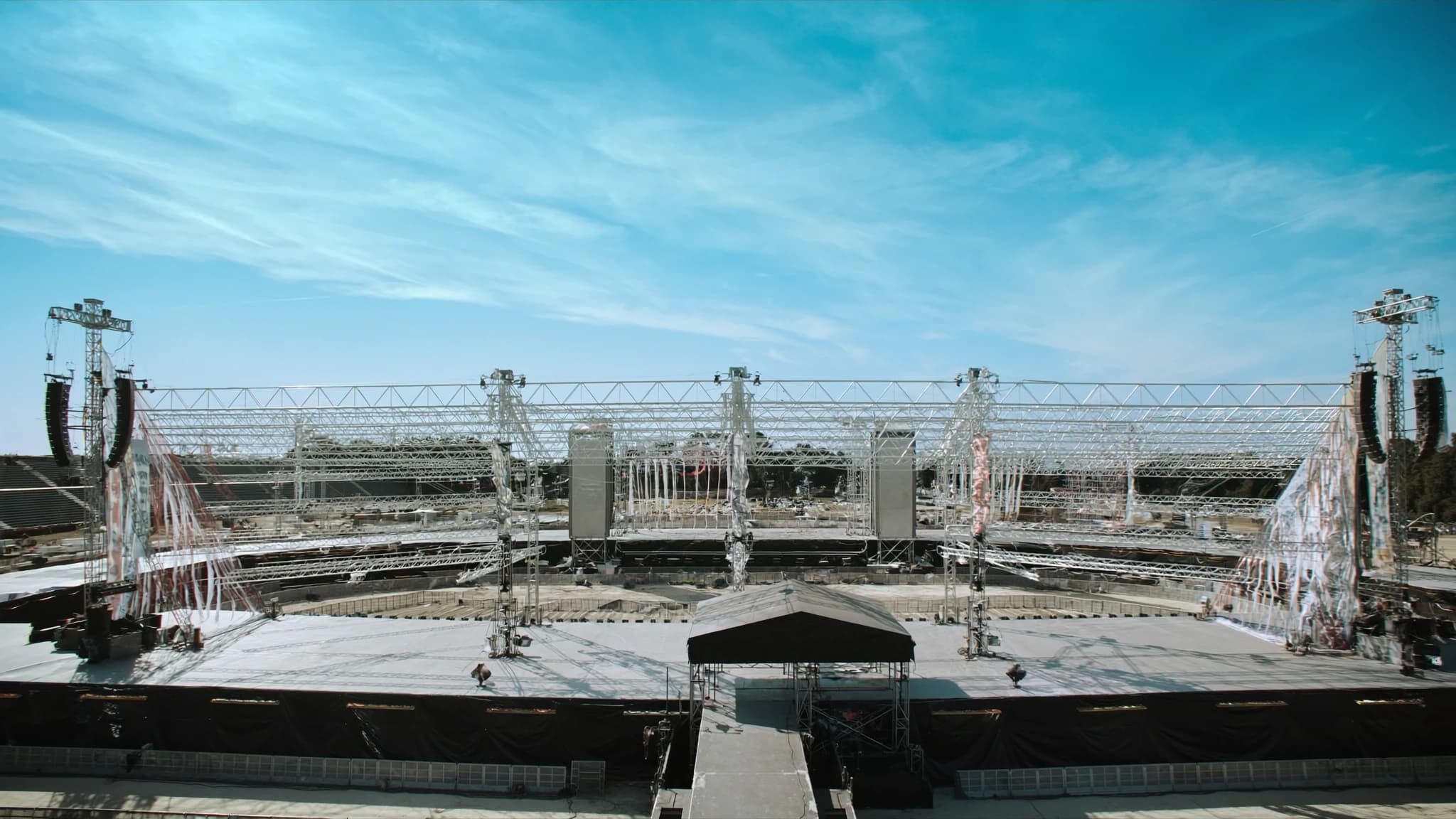
Gegengewichte und Ballast sind die unbesungenen Helden sicherer Event-Strukturen. Sie widerstehen Windlasten, verhindern das Umkippen und halten Bühnen, Türme und Außeninstallationen stabil. Dieser Leitfaden behandelt die drei wichtigsten Ballastarten (Wasser, Beton, Stahl), wann welche einzusetzen ist, die Technik hinter Windlastberechnungen und sichere Praktiken für Verankerung versus Ballastierung.
Wichtigste Punkte
- Ballast widersteht dem Umkippen, indem er Masse hinzufügt, um das stabilisierende Moment gegen Windlasten zu erhöhen.
- Wasserballast ist tragbar und günstig, aber weniger stabil; Betonblöcke bieten hohe Masse pro Stellfläche; Stahlgewichte sind kompakt und präzise.
- Verankerung ist für weichen Boden; Ballastierung ist für harte Oberflächen oder wo Bodendurchdringung verboten ist.
- Verwenden Sie immer zertifizierte statische Berechnungen, raten Sie niemals bei den Ballastanforderungen.
- Platzieren Sie Ballast tief und auf der windzugewandten Seite, um seinen Hebelarm zu maximieren; sichern Sie ihn gegen Verrutschen.
- Überprüfen Sie Ballast regelmäßig und dokumentieren Sie Platzierungen für Sicherheit und Compliance.
Warum Ballast wichtig ist: Umkippen und Windlast
Jede Außenstruktur, vom PA-Turm bis zum Bühnendach, ist windanfällig. Das Hauptrisiko ist das Umkippen: Wenn der Winddruck auf die Oberflächen der Struktur ein Moment (Drehmoment) erzeugt, das das stabilisierende Moment aus dem Gewicht der Struktur und dem Ballast übersteigt. Ballast fügt Masse hinzu, um das stabilisierende Moment zu erhöhen und ein Kippen der Struktur zu verhindern.
Die Windlast wird mit der Formel F = 0,5 × ρ × v² × Cd × A berechnet, wobei ρ die Luftdichte, v die Windgeschwindigkeit, Cd der Luftwiderstandsbeiwert und A die projizierte Fläche ist. Für Event-Strukturen liegen die Auslegungswindgeschwindigkeiten je nach lokalen Vorschriften und Veranstaltungsdauer typischerweise zwischen 20–40 m/s (45–90 mph). Die resultierende Kraft wird dann mit dem Hebelarm (Höhe des Druckmittelpunkts der Struktur) multipliziert, um das Kippmoment zu erhalten.
Der von Normen wie BS EN 13814 oder IBC geforderte Sicherheitsfaktor liegt üblicherweise bei 1,5–2,0. Das bedeutet, dass das stabilisierende Moment (aus Strukturgewicht plus Ballast) mindestens das 1,5-Fache des Kippmoments betragen muss. Ballast ist die praktischste Möglichkeit, diese Marge hinzuzufügen, insbesondere bei temporären Strukturen, bei denen dauerhafte Fundamente nicht realisierbar sind.
Wasserballast: Leicht und tragbar
Wasserballast ist bei temporären Außenveranstaltungen beliebt, weil er leer leicht zu transportieren und vor Ort einfach zu befüllen ist. Typische Wasserballastbehälter sind robuste Kunststofftanks oder Blasen, die 500–1000 Liter (etwa 500–1000 kg) fassen. Sie werden häufig für Bühnenbeine, Lichttürme und PA-Subwoofer-Stacks verwendet.
Vorteile: Geringe Transportkosten (leer), kein schweres Heben und einfaches Ablassen nach der Veranstaltung. Wasser ist zudem kostenlos und weit verbreitet. Wasserballast hat jedoch Nachteile: Er kann in kalten Klimazonen gefrieren (Ausdehnung und Beschädigung der Behälter), ist anfällig für Leckagen und bietet weniger Masse pro Stellfläche im Vergleich zu Beton oder Stahl. Außerdem kann schwappendes Wasser dynamische Kräfte erzeugen, die die effektive Stabilität verringern. Wasserballast eignet sich daher am besten für niedrige bis mäßige Windbedingungen und Strukturen mit breiten Basen.
Wann verwenden: Kurzzeitveranstaltungen (1–3 Tage), Standorte mit begrenztem Zugang für schwere Ausrüstung und Anwendungen, bei denen Gewicht schnell entfernt werden muss. Bei Windgeschwindigkeiten über 25 m/s (56 mph) sollten Sie eine Ergänzung mit Beton oder Stahl in Betracht ziehen.
Betonblöcke: Dicht und stabil
Betonblöcke (oft als 'Kentledge' bezeichnet) sind das Arbeitspferd der Event-Ballastierung. Sie sind in Standardgrößen erhältlich (z. B. 1 m x 1 m x 1 m mit einem Gewicht von etwa 2,3 Tonnen) und werden auf Grundplatten oder direkt auf Strukturfüßen gestapelt. Beton ist dicht (2,3–2,5 g/cm³), nicht porös wenn versiegelt und schwappt oder gefriert nicht.
Vorteile: Hohe Masse pro Stellfläche, ausgezeichnete Stabilität und vorhersehbare Leistung. Betonblöcke können mit Gurten oder Bolzen gegen Verrutschen gesichert werden. Sie sind für viele Veranstaltungen wiederverwendbar. Nachteile: Schwer zu transportieren (erfordert einen Sattelzug und Gabelstapler) und können weichen Boden beschädigen (Lastverteilungsplatten verwenden). Außerdem sind sie nach dem Platzieren dauerhaft, Sie können sie nicht einfach mitten in der Veranstaltung entfernen.
Wann verwenden: Mehrtägige Festivals, windreiche Gebiete und Strukturen mit hohen Kippmomenten (z. B. große PA-Türme, Dachträger). Beton ist der Standard für professionelle Außenbühnen und Delay-Türme.
Stahlgewichte: Kompakt und präzise
Stahlballast (z. B. Gusseisenblöcke oder Stahlplatten) bietet die höchste Dichte (7,8 g/cm³), etwa das Dreifache von Beton. Das bedeutet, dass Sie dasselbe stabilisierende Moment mit einer viel kleineren Stellfläche erreichen können. Stahl wird oft in modularen Ballastsystemen verwendet, die direkt an Strukturbasen verschraubt werden.
Vorteile: Extrem kompakt, präzises Gewicht (keine Schwankungen wie bei nassem Beton) und einfach mit Bolzen oder Stiften zu sichern. Stahl ist zudem nicht saugfähig und langlebig. Nachteile: Hohe Kosten, Diebstahlrisiko (Schrottwert) und erfordert sorgfältige Handhabung zur Vermeidung von Verletzungen. Stahl kann zudem rosten, wenn er nicht beschichtet ist.
Wann verwenden: Anwendungen mit begrenztem Platz (z. B. auf Bühnen mit engen Seitenflügeln), für punktuelle Hochlast-Ballastierung und für dauerhafte oder halbdauerhafte Installationen, bei denen Präzision entscheidend ist. Wird auch bei windempfindlichen Strukturen wie Videowänden eingesetzt.
Verankerung vs. Ballastierung: Wann was verwenden
Bei der Verankerung werden Pfähle, Erdschrauben oder Erdanker in den Boden getrieben, um Auftrieb und Umkippen zu widerstehen. Dies ist üblich für Zelte, Festzelte und kleine Bühnen auf weichem Boden. Anker übertragen die Last auf den Boden, was bei guten Bodenverhältnissen (z. B. verdichteter Lehm oder Kies) sehr effektiv sein kann. Verankerung ist jedoch nicht immer möglich, auf Asphalt, Beton oder felsigem Untergrund können Sie keine Anker einschlagen.
Die Ballastierung stützt sich ausschließlich auf Masse, um dem Umkippen zu widerstehen. Sie ist die Methode der Wahl auf harten Oberflächen (Parkplätze, Pflaster) oder wo Bodendurchdringung verboten ist (z. B. historische Stätten). Die Ballastierung ist zudem berechenbarer, da sie nicht von der Bodenfestigkeit abhängt, die stark variieren kann. Der Nachteil ist, dass Ballast erhebliches Gewicht hinzufügt, das transportiert und platziert werden muss.
Sichere Praxis: Für temporäre Strukturen auf weichem Boden wird oft eine Kombination aus Verankerung und Ballastierung verwendet. Anker widerstehen dem Auftrieb, während Ballast den Kippwiderstand erhöht. Konsultieren Sie immer einen Statiker, um den erforderlichen Ballast basierend auf Windlastberechnungen für Ihre spezifische Struktur und Ihren Standort zu bestimmen.
Sichere Praxis: Berechnung und Platzierung von Ballast
Die goldene Regel: Raten Sie niemals bei den Ballastanforderungen. Verwenden Sie eine zertifizierte statische Berechnung, die die Geometrie der Struktur, die Windexpositionskategorie und die lokale Windgeschwindigkeit berücksichtigt. Die Berechnung liefert Ihnen das erforderliche stabilisierende Moment, das Sie dann in Ballastmasse und -platzierung umrechnen.
Die Platzierung ist wichtig: Ballast muss so tief wie möglich und so weit wie möglich vom Drehpunkt (normalerweise die windzugewandte Kante) entfernt platziert werden, um seinen Hebelarm zu maximieren. Bei einem Turm mit vier Beinen wird der Ballast typischerweise an den windzugewandten Beinen platziert. Sichern Sie den Ballast immer gegen Verrutschen, verwenden Sie Gurte, Ketten oder ineinandergreifende Systeme. Stapeln Sie Ballast niemals höher als die Nennkapazität der Grundplatte.
Überprüfen Sie den Ballast während der Veranstaltung regelmäßig, insbesondere nach Windböen. Wasserballaststände sollten auf Leckagen überprüft werden. Bei Betonblöcken stellen Sie sicher, dass sie nicht gerissen oder verrutscht sind. Dokumentieren Sie alle Ballastplatzierungen mit Fotos für Versicherung und Compliance. Und befolgen Sie immer die Herstellerrichtlinien für Ihre spezifische Struktur. SSOUNDS bietet detaillierte Ballastempfehlungen für seine PA-Türme und Subwoofer-Arrays.
Häufige Fehler und wie man sie vermeidet
Ein häufiger Fehler ist die Unterschätzung von Windlasten, indem eine Auslegungswindgeschwindigkeit von 20 m/s verwendet wird, wenn der Standort regelmäßig Böen von 30 m/s aufweist. Verwenden Sie immer die höchste glaubwürdige Windgeschwindigkeit für die Veranstaltungsdauer. Ein weiterer Fehler ist die falsche Platzierung von Ballast: das gesamte Gewicht auf die windabgewandte Seite zu legen (was nichts gegen Umkippen bewirkt) oder Ballast zu hoch zu stapeln (was ein sekundäres Kipprisiko schafft).
Ein weiterer Fehler ist die Verwendung von Wasserballast bei Frost ohne Frostschutz oder Isolierung, Eisausdehnung kann Behälter zum Bersten bringen. Vermeiden Sie auch das Mischen von Ballastarten ohne technische Freigabe; unterschiedliche Dichten und Formen können zu ungleichmäßiger Belastung führen. Verlassen Sie sich schließlich niemals nur auf Ballast für Strukturen, die auch Abspannseile oder Verstrebungen erfordern. Ballast dient der vertikalen Stabilität, nicht der seitlichen Bewegung.
Um sicher zu bleiben: Arbeiten Sie mit einem qualifizierten Statiker, verwenden Sie zertifizierte Ballastsysteme und führen Sie eine Windlastbewertung vor der Veranstaltung durch. Bei SSOUNDS integrieren wir Ballastberechnungen in unsere Systemdesign-Software, um sicherzustellen, dass jeder PA-Turm und jede Bühne das richtige Gegengewicht für die Bedingungen hat.
Häufige Fragen
Wie viel Ballast benötige ich für einen 10-Meter-PA-Turm?
Der erforderliche Ballast hängt vom Gewicht des Turms, der Windgeschwindigkeit und der Exposition ab. Ein typischer 10-m-Turm kann bei 25 m/s Wind 500–1000 kg pro Bein benötigen. Holen Sie immer eine statische Berechnung von einem Ingenieur ein oder verwenden Sie vom Hersteller bereitgestellte Tabellen.
Kann ich Wasserballast bei Frosttemperaturen verwenden?
Nicht ohne Vorsichtsmaßnahmen. Wasser dehnt sich beim Gefrieren aus, was Behälter zum Bersten bringen kann. Verwenden Sie Frostschutzadditive oder wechseln Sie bei Temperaturen unter null zu Beton- oder Stahlballast.
Ist es besser, eine Bühne auf Gras zu verankern oder zu ballastieren?
Auf weichem Gras ist die Verankerung (z. B. Erdschrauben) oft effektiver und leichter als die Ballastierung. Wenn der Boden jedoch uneben ist oder Sie nicht tief genug eindringen können, ist die Ballastierung mit Lastverteilungsplatten sicherer. Eine Kombination ist am besten.
Wie berechne ich die Windlast für ein Bühnendach?
Verwenden Sie die Formel F = 0,5 × ρ × v² × Cd × A. Für ein typisches Bühnendach liegt Cd je nach Form bei etwa 1,2–2,0. Multiplizieren Sie die Kraft mit der Höhe des Druckmittelpunkts des Dachs, um das Kippmoment zu erhalten. Stellen Sie dann sicher, dass der Ballast mindestens das 1,5-Fache dieses Moments bietet.
Wie stapelt man Betonblöcke für Ballast am sichersten?
Stapeln Sie sie direkt über der Grundplatte und verkeilen Sie sie wenn möglich ineinander. Stapeln Sie niemals mehr als drei Blöcke hoch ohne technische Freigabe. Binden oder ketten Sie die Blöcke zusammen und an der Struktur fest, um ein Verrutschen oder Umkippen zu verhindern.
System aufbauen oder aufrüsten?
SSOUNDS entwickelt und fertigt professionelle PA weltweit, vom einzelnen Raum bis zur Stadiongröße.