Sicherheit von Gerüsten und Bühnenkonstruktionen bei Veranstaltungen
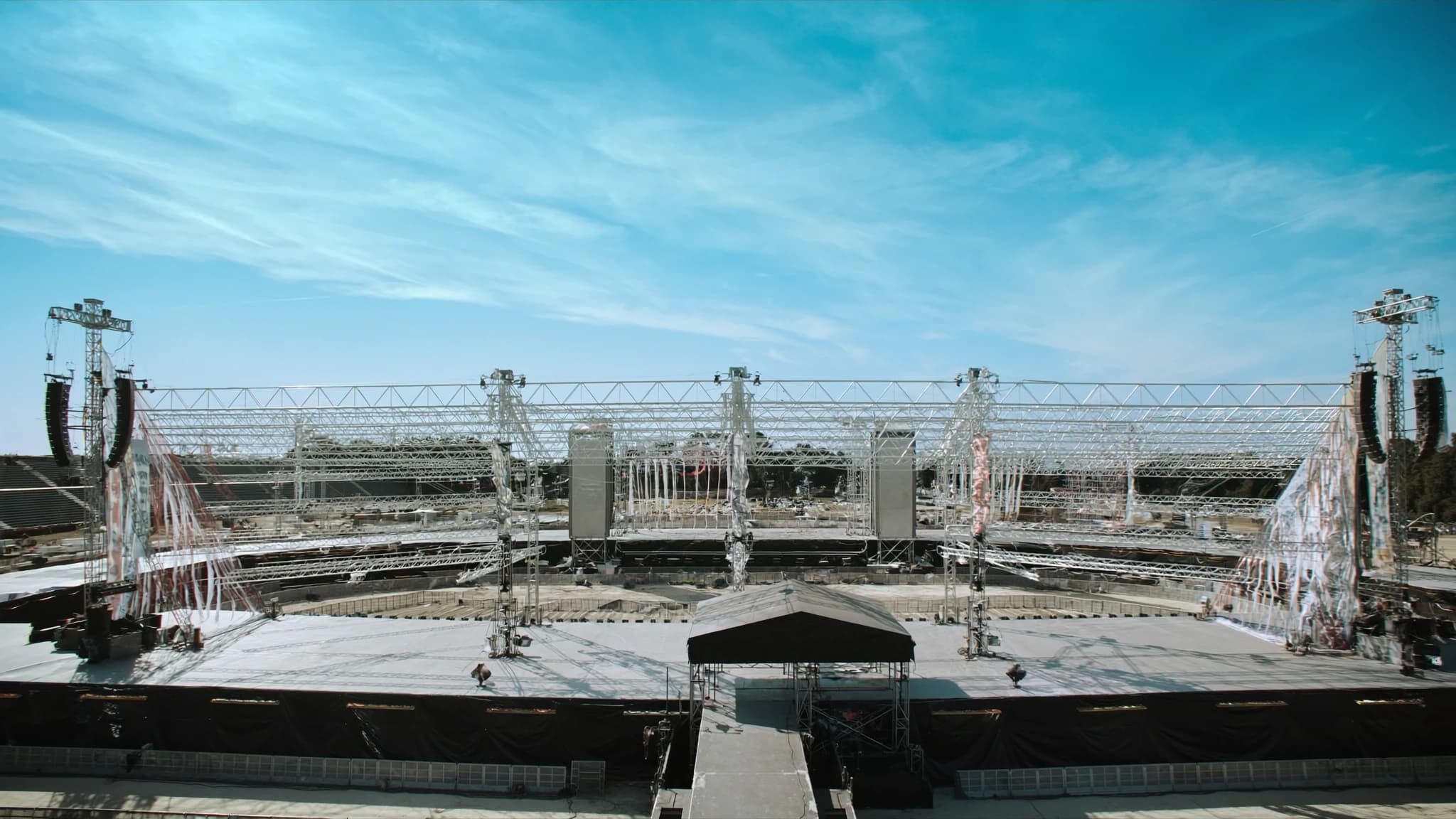
Bei der Durchführung einer Live-Veranstaltung ist die Sicherheit von Gerüsten, Bühnenpodesten, Türmen und Ground-Support-Konstruktionen nicht verhandelbar. Diese temporären demontierbaren Strukturen müssen dynamischen Lasten durch Performer, Ausrüstung und Wetter standhalten und gleichzeitig Tausende von Besuchern schützen. Dieser Leitfaden bietet maßgebliche, sicherheitsorientierte Hinweise zu Lastpfaden, Windmanagement, Inspektionen, zertifizierten Riggern und der Einhaltung internationaler Standards.
Wichtigste Punkte
- Überprüfen Sie die Lastpfade für jede Komponente und überschreiten Sie niemals die Auslegungslasten ohne eine statische Überprüfung.
- Auslegung für Wind- und dynamische Lasten unter Verwendung von Branchenstandards und standortspezifischen Daten.
- Führen Sie Inspektionen vor der Veranstaltung, täglich und nach der Veranstaltung mit dokumentierten Checklisten durch.
- Verwenden Sie nur zertifizierte Rigger und kompetentes Personal für Montage und Rigging.
- Halten Sie internationale Standards wie BS EN 13814 oder ANSI E1.21 für temporäre Strukturen ein.
- Bewerten Sie Bodenbedingungen und verwenden Sie geeignete Lastverteilungs- und Ballastierungsmethoden.
Lastpfade und strukturelle Integrität verstehen
Jede temporäre Struktur, von einem einfachen Bühnenpodest bis zu einem komplexen Dachsystem, beruht auf einem klaren Lastpfad, der Gewicht sicher in den Boden ableitet. Zu den Lasten gehören Eigenlasten (die Struktur selbst), Nutzlasten (Personen, Ausrüstung) und Umgebungslasten (Wind, Regen). Ein Versagen an irgendeinem Glied, etwa ein unterdimensionierter Verbinder oder eine schlecht sitzende Bodenplatte, kann zu einem katastrophalen Einsturz führen.
Ingenieure berechnen Lastpfade, indem sie jede Komponente analysieren: Traversengurte, Streben, Bolzen, Türme und Bodenstützen. Bei Bühnenpodesten verläuft der Lastpfad von der Podestoberfläche über Träger, Unterzüge und verstellbare Beine zu Bodenplatten auf verdichtetem Untergrund oder Lastverteilungsplatten. Bei hängender Rigging-Last verlaufen die Lasten über Kettenzüge oder Motoren zur Dachtraverse und dann über Türme zum Fundament.
SSOUNDS-Ingenieure betonen, dass die Überprüfung des Lastpfads ein kritischer Schritt vor der Veranstaltung ist. Alle Komponenten müssen für die vorgesehene Last zugelassen sein, und jede Abweichung, etwa das Hinzufügen zusätzlicher Beleuchtung oder Videowände, erfordert eine Neuberechnung des gesamten Pfads. Gehen Sie niemals davon aus, dass eine Struktur mehr als ihre Auslegungslast aufnehmen kann, ohne eine professionelle statische Überprüfung.
Windmanagement und dynamische Lasten
Wind ist die unberechenbarste Kraft auf temporäre Strukturen. Selbst eine mäßige Böe kann Auftrieb, seitliches Schwanken oder Kippmomente erzeugen. Outdoor-Veranstaltungen müssen die lokale Windhistorie, das Gelände und saisonale Muster berücksichtigen. Der Branchenstandard besteht darin, für eine Mindest-3-Sekunden-Böe von 60 mph (27 m/s) auszulegen, sofern eine standortspezifische Windstudie nicht höhere Werte vorgibt.
Dynamische Lasten durch Menschenbewegung, Tanzen oder Springen können Kräfte verstärken. Zum Beispiel kann eine Menge, die im Rhythmus wippt, einen Resonanzeffekt erzeugen, der die strukturelle Belastung vervielfacht. Ingenieure verwenden dynamische Lastfaktoren (typischerweise das 1,5- bis 2,0-Fache statischer Lasten), um dies zu berücksichtigen. Bühnenpodeste in der Nähe von Lautsprecherstapeln erfahren außerdem Vibrationen durch tieffrequenten Schall, die Verbindungen im Laufe der Zeit ermüden können.
Zu den Minderungsstrategien gehören der Einsatz von Windwänden, die Ballastierung von Türmen mit Betonblöcken oder Wasserfässern und die Installation von Anemometern, die bei voreingestellten Windgeschwindigkeiten Alarme auslösen. Wenn der Wind sichere Grenzen überschreitet, muss die Veranstaltung unterbrochen oder evakuiert werden. SSOUNDS empfiehlt, immer einen Wind-Notfallplan und einen benannten Sicherheitsbeauftragten zur Überwachung der Bedingungen zu haben.
Inspektionen: vor der Veranstaltung, täglich und nach der Veranstaltung
Ein gründliches Inspektionsregime ist das Rückgrat der Veranstaltungssicherheit. Inspektionen vor der Veranstaltung stellen sicher, dass alle Komponenten unbeschädigt, korrekt montiert und für die Last zugelassen sind. Dazu gehört die Prüfung von Traversen auf Dellen oder Risse, die Überprüfung der Bolzenintegrität, die Sicherstellung, dass Bodenplatten auf festem Untergrund stehen, und die Bestätigung, dass alle Schrauben mit dem vorgeschriebenen Drehmoment angezogen sind.
Tägliche Inspektionen während mehrtägiger Veranstaltungen prüfen auf Anzeichen von Bewegung, Lockerung oder Schäden durch Wetter oder Nutzung. Zum Beispiel sollten nach einer windigen Nacht alle Abspannseile und Ballaste erneut überprüft werden. Inspektionen nach der Veranstaltung identifizieren Verschleiß, der während des Aufbaus möglicherweise nicht sichtbar war. Jede beschädigte Komponente muss sofort gekennzeichnet und außer Betrieb genommen werden.
SSOUNDS rät, dass Inspektionen von einer kompetenten Person durchgeführt werden, jemandem mit Ausbildung und Erfahrung bei temporären Strukturen. Externe Statiker sollten bei komplexen oder groß angelegten Installationen hinzugezogen werden. Die Dokumentation aller Inspektionen, einschließlich Fotos und unterschriebener Checklisten, ist wesentlich für die Haftung und zukünftige Referenz.
Zertifizierte Rigger und kompetentes Personal
Rigging und strukturelle Montage sollten nur von zertifizierten Riggern oder qualifiziertem Personal durchgeführt werden. Zertifizierungsprogramme, wie die des Entertainment Technician Certification Program (ETCP) oder gleichwertiger nationaler Stellen, stellen sicher, dass Rigger Lastberechnungen, Hardware-Nennwerte und sichere Arbeitspraktiken verstehen.
Eine kompetente Person für Bühnenkonstruktionen sollte Kenntnisse des spezifischen verwendeten Systems haben, einschließlich Herstellerrichtlinien und Lasttabellen. Sie muss Gefahren erkennen, Risiken bewerten und Korrekturmaßnahmen ergreifen können. Bei Ground-Support-Türmen muss der Installateur wissen, wie die Türme auszurichten und zu loten, mit Auslegern zu sichern und Ballastanforderungen zu berechnen sind.
SSOUNDS betont, dass die Verwendung unqualifizierter Arbeitskräfte eine der Hauptursachen für strukturelle Ausfälle ist. Veranstalter sollten Zertifizierungen überprüfen und klare Sicherheitseinweisungen bereitstellen. Ein benannter Sicherheitskoordinator sollte alle Rigging- und Strukturarbeiten überwachen, mit der Befugnis, die Arbeit bei unsicheren Bedingungen zu stoppen.
Einhaltung internationaler Standards
Temporäre demontierbare Strukturen unterliegen Standards wie BS EN 13814 (Europa), ANSI E1.21 (USA) und AS 3533 (Australien). Diese Standards decken Auslegungslasten, Materialien, Prüfung und Inspektion ab. Die Einhaltung ist nicht optional, sie ist eine rechtliche und ethische Verantwortung. Veranstalter müssen sicherstellen, dass alle Strukturen den für ihre Region geltenden Standard erfüllen.
Zu den wichtigsten Anforderungen gehören: Auslegung durch einen qualifizierten Ingenieur, Lastprüfung kritischer Komponenten, Bereitstellung eines strukturellen Auslegungsberichts und Verifizierung vor Ort durch eine kompetente Person. Für Bühnenpodeste legt der Standard Mindestnutzlasten fest (z. B. 5 kN/m² für Aufführungsbereiche) und Durchbiegungsgrenzen. Für Türme müssen Windlastberechnungen der Methodik des Standards folgen.
SSOUNDS empfiehlt die Zusammenarbeit mit Lieferanten, die vollständige Dokumentation bereitstellen, einschließlich Lastdiagrammen, Montageanleitungen und Inspektionsaufzeichnungen. Akzeptieren Sie niemals Strukturen, denen eine nachvollziehbare Zertifizierung fehlt. In vielen Rechtsordnungen kann die Nichteinhaltung zu Geldstrafen, Stilllegungen und strafrechtlicher Haftung im Falle eines Unfalls führen.
Ground Support und Fundamentaspekte
Der Boden unter einer temporären Struktur ist genauso wichtig wie die Struktur selbst. Weicher Boden, unebenes Gelände oder unterirdische Versorgungsleitungen können die Stabilität beeinträchtigen. Ground-Support-Systeme wie verstellbare Bodenplatten, Lastverteilungsplatten oder Schraubfüße verteilen Lasten, um Einsinken oder Kippen zu vermeiden. Bei schweren Lasten können Betonballastblöcke oder Bodenanker erforderlich sein.
Führen Sie vor dem Aufbau eine Bodenuntersuchung durch, um Neigungen, Verdichtung und Hindernisse zu identifizieren. Bei Outdoor-Veranstaltungen sollten Sie Drainage und die Möglichkeit berücksichtigen, dass Regen den Boden aufweicht. Verwenden Sie Lastverteilungsplatten unter Bodenplatten, um den Bodendruck zu reduzieren. Auf Asphalt oder Beton schützen Sie Oberflächen mit Sperrholz oder Gummimatten, um Schäden zu vermeiden.
SSOUNDS-Ingenieure betonen, dass Ground-Support-Berechnungen das Gewicht der Struktur, der Ausrüstung und des Ballasts plus einen Sicherheitsfaktor umfassen müssen. Bei Türmen muss die Grundfläche groß genug sein, um ein Umkippen zu verhindern. In Gebieten mit hohem Grundwasserstand sollten Schraubpfähle oder Betonfundamente in Betracht gezogen werden. Konsultieren Sie bei anspruchsvollen Standorten immer einen Geotechniker.
Notfallvorsorge und Evakuierungsplanung
Trotz aller Vorsichtsmaßnahmen können Notfälle eintreten. Ein plötzlicher Sturm, ein struktureller Ausfall oder ein Gedränge in der Menge erfordern eine sofortige Reaktion. Jede Veranstaltung sollte einen Notfallaktionsplan haben, der Evakuierungswege, Sammelpunkte und Kommunikationsprotokolle enthält. Der Plan muss mit dem gesamten Produktionsteam geprobt werden.
Bei strukturellen Notfällen ist der erste Schritt, den Bereich zu räumen und den Zugang zu verhindern. Versuchen Sie nicht, eine versagende Struktur abzustützen, warten Sie auf professionelle Rettungsteams. Haben Sie eine benannte Person, die den Rettungsdienst ruft und ihnen Lagepläne und Gefahreninformationen bereitstellt. Halten Sie Erste-Hilfe-Kästen und Feuerlöscher zugänglich.
SSOUNDS empfiehlt, für jede Veranstaltung eine Risikobewertung durchzuführen, potenzielle Szenarien strukturellen Versagens und deren Folgen zu identifizieren. Bei großen Veranstaltungen sollten Sie einen Statiker in Bereitschaft in Betracht ziehen. Regelmäßige Sicherheitsübungen stellen sicher, dass jeder seine Rolle im Notfall kennt. Denken Sie daran: Sicherheit ist keine einmalige Prüfung, sie ist ein kontinuierlicher Prozess.
Häufige Fragen
Auf welche Mindestwindgeschwindigkeit sollte ich bei einer Outdoor-Veranstaltung auslegen?
Branchenstandards verlangen in der Regel eine Auslegung für eine 3-Sekunden-Böe von mindestens 60 mph (27 m/s), aber standortspezifische Bedingungen können höhere Werte erfordern. Konsultieren Sie immer einen Statiker.
Wer ist qualifiziert, temporäre Bühnenkonstruktionen zu inspizieren?
Inspektionen sollten von einer kompetenten Person mit Ausbildung und Erfahrung bei temporären demontierbaren Strukturen durchgeführt werden. Bei komplexen Installationen wird ein externer Statiker empfohlen.
Kann ich einem vorhandenen Bühnenpodest zusätzliche Beleuchtung oder Videowände hinzufügen, ohne die Lasten neu zu berechnen?
Nein. Jede Ergänzung verändert den Lastpfad und kann die Nennkapazität der Struktur überschreiten. Lassen Sie vor dem Hinzufügen von Ausrüstung immer eine statische Überprüfung durchführen.
Was sollte ich tun, wenn ich während des Aufbaus ein beschädigtes Traversenelement oder eine beschädigte Komponente finde?
Kennzeichnen Sie die beschädigte Komponente sofort und nehmen Sie sie außer Betrieb. Verwenden Sie sie nicht. Ersetzen Sie sie durch eine unbeschädigte, zugelassene Komponente, bevor Sie fortfahren.
Gibt es in verschiedenen Ländern unterschiedliche Standards für Bühnenkonstruktionen?
Ja. Gängige Standards sind BS EN 13814 (Europa), ANSI E1.21 (USA) und AS 3533 (Australien). Sie müssen den in Ihrer Region geltenden Standard einhalten.
System aufbauen oder aufrüsten?
SSOUNDS entwickelt und fertigt professionelle PA weltweit, vom einzelnen Raum bis zur Stadiongröße.