LED-Innen- vs. Außenbildschirme: Ein vollständiger Leitfaden
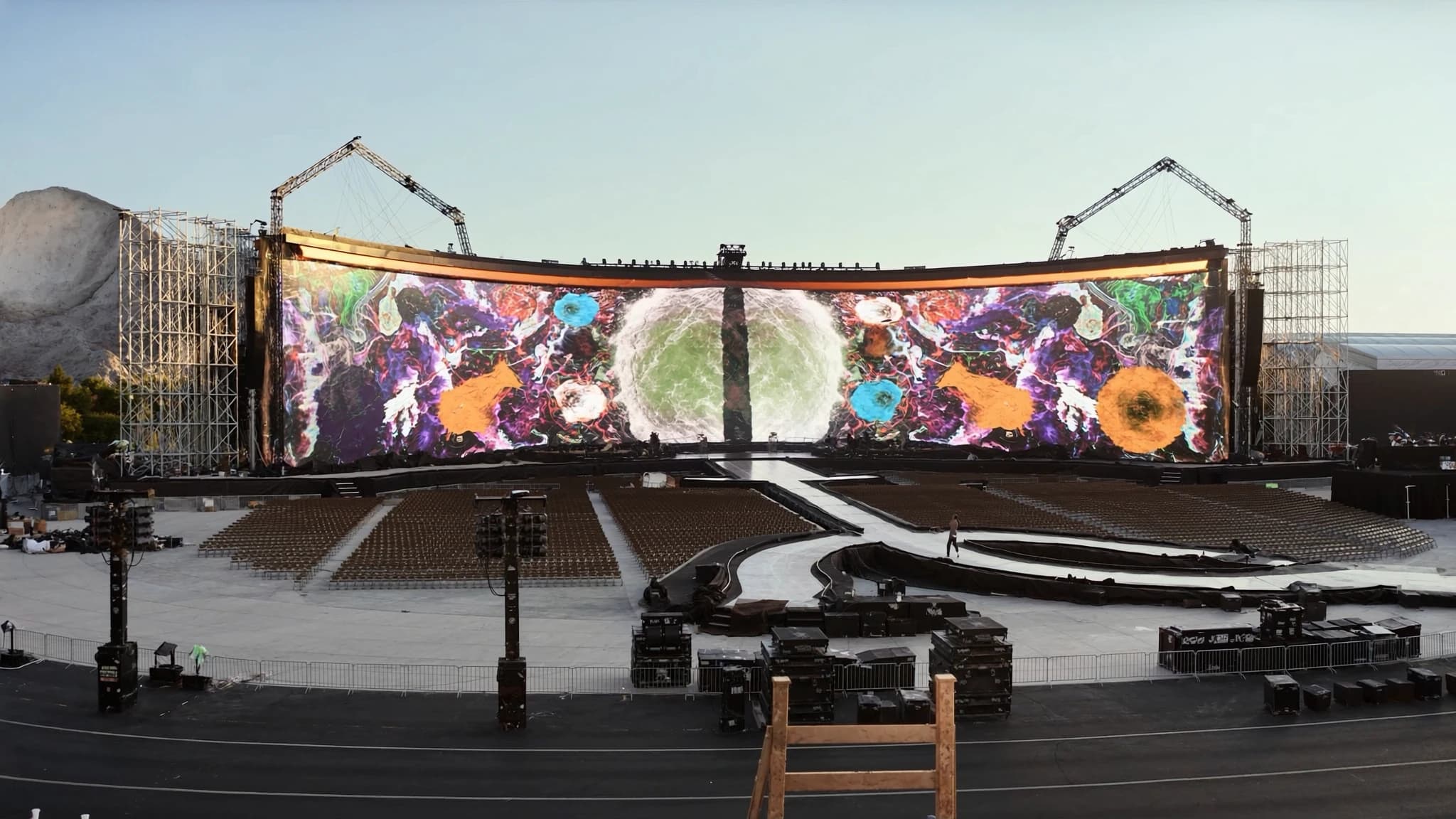
Die Wahl zwischen LED-Innen- und Außenbildschirmen ist eine kritische Entscheidung, die Sichtbarkeit, Haltbarkeit und Gesamtbetriebskosten beeinflusst. Dieser Leitfaden erläutert die wichtigsten technischen Unterschiede, Helligkeit, Witterungsschutz, Pixelabstand, Betrachtungsabstand, Gehäusedesign und Wartungsfreundlichkeit, damit Sie den richtigen Bildschirm für Ihren Veranstaltungsort oder Ihr Event auswählen können. SSOUNDS integriert fortschrittliche LED-Display-Lösungen in seine professionellen AV-Systeme und gewährleistet so eine nahtlose Leistung in jeder Umgebung.
Wichtigste Punkte
- LED-Außenbildschirme erfordern 2.500–7.000+ Nits Helligkeit; Innenbildschirme benötigen 600–1.500 Nits.
- IP65 oder höher ist für den Außenbereich obligatorisch; Innenbildschirme sind typischerweise IP20–IP40.
- Der Pixelabstand bestimmt Auflösung und Betrachtungsabstand: feinerer Abstand für nahe Betrachtung, gröberer für große Entfernungen.
- Außengehäuse sind schwerer, versiegelt und für Wind/Wetter gebaut; Innengehäuse sind leichter und oft frontseitig wartbar.
- Strom- und Kühlungsbedarf sind im Außenbereich größer; planen Sie Dreiphasenstrom und Servicezugang ein.
- Passen Sie den Bildschirm an die Umgebung an, um beste Leistung und niedrigste Gesamtbetriebskosten zu erzielen.
Helligkeit und Nits: Warum Außenbildschirme mehr Leistung benötigen
Die Helligkeit, gemessen in Nits (Candela pro Quadratmeter), ist das wichtigste Unterscheidungsmerkmal zwischen LED-Innen- und Außenbildschirmen. Innenbildschirme arbeiten typischerweise zwischen 600 und 1.500 Nits, was für kontrollierte Lichtumgebungen wie Konferenzsäle, Einzelhandelsflächen oder Studios ausreicht. Außenbildschirme hingegen müssen mit direktem Sonnenlicht konkurrieren, das 10.000 Nits überschreiten kann. Infolgedessen sind LED-Außendisplays mit 2.500 bis 5.000 Nits oder mehr spezifiziert, wobei einige Hochhelligkeitsmodelle 7.000+ Nits für Sichtbarkeit bei voller Sonneneinstrahlung erreichen.
Bei Innenanwendungen kann übermäßige Helligkeit zu Augenbelastung führen und Inhalte auswaschen, daher ist eine ordnungsgemäße Kalibrierung unerlässlich. Außenbildschirme verfügen oft über automatische Helligkeitssensoren, die die Werte je nach Umgebungslicht anpassen, Strom sparen und die LED-Lebensdauer verlängern. Bei der Integration einer LED-Wand in ein Live-Soundsystem empfehlen SSOUNDS-Ingenieure, die Helligkeit an die Betrachtungsumgebung anzupassen, um eine konsistente Bildqualität ohne Blendung oder Ermüdung zu gewährleisten.
IP-Schutzart: Schutz vor den Elementen
Die Ingress Protection (IP)-Bewertung definiert, wie gut ein Bildschirm Staub und Wasser widersteht. LED-Innenbildschirme haben typischerweise eine IP20- bis IP40-Bewertung, was bedeutet, dass sie gegen feste Objekte größer als 12,5 mm (IP20) oder 1 mm (IP40) geschützt sind, aber keine Wasserbeständigkeit aufweisen. Diese Bildschirme sind für klimatisierte Räume konzipiert und sollten niemals Regen oder Feuchtigkeit ausgesetzt werden.
LED-Außenbildschirme erfordern eine Mindest-IP65-Bewertung für die Vorderseite und IP54 oder höher für die Rückseite. IP65 bedeutet, dass das Gehäuse staubdicht und gegen Niederdruck-Wasserstrahlen aus jeder Richtung geschützt ist. Für dauerhafte Installationen in rauen Klimazonen kann IP66 oder IP67 spezifiziert werden, um starkem Regen, Schnee und Hochdruckreinigung standzuhalten. SSOUNDS empfiehlt, stets die IP-Bewertung sowohl der Vorder- als auch der Rückseite des Gehäuses zu überprüfen, da einige Außenbildschirme einen asymmetrischen Schutz aufweisen. Ein ordnungsgemäßer Witterungsschutz umfasst auch versiegelte Anschlüsse, Dichtungen und korrosionsbeständige Materialien.
Pixelabstand und Betrachtungsabstand: Auflösung vs. Sichtbarkeit
Der Pixelabstand (der Abstand zwischen LED-Pixeln, gemessen in Millimetern) bestimmt direkt die Auflösung und den optimalen Betrachtungsabstand. Innenbildschirme verwenden oft feine Pixelabstände von 0,9 mm bis 2,5 mm, wodurch hochauflösende Inhalte aus nur wenigen Fuß Entfernung betrachtet werden können. Außenbildschirme haben typischerweise größere Abstände, von 3 mm bis 10 mm oder mehr, da die Betrachter weiter entfernt sind und das Umgebungslicht feine Details weniger wahrnehmbar macht.
Die Faustregel für den minimalen Betrachtungsabstand lautet: Pixelabstand (in mm) × 1000 = Entfernung in Metern. Ein 4-mm-Außenbildschirm wird beispielsweise am besten aus 4 Metern oder mehr betrachtet. Ein zu feiner Abstand im Außenbereich erhöht die Kosten ohne Nutzen, während ein zu grober Abstand im Innenbereich zu einem blockigen, niedrig aufgelösten Bild führt. SSOUNDS empfiehlt, den Pixelabstand an die durchschnittliche Entfernung des Publikums und den Inhaltstyp anzupassen; Text und Logos benötigen einen feineren Abstand als Video oder Grafiken.
Gehäusedesign: Strukturelle Unterschiede zwischen Innen- und Außenbereich
LED-Innengehäuse sind typischerweise leichter, dünner und aus Aluminium oder Blech gefertigt. Sie setzen auf passive oder zwangsbelüftete Kühlung und sind oft für schnellen Front- oder Rückseitenservice ausgelegt. Außengehäuse sind schwerer und robuster, aus Druckgussaluminium oder Stahl gefertigt, um Windlasten, Wärmeausdehnung und physische Einwirkungen standzuhalten. Sie enthalten versiegelte Kühlsysteme, entweder Lüfter mit Filtern oder natürliche Konvektion, um das Eindringen von Feuchtigkeit zu verhindern und die Betriebstemperatur aufrechtzuerhalten.
Außengehäuse verfügen außerdem über Sonnenblenden oder Lamellen, um Blendung zu reduzieren und den Kontrast bei hellen Bedingungen zu verbessern. Die strukturelle Verstrebung muss das Gewicht des Bildschirms gegen Windkräfte abstützen, insbesondere bei großen Installationen. SSOUNDS integriert LED-Außenwände mit seinen PA-Systemen unter Verwendung maßgefertigter Rigging-Rahmen, die die Last sicher verteilen und sicherstellen, dass sowohl Audio- als auch visuelle Elemente bei jedem Wetter zuverlässig funktionieren.
Strom und Wartungsfreundlichkeit: Überlegungen zu Installation und Wartung
Der Stromverbrauch unterscheidet sich erheblich: Außenbildschirme benötigen aufgrund höherer Helligkeit und Kühlungsanforderungen mehr Energie. Innenbildschirme arbeiten typischerweise mit Standard-Einphasenstrom, während Außeninstallationen möglicherweise eine Dreiphasen-Stromverteilung benötigen. Beide Typen profitieren von redundanten Netzteilen und hot-swap-fähigen Modulen, um Ausfallzeiten zu minimieren.
Die Wartungsfreundlichkeit ist ein weiterer Schlüsselfaktor. Innenbildschirme ermöglichen oft den Frontzugang, was bedeutet, dass sie bündig an Wänden montiert werden können. Außenbildschirme erfordern normalerweise einen Rückseitenzugang für die Wartung, was das Design der Montagestruktur beeinflusst. Einige moderne Außengehäuse bieten Front-Wartungszugang, aber dies ist weniger verbreitet. SSOUNDS empfiehlt, den Servicezugang bereits in der Designphase einzuplanen, einschließlich Laufwegen oder Hebebühnen für Außen-Arrays. Für Vermietungs- und Staging-Anwendungen sind Schnellverschlussmechanismen und werkzeugloser Modulaustausch für einen schnellen Auf- und Abbau unerlässlich.
Wann man sich für LED-Innen- oder Außenbildschirme entscheiden sollte
Wählen Sie LED-Innenbildschirme für dauerhafte Installationen in kontrollierten Umgebungen wie Unternehmensfoyers, Broadcast-Studios, Kontrollräumen, Einzelhandelsdisplays und Innenveranstaltungen. Sie bieten höhere Auflösung zu geringeren Kosten und sind einfacher zu warten. Wählen Sie LED-Außenbildschirme für Stadien, Open-Air-Konzerte, digitale Werbetafeln, Gebäudefassaden und jede Anwendung, die Regen, Staub oder direktem Sonnenlicht ausgesetzt ist.
Es gibt auch 'Innen/Außen'-Hybridbildschirme mit höherer Helligkeit und mäßigem Witterungsschutz (z. B. IP54) für halbgeschützte Bereiche wie überdachte Terrassen oder Verkehrsunterstände. Für volle Zuverlässigkeit ist es jedoch am besten, einen Bildschirm zu wählen, der speziell für die Umgebung entwickelt wurde. SSOUNDS arbeitet mit Kunden zusammen, um die richtige LED-Technologie für jedes Projekt zu spezifizieren und sicherzustellen, dass das visuelle Display zur Leistung und Langlebigkeit des Audiosystems passt.
Häufige Fragen
Kann ich einen LED-Innenbildschirm vorübergehend im Außenbereich verwenden?
Das wird nicht empfohlen. Innenbildschirme sind nicht witterungsgeschützt und werden durch Feuchtigkeit, Staub und extreme Temperaturen beschädigt. Selbst ein einzelnes Regenereignis kann einen dauerhaften Ausfall verursachen. Verwenden Sie für Außenanwendungen immer einen für den Außenbereich zugelassenen Bildschirm.
Wie hoch ist die typische Lebensdauer eines LED-Außenbildschirms?
Bei ordnungsgemäßer Wartung können LED-Außenbildschirme 50.000 bis 100.000 Stunden halten (5–10+ Jahre bei täglicher Nutzung). Die Helligkeit nimmt mit der Zeit ab, sodass einige Bildschirme möglicherweise früher ersetzt werden müssen, wenn die Helligkeit unter akzeptable Werte fällt.
Wie wähle ich den richtigen Pixelabstand für meinen LED-Bildschirm?
Verwenden Sie die Formel: minimaler Betrachtungsabstand (Meter) = Pixelabstand (mm) × 1000. Ein Pixelabstand von 4 mm wird beispielsweise am besten aus 4 m Entfernung betrachtet. Für eine nähere Betrachtung wählen Sie einen kleineren Pixelabstand (z. B. 2 mm für 2 m Entfernung).
Benötigen LED-Außenbildschirme eine spezielle Kühlung?
Ja. Außenbildschirme erzeugen aufgrund höherer Helligkeit und Sonneneinstrahlung mehr Wärme. Sie verwenden versiegelte Kühlsysteme mit Lüftern und Filtern oder Ausführungen mit natürlicher Konvektion. Ein ordnungsgemäßes Wärmemanagement ist entscheidend für die Zuverlässigkeit.
Kann SSOUNDS LED-Bildschirme mit seinen PA-Systemen integrieren?
Absolut. SSOUNDS bietet komplette AV-Lösungen, einschließlich LED-Videowänden, synchronisiert mit unseren Line-Arrays und Subwoofern. Wir entwerfen Rigging-, Strom- und Steuerungssysteme für eine nahtlose Integration in Innen- und Außenveranstaltungsorten.
System aufbauen oder aufrüsten?
SSOUNDS entwickelt und fertigt professionelle PA weltweit, vom einzelnen Raum bis zur Stadiongröße.