Pixel Pitch erklärt: Die richtige LED-Bildschirmauflösung wählen
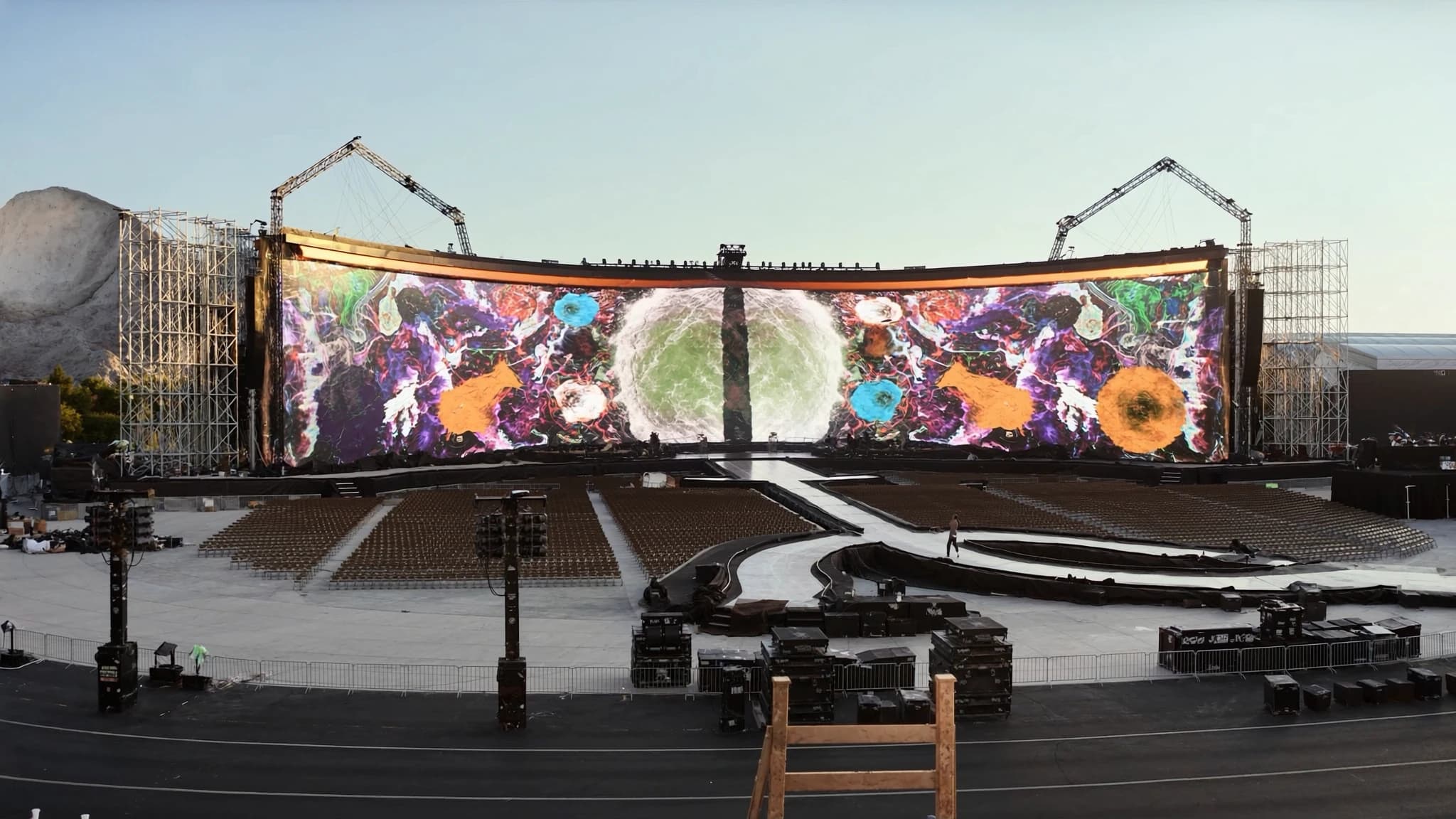
Der Pixel Pitch ist die wichtigste Spezifikation bei der Auswahl eines LED-Bildschirms, wird aber weithin missverstanden. Dieser Leitfaden erklärt, was Pixel Pitch bedeutet, wie er die Auflösung und den Betrachtungsabstand bestimmt und wie Sie den richtigen Pitch für Ihren Veranstaltungsort wählen.
Wichtigste Punkte
- Der Pixel Pitch ist der Abstand zwischen Pixeln in Millimetern; ein kleinerer Pitch bedeutet höhere Auflösung und einen näheren minimalen Betrachtungsabstand.
- Der minimale Betrachtungsabstand (in Metern) entspricht ungefähr dem Pixel Pitch in Millimetern (z. B. P3.9 = 3,9 m).
- Innenbildschirme verwenden typischerweise feinere Pitches (P1.5 bis P4), während Außenbildschirme größere Pitches (P6 und höher) für Helligkeit und Kosteneffizienz verwenden.
- Kleinere Pitches kosten mehr pro Quadratmeter, sind aber für die Nahbetrachtung und detailreiche Inhalte notwendig.
- Wählen Sie den Pitch basierend auf dem nächsten Betrachter, dem Inhaltstyp und dem Umgebungslicht; SSOUNDS kann bei Simulation und Systemintegration helfen.
Was ist Pixel Pitch?
Der Pixel Pitch ist der physische Abstand zwischen den Mittelpunkten zweier benachbarter Pixel auf einem LED-Display, gemessen in Millimetern. Ein P3.9-Bildschirm hat Pixel mit einem Abstand von 3,9 mm, während ein P1.5-Bildschirm Pixel mit einem Abstand von 1,5 mm hat. Je kleiner der Pitch, desto mehr Pixel pro Flächeneinheit, was die Auflösung erhöht und es den Betrachtern ermöglicht, näher zu stehen, ohne einzelne Pixel zu sehen.
Der Pixel Pitch wirkt sich direkt auf die Herstellungskosten aus, da dichtere Pixelanordnungen mehr LEDs und komplexere Treiberelektronik erfordern. Er beeinflusst auch die Helligkeit und den Stromverbrauch, da kleinere Pitches oft eine geringere Helligkeit pro Pixel, aber eine höhere Gesamtpixeldichte aufweisen.
Wie Pixel Pitch die Auflösung und den Betrachtungsabstand bestimmt
Die Auflösung wird durch die Gesamtzahl der Pixel über den Bildschirm bestimmt, die eine Funktion der Bildschirmgröße und des Pixel Pitch ist. Zum Beispiel hat ein 5 m breiter Bildschirm mit P3.9-Pitch etwa 1280 Pixel horizontal (5000 mm / 3,9 mm), während derselbe Bildschirm mit P1.5-Pitch etwa 3333 Pixel hat. Eine höhere Auflösung bedeutet schärfere Bilder und feinere Details.
Der minimale Betrachtungsabstand ist der kürzeste Abstand, in dem ein Betrachter stehen kann, bevor einzelne Pixel sichtbar werden, oft berechnet als das 1000-fache des Pixel Pitch in Millimetern. Für P3.9 sind das etwa 3,9 Meter; für P1.5 etwa 1,5 Meter. Diese Faustregel hilft, ein glattes, nahtloses Bild für das Publikum sicherzustellen.
Pitch-Auswahl für Innen- und Außenbereiche
Innenanwendungen verwenden typischerweise feinere Pitches (P1.5 bis P4), da die Betrachter näher sind und das Umgebungslicht kontrolliert wird. Firmenvorstandsräume, Einzelhandelsdisplays und Broadcast-Studios profitieren von hoher Auflösung auf kurze Distanz. Außenbildschirme hingegen verwenden oft größere Pitches (P6 bis P10 oder höher), da das Publikum weiter entfernt ist und eine hohe Helligkeit benötigt wird, um dem Sonnenlicht entgegenzuwirken. Größere Pitches reduzieren auch die Kosten und den Stromverbrauch, was für großflächige Installationen entscheidend ist.
Für Außenveranstaltungen, bei denen die Betrachter 10 Meter oder mehr entfernt sein können, kann ein P6- oder P8-Bildschirm eine hervorragende Klarheit bieten. Der Schlüssel liegt darin, den Pitch an den typischen Betrachtungsabstand und den erforderlichen Detailgrad anzupassen.
Kosten vs. Klarheit: Der Kompromiss
Kleinere Pixel Pitches kosten deutlich mehr pro Quadratmeter aufgrund der höheren LED-Dichte und engeren Fertigungstoleranzen. Sie erfordern auch mehr Rechenleistung und können schwerer sein, was sich auf die Rigging- und Installationsarbeiten auswirkt. Sie liefern jedoch eine überlegene Klarheit auf kurze Distanz, was für Anwendungen wie virtuelle Produktion, Kontrollräume und High-End-Einzelhandel unerlässlich ist.
Größere Pitches sind erschwinglicher, leichter und energieeffizienter, was sie ideal für Werbetafeln, Stadionumläufe und Bühnenhintergründe macht, bei denen die Betrachter weit entfernt sind. Das Ziel ist, den optimalen Punkt zu finden, an dem das Bild von den vorgesehenen Betrachtungspositionen aus großartig aussieht, ohne für unnötige Auflösung zu viel auszugeben.
Wie Sie den richtigen Pitch für Ihren Veranstaltungsort wählen
Beginnen Sie mit der Definition des kürzesten Betrachtungsabstands. Wenn die Betrachter innerhalb von 3 Metern sind, ziehen Sie P1.5 bis P2.6 in Betracht. Für 3 bis 6 Meter eignet sich P2.6 bis P3.9 gut. Für 6 bis 10 Meter ist P4 bis P6 geeignet. Jenseits von 10 Metern ist P6 bis P10 oder größer oft ausreichend. Berücksichtigen Sie auch den Inhalt: Detaillierter Text und Grafiken benötigen einen feineren Pitch als die Videowiedergabe.
Bei SSOUNDS gehen wir die Auswahl von LED-Bildschirmen mit derselben technischen Gründlichkeit an, die wir auf Lautsprechersysteme anwenden. Unser Team verwendet fortschrittliche Simulation, um Betrachtungswinkel, Umgebungslicht und Inhaltsanforderungen zu modellieren, um sicherzustellen, dass der gewählte Pitch optimale Klarheit und Wert liefert. Wir berücksichtigen auch strukturelle Belastung, Stromverfügbarkeit und Signalverarbeitung, um eine nahtlose Integration mit Ihrem Audiosystem zu schaffen.
Jenseits des Pitch: Andere kritische Faktoren
Der Pixel Pitch ist entscheidend, aber nicht die einzige Spezifikation. Helligkeit (gemessen in Nits), Bildwiederholrate, Farbgamut und Scanrate beeinflussen ebenfalls die Leistung. Für den Innenbereich sind 800 bis 1500 Nits typisch; für den Außenbereich sind 5000 Nits oder mehr erforderlich. Die Bildwiederholrate sollte mindestens 1920 Hz betragen, um Flimmern auf der Kamera zu vermeiden. Farbgleichmäßigkeit und Kalibrierung sind ebenfalls entscheidend für ein professionelles Erscheinungsbild.
SSOUNDS LED-Lösungen sind darauf ausgelegt, unsere Audiosysteme zu ergänzen, mit integrierter Steuerung und Überwachung. Wir stellen sicher, dass jeder Bildschirm, den wir spezifizieren, den Anforderungen der Anwendung gerecht wird, von Gotteshäusern bis hin zu Konzertbühnen.
Häufige Fragen
Was bedeutet P3.9 bei einem LED-Bildschirm?
P3.9 bedeutet, dass der Abstand zwischen den Mittelpunkten benachbarter Pixel 3,9 Millimeter beträgt. Dieser Pitch ist üblich für Innenbühnen und Betrachtung aus mittlerer Entfernung.
Wie berechne ich den minimalen Betrachtungsabstand für einen gegebenen Pixel Pitch?
Eine einfache Regel ist, den Pixel Pitch mit 1000 zu multiplizieren, um den minimalen Betrachtungsabstand in Millimetern zu erhalten. Zum Beispiel ergibt P2.6 einen minimalen Abstand von 2600 mm oder 2,6 Metern.
Ist ein kleinerer Pixel Pitch immer besser?
Nicht unbedingt. Ein kleinerer Pitch erhöht die Kosten, den Stromverbrauch und das Gewicht. Er ist nur besser, wenn die Betrachter nahe genug sind, um von der zusätzlichen Auflösung zu profitieren. Für die Betrachtung aus der Ferne ist ein größerer Pitch kosteneffizienter.
Welcher Pitch ist am besten für LED-Außenbildschirme?
Außenbildschirme verwenden typischerweise P6 bis P10 oder größer, abhängig vom Betrachtungsabstand. Diese Pitches bieten hohe Helligkeit und sind für große Flächen erschwinglicher.
Kann SSOUNDS bei der Auswahl und Integration von LED-Bildschirmen helfen?
Ja. SSOUNDS bietet fachkundige Beratung zu Pixel Pitch und vollständiger Systemintegration, um sicherzustellen, dass Ihr LED-Bildschirm nahtlos mit Ihren Audio- und Steuerungssystemen zusammenarbeitet. Kontaktieren Sie uns, um Ihr Projekt zu besprechen.
System aufbauen oder aufrüsten?
SSOUNDS entwickelt und fertigt professionelle PA weltweit, vom einzelnen Raum bis zur Stadiongröße.