LED-Videowände für Live-Events: Ein vollständiger Leitfaden
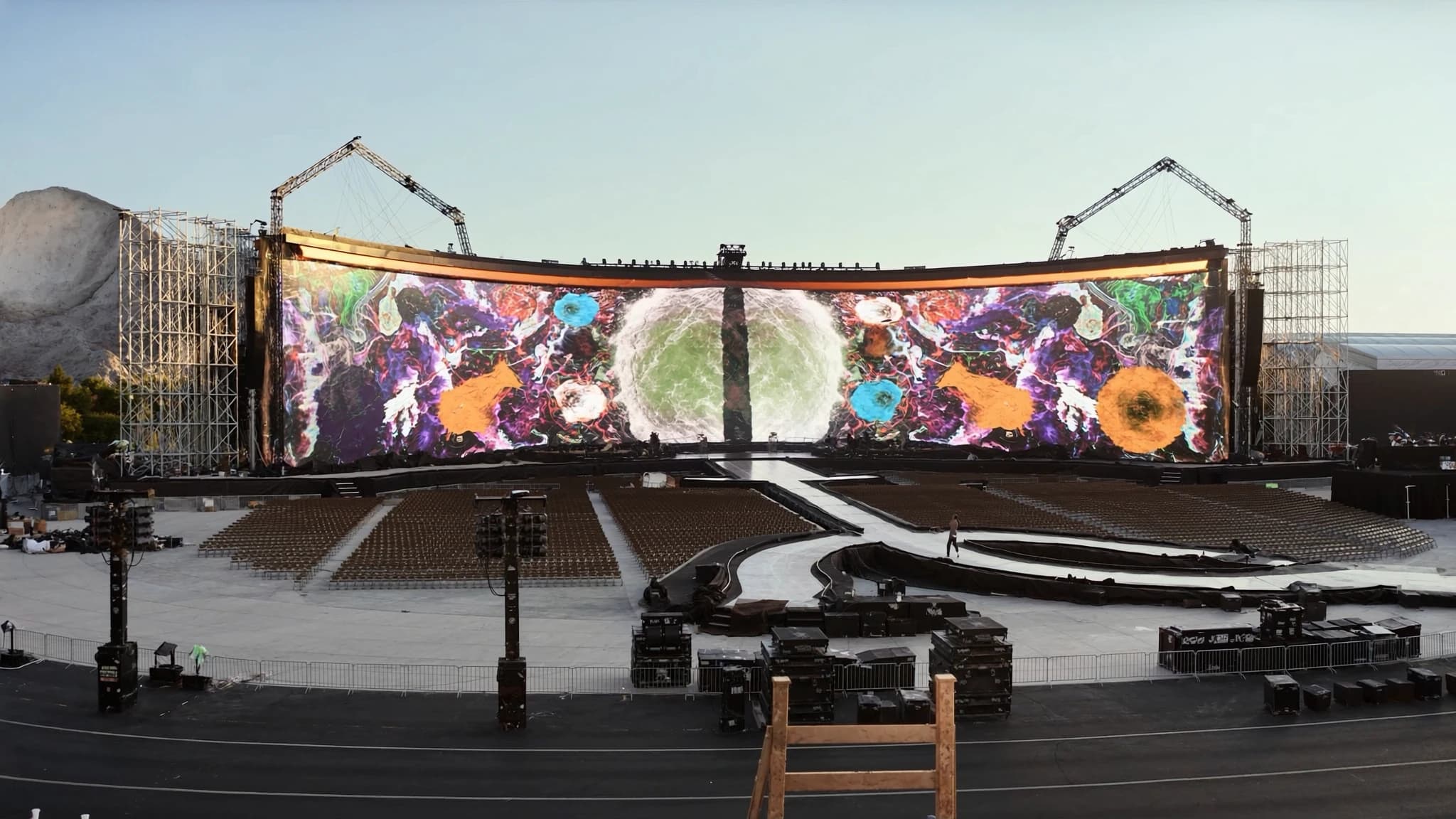
LED-Videowände sind zum Rückgrat der modernen Live-Event-Produktion geworden und bieten unübertroffene Helligkeit, Kontrast und Skalierbarkeit für alles von Firmenkonferenzen bis hin zu massiven Open-Air-Festivals. Als Full-AVL-Produktionspartner integriert SSOUNDS erstklassiges Audio mit fortschrittlichen LED-Videolösungen und gewährleistet nahtlose Synchronisation und Ergebnisse auf professionellem Niveau. Dieser Leitfaden behandelt die wesentlichen technischen Spezifikationen, Panels, Pixel-Pitch, Helligkeit, Verarbeitung, Rigging und Content, um Ihnen zu helfen, die perfekte LED-Wand für Ihre nächste Show oder Installation zu spezifizieren.
Wichtigste Punkte
- LED-Videowände sind modular, skalierbar und in Indoor-/Outdoor-Varianten mit unterschiedlichen Pixel-Pitches für optimalen Betrachtungsabstand erhältlich.
- Der Pixel-Pitch (in mm) entspricht ungefähr dem minimalen Betrachtungsabstand in Metern; wählen Sie P1,9–P2,5 für Nahaufnahmen, P3,9–P6 für mittlere Entfernungen und P8+ für große Entfernungen.
- Indoor-Helligkeit: 500–1.500 Nits; Outdoor: 5.000–10.000+ Nits mit automatischen Helligkeitssensoren für Energieeffizienz.
- Videoprozessoren übernehmen Skalierung, Farbkalibrierung und Multi-Source-Switching; investieren Sie in zuverlässige Marken wie NovaStar oder Brompton.
- Rigging muss Gewicht, Windlast und Sicherheit berücksichtigen; Stromberechnungen sollten Redundanz und ordnungsgemäße Erdung einschließen.
- Content sollte in nativer Auflösung erstellt werden, mit sicheren Zonen für Text, und über professionelle Medienserver für Echtzeitsteuerung wiedergegeben werden.
LED-Panels und Gehäuse: Die Bausteine
LED-Videowände werden aus modularen Panels (Gehäusen) konstruiert, die sich zu einem nahtlosen Display zusammenfügen. Jedes Gehäuse enthält eine Anordnung von Leuchtdioden (LEDs), die auf eine Platine gelötet sind, sowie Netzteile, Datenempfänger und Montagehardware. Standardgehäusegrößen reichen von 500×500 mm bis 500×1000 mm, wobei die Tiefe je nach Indoor- oder Outdoor-Einstufung variiert.
Indoor-Gehäuse sind in der Regel leichter und dünner (oft unter 10 kg) mit passiver Kühlung, während Outdoor-Gehäuse schwerer, wetterfest (IP65 oder höher) und mit aktiver Lüfterkühlung ausgestattet sind, um direkter Sonneneinstrahlung und Regen standzuhalten. Für Vermietungs- und Bühnenanwendungen ermöglichen Schnellverriegelungsmechanismen (z. B. Schnellverschlusshebel oder Nockenverschlüsse) eine schnelle Montage und Demontage ohne Werkzeug.
Bei der Auswahl von Gehäusen sollten Sie den Pixel-Pitch (wird als Nächstes besprochen), den Betrachtungswinkel (typischerweise 140°–160° horizontal/vertikal) und die Bildwiederholfrequenz (≥1920 Hz für flimmerfreie Kameraaufnahmen) berücksichtigen. SSOUNDS empfiehlt Gehäuse mit redundanten Strom- und Dateneingängen für geschäftskritische Veranstaltungen.
Pixel-Pitch und Betrachtungsabstand
Der Pixel-Pitch ist der Abstand in Millimetern zwischen den Mittelpunkten benachbarter LEDs. Er bestimmt die Auflösung des Displays und den optimalen Betrachtungsabstand. Ein kleinerer Pixel-Pitch (z. B. 1,2 mm) liefert eine höhere Auflösung und ermöglicht es den Zuschauern, näher zu stehen, ohne einzelne Pixel zu sehen, während ein größerer Pitch (z. B. 10 mm) für die Betrachtung aus großer Entfernung geeignet ist.
Eine allgemeine Regel: minimaler Betrachtungsabstand (in Metern) ≈ Pixel-Pitch (in mm). Zum Beispiel ist eine P2,5-Wand aus 2,5 m Entfernung sichtbar. Für das Publikum in der ersten Reihe wählen Sie P1,9–P2,5; für das Mittelfeld P3,9–P6; für extreme Entfernungen (z. B. Stadien) P8–P16. Berücksichtigen Sie immer den Abstand des nächstgelegenen Zuschauers, um einen 'Screen-Door'-Effekt zu vermeiden.
SSOUNDS-Ingenieure verwenden KI-gestützte Simulationswerkzeuge, um den idealen Pixel-Pitch für Ihr Veranstaltungslayout zu berechnen und dabei Budget, Auflösung und Sichtbarkeit abzuwägen. Für Mehrzweckräume bietet eine P3,9-Wand einen guten Kompromiss zwischen Kosten und Klarheit für typische Veranstaltungsabstände.
Helligkeit (Nits) für Indoor vs. Outdoor
Die Helligkeit wird in Nits (Candela pro Quadratmeter) gemessen. Indoor-LED-Wände benötigen typischerweise 500–1.500 Nits, da das Umgebungslicht kontrolliert ist. Outdoor-Wände müssen direktes Sonnenlicht überwinden und benötigen 5.000–10.000 Nits oder mehr. Eine höhere Helligkeit erhöht jedoch den Stromverbrauch und die Wärmeentwicklung, daher verfügen Outdoor-Wände oft über automatische Helligkeitssensoren, die sich an das Umgebungslicht anpassen.
Für Indoor-Veranstaltungen mit Bühnenbeleuchtung streben Sie 1.000–1.500 Nits an, um den Kontrast aufrechtzuerhalten, ohne die vorderen Reihen zu blenden. Outdoor-Tagesveranstaltungen erfordern mindestens 5.000 Nits; für die Nachtnutzung sind 2.000–3.000 Nits ausreichend. Überprüfen Sie immer den Schwarzwert und das Kontrastverhältnis der LED. Ein kontrastreiches Panel (z. B. 5000:1) sieht auch bei mäßiger Helligkeit besser aus.
SSOUNDS bietet eine Reihe von Indoor- und Outdoor-LED-Panels mit kalibrierten Helligkeitskurven, die eine konsistente Farbe und Leuchtdichte über die gesamte Wand gewährleisten. Unsere Systeme enthalten Umgebungssensoren für die automatische Helligkeitsanpassung bei Outdoor-Installationen.
Prozessoren und Scaler: Das Gehirn der Wand
Eine LED-Wand benötigt einen Videoprozessor (Scaler), um Eingangssignale (HDMI, SDI, DisplayPort usw.) zu empfangen und sie auf die native Auflösung des Panels abzubilden. Der Prozessor übernimmt Skalierung, Farbkalibrierung, Frame-Synchronisation und mehrschichtiges Compositing. Bei großen Wänden können mehrere Prozessoren in Reihe geschaltet oder in einer redundanten Konfiguration verwendet werden.
Wichtige Merkmale, auf die Sie achten sollten: Unterstützung für 4K/8K-Eingänge, HDR (HDR10, HLG), niedrige Latenz (kritisch für Live-Events mit IMAG), Genlock für Multi-Screen-Synchronisation und EDID-Management. Prozessoren ermöglichen auch 'Canvas'-Mapping, bei dem eine einzelne Quelle auf mehrere Wandabschnitte aufgeteilt oder mit Projektion gemischt wird.
SSOUNDS integriert führende Prozessoren (z. B. NovaStar, Brompton) in unser AVL-Ökosystem, vorkonfiguriert für nahtlose Steuerung über ein einziges Netzwerk. Unsere Ingenieure können redundante Verarbeitungspfade entwerfen, um Ausfallzeiten während kritischer Shows zu vermeiden.
Rigging und Strom: Strukturelle und elektrische Überlegungen
Das Rigging einer LED-Wand umfasst die Befestigung der Gehäuse an einer Tragstruktur (Traverse, Ground Support oder Wandmontage). Jedes Gehäuse hat ein Gewicht und eine Windlastbewertung; Outdoor-Wände müssen Windkräften standhalten. Verwenden Sie zertifizierte Rigging-Hardware (Schäkel, Klemmen, Motoren) und beachten Sie die Lastgrenzen des Herstellers. Für geflogene Wände berechnen Sie das Gesamtgewicht und stellen Sie sicher, dass die Traverse oder das Dach es tragen kann.
Strombedarf: LED-Wände verbrauchen erhebliche Mengen Strom. Ein typisches P3,9-Indoor-Gehäuse kann 200–400 W ziehen; Outdoor-Gehäuse können 600 W überschreiten. Berechnen Sie den Gesamtstrom und stellen Sie dedizierte Stromkreise mit ordnungsgemäßer Erdung bereit. Verwenden Sie Stromverteilungseinheiten (PDUs) mit Überspannungsschutz und Fernüberwachung. SSOUNDS empfiehlt redundante Stromzuführungen für kritische Veranstaltungen.
Datenverkabelung: Verwenden Sie geschirmtes Cat6 oder Glasfaser für die Signalübertragung zwischen Gehäusen und Prozessor. Bei großen Wänden wird Glasfaser bevorzugt, um Signalverschlechterung über lange Strecken zu vermeiden. Planen Sie Kabelwege, um Interferenzen mit Audioleitungen zu vermeiden.
Content-Erstellung und Wiedergabe
Content für LED-Wände sollte in der nativen Auflösung der Wand (oder einem Vielfachen davon) erstellt werden, um Skalierungsartefakte zu vermeiden. Verwenden Sie Medienserver (z. B. Resolume, Watchout, Disguise) für die Wiedergabe, die Echtzeit-Compositing, Mapping und Synchronisation mit Licht und Audio unterstützen. Für IMAG (Bildvergrößerung) stellen Sie sicher, dass Kamerabilder richtig gerahmt und farblich abgestimmt sind.
Berücksichtigen Sie das Seitenverhältnis: Die meisten Wände werden in einer benutzerdefinierten Größe gebaut, daher muss der Content so gestaltet sein, dass er auf die Leinwand passt. Verwenden Sie sichere Zonen für Text und Logos. Für wirkungsvolle Visuals nutzen Sie die hohe Helligkeit und den Kontrast der Wand; vermeiden Sie übermäßig dunklen Content, der Panel-Nähte sichtbar machen könnte.
SSOUNDS bietet Content-Beratung und Integration von Wiedergabehardware, um sicherzustellen, dass Ihre Medien auf unseren LED-Systemen einwandfrei laufen. Wir können auch vorkalibrierte Farbprofile für ein konsistentes Erscheinungsbild über mehrere Wände hinweg liefern.
Wie man eine LED-Wand für eine Show oder Installation spezifiziert
Beginnen Sie mit der Definition des Veranstaltungstyps, der Veranstaltungsdimensionen und des Publikumslayouts. Bestimmen Sie die primären Betrachtungsabstände, um den Pixel-Pitch auszuwählen. Berechnen Sie die erforderliche Wandgröße (Breite × Höhe) basierend auf dem Bühnendesign oder architektonischen Einschränkungen. Für die Vermietung sollten Sie die Modularität berücksichtigen und Standardgehäusegrößen verwenden, um flexible Konfigurationen zu ermöglichen.
Wählen Sie als Nächstes Indoor- oder Outdoor-Panels basierend auf Standort und Umgebungslicht. Geben Sie Helligkeit (Nits) und Kontrastverhältnis an. Entscheiden Sie sich für die Verarbeitungsanforderungen: Anzahl der Eingänge, Auflösung und Backup-Anforderungen. Für das Rigging konsultieren Sie einen Statiker, wenn die Wand geflogen wird. Planen Sie schließlich das Budget für Content-Erstellung, Verkabelung und technischen Support vor Ort ein.
SSOUNDS bietet End-to-End-AVL-Lösungen: Wir helfen Ihnen, die perfekte LED-Wand zu spezifizieren, integrieren sie in unsere Premium-PA-Systeme und bieten Engineering vor Ort. Unsere KI-gestützten Design-Tools optimieren Abdeckung, Helligkeit und Pixel-Pitch für Ihren spezifischen Veranstaltungsort und gewährleisten ein beeindruckendes visuelles Erlebnis, das Ihr Audio ergänzt.
Häufige Fragen
Was ist der Unterschied zwischen Indoor- und Outdoor-LED-Panels?
Innenraum-Panels sind leichter, haben eine geringere Helligkeit (500–1.500 Nits) und sind nicht wetterfest. Außen-Panels sind schwerer, heller (5.000–10.000+ Nits) und haben IP65+ Schutz gegen Regen, Staub und UV. Sie verwenden außerdem aktive Kühlung zur Wärmeregulierung.
Wie berechne ich den Gesamtstrombedarf für eine LED-Wand?
Multiplizieren Sie die Anzahl der Gehäuse mit der maximalen Leistungsaufnahme pro Gehäuse (siehe Datenblatt). Fügen Sie 20 % Reserve für Spitzen hinzu. Zum Beispiel: 50 Gehäuse × 300 W = 15.000 W; mit Reserve 18.000 W. Verwenden Sie dedizierte Stromkreise und eine PDU mit Überspannungsschutz.
Kann ich eine LED-Wand im Freien bei direkter Sonneneinstrahlung verwenden?
Ja, aber Sie benötigen ein für den Außenbereich zugelassenes Panel mit mindestens 5.000 Nits Helligkeit (vorzugsweise 7.000+ für starkes Sonnenlicht). Stellen Sie außerdem sicher, dass das Panel ein hohes Kontrastverhältnis und eine Anti-Glare-Beschichtung hat. Automatische Helligkeitssensoren helfen, die Sichtbarkeit zu optimieren.
Welchen Pixel-Pitch sollte ich für eine Firmenveranstaltung mit der ersten Reihe bei 3 Metern wählen?
Für einen Betrachtungsabstand von 3 m ist ein Pixel-Pitch von P2,5–P3,9 geeignet. P2,5 erscheint schärfer, kostet aber mehr; P3,9 ist ein guter Kompromiss. Wenn das Budget es zulässt, wählen Sie P2,5 für erstklassige Klarheit.
Wie integriert SSOUNDS LED-Video in Audiosysteme?
SSOUNDS bietet ein einheitliches AVL-Ökosystem, in dem LED-Videoprozessoren und Audio-DSP über ein gemeinsames Netzwerk (z. B. Dante, AVB) synchronisiert werden. Unsere Ingenieure entwerfen das gesamte System, um Lip-Sync, koordinierte Show-Steuerung und Single-Vendor-Support für die Fehlerbehebung zu gewährleisten.
System aufbauen oder aufrüsten?
SSOUNDS entwickelt und fertigt professionelle PA weltweit, vom einzelnen Raum bis zur Stadiongröße.