Stromredundanz und Backup für Live-Events
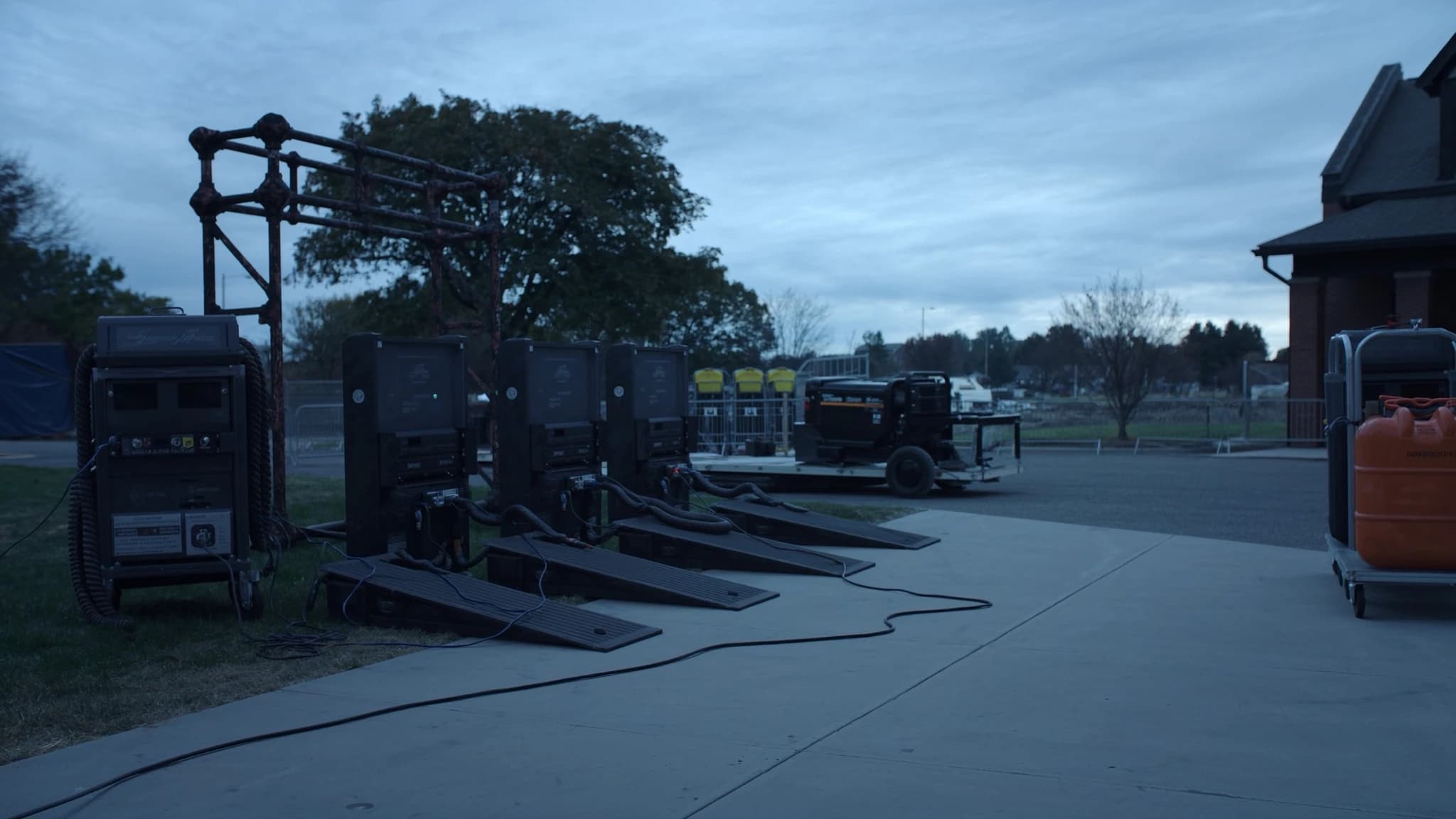
Bei Live-Events ist ein Stromausfall keine Option. Ein einzelner Ausfall kann eine Show verstummen lassen, Geräte beschädigen oder Sicherheitsrisiken verursachen. Dieser Leitfaden behandelt die wesentlichen Strategien für missionskritische Stromredundanz, von N+1- und Dual-Feed-Designs bis hin zu UPS-Schutz und Generatorsynchronisation, damit Ihr Audiosystem unter allen Umständen weiterläuft.
Wichtigste Punkte
- Implementieren Sie N+1-Redundanz auf Hauptversorgungs-, Verteiler- und Verstärkerrack-Ebene, um jeden einzelnen Ausfallpunkt zu überstehen.
- Dual-Feed-Verteilung stellt sicher, dass ein einzelner Schutzschalterauslöser nicht die gesamte PA verstummen lässt. Teilen Sie linke/rechte und Subs über Feeds auf.
- Verwenden Sie Doppelkonversions-USV für alle Konsolen, DSP und Netzwerk-Switches, um Spannungseinbrüche und Ausfälle ohne Neustart zu überbrücken.
- Automatische Umschalter müssen Closed-Transition sein und unter Last getestet werden, um momentane Unterbrechungen zu vermeiden.
- Erden Sie alle Audiogeräte sternförmig, um Masseschleifen durch redundante Strompfade zu verhindern.
- Führen Sie vor jedem Event vollständige Ausfallübungen durch, um Systemverhalten und Crew-Bereitschaft zu überprüfen.
N+1-Redundanz im Live-Sound verstehen
N+1-Redundanz bedeutet, eine Stromquelle oder einen Verteilungspfad mehr zu haben als das Minimum erfordert. Für ein PA-System mit 100 A Stromaufnahme bietet ein N+1-Design mindestens 100 A Backup-Kapazität, typischerweise über einen zweiten Feeder oder Generator. Dies stellt sicher, dass die Show ohne Unterbrechung weiterläuft, wenn eine einzelne Komponente ausfällt, ein Schutzschalter auslöst, ein Kabel durchtrennt wird oder ein Generator keinen Treibstoff mehr hat.
SSOUNDS-Ingenieure empfehlen N+1 an jeder kritischen Verbindungsstelle: Hauptversorgungseingang, Verteilerpanels und Verstärkerracks. In der Praxis bedeutet dies oft duale 200-A-Feeds von separaten Versorgungstransformatoren oder Generatoren, mit automatischen Umschaltern (ATS), die in unter 20 ms umschalten, schnell genug, dass DSP und Verstärker nie neu starten.
Dual-Feed-Stromverteilung für PA-Systeme
Dual-Feed-Verteilung teilt die Last auf zwei unabhängige Strompfade auf. Bei einem Line-Array-System können linke und rechte Hänge jeweils von separaten Stromkreisen gespeist werden, sodass ein einzelner Schutzschalterauslöser nicht beide Seiten lahmlegt. Ebenso sollten Subwoofer-Arrays und Frontfill-Lautsprecher über Feeds aufgeteilt werden.
SSOUNDS-Lautsprechersysteme sind mit dualen Stromeingängen an Verstärkerracks ausgestattet, sodass jedes Rack zwei unabhängige Feeds aufnehmen kann. In einem typischen Setup sind Verstärker für linke Arrays und Subs auf Feed A, während rechte Arrays und Fills auf Feed B liegen. Wenn Feed A ausfällt, läuft die Show in Mono mit reduziertem SPL weiter, weit besser als Stille.
UPS-Schutz für Konsolen, DSP und Netzwerk
Digitale Konsolen, DSP-Einheiten und Netzwerk-Switches sind am empfindlichsten gegenüber Stromstörungen. Ein Spannungseinbruch oder momentaner Ausfall kann Show-Dateien beschädigen, Routing zurücksetzen oder einen Systemabsturz verursachen, dessen Wiederherstellung Minuten dauert. Unterbrechungsfreie Stromversorgungen (UPS) mit reiner Sinuswellenausgabe und ausreichender Laufzeit (mindestens 10 Minuten bei Volllast) sind nicht verhandelbar.
SSOUNDS empfiehlt Doppelkonversions-(Online-)USV-Einheiten für alle kritischen Steuergeräte. Diese erzeugen kontinuierlich sauberen Wechselstrom und isolieren Geräte von Generatorrauschen, Frequenzverschiebungen und Spitzen. Für große Events vereinfacht eine zentrale UPS, die ein dediziertes 'Critical Loads'-Unterpanel speist, die Verwaltung und stellt sicher, dass alle Konsolen, DSP-Racks und Netzwerk-Switches jede Hauptstromunterbrechung überbrücken.
Automatische Umschalter und Generatorsynchronisation
Bei Verwendung mehrerer Generatoren oder eines Generators mit Netz-Backup müssen automatische Umschalter (ATS) für die volle Last ausgelegt und zu Closed-Transition-(Make-before-Break-)Umschaltung fähig sein, um auch nur eine momentane Unterbrechung zu vermeiden. Bei großen Shows erfordert die Parallelschaltung von Generatoren Synchronisierer, die Spannung, Frequenz und Phase vor dem Verbinden abgleichen.
SSOUNDS-Ingenieure raten, die gesamte Umschaltsequenz während des Load-ins zu testen, nicht nur im Leerlauf. Ein häufiger Ausfallpunkt ist der ATS-Steuerkreis selbst. Stellen Sie sicher, dass er über eine eigene UPS oder Batterie-Backup verfügt. Überprüfen Sie außerdem, ob die Generatorregler schnell genug reagieren, um den plötzlichen Lastsprung beim ATS-Transfer zu bewältigen, insbesondere bei modernen Schaltnetzteilen mit hohen Einschaltströmen.
Schutz von Audio- und Steuerlasten vor Masseschleifen und Rauschen
Redundante Strompfade können Masseschleifen einführen, wenn sie nicht ordnungsgemäß verbunden sind. Verwenden Sie isolierte Erdungssteckdosen für Audiogeräte und stellen Sie sicher, dass alle Verteiler eine einzige niederimpedante Erdungsreferenz teilen. SSOUNDS empfiehlt eine Sternerdungs-Topologie: Alle Audio-Erdungen führen zu einem einzigen Punkt am FOH- oder Amp-Patchpanel zurück, ohne Ground-Lift-Schalter an Stromverteilern.
Für Steuernetzwerke (Dante, AVB, MADI) verwenden Sie managed Switches mit redundanten Stromversorgungen und RSTP (Rapid Spanning Tree Protocol), um Netzwerkpfade wiederherzustellen, wenn ein Switch ausfällt. SSOUNDS-DSP-Einheiten verfügen über duale Ethernet-Ports für Daisy-Chain- oder redundante Ring-Topologien, sodass Steuer- und Audiodaten einen Kabelbruch oder Switch-Ausfall überleben.
Planung für den Ausfall: Lasttests und Notfallübungen
Das beste Redundanzdesign versagt ohne ordnungsgemäße Tests. Vor jedem großen Event empfiehlt SSOUNDS einen vollständigen Lasttest: Betreiben Sie die PA 30 Minuten lang auf Show-Pegel mit Primärstrom, simulieren Sie dann einen Ausfall, indem Sie den Hauptschutzschalter auslösen oder einen Feeder abziehen. Überprüfen Sie, ob der ATS umschaltet, die UPS übernimmt und Audio innerhalb des erwarteten Zeitrahmens zurückkehrt.
Dokumentieren Sie jeden Strompfad, kennzeichnen Sie alle Schutzschalter klar und weisen Sie die gesamte Crew in das Redundanzschema ein. Benennen Sie einen dedizierten Stromtechniker, der weiß, welche Lasten kritisch sind und wie manuell umgeschaltet wird, wenn automatische Systeme versagen. Halten Sie Ersatz-Feeder-Kabel, Steckverbinder und einen tragbaren Generator für Outdoor-Events bereit. Denken Sie daran: Redundanz ist nur so gut wie die Menschen, die sie warten.
Häufige Fragen
Was ist der Unterschied zwischen N+1- und 2N-Redundanz?
N+1 stellt eine zusätzliche Kapazitätseinheit bereit (z. B. einen zusätzlichen Generator), während 2N das gesamte System dupliziert (zwei unabhängige Generatoren, jeder in der Lage, die volle Last zu tragen). 2N ist robuster, aber deutlich teurer. Für Live-Events ist N+1 mit Dual-Feed-Verteilung in der Regel ausreichend.
Kann eine UPS meine Verstärker schützen?
Die meisten Verstärker ziehen zu viel Strom für eine praktikable UPS. Schützen Sie stattdessen die Steuerelektronik (Konsolen, DSP, Netzwerk) mit UPS und verwenden Sie Generator- oder Dual-Feed-Redundanz für Verstärker. Einige High-End-Touring-Racks enthalten große UPS-Einheiten für kurzfristige Überbrückung, aber das ist selten.
Wie verhindere ich, dass Generatorfrequenzdrift mein DSP beeinflusst?
Verwenden Sie Doppelkonversions-USV für alle DSP- und Netzwerkgeräte. Diese USV-Einheiten erzeugen unabhängig von der Generatorausgabe eine saubere 50/60-Hz-Sinuswelle und isolieren Ihre Geräte von Frequenz- und Spannungsschwankungen.
Wie viel Mindestlaufzeit benötige ich von einer UPS?
Mindestens 10 Minuten bei Volllast, um den Generatorstart oder manuellen Transfer zu ermöglichen. Für kritische Shows streben Sie 20-30 Minuten an, um längere Ausfälle oder mehrere Transferversuche zu bewältigen.
Sollte ich Ground Lift an Audiogeräten verwenden, um Brummen zu beheben?
Heben Sie niemals die Sicherheitserde an Stromkabeln auf. Verwenden Sie stattdessen Signal-Isolationsübertrager, symmetrische Verbindungen und ordnungsgemäße Sternerdung. Das Aufheben der Erdung erzeugt eine Stromschlaggefahr und kann Geräte beschädigen.
System aufbauen oder aufrüsten?
SSOUNDS entwickelt und fertigt professionelle PA weltweit, vom einzelnen Raum bis zur Stadiongröße.