Drehstrom für Live-Events
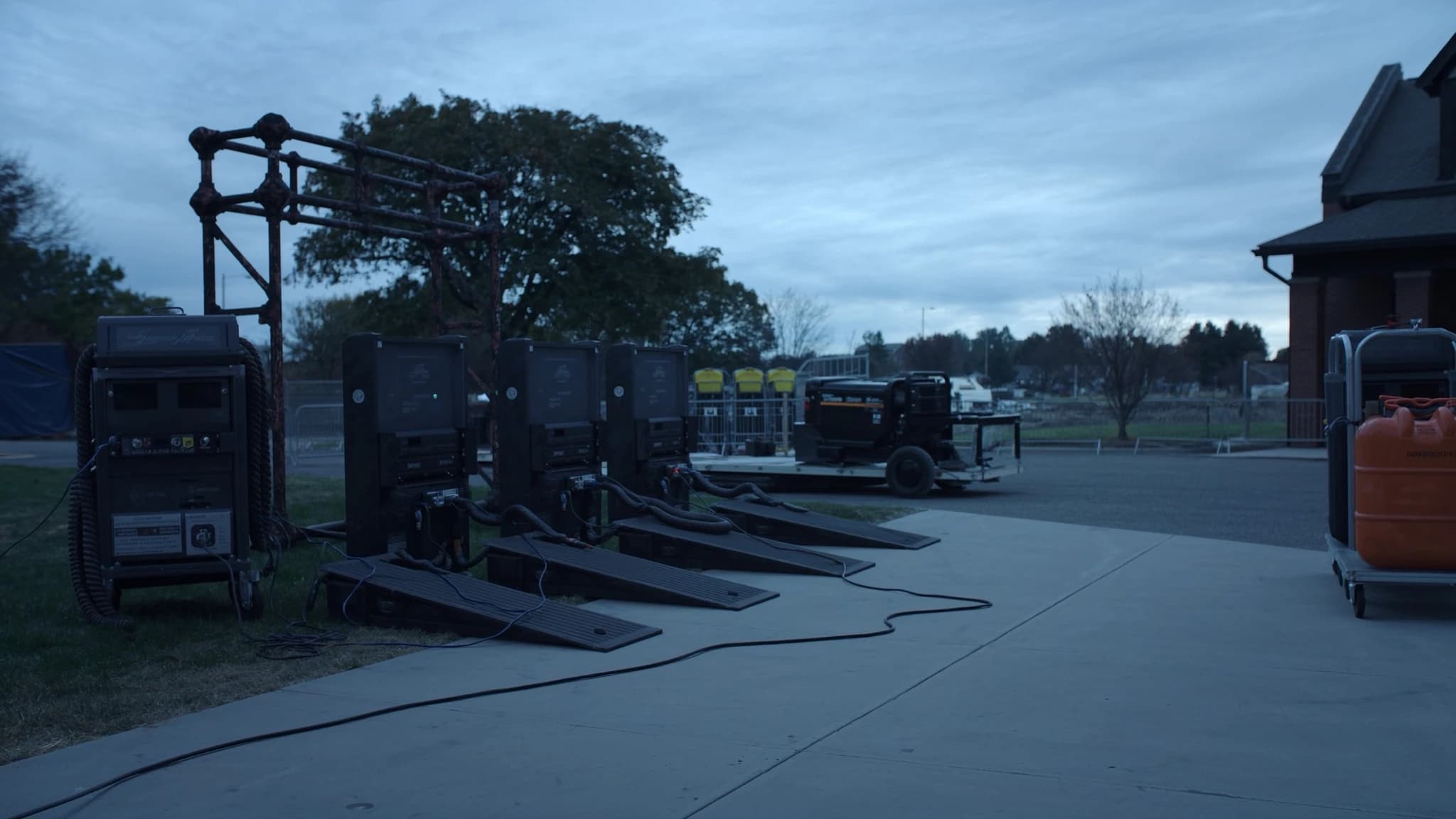
Drehstrom ist das Rückgrat großer Live-Events und bietet die Kapazität und Zuverlässigkeit, die benötigt wird, um Audio-, Licht- und Videosysteme gleichzeitig zu betreiben. Das Verständnis für den sicheren und effizienten Umgang mit Drehstrom ist für jeden Tontechniker oder Event-Techniker unerlässlich. Dieser Leitfaden behandelt die Grundlagen, von den Spannungsgrundlagen bis zur Lastverteilung und -verteilung.
Wichtigste Punkte
- Drehstrom bietet höhere Kapazität und Effizienz als Einphasenstrom für große Events.
- Verstehen Sie den Unterschied zwischen Leiterspannung (Phase-zu-Phase) und Phasenspannung (Phase-zu-Neutralleiter), um Geräteschäden zu vermeiden.
- Verteilen Sie Lasten über alle drei Phasen, um Überhitzung und Schutzschalterauslösungen zu verhindern.
- Verwenden Sie geeignete Distros, Kabel und Steckverbinder (CEE bis 125A, Powerlock für höhere Ströme).
- Berechnen Sie den Gesamtstrombedarf mit einer Sicherheitsmarge von 20-30% für Audio, Licht und Video.
- Priorisieren Sie immer die Sicherheit: Überprüfen Sie die Erdung, verwenden Sie RCDs und schulen Sie die Crew in Verfahren.
Einphasen- vs. Drehstrom
Einphasenstrom ist in Wohn- und kleinen Gewerbeumgebungen üblich und liefert Strom über zwei Drähte (Phase und Neutralleiter) bei einer typischen Spannung von 120V oder 230V. Er ist ausreichend für kleine PA-Systeme und Lichtanlagen, wird jedoch schnell unzureichend für größere Events, bei denen der Gesamtstrombedarf 10-15 kW übersteigt.
Drehstrom verwendet drei Wechselströme, die um 120 Grad versetzt sind, und wird über drei Phasenleiter (L1, L2, L3) und optional einen Neutralleiter geliefert. Diese Konfiguration bietet eine konstantere Stromlieferung, höhere Effizienz und die Fähigkeit, Lasten bis zu Hunderten von Kilowatt zu bewältigen. Für Live-Events ist Drehstrom der Standard für die Stromverteilung über eine Grundkonfiguration hinaus.
Leiterspannung vs. Phasenspannung
In einem Drehstromsystem gibt es zwei wichtige Spannungsmessungen: die Phasenspannung (Vph) und die Leiterspannung (Vline). Die Phasenspannung ist die Spannung zwischen einer Phase und dem Neutralleiter. Die Leiterspannung ist die Spannung zwischen zwei beliebigen Phasen. Für eine Sternschaltung (Wye) gilt: Vline = √3 × Vph. Zum Beispiel beträgt bei einer Phasenspannung von 230V die Leiterspannung etwa 400V.
Die meisten Audio- und Lichtgeräte arbeiten mit Einphasenstrom (Phase zu Neutralleiter), während größere Lasten wie Motoren oder bestimmte Distro-Eingänge die Leiterspannung verwenden. Das Verständnis dieses Unterschieds ist entscheidend für die Dimensionierung von Kabeln und die Auswahl von Steckverbindern. SSOUNDS-Ingenieure überprüfen immer die Versorgungskonfiguration, bevor sie Geräte anschließen, um Schäden zu vermeiden.
Lastverteilung über die Phasen
Die Lastverteilung über alle drei Phasen ist entscheidend für Systemstabilität und Effizienz. Eine unsymmetrische Last kann Spannungsschwankungen, Überhitzung von Neutralleitern und das Auslösen von Schutzschaltern verursachen. Idealerweise sollte die Stromaufnahme auf jeder Phase so gleich wie möglich sein.
Praktische Tipps: Verteilen Sie Audio-Racks, Lichtdimmer und Videoprozessoren gleichmäßig über die Phasen. Verwenden Sie einen Leistungsanalysator, um den Strom auf jedem Zweig während des Aufbaus zu messen. SSOUNDS empfiehlt, alle Stromkreise nach Phase zu kennzeichnen und eine Lastberechnungstabelle zur Planung der Verteilung zu verwenden. Wenn beispielsweise eine Phase Subwoofer (hoher Strom) versorgt und eine andere nur Monitore, verlagern Sie einige Subwoofer, um auszugleichen.
Verteilung (Distro) und Verkabelung
Eine Stromverteilungseinheit (Distro) nimmt die eingehende Drehstromversorgung und teilt sie in mehrere Einphasenstromkreise auf. Distros gibt es in verschiedenen Größen, von kleinen 63A-Einheiten bis zu großen 400A+ Systemen für Festivals. Sie enthalten Hauptschalter, Abzweigschalter und oft eine Messung für jede Phase.
Die Verkabelung muss für den erwarteten Strom und die Spannung ausgelegt sein. Für Drehstromleitungen verwenden Sie 5-adriges Kabel (3 Phasen, Neutralleiter, Erdung) mit geeignetem Querschnitt. Gängige Größen: 16mm² für 63A, 35mm² für 125A. Verwenden Sie immer farbcodiertes Kabel oder Klebeband: braun/schwarz/grau für Phasen, blau für Neutralleiter, grün/gelb für Erdung. SSOUNDS-Ingenieure überprüfen vor jedem Event die Kabelisolierung und Steckverbinder auf Schäden.
Steckverbinder: CEE und Powerlock
CEE-Steckverbinder (IEC 60309) sind die gebräuchlichsten für die temporäre Stromverteilung. Sie sind nach Spannung und Frequenz farbcodiert: blau für 230V Einphasenstrom, rot für 400V Drehstrom. Die Größen reichen von 16A bis 125A. Diese Steckverbinder sind spritzwassergeschützt und verriegelbar, was sie ideal für Outdoor-Events macht.
Powerlock-Steckverbinder (oder Cam-Lock) werden für Hochstromanwendungen (125A und darüber) verwendet. Sie bestehen aus einzelnen farbcodierten Steckern, die in ein Panel eingesteckt werden. Sie sind schneller zu verbinden und zu trennen als CEE, erfordern jedoch mehr Sorgfalt, um die korrekte Phasenausrichtung sicherzustellen. SSOUNDS verwendet Powerlock für Hauptzuleitungen und CEE für die Unterverteilung zu Racks.
Dimensionierung der Versorgung für Audio, Licht und Video
Um die Versorgung zu dimensionieren, berechnen Sie den Gesamtstrombedarf aller Geräte, einschließlich Audioverstärker, Lichtgeräte, Videoprojektoren und Zubehör. Fügen Sie eine Sicherheitsmarge von 20-30% für Spitzen und zukünftige Erweiterungen hinzu. Zum Beispiel könnte ein mittelgroßes Konzert 100A Drehstrom (etwa 69 kW bei 400V) erfordern.
Audiosysteme sind aufgrund von transienten Spitzen oft am anspruchsvollsten. SSOUNDS Line-Arrays und Subwoofer sind auf hohe Effizienz ausgelegt, erfordern jedoch dennoch eine sorgfältige Berechnung. Beleuchtung (LED oder Moving Heads) und Video (LED-Wände) können erheblichen Dauerstrom ziehen. Verwenden Sie eine Strombudget-Tabelle und konsultieren Sie den Elektriker des Veranstaltungsortes, um die verfügbare Kapazität zu bestätigen.
Sicherheit und bewährte Verfahren
Überprüfen Sie immer, ob die Versorgung ordnungsgemäß geerdet ist und alle Geräte verbunden sind. Verwenden Sie Fehlerstromschutzschalter (RCDs) für den Personenschutz. Überschreiten Sie niemals die Nennkapazität von Kabeln oder Steckverbindern. Kennzeichnen Sie alle Stromkreise klar und führen Sie ein Einliniendiagramm des Verteilungssystems.
Überprüfen Sie vor dem Anschließen mit einem Multimeter die Spannung zwischen den Phasen und zwischen Phase und Neutralleiter. Stellen Sie sicher, dass der Distro beim Herstellen von Verbindungen ausgeschaltet ist. Schulen Sie alle Crews in Lockout/Tagout-Verfahren. SSOUNDS bietet Schulungen für seine Vermietungspartner zu sicheren Strompraktiken an und betont, dass ein gut geplantes Stromsystem die Grundlage eines erfolgreichen Events ist.
Häufige Fragen
Kann ich einen Drehstrom-Distro aus einer Einphasenquelle betreiben?
Nein, ein Drehstrom-Distro benötigt eine Drehstromversorgung. Wenn nur Einphasenstrom verfügbar ist, müssen Sie einen Einphasen-Distro oder einen Phasenumformer verwenden, wobei letzterer bei Live-Events selten eingesetzt wird. Überprüfen Sie immer die Versorgung des Veranstaltungsortes, bevor Sie planen.
Was passiert, wenn die Phasen unsymmetrisch sind?
Unsymmetrische Lasten verursachen einen Neutralleiterstrom, der den Neutralleiter überhitzen und Spannungsabfälle auf stark belasteten Phasen verursachen kann. Dies kann zu Fehlfunktionen von Geräten oder zum Auslösen von Schutzschaltern führen. Balancieren Sie immer so genau wie möglich aus.
Welche Kabelgröße benötige ich für eine 125A-Drehstromzuführung?
Für eine 125A-Drehstromzuführung verwenden Sie 35mm² 5-adriges Kabel (oder 4-adrig plus separater Erdung). Die genaue Größe hängt von der Kabellänge und den örtlichen Vorschriften ab. Konsultieren Sie immer einen qualifizierten Elektriker.
Benötige ich einen Neutralleiter für alle Drehstromanschlüsse?
Für Sternschaltungen (Wye) ist ein Neutralleiter für Einphasenlasten erforderlich. Für Dreieckschaltungen (Delta) wird kein Neutralleiter bereitgestellt. Die meisten Event-Distros sind Sternschaltungen mit Neutralleiter. Bestätigen Sie immer den Versorgungstyp.
Wie messe ich den Strom auf jeder Phase?
Verwenden Sie eine Stromzange um jeden Phasenleiter (L1, L2, L3) einzeln. Klemmen Sie nicht um mehrere Leiter gleichzeitig. Messen Sie am Distro-Eingang oder am Hauptverteiler. Notieren Sie die Werte und passen Sie die Lasten an, um auszugleichen.
System aufbauen oder aufrüsten?
SSOUNDS entwickelt und fertigt professionelle PA weltweit, vom einzelnen Raum bis zur Stadiongröße.