AI自動ハウリング抑制の解説
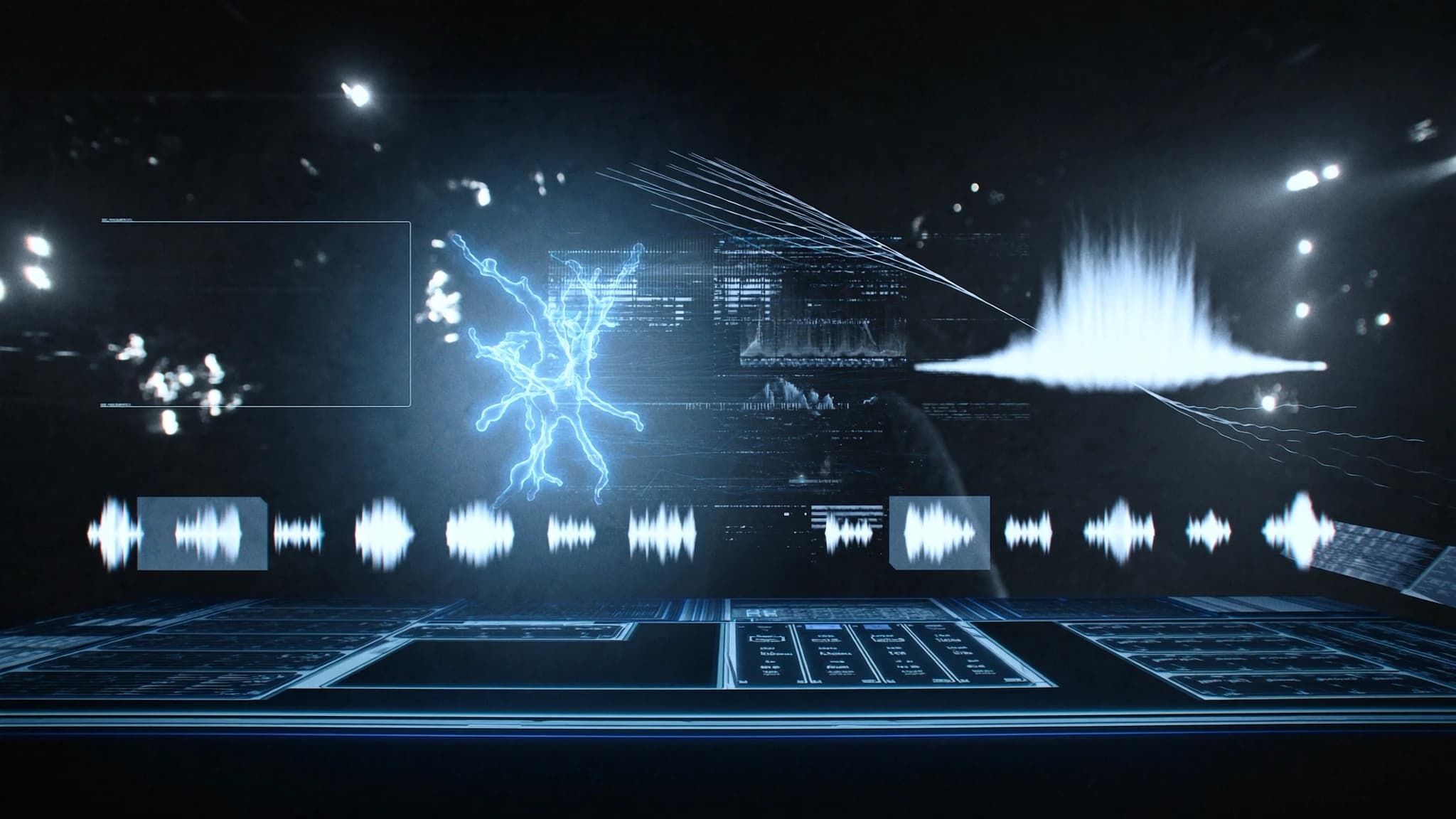
AI駆動のハウリング抑制は、機械学習を用いてハウリングが可聴になる前に検出・除去することで、ライブサウンドを変革しています。ハウリング発生後に反応する従来の方法とは異なり、AIシステムはスペクトル内容をリアルタイムで分析し、共振の蓄積を予測し、外科手術のような精度で適応ノッチフィルタリングを適用します。SSOUNDSは高度なAIハウリング抑制をDSPエコシステムに統合し、クリーンでハウリングマージンの高いパフォーマンスを実現する強力なツールをエンジニアに提供します。
主なポイント
- AIハウリング抑制は、リアルタイムスペクトル分析とMLを使用して、ハウリングが可聴になる前に検出します。
- 適応ノッチフィルターは動的に調整され、静的なEQカットよりも音質を良好に保ちます。
- SSOUNDSのシステムは、サウンドチェック中に部屋の共振を学習し、より迅速で正確な抑制を実現します。
- AI抑制は強力なツールですが、適切なシステムチューニングとステージクラフトを補完するものであるべきです。
- ライブデータからの継続的なモデルトレーニングにより、時間の経過とともにパフォーマンスが向上します。
- SSOUNDSはAI抑制を全製品範囲に統合し、一貫したインテリジェントなハウリング制御を提供します。
従来のハウリング抑制が不十分な理由
従来のハウリング管理は、サウンドチェック時に設定されるグラフィックイコライザーやパラメトリックフィルターに依存しています。これらの静的なノッチは固定された共振周波数にのみ有効ですが、室内音響、マイクの配置、演奏者の動きによってハウリング周波数は動的に変化します。エンジニアはしばしば音質を犠牲にする大幅なEQカットに頼らざるを得ません。
自動ハウリングサプレッサー(AFS)は数十年前から存在し、ハウリング検出によってトリガーされる固定ノッチフィルターを使用しています。しかし、通常はハウリングがすでに始まってから反応するため、フィルターが作動する前に可聴な「リンギング」や「ハウリング」が発生します。また、ハウリングと音楽コンテンツを区別する知能が欠けており、誤検出によって必要な周波数が失われることがあります。
AIの優位性:リアルタイムスペクトル分析
AI駆動のハウリング抑制は、オーディオ信号の継続的なスペクトル分析から始まります。ニューラルネットワークは、ハウリングの初期兆候(狭帯域のエネルギー蓄積、位相コヒーレンス、指数関数的な成長パターン)を認識するために、数千時間のライブ録音でトレーニングされています。SSOUNDSの実装では、サブミリ秒間隔でFFT分析を実行する専用DSPコアを使用しています。
AIモデルは、可聴になる前に潜在的なハウリング周波数を特定し、従来の方法よりも50~100ミリ秒早くリンギングの発生を検出することがよくあります。この先制的な能力により、システムは可聴なアーティファクトなしに問題の周波数を滑らかに減衰させる穏やかな適応ノッチフィルターを適用できます。
適応ノッチフィルタリング:妥協のない精度
ハウリング周波数が特定されると、AIは適応ノッチフィルターをトリガーします。固定ノッチとは異なり、これらのフィルターは動的です。その深さ、幅、中心周波数は、ハウリングの深刻さと持続性に基づいてリアルタイムで調整されます。SSOUNDSのフィルターは、位相シフトと群遅延を最小限に抑える独自のアルゴリズムを使用し、ミックスの自然な音を保持します。
システムはまた、サウンドチェック中に「学習」モードを採用し、部屋の共振モードをマッピングして潜在的なフィルターのバンクを事前設定します。ショー中、AIはリアルタイム分析をこの学習したマップと照合し、反応時間をさらに短縮します。ハウリングのリスクが収まるとフィルターは自動的に解除され、不要なEQが適用されないようにします。
機械学習による検出:蓄積する前のリンギング
核心的な革新は、「リンギング」のMLベースの検出です。これは、周波数が共振し始めるときに発生するハウリング前の振動です。AIは狭帯域でのエネルギー増加率を分析し、安定した音楽コンテンツのモデルと比較します。成長曲線がハウリングを示すしきい値を超えると、システムが作動します。
SSOUNDSは、音声、ボーカル、アコースティック楽器、増幅されたソースを含む多様なデータセットでモデルをトレーニングし、誤トリガーを回避します。その結果、持続的なギターフィードバックやボーカルのビブラートなど、単純なアルゴリズムを欺く可能性のある複雑な音楽パッセージ中でも透過的に機能する抑制システムが実現しました。
AIハウリング抑制の強みと限界
強み:AI抑制は、ハウリングマージンの向上、EQカットの少ないクリーンな音、変化する音響への適応性を提供します。ショー中のエンジニアの作業負荷を軽減し、困難な部屋環境を救うことができます。SSOUNDSのシステムは、ラインアレイとDSPとシームレスに統合され、統一されたソリューションを提供します。
限界:AI抑制は、適切なシステムチューニング、マイクテクニック、ステージレイアウトの代替にはなりません。極端なハウリングイベントや、トレーニングデータに含まれない異常な音源によって欺かれる可能性があります。分析チェーンには、最小限ではありますがレイテンシが存在します。ベストプラクティスは、AI抑制を主要なツールではなく安全ネットとして使用することです。
AIハウリング抑制を使用するためのベストプラクティス
1. 適切にチューニングされたPAから始める:AI抑制を作動させる前に、SSOUNDSのシステムアライメントツールを使用してフラットな応答と適切なカバレッジを実現します。2. 保守的なしきい値を設定する:過度に積極的な抑制はミックスを鈍らせる可能性があります。3. サウンドチェック中に学習モードを使用して部屋の共振をマッピングします。4. システムを監視する:AIでもまれなイベントを見逃す可能性があるため、注意を怠らないでください。5. 物理的なベストプラクティスと組み合わせる:モニターをマイクの軸から外し、単一指向性パターンを使用し、ステージ音量を管理します。
SSOUNDSは、エンジニアがAIの感度、フィルターの深さ、リリース時間を調整できるユーザーインターフェースを提供し、完全な制御を可能にします。システムはまた、ショー後の分析のためにハウリングイベントを記録し、将来のパフォーマンスのためのセットアップの改善に役立てます。
SSOUNDSのAIハウリング抑制へのアプローチ
SSOUNDSは、AIハウリング抑制をDSPプラットフォームの中核機能として統合し、ラインアレイ、ポイントソーススピーカー、ステージモニター全体で利用可能です。このシステムは、SSOUNDSの高度なFIRフィルタリングと位相補正と連携して動作するように設計されており、抑制が全体的な音響コヒーレンスを損なわないようにします。
エンジニアは出力チャンネルごとにAI抑制を有効にでき、モニターミックスや問題のあるゾーンを的を絞って制御できます。SSOUNDSは、数百のプロダクションからのフィールドデータを通じてMLモデルを継続的に改良し、ファームウェア更新ごとにシステムをよりスマートにしています。このAI駆動のイノベーションへの取り組みにより、SSOUNDSはインテリジェントなライブサウンド強化の最前線に位置しています。
よくある質問
AIハウリング抑制はハウリングを完全に排除できますか?
いいえ、完全に排除することはできませんが、ハウリングの発生を大幅に減らし、ハウリングマージン(ゲインビフォアフィードバック)を向上させることができます。適切なマイクテクニックとPAのチューニングを含む包括的なシステムアプローチの一部として使用するのが最も効果的です。
AI抑制は音質に影響しますか?
適切に設計されていれば、影響は最小限です。SSOUNDSの適応フィルターは透過的になるよう設計されており、通常動作時に可聴なアーティファクトは発生しません。過度に積極的な設定は音を鈍らせる可能性があるため、保守的なしきい値を推奨します。
SSOUNDSのAI抑制は標準的な自動ハウリングサプレッサーとどう違いますか?
標準的なAFSユニットはハウリングが始まってから反応し、固定ノッチを使用します。SSOUNDSのAIはハウリングが発生する前に予測し、リアルタイムで変化する適応フィルターを使用し、室内音響を学習してより迅速かつ正確に応答します。
AIハウリング抑制はすべてのSSOUNDS製品で利用できますか?
SSOUNDSのプロフェッショナルラインアレイ、ポイントソーススピーカー、ステージモニターを駆動するDSPプラットフォームに統合されています。対応状況は製品仕様をご確認ください。
AI抑制を使用する場合でもグラフィックイコライザーは必要ですか?
はい、システム全体のチューニングと音色調整のために必要です。AI抑制はハウリング管理ツールであり、EQの代替ではありません。適切にチューニングされたシステムは常により良い音で、より安定します。
システムの構築やアップグレードをお考えですか?
SSOUNDSは、単一の部屋からスタジアム規模まで、プロ用PAを世界中で設計・製造しています。