AIはライブサウンドエンジニアを代替できるか?
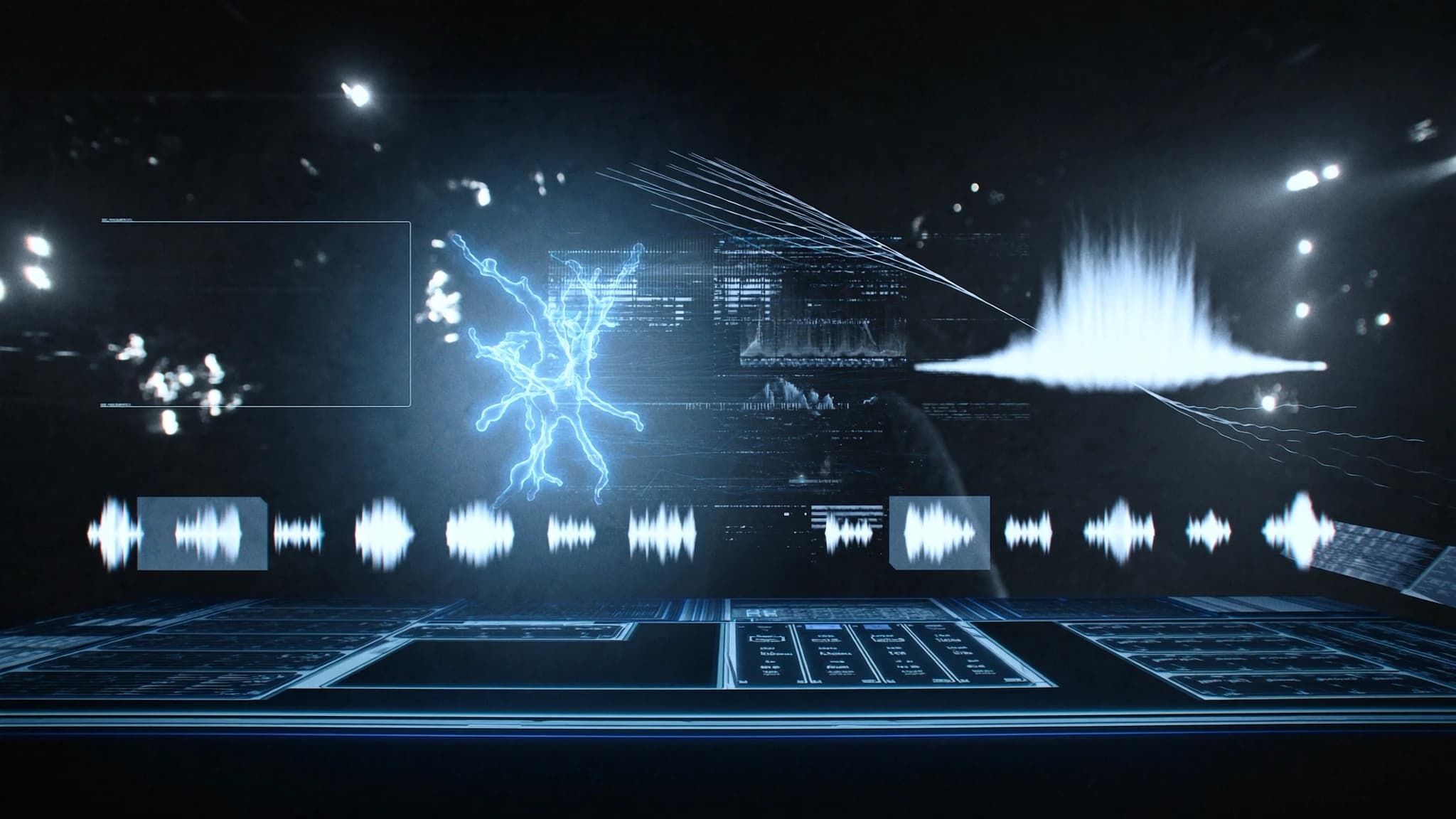
人工知能が医学から音楽まで業界を再形成する中、ライブサウンドエンジニアは差し迫った疑問を抱いています。AIは私たちを代替するのか?正直な答えは微妙です。AIは反復的でデータ駆動型のタスクの自動化、EQの最適化、フィードバックの検出、さらにはシステム動作の予測に優れていますが、優れたライブサウンドエンジニアを定義する創造的な直感、文脈認識、人間の判断を再現することはできません。このガイドでは、AIができることとできないこと、そしてエンジニアの役割が消えるのではなく進化している方法を探ります。
主なポイント
- AIはフィードバック検出、EQ最適化、システム健全性監視などの反復的な技術タスクの自動化に優れています。
- AIは人間の直感、文脈認識、予測不可能なライブイベント中の即興能力を再現できません。
- ライブサウンドエンジニアの役割は、技術的労働から創造的・戦略的意志決定へと移行しています。
- 経験を通じて築かれる信頼とセンスは、AIが学べない資質です。
- AIをツールとして受け入れるエンジニアは、より効率的で価値が高くなります。
- 最高のライブサウンドは、人間の専門知識とインテリジェントテクノロジーのパートナーシップから生まれます。
ライブサウンドでAIが得意なこと
AI搭載ツールはすでにライブサウンドをより効率的にしています。機械学習アルゴリズムは部屋の音響をリアルタイムで分析し、EQ調整を提案し、フィードバック周波数を自動的に検出してノッチをかけ、分散システムの遅延時間を最適化できます。例えば、SSOUNDSのエンジニアはシステム設計中にAI支援による音響モデリングを使用して、スピーカーが1台も吊られる前にカバレッジと明瞭度を予測し、手計算と現場での調整に何時間も節約しています。
AIは反復的なモニタリングタスクにも優れています。自動ミキシングアシスタントは、スピーチイベントのレベルをバランスさせたり、ポッドキャストフィードのコンプレッションを調整したりして、エンジニアが創造的な判断に集中できるようにします。大規模なプロダクションでは、AIがシステムの健全性を継続的に監視し、ダウンタイムを引き起こす前に故障したコンポーネントや熱問題にフラグを立てることができます。これらの機能は人為的ミスを減らし、特に予測可能で制御された環境でワークフローを加速します。
AIが及ばないところ:人間の要素
ライブサウンドは単に技術的な精度だけでなく、パフォーマンスに奉仕することです。優れたエンジニアは部屋を読み取ります。観客のエネルギー、アーティストの気分、アルゴリズムが予測できないステージダイナミクスの微妙な変化です。ギタリストがソロのために前に出ると、エンジニアは本能的にフェーダーを操作してその瞬間に合わせます。リードシンガーの声が感情でかすれると、エンジニアはリバーブとコンプレッションを調整して生の感情を保ちます。AIはこれらの文脈的で共感的な判断を下すことはできません。
さらに、ライブサウンドは本質的に予測不可能です。電源低下、ケーブルの断線、予期しないモニター位置からのフィードバックループ、これらは瞬時の問題解決と創造的な回避策を必要とします。AIはトレーニングデータの範囲内で動作します。予期しないことが起こったときに即興で対応することはできません。その場で考える能力、会場の独特な音響に適応する能力、アーティストやプロダクションチームと協力する能力は、人間のエンジニアの代替不可能な強みです。
ライブサウンドエンジニアの役割の変化
AIはエンジニアを代替するのではなく、退屈な技術的タスクからより高次の創造的・戦略的作業へと焦点を移しています。過去には、エンジニアはモニターのリンギングアウト、アレイのチューニング、ダイナミクスの手動調整に何時間も費やしていました。今日、AI支援ツールがその重労働の多くを処理し、エンジニアはミックスの芸術性、アーティストとのコミュニケーション、ショー全体の体験に集中できます。
この進化は、デジタルオーディオワークステーション(DAW)がテープのスプライシングと編集を自動化したときにレコーディングスタジオで起こったことと似ています。エンジニアは消えませんでした。彼らはより創造的になりました。同様に、AIを脅威ではなくツールとして受け入れるライブサウンドエンジニアは、より効率的でより価値があると感じるでしょう。SSOUNDSでは、エンジニアのスキルを置き換えるのではなく強化するようにDSPと予測ソフトウェアを設計しています。私たちのシステムはインテリジェントな提案を提供しますが、最終的な判断は常に人間の耳に委ねられます。
決して変わらないもの:信頼とセンス
優れたライブサウンドエンジニアを定義する2つの資質:信頼とセンス。信頼は経験から生まれ、特定のEQカーブが特定の部屋で機能すること、または特定のコンプレッサー設定がボーカリストのダイナミクスを処理することを知っています。センスは、ミックスを「正しく」聞こえさせる主観的な美学であり、パンチと温かさ、明瞭さと深みのバランスです。AIはデータから学ぶことができますが、多様な環境でライブ音楽を何年も聴いて培われた微妙なセンスを開発することはできません。
さらに、エンジニアとアーティストの関係は深く人間的です。アーティストはエンジニアに自分のサウンドを守り、ビジョンを観客に伝えることを頼ります。この信頼は共感、コミュニケーション、共有体験に基づいて築かれ、AIには再現できません。機械はトラックを完璧にミックスできるかもしれませんが、緊張したパフォーマーを安心させたり、特定のモニターミックスがアーティストにとってなぜ「違和感がある」のかを理解することはできません。
ライブサウンドエンジニアとしてキャリアを未来対応にする方法
AI時代に成功するエンジニアは、テクノロジーを活用しながら人間特有のスキルを倍加させる人々です。システム最適化にAIツールを使うことを学びつつ、耳、対人スキル、部屋を読む能力にもっと投資しましょう。音響学、信号の流れ、システム設計を深く理解しましょう。AIは支援できますが、基礎知識を置き換えることはできません。
また、アーティスト、会場、プロダクションチームとの関係を育みましょう。最高のギグはしばしば紹介と信頼から来るのであり、アルゴリズムからではありません。新しいテクノロジーに好奇心を持ち続け、ワークショップに参加し、新しいソフトウェアを試し、AIがどのように仕事を楽にするかを理解しましょう。SSOUNDSでは、未来を人間の専門知識とインテリジェントツールのパートナーシップと見ており、競争とは見ていません。最高のサウンドは常に、AIに任せる時と自分が手綱を取る時を知る熟練したエンジニアから生まれます。
結論:AIは強化するが、代替はしない
AIはライブサウンドエンジニアにとって強力なアシスタントであり、日常的なタスクを自動化し、データ駆動型の洞察を提供します。しかし、優れたライブサウンドを定義する創造的な直感、文脈的判断、人間的なつながりには及びません。エンジニアの役割は進化しており、より戦略的で、より創造的で、メカニクスではなくミキシングの芸術に焦点を当てるようになっています。
適応する意欲のある人にとって、未来は明るいです。AIは面倒な作業を処理し、あなたは魔法を処理します。SSOUNDSがインテリジェントなラウドスピーカーシステムと予測ソフトウェアの開発を続ける中で、私たちの目標は常にエンジニアを力づけることであり、置き換えることではありません。最終的な答えは明確です。AIはライブサウンドエンジニアを決して代替しませんが、AIを使うエンジニアは使わないエンジニアを代替するでしょう。
よくある質問
AIはライブショーを完全に単独でミックスできますか?
信頼性の高い代替はできません。AIは会議のような予測可能なイベントでは特定のミキシング作業を自動化できますが、ダイナミクス、感情、即興性が鍵となるライブ音楽パフォーマンスに必要な文脈理解を欠いています。創造的な判断とリアルタイムの適応には人間のエンジニアが不可欠です。
AIはエントリーレベルのライブサウンドの仕事をなくしますか?
AIはモニターのリンギングアウトのような手作業の必要性を減らすかもしれませんが、システムのセットアップ、ケーブル配線、技術の習得に焦点を当てたエントリーレベルの役割は依然として存在します。必要なスキルは進化し、AIツールとシステム設計の理解により重点が置かれるようになります。
今日のライブサウンドワークフローでAIをどのように活用できますか?
システム予測(SSOUNDSの音響モデリングなど)、自動フィードバック抑制、部屋の音響のリアルタイム分析にAI搭載ソフトウェアを使用できます。一部のデジタルミキシングコンソールは、AI支援によるEQとコンプレッションの提案も提供しています。
AIは経験豊富なライブサウンドエンジニアにとって脅威ですか?
いいえ、適応する経験豊富なエンジニアは、AIが自分の能力を高めることを実感するでしょう。脅威となるのは、新しいツールを学ぶことを拒む人々です。AIは退屈な部分を処理し、エンジニアは芸術性とクライアントとの関係に集中できます。
AIが進歩する中で関連性を保つために何を学ぶべきですか?
音響学、システム設計、信号の流れについての理解を深めましょう。クリティカルリスニングを通じて耳を鍛えましょう。コミュニケーションや問題解決などのソフトスキルを磨きましょう。AIツールを補助輪ではなくアシスタントとして使うことを学びましょう。
システムの構築やアップグレードをお考えですか?
SSOUNDSは、単一の部屋からスタジアム規模まで、プロ用PAを世界中で設計・製造しています。