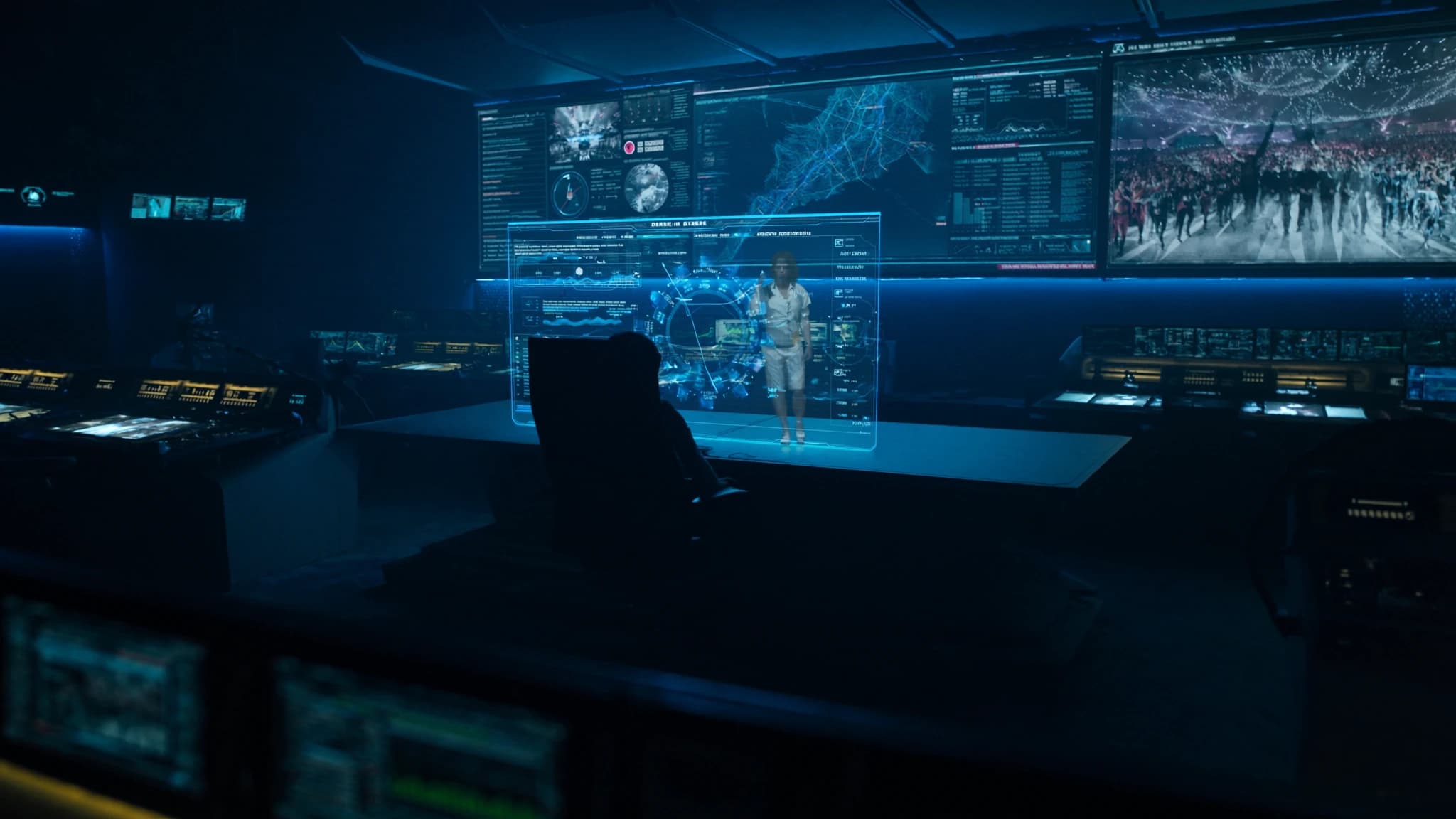
AI Camera Tracking and Live Broadcast: Smarter Production, Fewer Operators

AI-powered auto-tracking cameras and automated switching are transforming live broadcast production, enabling consistent, professional framing without a full crew. For houses of worship, corporate events, and streaming venues, this technology reduces operator headcount while maintaining high production value. SSOUNDS integrates these systems with professional audio to deliver seamless, broadcast-ready experiences.
Key takeaways
- AI auto-tracking cameras reduce the need for multiple operators while delivering consistent, professional framing.
- Systems use computer vision (skeletal/facial tracking) to follow subjects smoothly, with low latency.
- Automated switching can be triggered by audio or camera tracking data for hands-free production.
- Clean, directional audio is essential for accurate AI tracking; SSOUNDS DSP optimizes speech intelligibility.
- Integration with professional audio systems (Dante, analog) ensures seamless AV synchronization.
- Future trends include AI-driven multi-camera selection and immersive audio for richer broadcasts.
The Rise of AI in Live Camera Production
Traditional live broadcast requires multiple camera operators, a vision mixer, and a director — a costly setup that many venues cannot sustain. AI camera tracking systems use computer vision and machine learning to automatically follow presenters, speakers, or performers, keeping them centered and in focus. This technology has matured rapidly, with modern systems offering smooth, reliable tracking that rivals manual operation.
AI tracking works by analyzing video feeds in real time, identifying human subjects via skeletal tracking, facial recognition, or object detection. The system then pans, tilts, and zooms PTZ cameras to maintain optimal framing. Advanced algorithms predict movement, reducing latency and avoiding jarring corrections. For live broadcast, this means consistent shots without operator fatigue.
Key Components of an AI Auto-Tracking Broadcast System
A complete AI-driven broadcast setup includes PTZ cameras with built-in AI tracking or external tracking processors, a video switcher for automated or manual scene selection, and audio integration for clean sound. Many systems support NDI (Network Device Interface) for low-latency video over IP, simplifying cabling and enabling remote production.
Audio is critical: AI tracking often uses microphone arrays or wearable beacons to help the camera locate the speaker. SSOUNDS recommends pairing these systems with our professional microphones and DSP to ensure clear, noise-free audio that syncs perfectly with video. The audio feed can also trigger camera presets via automation software, adding another layer of intelligence.
Automated Switching and Framing: How It Works
Beyond tracking, AI can automate the switching between multiple cameras. For example, a wide shot can automatically cut to a close-up when a speaker starts talking, then return to wide when they pause. This is achieved through rules-based automation or machine learning that learns the event flow. Systems like vMix, OBS, or dedicated hardware switchers can be programmed to respond to camera tracking data.
Framing is handled by the camera's AI: it can keep a single presenter in a head-and-shoulders shot, or dynamically adjust to include multiple people. Some systems allow zone-based tracking, where the camera stays locked on a specific area (like a podium) until a person moves outside it. The result is a polished broadcast that looks manned, even when it's not.
Benefits for Houses of Worship, Corporate, and Streaming
For houses of worship, AI tracking eliminates the need for volunteer camera operators, freeing up staff for other roles. Services can be streamed with consistent quality, and the system can handle multiple speakers without manual intervention. Corporate events benefit from professional-looking webinars and town halls without hiring a production crew. Streaming venues can scale coverage across multiple stages with minimal operators.
SSOUNDS has worked with venues deploying AI camera systems alongside our line arrays and subwoofers to create immersive, broadcast-ready environments. The audio system must be tuned to avoid feedback and ensure clear pickup for the tracking system. Our engineers can design a unified AV solution where audio and video work in harmony.
Integration with Professional Audio Systems
AI camera tracking relies on clean audio for voice activation and subject identification. SSOUNDS recommends using directional microphones (e.g., gooseneck or headset) with our DSP to gate out background noise. The audio signal can be sent to the tracking system via Dante or analog outputs, triggering camera presets based on which microphone is active.
For larger venues, the audio system must be time-aligned and phase-coherent to avoid confusion for the AI. SSOUNDS' DSP presets include delay and EQ settings that optimize for speech intelligibility, which in turn improves tracking accuracy. We also offer system integration support to ensure the video and audio systems share a common clock and minimal latency.
Choosing the Right AI Tracking Solution
When selecting an AI camera system, consider tracking accuracy, latency, and ease of setup. Look for systems that offer both skeletal and facial tracking for robustness. PTZ cameras with built-in AI (like those from PTZOptics, Sony, or Panasonic) are popular, but external tracking processors can upgrade existing cameras. Ensure the system supports your desired output format (HDMI, SDI, NDI) and integrates with your switcher.
SSOUNDS does not manufacture cameras, but we partner with leading brands to deliver complete AV packages. Our team can advise on camera placement, lighting, and audio integration to maximize tracking performance. We also provide training and support to help you get the most from your AI broadcast system.
Future Trends: AI and Immersive Broadcast
The next frontier is AI-driven multi-camera production that automatically selects the best angle based on audio cues, motion, and facial expressions. Combined with spatial audio and immersive sound (like Dolby Atmos), AI can create a broadcast that feels more natural and engaging. SSOUNDS is exploring how our DSP can feed metadata to AI systems for even smarter automation.
As AI becomes more affordable, even small venues will adopt auto-tracking. The key is to pair it with high-quality audio that matches the video's professionalism. SSOUNDS remains committed to providing the audio backbone for these intelligent productions, ensuring every broadcast sounds as good as it looks.
Frequently asked
Can AI camera tracking work with any PTZ camera?
Not all PTZ cameras have built-in AI tracking, but many models from PTZOptics, Sony, and Panasonic offer it. Alternatively, external tracking processors can add AI to existing cameras via HDMI or SDI input.
How does AI tracking handle multiple speakers?
Advanced systems can track multiple subjects and switch between them based on who is speaking (using audio cues) or by following a preset sequence. Some systems allow zone-based tracking for panel discussions.
Do I need special lighting for AI tracking to work?
AI tracking works best with even, moderate lighting that avoids strong backlight or shadows. Most modern systems are robust in typical indoor lighting, but consistent illumination improves accuracy.
Can I use AI tracking for live streaming without a human operator?
Yes, many venues run fully automated streams using AI tracking and automated switching. However, a human monitor is recommended for troubleshooting and safety, especially for critical events.
How does SSOUNDS help with AI camera system integration?
SSOUNDS provides audio system design, DSP tuning, and integration support to ensure clean audio feeds for tracking and seamless synchronization with video. We also recommend compatible camera and switcher solutions.
Building or upgrading a system?
SSOUNDS engineers and manufactures professional PA worldwide — from a single room to stadium scale.