AI DJと自動ミキシング
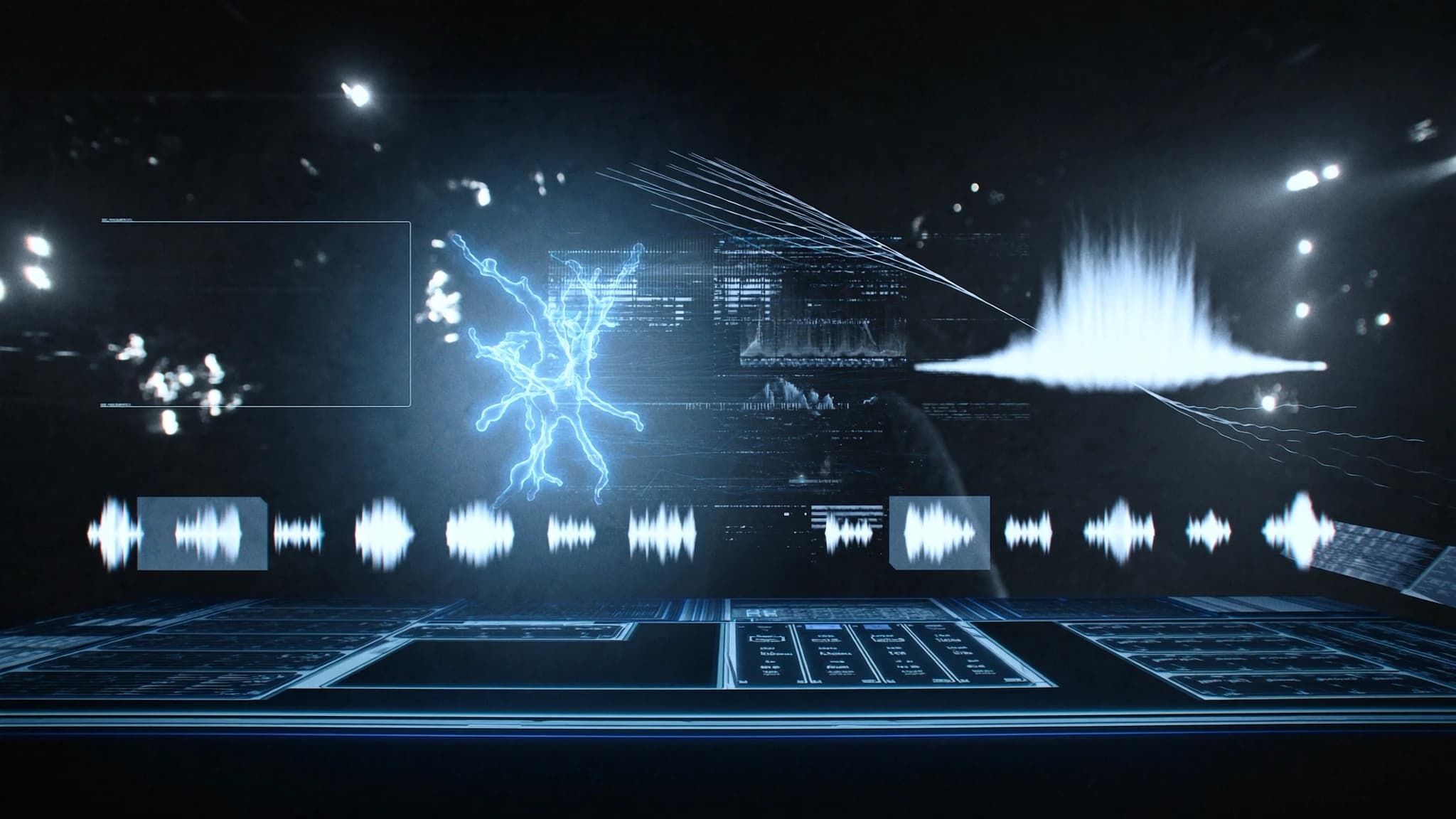
人工知能は、DJを純粋に手動の技術からハイブリッドな芸術形式へと変革しており、アルゴリズムが技術的な重労働を処理し、人間は創造性とフロアとのつながりに集中します。このガイドでは、自動ビートマッチングからエネルギー曲線の構築まで、AI支援ツールがDJのワークフローをどのように再形成しているか、そしてなぜ最高のセットが依然として人間の直感とセンスに依存しているかを探ります。
主なポイント
- AI DJツールはビートマッチング、同期、トラック選択を自動化し、DJを創造的な決定のために解放します。
- エネルギー曲線アルゴリズムはスムーズなトランジションでセットを計画するのに役立ちますが、感情的なインパクトには人間の直感が不可欠です。
- 自動同期とステム分離は、松葉杖ではなくアシスタントとして使用すると強力です。
- 最高のDJパフォーマンスは、AIのデータ駆動型精度とDJのライブ適応性を融合させます。
- 高品質のPAシステム(SSOUNDSなど)は、AI支援ミックスを忠実に再現するために重要です。
- AIは創造的なパートナーであり、代替品ではありません。人間のタッチはかけがえのないものです。
AI DJとは何か?
AI DJとは、機械学習と信号処理アルゴリズムを使用して、伝統的に人間のDJが行っていたタスクを自動化または支援することを指します。これには、ビートマッチング、テンポ同期、ハーモニックミキシング、トラック選択、さらにはリアルタイムのエネルギー曲線分析が含まれます。AIはDJを置き換えるのではなく、反復的で時間に敏感な操作を処理し、DJが部屋を読み、物語をプログラムし、創造的なトランジションを行うことに集中できるようにします。
Serato DJ Pro、Rekordbox、Virtual DJなどの主要なDJソフトウェアは、'Smart Sync'、'Key Sync'、'Auto Mix'などのAI機能を組み込んでいます。Pioneer DJ、Denon DJなどのハードウェアコントローラーには、AI支援のルーピングとエフェクト用の専用パッドとスクリーンが含まれています。目標は、認知負荷を軽減することであり、アーティストを排除することではありません。
自動ビートマッチングとテンポ同期
自動ビートマッチングは、AIを使用して各トラックのBPM(1分あたりのビート数)を検出し、それらのダウンビートを自動的に整列させます。現代のアルゴリズムは、複雑な拍子、スウィング、可変テンポのライブ録音を処理できます。これにより、DJは手動のピッチフェーダー調整から解放され、EQブレンド、フレージング、エフェクトに集中できます。
しかし、自動同期だけに頼ると、DJがフレージングを理解していない場合、無味乾燥なミックスにつながる可能性があります。最高のAIツールは、DJが同期を上書きまたは微調整できるように、視覚的なフィードバック(波形、ビートグリッド)を提供します。SSOUNDSのエンジニアは、大規模なサウンドシステムでは、サブウーファーでの位相キャンセルを避けるために正確なビート整列が重要であると指摘しています。AIは役立ちますが、DJの耳が最終的な判断者です。
AIトラック選択とエネルギー曲線の構築
AIは、ライブラリのメタデータ、キー、BPM、エネルギー レベル、ジャンル、ムードを分析して、現在のエネルギー曲線に一致する次のトラックを提案できます。Mixed In KeyやDJ.Studioのようないくつかのプラットフォームは、AIを使用して、望ましいエネルギーアーク(例:ウォームアップ、ピーク、クールダウン)に基づいてプレイリスト全体またはミックスシーケンスを生成します。これは、セットの事前計画や、変化する聴衆に迅速に適応する必要があるDJに特に役立ちます。
エネルギー曲線構築アルゴリズムは、聴衆の知覚エネルギーが時間とともにどのように変化するかをモデル化します。彼らは、ぎくしゃくしたジャンプを避け、強度をスムーズに増減させるトラックを推奨します。AIはシーケンスを提案できますが、人間のDJはそれに従うか、サプライズトラックのために逸脱するか、リクエストに応答するかを決定します。最高のセットは、AIのデータ駆動型提案とDJの感情知能を融合させます。
人間の要素:なぜAIにDJが必要なのか
AIはパターン認識と速度に優れていますが、部屋を読み、瞬間を感じ、リスクを取ることはできません。人間のDJはコンテキストをもたらします。彼らは、いつ地元のアンセムを再生するか、いつ珍しいリミックスをドロップするか、いつドラマチックな効果のためにルールを破るかを知っています。AI生成のミックスは技術的に完璧に聞こえるかもしれませんが、感情的に平坦です。
プロのDJはAIを副操縦士として使用します。たとえば、AIにビートマッチングを処理させ、ライブリミックス、ルーピング、またはアカペラの追加に集中することができます。フェスティバルやクラブのような高圧環境では、AIはエラーを減らしますが、DJのステージプレゼンス、トラック選択、ピボットする能力はかけがえのないものです。SSOUNDSシステムは、これらのニュアンスのあるパフォーマンスを明瞭さとインパクトで再現するように設計されています。
AI支援DJのためのツールとワークフロー
人気のあるAIツールには、Seratoの'Stems'(リアルタイムのボーカル/インストルメンタル分離用)、Rekordboxの'My Tag'(AIジャンルタグ付け)、Virtual DJの'Beatport LINK'統合(ストリーミングとAI推奨用)があります。オフライン計画では、DJ.StudioとMixed In KeyがAI駆動のミックス分析とプレイリスト生成を提供します。
典型的なワークフロー:1)トラックをインポートし、AIにBPM、キー、エネルギーを分析させる。2)AIを使用して大まかなミックスシーケンスを生成する。3)手動でトランジションを調整し、エフェクトを追加し、聴衆を喜ばせる曲を挿入する。4)セット中に自動同期を有効にするが、手動オーバーライドを準備しておく。5)AIステム分離を使用して即席のリミックスを作成する。このハイブリッドアプローチは、創造性を犠牲にすることなく効率を最大化します。
未来:創造的なパートナーとしてのAI
AIが進化するにつれて、より深い統合が見られるでしょう:カメラやウェアラブルを介したリアルタイムの聴衆分析、ダンスフロアの密度に応答する適応ミキシング、DJのスタイルを学習するAI生成のトランジション。しかし、核心原則は残ります:AIはツールであり、代替品ではありません。最も記憶に残るDJセットは、人間の感情とAIの精度が組み合わさったものです。
サウンド強化に関して、SSOUNDSのエンジニアは、AI支援DJが高忠実度で一貫したPAシステムを要求すると強調しています。DJが微妙なEQ変更と正確なタイミングに依存する場合、PAは色付けなしでそれらの詳細を再現する必要があります。SSOUNDSラインアレイとサブウーファーは、そのような透明性のために設計されており、AI支援のニュアンスが意図したとおりに聴衆に届くようにします。
よくある質問
AIは人間のDJを置き換えますか?
いいえ。AIは技術的なタスクを処理しますが、優れたDJを定義する感情知能、フロアの読み、即興性を欠いています。それは強化するツールであり、置き換えるものではありません。
初心者に最適なAI DJソフトウェアは何ですか?
Serato DJ ProとRekordboxは、自動同期やキー分析などの堅牢なAI機能を提供しています。Virtual DJもBeatport LINK統合により初心者に優しいです。
AIは完全なDJセットを自動的に作成できますか?
はい、DJ.Studioのようなツールはエネルギー曲線に基づいてミックスを生成できますが、結果はしばしば人間のDJの創造的な才能とフロアへの応答性を欠いています。
AI支援DJは音質に影響しますか?
直接ではありませんが、自動同期への過度の依存につながる可能性があり、監視しないと位相の問題を引き起こすことがあります。高品質のPAシステムは、タイミングの問題を明らかにするのに役立ちます。
SSOUNDSシステムはAI支援DJをどのようにサポートしますか?
SSOUNDSラウドスピーカーは、周波数範囲全体にわたって一貫した透明なサウンドを提供し、AI支援のEQとタイミング調整が聴衆に正確に聞こえるようにします。
システムの構築やアップグレードをお考えですか?
SSOUNDSは、単一の部屋からスタジアム規模まで、プロ用PAを世界中で設計・製造しています。