AI音楽制作とライブパフォーマンス
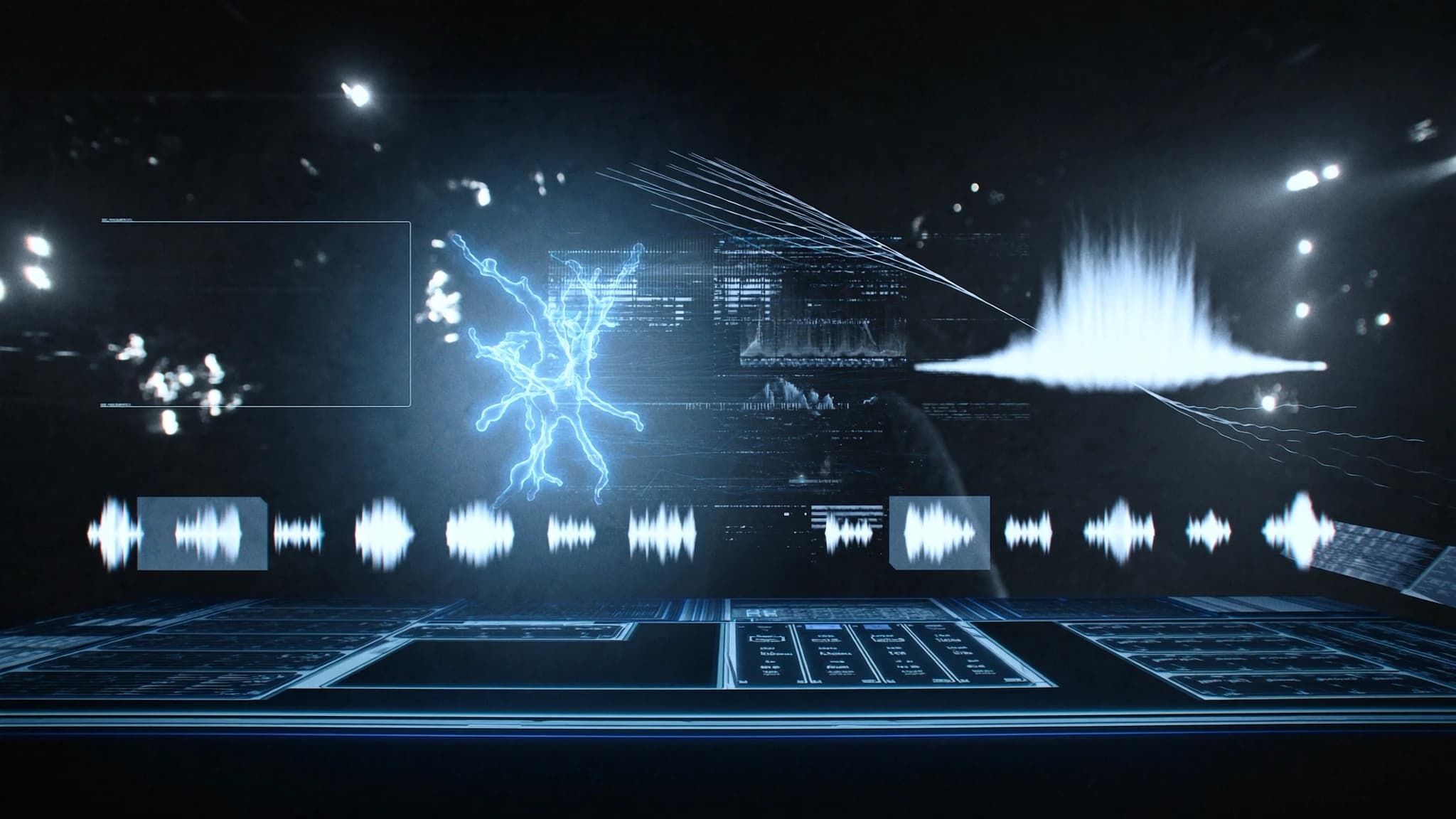
人工知能は、生成的な作曲からリアルタイムのサウンド操作まで、音楽制作とライブパフォーマンスを再形成しています。プロ用ラウドスピーカーメーカーとして、SSOUNDSはAIツールがアーティストに力を与えながら、創造性とコントロールについて議論を引き起こしている方法を探ります。
主なポイント
- AIツールは音楽を生成し、アレンジを支援し、ライブパフォーマンスでリアルタイムエフェクトを可能にします。
- AI駆動のDSPはラウドスピーカーの性能を最適化し、手動チューニングを減らし、一貫性を向上させます。
- アーティスト対ツールの議論は意図にかかっています。コラボレーターとしてのAI対松葉杖としてのAI。
- ハイブリッドワークフロー。AIが反復タスクを処理し、人間が指示することで最良の結果が得られます。
- ライブサウンドにおけるAIは、ミキシング、ハウリング検出、カバレッジ最適化を自動化できます。
- 将来のAIシステムはエンジニアの好みを学習し、適応型の創造的パートナーになります。
音楽制作におけるAI:生成からアレンジメントまで
OpenAIのJukebox、GoogleのMagenta、Amper MusicなどのAI音楽生成ツールは、ユーザーのプロンプトやスタイル参照に基づいてメロディ、ハーモニー、さらには完全なアレンジを生成できます。これらのシステムは、既存の音楽の膨大なデータセットでトレーニングされた機械学習モデルを使用して、新しい作曲を生成します。プロデューサーにとって、これは迅速なアイデア出し、コード進行、ドラムパターン、ベースラインを数秒で生成し、創造的な行き詰まりを克服することを意味します。
生成だけでなく、AIはアレンジメントを支援します。ツールはトラックの構造を分析し、トランジション、ビルドアップ、ドロップを提案できます。一部のプラットフォームはステム分離を提供し、プロデューサーがボーカル、ドラム、楽器を分離してリミックスやライブ操作を行えるようにします。SSOUNDSのエンジニアは、AIがリスナーのエンゲージメントパターンを予測する能力がダイナミックミキシングの決定を導くことができると指摘していますが、人間の嗜好は依然として代替不可能です。
ライブパフォーマンスにおけるリアルタイムAI
ステージ上では、AIはリアルタイムのオーディオ操作を可能にします。ピッチ補正、ハーモナイズ、さらには即興の伴奏などです。Antares Auto-TuneやiZotopeのVocalSynthなどのシステムはボーカルをライブで処理でき、OutputのPortalのようなAI駆動のプラグインはパフォーマンスパラメータによってトリガーされるグラニュラーエフェクトを適用します。一部のアーティストはAIを使用してオーディオに同期したビジュアルを生成し、没入型の体験を作り出しています。
サウンド reinforcement では、AI駆動のDSPがラウドスピーカーの性能をリアルタイムで最適化し、室内音響や観客の騒音に基づいてEQ、ディレイ、リミッティングを調整できます。SSOUNDSは機械学習をアンププリセットに統合し、熱圧縮と電力圧縮を予測および補正して、ショー全体を通じて一貫した音質を保証します。この技術は手動チューニングの必要性を減らし、エンジニアが創造的なミキシングに集中できるようにします。
アーティスト対ツールの議論:創造性か松葉杖か?
批評家は、AIツールが音楽を均質化するリスクがあると主張しています。既存のヒット曲でトレーニングされたモデルは、定型的な結果を生み出す可能性があるからです。一部は、AI生成音楽が人間の芸術性を軽視し、特にセッションミュージシャンやソングライターを置き換えるために使用される場合を恐れています。逆に、支持者はAIをコラボレーターと見なし、シンセサイザーやサンプラーが以前の時代に行ったように、創造的な可能性を広げるツールと見なしています。
議論はしばしば意図に焦点を当てます。アイデアを刺激するためにAIを使用するのか、作品を完成させるために依存するのか。多くのアーティストは実験にAIを使用し、その後人間の直感で出力を洗練させます。SSOUNDSは最良のアプローチはハイブリッドであると考えています。AIに反復的または技術的なタスク(例:バリエーションの生成、システムのチューニング)を処理させ、人間が芸術的方向性を保持します。ラウドスピーカー業界自体が長い間、カバレッジをモデル化するためにシミュレーションソフトウェアを使用してきました。AIはその単なるスマートなバージョンです。
ライブサウンドエンジニアのための実用的なアプリケーション
FOHエンジニアにとって、AIツールはミキシングタスクを自動化できます。複数のマイクのオートミックス、ハウリング周波数の検出、EQ調整の提案などです。一部のデジタルコンソールには、時間の経過とともにエンジニアの好みを学習するAIアシスタントが含まれています。モニタリングでは、AIはステージのマイク位置とスピーカー配置を分析してハウリングを予測および防止できます。
SSOUNDSは、エンジニアがAIを耳の代替ではなく時間節約として受け入れることを推奨しています。たとえば、AIはサウンドチェックの録音からベースラインミックスを生成し、エンジニアがそれを微調整します。大規模な会場では、SSOUNDS独自の予測モデリングのようなAI駆動のラインアレイ最適化が、手動測定なしで均一なカバレッジを保証します。鍵は、ツールの限界を理解することです。AIには芸術的意図や観客の気分の文脈が欠けています。
未来:創造的なパートナーとしてのAI
AIモデルが改善するにつれて、よりシームレスな統合が見られるでしょう。リアルタイムのスタイル転送(例:ギターをシンセのように聞こえさせる)、ソリストのフレージングに応答するアダプティブバッキングトラック、あらゆる空間に自己調整するインテリジェントなラウドスピーカーシステムなどです。ツールとコラボレーターの境界は曖昧になります。しかし、人間の要素、感情、即興性、不完全さは、ライブパフォーマンスの中心であり続けるでしょう。
SSOUNDSは、複数のショーにわたるエンジニアの調整から学習し、パーソナライズされたプリセットを作成するAI支援システムチューニングを開発しています。これはエンジニアを置き換えるのではなく、その専門知識を増幅します。結局のところ、AIは強力な楽器であり、それをどのように演奏するかが音楽を定義します。
よくある質問
AIはライブパフォーマンスで人間のミュージシャンを置き換えられますか?
完全に置き換わるわけではありません。AIはパートやエフェクトを生成できますが、ライブパフォーマンスは人間の表現、即興性、そして観客とのつながりに依存しています。AIは人間の創造性を置き換えるのではなく、強化するツールとして使うのが最善です。
AIはどのようにラウドスピーカーの性能を向上させますか?
AIは熱圧縮と電力圧縮を予測し、EQとディレイをリアルタイムで調整し、室内音響に基づいてカバレッジを最適化できます。これにより、絶え間ない手動介入なしで一貫した音質が保証されます。
AI生成音楽は著作権で保護されますか?
法律はさまざまです。多くの法域では、AIのみによって作成された作品は著作権の対象とならない場合があります。ただし、人間が重要な創造的貢献をした場合、その成果物は保護される可能性があります。必ず法律の専門家に相談してください。
ライブサウンドで一般的に使用されるAIツールは何ですか?
例としては、オートミックスプラグイン、ハウリング抑制アルゴリズム、機械学習を備えたDSPなどがあります。一部のデジタルコンソールはEQとダイナミクス用のAIアシスタントを提供しています。SSOUNDSはアダプティブチューニングのためにアンププリセットにAIを統合しています。
AIはライブサウンドエンジニアを不要にしますか?
いいえ。AIは技術的なタスクを自動化しますが、エンジニアの芸術的判断、問題解決能力、または独自のパフォーマンスの瞬間に対応する能力を再現することはできません。AIを活用するエンジニアは、より効率的かつ創造的になります。
システムの構築やアップグレードをお考えですか?
SSOUNDSは、単一の部屋からスタジアム規模まで、プロ用PAを世界中で設計・製造しています。