ライブオーディオにおけるAIノイズ・エコーリダクション
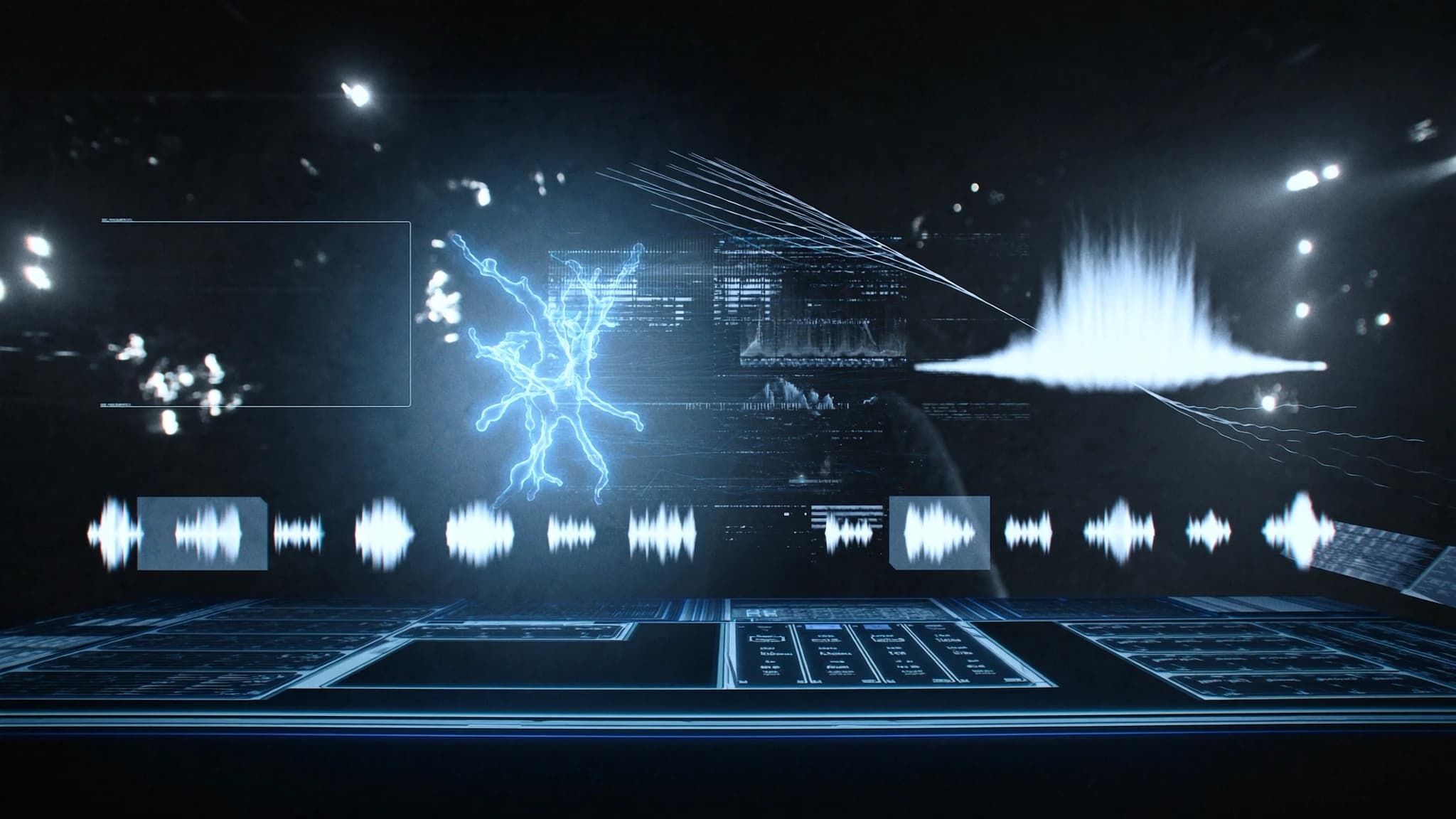
ライブサウンドや放送において、優れたミックスと不満の残るミックスの差は、しばしば自分ではコントロールできない要素に帰着します。それは会場、背景ノイズ、そして反射音です。AIノイズ・エコーリダクションは、困難な環境で音声をクリーンアップする強力なツールとして登場しました。しかし、それはどのように機能し、プロフェッショナルオーディオのワークフローの中でどこに位置づけられるのでしょうか?
主なポイント
- AIノイズリダクションはリアルタイムで音声とノイズを分離し、騒がしい環境での明瞭度を改善します。
- 残響除去は会場の反射を低減し、音声をよりタイトで直接的に聞こえるようにします。
- ライブサウンドでは遅延が重要であり、現代のAIアルゴリズムは10ミリ秒未満で動作可能です。
- AIは優れたマイクロフォン技術と共に最もよく機能し、全体的なオーディオ戦略の一部として使用されるべきです。
- SSOUNDSはAI処理をラインアレイシステムとDSPプラットフォームに統合し、優れた音声明瞭度を実現します。
問題:ライブオーディオにおけるノイズとエコー
すべてのライブイベントには独自の音響的課題があります。HVACの低周波騒音があるホテルのボールルームでの会議、残響時間の長い礼拝堂、風や交通騒音のある屋外放送など、不要なノイズとエコーは明瞭度を低下させ、観客の体験に影響を与えます。
ゲーティング、イコライゼーション、指向性マイクロフォンといった従来の解決策は役立ちますが、限界があります。ノイズが広帯域である場合や、会場の反射が複雑な場合、音声とノイズを完全に分離することはできません。ここでAIベースのノイズ・エコーリダクションが登場します。
SSOUNDSでは、音源は方程式の一部に過ぎないと長く認識してきました。会場とノイズフロアも同様に重要です。当社のエンジニアリングチームは、これらの課題に正面から取り組むため、AI駆動の処理をシステム設計哲学に統合しています。
AIノイズ・エコーリダクションの仕組み
AIノイズリダクションは、数千時間分の音声とノイズの例で訓練された機械学習モデルを使用します。これらのモデルは人間の音声と不要な音を区別することを学習し、リアルタイムでノイズを抑制します。しきい値を下回ると単にミュートする従来のノイズゲートとは異なり、AIは音声が存在する間もノイズを除去できます。
エコーリダクション、すなわち残響除去も同様です。AIモデルはマイクロフォンからの直接音とそれに続く反射音を識別します。そして反射音を減衰させ、実質的に会場の残響テールを短縮します。これは硬い表面と長い減衰時間を持つ空間で特に有用です。
処理はデジタル領域で行われ、多くの場合DSPや専用ハードウェアユニット内で実行されます。SSOUNDSのエンジニアはAI支援による音響モデリングを活用し、システムが設置される前に、これらのアルゴリズムが特定の会場でどのように機能するかを予測します。これにより、会場の特定の音響特性に合わせて処理を調整することができます。
ライブサウンドにおける遅延の考慮事項
遅延はライブパフォーマンスの敵です。AI処理が過度の遅延を導入すると、直接音と混合された際にコムフィルタリングを引き起こしたり、パフォーマーが自分の声から切り離されたように感じたりすることがあります。インイヤーモニターでは、数ミリ秒でも気が散る原因になります。
現代のAIノイズ・エコーリダクションアルゴリズムは、非常に低い遅延、多くの場合10ミリ秒未満で動作するように設計されています。しかし、正確な遅延は処理能力とモデルの複雑さに依存します。リップシンクが重要な放送では、遅延を最小限に抑える必要があります。
SSOUNDSは遅延をシステム設計パラメータとして捉えています。当社はクライアントと協力して許容可能な遅延しきい値を決定し、オーディオ品質を損なうことなくこれらの要件を満たす処理戦略を選択します。多くの場合、信号チェーンの他の部分と同じサンプルレートでAI処理を実行し、不要な変換遅延を回避できます。
AIノイズ・エコーリダクションが最も役立つ場面
AIノイズリダクションは、ノイズフロアが高く予測不可能な環境で真価を発揮します。展示ホールでの企業イベント、騒がしいロビーでの記者会見、街頭からのリモート放送などを考えてみてください。これらのシナリオでは、AIは音声の明瞭度を劇的に改善できます。
残響除去は、石壁と高い天井を持つ礼拝堂や、ガラス表面のある会議室において画期的です。残響テールを低減することで、AIは話者がマイクロフォンから遠くにいても、音声をよりタイトで直接的に聞こえるようにします。
もう一つの重要な用途は補聴システムです。聴覚に障害のある観客にとって、明瞭さは最重要です。AI処理は音声をノイズの上に持ち上げ、体験をより包括的なものにします。SSOUNDSはこれらの機能をラインアレイシステムとDSPプラットフォームに統合し、幅広い設置環境でその利点が利用できるようにしています。
限界とベストプラクティス
AIは魔法の弾丸ではありません。入力信号がそもそもクリーンであるほど最良の結果が得られます。マイクロフォンが主にノイズを拾っている場合、AIはより懸命に動作する必要があり、アーティファクトを導入する可能性があります。適切なマイクロフォンの選択と配置は依然として不可欠です。
過剰な処理は音声を不自然または水っぽく聞こえさせることがあります。AIノイズリダクションは慎重に使用し、処理された信号を元の信号とブレンドして自然な音色を保つことが重要です。SSOUNDSのエンジニアはしばしばパラレルアプローチを用い、未処理の信号を少量混ぜ戻すことで明瞭度と温かみを保ちます。
最後に、AI処理は全体的なオーディオ戦略の一部であるべきです。それは優れた音響設計、適切なゲインストラクチャリング、熟練したミキシングを補完するものであり、置き換えるものではありません。SSOUNDSでは、AIをエンジニアの技量を高めるツールと見なしており、その代替とは考えていません。
ライブオーディオにおけるAIの未来
AIモデルがより効率的で専門化されるにつれて、より低い遅延でさらに優れた性能が期待できます。将来のシステムは、変化するノイズ条件にリアルタイムで適応し、人間の介入なしに自動的にパラメータを調整するかもしれません。
SSOUNDSはこの進化の最前線にいます。欧州での研究開発は、AI駆動の処理を当社のラウドスピーカーとDSPの設計に統合することに焦点を当てています。当社はAIを後付けとして追加しているのではなく、システムの中核に組み込んでいます。
オーディオプロフェッショナルにとって、メッセージは明確です。AIノイズ・エコーリダクションは定着します。それは最も困難な環境でクリアで明瞭な音声を提供する強力な方法を提供します。プレミアムラウドスピーカーと専門的なシステム設計と組み合わせることで、それはプロフェッショナルオーディオの卓越性への次のステップを表します。
よくある質問
AIノイズリダクションと従来のノイズゲートの違いは何ですか?
従来のノイズゲートは信号がしきい値を下回るとミュートするため、音声が途切れることがあります。AIノイズリダクションは機械学習を用いて音声とノイズを区別し、音声が存在する間もノイズを抑制するため、より自然で連続的なオーディオが得られます。
AIエコーリダクションは信号に遅延を加えますか?
発生し得ますが、現代のアルゴリズムは低遅延向けに設計されており、多くの場合10ミリ秒未満です。正確な遅延は処理能力と具体的な実装に依存します。SSOUNDSのエンジニアはライブ用途において遅延を最小化するよう取り組んでいます。
AIノイズリダクションは音響処理の必要性を置き換えられますか?
いいえ。AI処理は優れた音響設計を補完するものであり、代替ではありません。適切な室内音響処理とマイク配置により、AIが処理すべきノイズと残響の量が減り、より良い結果が得られます。
AIノイズリダクションは音楽用途に適していますか?
AIノイズリダクションは主に音声向けに設計されています。音楽にも使用できますが、音色を変化させる可能性があります。音楽では控えめに、または特定の問題領域でのみ使用するのが最適です。SSOUNDSはあらゆる用途において慎重な使用を推奨しています。
SSOUNDSはどのようにAIをシステムに組み込んでいますか?
SSOUNDSはAI支援による音響モデリングと機械学習で調整されたDSPをシステム設計に統合しています。これにより、特定の会場での性能を予測・最適化し、完全なオーディオソリューションの一部としてAIノイズ・エコーリダクションを提供することが可能です。
システムの構築やアップグレードをお考えですか?
SSOUNDSは、単一の部屋からスタジアム規模まで、プロ用PAを世界中で設計・製造しています。